
Choosing the right ignition coil for your Yamaha Mio Sporty requires matching the exact original equipment manufacturer (OEM) part number, verifying the primary and secondary electrical resistance specifications, and ensuring the physical connector matches your scooter’s specific model year. Because the Mio Sporty has gone through various production runs, relying on generic labels can lead to electrical mismatches or poor engine performance. This guide will walk you through verifying compatibility, evaluating technical specifications, comparing OEM and aftermarket options, and performing safe pre-installation checks.
Verify Compatibility with Your Specific Mio Sporty Model
To find the correct ignition coil, start by identifying your scooter’s exact model year and engine code. You can locate this information on the chassis plate, typically found under the seat or near the frame, as well as on your official registration documents. Having these details on hand prevents you from purchasing a part designed for a different production run or a closely related variant like the Mio Soul or Mio Amore.
Once you have your vehicle details, cross-reference the OEM part number with the manufacturer’s official parts catalog or consult an authorized dealer. The Mio Sporty has a long production history in the Philippines, and subtle changes in the electrical system over the years mean that parts are not always universally interchangeable across all model years. Never infer compatibility solely from a broad category term or a generic product title.
Products mentioned in this guide
![[RCP] Yamaha MIO Sporty / Soulty / Fino Genuine Ignition Coil Part # 5TL-H2310-10 from Indonesia](https://img.lazcdn.com/g/p/44df1d411c13fafeeb360cdb51d2b50a.jpg_400x400q80.jpg_.webp)
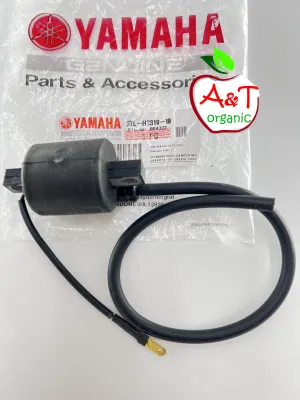
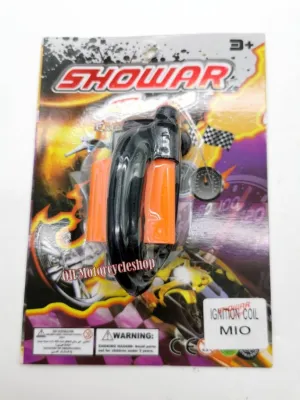
Prices are valid at publication and may change. Please refer to the product page for the latest price.
Avoid purchasing parts based solely on visual similarity or generic “Mio” labels on online marketplaces. Many sub-models use different electrical architectures, CDI units, or wiring harnesses. A coil that looks identical on a product listing page might have different internal resistance or pin configurations that could cause ignition issues or damage your electrical system.
Key Electrical Specifications to Evaluate
Before purchasing any ignition coil, it is essential to evaluate its primary and secondary electrical resistance parameters. You can verify these specifications using a digital multimeter on your existing coil or by checking the technical datasheet of the replacement part. The primary resistance (measured across the input terminals) and secondary resistance (measured from the input to the spark plug cap) must fall within the manufacturer’s specified ranges to ensure proper integration with your CDI unit.

Physical fitment is equally critical, so you must check the connector type, pin configuration, and wire length. The replacement coil should plug directly into your existing wiring harness without requiring any cutting, splicing, or custom mounting brackets. A wire that is too short will stretch and potentially fail under the vibration of daily riding, while an incorrect pin layout can prevent the ignition signal from reaching the coil.
Be cautious of aftermarket coils that promise exceptionally high voltage output. While a stronger spark sounds beneficial, a stock Mio Sporty engine is designed to operate within specific electrical limits. Installing an excessively high-voltage coil without upgrading other ignition components can put undue stress on your factory CDI, stator, and wiring, potentially leading to premature component failure.
Comparing OEM and Aftermarket Options
Choosing between a genuine OEM part and an aftermarket alternative involves balancing reliability, fitment, and cost. Genuine OEM ignition coils offer guaranteed compatibility, correct resistance values, and factory-standard longevity. Because they are manufactured to Yamaha’s exact specifications, they provide a predictable service life and maintain the original performance of your scooter under local tropical conditions.
If you decide to explore aftermarket options, focus on reputable brands that provide clear warranty terms, detailed technical specifications, and verified user feedback. High-quality aftermarket manufacturers design their components to meet or exceed OEM standards, offering a reliable alternative if a genuine part is difficult to source.
Watch out for common red flags that indicate counterfeit or substandard parts, which are prevalent on various ecommerce platforms. Be suspicious of unusually low prices, poor-quality packaging, blurry printing, or the absence of official security holograms. Counterfeit coils often use inferior internal windings that degrade quickly under the high humidity and heat typical of daily commuting in the Philippines.
Pre-Installation Checks and Safety Boundaries
Working on your scooter’s electrical system requires strict adherence to safety protocols to prevent damage to the vehicle and personal injury. Always disconnect the negative battery terminal before handling any electrical components or removing the old ignition coil. This simple step eliminates the risk of accidental short circuits that could destroy your CDI unit or damage the main wiring harness.
Before mounting the new coil, take the opportunity to inspect the spark plug wire, the rubber boot, and the surrounding seals. Look for signs of cracking, brittleness, or moisture ingress, which are common in humid tropical climates. If the rubber boot is damaged, moisture can seep in and cause the spark to arc to the engine frame instead of reaching the spark plug, resulting in misfires.
If you notice any signs of melting on the wiring harness, corroded connectors, or if the new coil causes erratic engine behavior during a test start, stop the installation immediately. These symptoms point to deeper electrical issues that require professional diagnosis. For complex electrical troubleshooting or if you are uncomfortable handling high-voltage ignition components, always consult a qualified motorcycle mechanic.
Frequently Asked Questions (FAQ)
Can I use a universal ignition coil on my Mio Sporty?
Using a universal ignition coil is generally not recommended because it often requires modifying the mounting bracket, splicing wires, or changing the connectors. These modifications can compromise the weatherproofing of your electrical system, making it highly vulnerable to heavy rain and road splash. Additionally, universal coils may have incorrect resistance values that can lead to a weak spark, poor fuel economy, or permanent damage to your scooter’s CDI unit.
What are the common symptoms of a failing ignition coil?
A failing ignition coil typically manifests as engine misfires, a rough idle, poor acceleration, or difficulty starting the engine, particularly on damp mornings or under heavy load. However, because these symptoms can also point to other issues, you should always check the condition of your spark plug, verify your battery voltage, and ensure proper fuel delivery before assuming the ignition coil is the sole culprit.
Community discussion
Share your experience or ask a question. Comments are reviewed before publication.