
Protecting your car’s interior from an intense tropical climate requires a specialized approach. In regions with high heat and extreme ultraviolet (UV) exposure, standard multi-surface polishes often fall short, leaving behind greasy residues that degrade quickly. The most effective solution is a dedicated, water-based interior protectant formulated with active UV inhibitors that cures to a non-reflective matte or satin finish. This type of formulation bonds directly to cabin surfaces, providing a durable barrier that resists melting, minimizes windshield glare, and prevents premature aging.
Selecting the right product involves understanding how environmental stressors interact with your vehicle’s materials. Dashboards, door panels, and console trims are constantly subjected to fluctuating temperatures and high humidity. By choosing a protectant designed to withstand these specific conditions, you can preserve the structural integrity and appearance of your cabin for years to come.
How Tropical Climate Affects Car Interiors
The combination of intense sunlight, elevated cabin temperatures, and high humidity creates a harsh environment for automotive interiors. Ultraviolet radiation is the primary driver of material degradation. When UV rays penetrate your car’s windshield and side windows, they break down the chemical polymer chains within vinyl, plastic, and synthetic leather. This molecular breakdown manifests visually as fading, color shifting, and a dry, brittle texture that makes surfaces highly susceptible to cracking.
Products mentioned in this guide
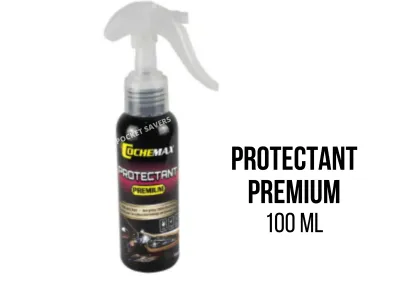
28 Lazada user ratings
Long-lasting protection for your car's interior., Renews and revitalizes rubber and plastic parts., Prevents cracking, fading, and discolora…Read full reviewShow less
Long-lasting protection for your car's interior., Renews and revitalizes rubber and plastic parts., Prevents cracking, fading, and discoloration., Cleans away dirt, dust, and debris easily., Leaves a pleasant scent in your vehicle., Keeps surfaces looking like new!,
Renews and revitalizes rubber and plastic parts., Prevents cracking, fading, and discoloration., Cleans away dirt, dust, and debris easily.,…Read full reviewShow less
Renews and revitalizes rubber and plastic parts., Prevents cracking, fading, and discoloration., Cleans away dirt, dust, and debris easily., Keeps surfaces looking like new!, Adds a beautiful shine to your car., Long-lasting protection for your car's interior.,
came well packed. very nice product.
Received the item
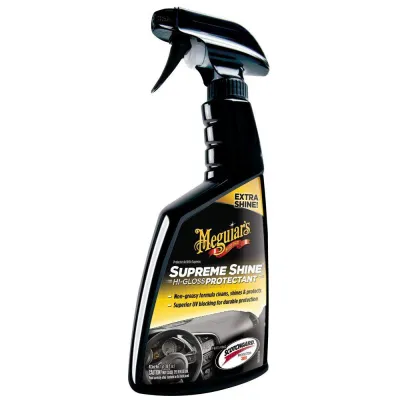
88 Lazada user ratings
super highly duper recommended!! legit guys!!! 😍
Protects against UV damage.,
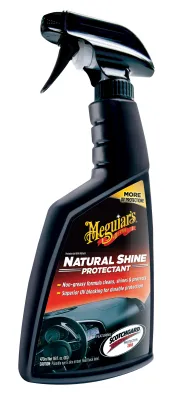
66 Lazada user ratings
Legit and not just high-quality product, but also high-quality packaging (well-packed, no leakage)! Seller also accomodating with shipping r…Read full reviewShow less
Legit and not just high-quality product, but also high-quality packaging (well-packed, no leakage)! Seller also accomodating with shipping request! Keep it up with good products and services.
Easy to use and wipe off excess, Restores color and shine effectively, Powerful UV blockers for durability,
Fast Delivery Excellent Handling will buy again:)
Quality: Appearance: Performance:
Awesome packaging!
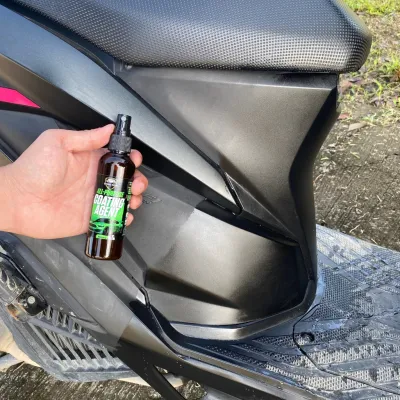
7,807 Lazada user ratings
Leaves a long-lasting shine on your vehicle., Protects against UV damage and fading., Waterproof protectant for all-weather use., Effective …Read full reviewShow less
Leaves a long-lasting shine on your vehicle., Protects against UV damage and fading., Waterproof protectant for all-weather use., Effective cleaner for motorcycle and car interiors., Great product for restoring trim and plastic.,
Shine now thank you Wala lang before and after pero 4 year na Po Yung motor ko naging bago Po ulit napag kamalan pa tuluy Akong bumili Ng ba…Read full reviewShow less
Shine now thank you Wala lang before and after pero 4 year na Po Yung motor ko naging bago Po ulit napag kamalan pa tuluy Akong bumili Ng bagong motor hehehehe , Salamat ❤️
Leaves a long-lasting shine on your vehicle., Restores faded surfaces to their original color., Protects against UV damage and fading.,
wOw.... nagmukhang bago nga ang momot q... nice product... tnx so much sa shop at sa lazada... also sa rider... i'll buy again... 😉 😉
3 Lazada user ratings
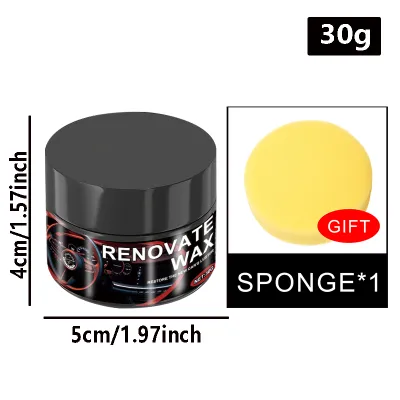
the car wax paste is good for tires and polishing dashboard but use only a little for the dashboard. it can also be used for the black rubbe…Read full reviewShow less
the car wax paste is good for tires and polishing dashboard but use only a little for the dashboard. it can also be used for the black rubber parts of the car like the sides and near the wheels. it comes with its own sponge too.
Prices are valid at publication and may change. Please refer to the product page for the latest price.
Thermal stress further compounds this damage. When a vehicle is parked under direct sunlight, cabin temperatures can rise significantly higher than the ambient outdoor temperature. This extreme heat causes the dashboard and surrounding trim pieces to expand. As the cabin cools down at night or when the air conditioning is running, the materials contract. This continuous cycle of expansion and contraction puts immense physical strain on the plastics, eventually leading to deep, irreparable cracks along weak points and seams.
Humidity also plays a critical role in how interior materials age. High moisture levels in the air can interact with trapped heat to accelerate the breakdown of leather conditioners and adhesives. If you apply an improper, oil-heavy dressing, the excess moisture can become trapped beneath the surface layer. This creates an ideal breeding ground for mold and mildew, while also causing the material to feel sticky or slimy to the touch.
Key Features to Look for in an Interior Protectant
To combat these environmental challenges, you must look beyond basic marketing claims and identify specific product characteristics. The most critical feature is the presence of dedicated UV inhibitors or blockers. High-quality protectants explicitly state on their labels that they contain UV-absorbing agents. These chemicals work by absorbing harmful radiation and dispersing it as harmless heat energy before it can damage the underlying polymers of your dashboard.

The finish type of the protectant is another vital safety and aesthetic consideration. Opting for a matte or satin finish is highly recommended for tropical driving. High-gloss products contain reflective agents that bounce bright sunlight directly onto the inside of your windshield. This creates a distracting veil glare that severely compromises your forward visibility, especially during midday driving. Furthermore, glossy finishes tend to highlight dust, fingerprints, and minor surface imperfections.
Understanding the formulation base of your chosen product is equally important. Water-based protectants are generally superior for high-heat environments compared to solvent-based alternatives. Water-based formulas typically utilize natural oils and synthetic polymers suspended in water, leaving a dry-to-the-touch barrier that does not melt or turn tacky when cabin temperatures soar. Solvent-based products, on the other hand, often rely on petroleum distillates that can strip the natural plasticizers from vinyl, accelerating the very drying and cracking you are trying to prevent.
Finally, look for formulas that offer anti-static properties. During dry, dusty seasons, static electricity on plastic surfaces acts like a magnet for airborne dust, pollen, and road grime. An anti-static protectant neutralizes this charge, keeping your dashboard cleaner for longer periods and reducing the need for frequent wiping, which can cause micro-scratches over time.
Types of Interior Protectants and Their Climate Suitability
Different categories of protectants offer varying levels of defense and durability under tropical conditions. Ceramic and SiO2-infused interior coatings represent the high end of durability. These products utilize silicon dioxide nanoparticles to form a rigid, hydrophobic barrier over plastics, vinyl, and leather. They offer exceptional heat tolerance and long-lasting UV protection. However, they require meticulous surface preparation and precise application to avoid high spots or streaking. Always verify the manufacturer’s documentation to ensure the specific ceramic coating is rated safe for your vehicle’s interior surfaces, particularly sensitive navigation screens or soft-touch plastics.
Polymer sealants are another highly effective option, offering a practical balance between robust protection and ease of use. These synthetic formulas bond chemically to the surface, creating a flexible shield that resists heat degradation. They are typically applied via a simple spray-and-wipe process, making them ideal for car owners who prefer to perform regular maintenance themselves without the complexity of a ceramic coating.
Traditional silicone-based dressings should generally be avoided in high-heat climates. These products often rely on inexpensive dimethyl silicone emulsions that do not bond to the surface. Under intense heat, these silicone oils can volatilize, creating a greasy film that evaporates off the dashboard and condenses onto the cool glass of your windshield, forming a hazy residue that is difficult to clean. They also attract dust rapidly and can make surfaces dangerously slippery.
Natural conditioners, such as those containing beeswax, lanolin, or natural oils, are excellent for preserving genuine leather seats. However, in humid climates, you must select these products with caution. Ensure the product label explicitly states that the conditioner allows the leather to breathe and does not seal in moisture. Heavy, non-breathable conditioners can trap humidity within the leather fibers, leading to premature rot or mold development.
Step-by-Step Application for Maximum UV and Heat Defense
Proper application is essential to ensure your chosen protectant bonds correctly and delivers its full protective potential. Begin by thoroughly preparing the surface. Applying a protectant over existing dirt, body oils, or old dressings will prevent it from adhering properly, leading to premature failure. Use a dedicated, pH-neutral automotive interior cleaner and a soft microfiber cloth to clean all surfaces. For textured plastics or dashboard crevices, a soft-bristled detailing brush can help gently agitate and lift embedded grime. Wipe the area dry and allow it to air out completely.
Next, consider your application environment. Always work in a shaded area, such as a garage or carport, and ensure the vehicle’s interior surfaces are cool to the touch. Applying protectants to hot plastics causes the carrier liquid to evaporate instantly, resulting in uneven coverage, streaks, and spotty protection. Check the product label for any specific application temperature recommendations before starting.
When applying the product, spray it directly onto a microfiber applicator pad or towel rather than spraying it onto the dashboard. This prevents overspray from landing on your windshield, instrument cluster, or sensitive electronic switches. Work the product into the surface using light, overlapping circular motions to ensure even coverage. Allow the protectant to dwell or cure according to the specific timeframe indicated in the manufacturer’s instructions.
The final step is buffing and inspection. Take a clean, dry microfiber towel and gently buff the treated areas. This step is crucial because it removes any unabsorbed excess product, leaving behind a uniform, dry, and non-greasy finish. Inspect the surfaces under good lighting to ensure there are no streaks or missed spots, paying close attention to areas near the windshield base where UV exposure is most severe.
Maintenance and Reapplication in the Philippines
Maintaining your interior protection requires a consistent routine tailored to your vehicle’s daily exposure. Rather than relying on rigid calendar schedules, perform regular visual and tactile inspections. Touch the dashboard and door panels occasionally; if they feel dry, rough, or look slightly faded, the protective layer has likely degraded and requires reapplication. Similarly, if water or light spills no longer bead on the surface, the protectant’s hydrophobic properties have worn off.
Your parking habits dictate how often you need to reapply the product. If your vehicle is parked outdoors daily without shade, the intense UV exposure and thermal cycling will break down the protectant quickly, necessitating reapplication every three to four weeks. Conversely, if your car is primarily kept in a covered garage or shaded parking structure, the protective layer can easily last two to three months before requiring a fresh coat.
For routine interim cleaning between applications, avoid using harsh household detergents or multi-purpose cleaners, as these will strip away the UV-blocking polymers. Instead, use a clean, dry microfiber cloth to wipe away dust, or use a pH-neutral interior detailer designed to clean lightly without removing the underlying protectant.
It is important to recognize the limits of topical protectants. If your dashboard already exhibits deep, structural cracks, severe warping, or sticky, melting plastic from years of neglected exposure, surface dressings will not restore the material. In these instances, stop applying topical products and consult a qualified professional automotive upholstery or dashboard restoration specialist to discuss repair or replacement options.
Frequently Asked Questions (FAQ)
Can I use household UV sprays on my car dashboard?
No, household furniture polishes, multi-surface sprays, or household sunscreens should not be used on automotive interiors. These products lack the specific chemical binders required to adhere to automotive-grade plastics and vinyl under extreme cabin temperatures. Many household polishes contain solvents or heavy silicone oils that can degrade dashboard materials over time, create a sticky residue that attracts dust, and produce a highly reflective glare on your windshield that compromises driving safety. Always use products specifically formulated and labeled for automotive interiors.
Does a glossy finish mean better UV protection?
No, a glossy finish does not indicate superior UV protection. The high shine associated with traditional dressings is typically caused by silicone oils that sit on top of the surface without bonding. These oils do not inherently block UV rays and can actually attract heat and dust. True UV protection is achieved through specialized chemical UV absorbers and stabilizers formulated into the product. Many of the most effective, professional-grade protectants are designed to leave a clean, non-reflective matte or satin finish that preserves the factory-original look of your cabin.
How do I remove melted or sticky protectant residue?
To remove sticky or degraded protectant residue caused by heat exposure, use a dedicated automotive interior cleaner or a mild all-purpose cleaner diluted precisely to the manufacturer’s recommended ratio. Apply the cleaner to a soft microfiber towel or a soft-bristled detailing brush, and gently agitate the sticky areas. Avoid scrubbing aggressively, as heat-softened plastics can scratch easily. Wipe the residue away with a clean, damp microfiber cloth, and dry the area thoroughly. If you notice any discoloration or material degradation during the process, stop immediately and consult a professional automotive detailer.
Community discussion
Share your experience or ask a question. Comments are reviewed before publication.