
Selecting the right kambyo handle for car is one of the most direct ways to improve your daily driving experience. The shift knob serves as the primary physical connection between your hand and the vehicle’s transmission, directly influencing how gear changes feel, how much effort is required to engage a gear, and how the interior of your cabin looks. In the Philippines, where drivers frequently navigate dense urban traffic and varying road conditions, finding a shift knob that balances comfort, heat resistance, and secure mechanical compatibility is essential for an optimal drive.
Quick Guide to Upgrading Your Shift Knob
Upgrading your shift knob is a popular modification because it immediately alters the tactile feedback of your vehicle. The stock knob installed by the manufacturer is often designed as a compromise to suit a wide range of drivers, meaning it may not offer the specific weight, shape, or material texture that matches your personal driving style. By choosing an aftermarket option, you can customize the leverage and responsiveness of your gear shifts.
When evaluating a new kambyo handle for car, your decision should rest on three primary pillars: thread compatibility, weight preference, and grip ergonomics. Thread compatibility ensures the knob mounts securely to your shifter shaft without slipping or damaging the threads. Weight preference dictates whether you want a heavier knob to smooth out gear transitions or a lighter one for direct mechanical feedback. Finally, grip ergonomics determine how comfortably the knob fits in your hand during long commutes.
Products mentioned in this guide

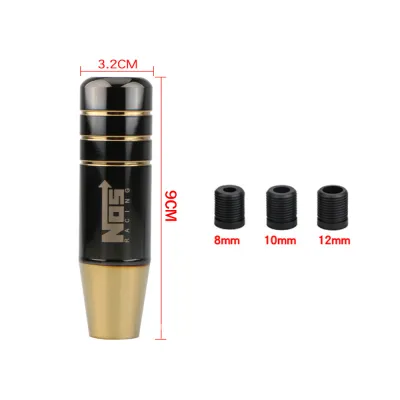
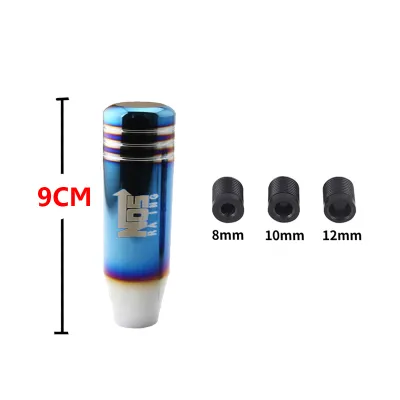
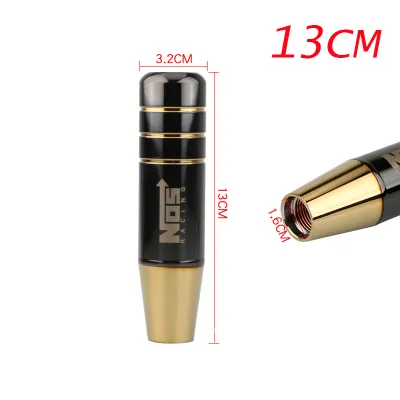
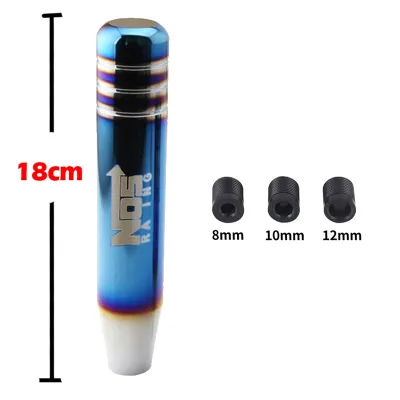
![Gear Shift Knob Sparco Black - 8cm | Car Racing Styling Universal Shift Knob | Easy to Install [🇵🇭Ready Stock]](https://img.lazcdn.com/g/ff/kf/S2feb3930672141c3bd3fb0e28ff692c7d.jpg_400x400q80.jpg_.webp)
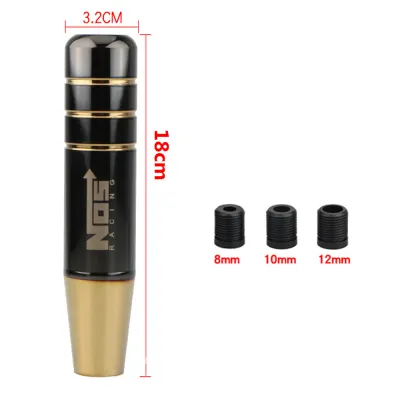
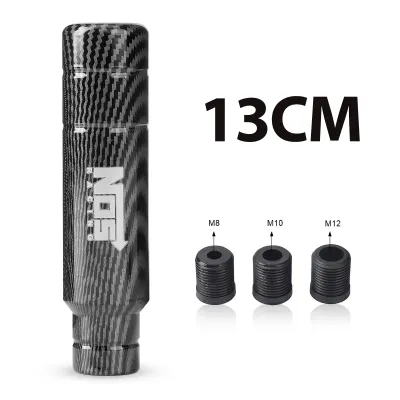
Prices are valid at publication and may change. Please refer to the product page for the latest price.
Because every vehicle model features a unique transmission setup, there is no single option that fits all cars. The ideal choice depends on your specific vehicle model, the transmission design, and your typical driving environment. For instance, a driver navigating daily stop-and-go traffic in metropolitan areas will have different ergonomic needs compared to someone preparing a vehicle for weekend track use.
How to Check Compatibility Before You Buy
Before purchasing a new shift knob, you must verify that it will physically fit your vehicle’s shift lever. The most critical factor is the thread pitch and diameter of the shifter shaft. You can identify these measurements by removing your stock knob and using a thread pitch gauge or a digital caliper to measure the shaft. Alternatively, you can consult your vehicle’s owner’s manual, contact the manufacturer, or research verified enthusiast databases for your specific model year.

Most manual transmission shift levers use standard metric threads, such as M10x1.25, M10x1.5, or M12x1.25. Direct-threaded shift knobs are engineered to match these exact specifications, screwing directly onto the metal shaft. This design offers the highest level of safety, stability, and vibration resistance, as there are no intermediate parts that can loosen over time under the stress of repeated gear changes.
As an alternative, many aftermarket manufacturers offer universal shift knobs that utilize adapters. These packages typically include plastic or rubber sleeves of various diameters along with small set screws to secure the knob to the shaft. While universal adapters allow a single knob design to fit multiple vehicles, they carry trade-offs. Over time, the set screws can back out due to road vibrations, causing the knob to wobble, rotate, or even come loose during a critical gear change.
Forcing a mismatched shift knob onto your lever can cause permanent damage. If you attempt to screw a knob with the wrong thread pitch onto the shaft, you risk cross-threading and stripping the threads on both the knob and the shifter lever itself. If you feel any unusual resistance within the first few turns, stop immediately, unscrew the knob, and re-verify the thread measurements.
Additionally, you must account for any reverse lockout mechanisms present on your shifter. Many modern manual transmissions require the driver to pull up on a collar or push down on the entire lever to engage reverse gear. If your vehicle has a lift-ring reverse lockout, you must select a shift knob with a recessed cavity at the base. A standard flat-bottomed knob will physically block the lockout collar from rising, preventing you from shifting into reverse.
Matching Material and Weight to Your Driving Style
The material of your shift knob plays a significant role in both comfort and durability, especially under tropical weather conditions. In the Philippines, vehicles parked outdoors are exposed to intense sunlight and high cabin temperatures. Solid metal knobs, such as those made from aluminum, brass, or steel, absorb heat rapidly and can become painfully hot to touch after a few hours in the sun. Conversely, in high-humidity environments, low-quality metal finishes may tarnish, and cheap plastics can become sticky.
To mitigate temperature issues, consider materials with low thermal conductivity. High-grade resin, Delrin (acetal homopolymer), wood, and genuine leather are excellent choices for tropical climates. These materials do not retain heat to the same degree as metal, ensuring the knob remains comfortable to hold even after the car has been parked in direct sunlight. Leather and wood also provide a classic, premium aesthetic, though they require regular maintenance to prevent drying or cracking.
The weight of the shift knob directly affects the physical dynamics of your gear shifts. Shift knobs are generally categorized as either weighted or unweighted, each serving a distinct driving preference:
- Weighted Shift Knobs: Typically weighing between 300 and 500 grams, these knobs use physical mass to assist your shifts. The added weight creates momentum during the throw, helping to pull the shifter linkage into gear with less manual effort. This can make a notch or stiff transmission feel significantly smoother and more fluid.
- Lighter Shift Knobs: Often made of resin, wood, or hollow aluminum, these knobs weigh under 200 grams. They offer quick, direct feedback from the transmission. Because there is less mass to dampen the movement, you can feel the mechanical engagement of the gears more clearly, which is often preferred by drivers who prioritize precise tactile communication.
When shopping, always check the manufacturer’s technical specifications for the exact weight in grams rather than relying on visual estimates. A large knob is not necessarily heavy, as a hollow metal or plastic construction can be deceptively light. Conversely, a small, compact knob made of dense brass can carry substantial weight.
Finally, keep in mind that material durability, UV resistance, and finish maintenance depend strictly on the specific product’s care instructions. Anodized aluminum may resist scratches but fade under direct UV light, while polished wood requires a intact clear coat to prevent moisture absorption from humid air.
Finding the Right Shape and Grip for Daily or Track Use
The shape of your shift knob dictates how your hand interacts with the shifter and influences your overall shifting technique. Different shapes cater to different grip styles and driving scenarios, making it important to choose one that aligns with your daily routine.
Spherical or ball-shaped knobs are the most traditional design. They fit naturally into the palm of the hand, supporting multiple grip styles, whether you prefer to rest your hand on top of the knob or grip it from the side. This versatility makes spherical knobs highly comfortable for daily commuting and general driving.
Teardrop and cylindrical shapes offer a different ergonomic profile. Teardrop knobs taper downward, providing a comfortable resting place for the palm while allowing your fingers to wrap securely around the narrower base. Cylindrical or piston-style knobs are taller, allowing for quick, positive hand placement. This shape is often favored in performance driving because it positions the grip closer to the steering wheel, reducing the time your hand spends away from the wheel.
Your grip diameter and the surface texture of the knob are critical for comfort during long drives. In heavy stop-and-go traffic, a knob that is too large can strain your hand muscles, while one that is too small may require excessive grip force. A moderate diameter of 45mm to 50mm is generally suitable for most hand sizes. Smooth textures are easy to clean, but knurled or textured surfaces provide valuable slip resistance if your hands tend to sweat in warm weather.
Because hand size and personal comfort are highly subjective, it is highly recommended to test different grip shapes in person. Visiting local automotive accessory shops allows you to physically hold various designs, helping you determine which shape feels most natural before making a purchase.
Avoid shift knobs with extreme, highly textured, or novelty designs, such as spiked shapes, skulls, or sharp geometric edges. While these may offer a unique visual style, they can be impractical or unsafe for daily driving. Sharp edges can cause discomfort over time, and complex shapes can snag on clothing or slip out of your hand during emergency maneuvers that require rapid steering and gear changes.
Safe Installation and What to Avoid
Installing a new shift knob is generally a straightforward process, but it must be done carefully to prevent damage to your vehicle’s shifter assembly. Always begin by parking the vehicle on a level surface, engaging the handbrake fully, and shifting the transmission into neutral.
To remove the stock knob, turn it counterclockwise by hand. Some vehicles feature a shift boot collar that clips directly to the bottom of the knob; if so, gently unclip or slide the collar down before unscrewing the knob to avoid tearing the boot material. Once the stock knob is removed, use a clean, dry microfiber cloth to wipe down the threads of the shifter shaft, removing any old grease, dirt, or debris.
When installing your new threaded shift knob, align it carefully with the shaft and turn it clockwise by hand. The knob should spin smoothly onto the threads without requiring significant effort. Continue turning until the knob is firmly seated against the base of the threads or the shift boot collar. Ensure the knob is aligned correctly, especially if it features a gear pattern on top, and hand-tighten it securely.
Never use excessive force, unapproved adhesives, or permanent thread-locking compounds to secure a loose shift knob. Using permanent glues can ruin the threads of the shifter shaft and make future removal or maintenance impossible. If you are installing a universal knob that relies on set screws, tighten them evenly in a cross pattern to ensure the knob remains centered and does not wobble.
If the new shift knob feels loose, continues to rotate during gear changes, or interferes with the operation of the shift boot or reverse lockout, do not drive the vehicle. A loose shift knob can slip off during a gear change, leading to a loss of vehicle control. Stop and consult a professional mechanic or the vehicle manufacturer to resolve the fitment issue before operating the vehicle.
Finally, verify that the newly installed knob does not obstruct your view of the instrument cluster or interfere with steering wheel clearance. The knob must allow for full, unobstructed movement through all gear gates, including reverse, without contacting any dashboard panels, console trim, or your hands while steering.
Frequently Asked Questions (FAQ)
Will a heavier shift knob damage my manual transmission?
Under normal driving conditions, a moderately weighted shift knob will not damage your manual transmission. The added mass helps smooth out gear transitions by utilizing momentum to push the shifter linkage into place. However, problems can arise if you habitually rest your hand on the shift knob while driving. This constant pressure, combined with a heavier knob, can push the shift forks against the rotating synchronizer sleeves inside the gearbox, leading to premature wear. For excessively heavy custom knobs, it is wise to check the vehicle manufacturer’s guidelines or consult a qualified mechanic to ensure the weight does not alter the shift rail dynamics or strain the internal linkages.
How do I clean and maintain a leather or wood shift knob?
To maintain the appearance and longevity of premium materials like leather or wood, always follow the specific cleaning instructions provided on the product label or by the manufacturer. For leather shift knobs, regularly wipe the surface with a damp microfiber cloth to remove hand oils, sweat, and dirt. Periodically apply a mild, material-appropriate leather conditioner to keep the leather supple and prevent it from drying out or cracking under intense cabin heat. For wood shift knobs, use a soft cloth and a wood-safe cleaner, avoiding harsh chemical solvents, alcohol-based wipes, or abrasive pads that could strip the protective clear coat, discolor the wood grain, or damage the underlying material.
Community discussion
Share your experience or ask a question. Comments are reviewed before publication.