
Maintaining the interior of a vehicle in the Philippines presents unique challenges due to the combination of intense tropical heat, high humidity, and daily exposure to dust and traffic grime. Leather car seats and dashboard components require consistent care to prevent them from drying, cracking, and fading under these demanding environmental conditions. While traditional multi-step leather cleaning and conditioning routines offer thorough results, they are often time-consuming and impractical for quick, regular maintenance. This is where specialized leather interior wipes become highly valuable, providing a convenient, pre-moistened solution for vehicle owners who want to keep their cabin looking pristine with minimal effort.
However, not all leather wipes are created equal, and using the wrong product can cause irreversible damage to your vehicle’s upholstery. Selecting the right product requires a clear understanding of your vehicle’s specific leather type, the formulation of the wipes, and the correct application techniques. By taking a systematic approach to leather care, you can preserve the supple texture, rich color, and protective coatings of your car’s interior for years to come.
Identify Your Leather Type and Cleaning Goals
Before purchasing any leather care product, it is essential to determine the exact type of leather surface installed in your vehicle. Modern automotive interiors utilize a variety of materials, ranging from genuine top-grain leather to advanced synthetic alternatives, and each requires a distinct maintenance approach. Most mainstream and mid-range vehicles sold in the Philippines feature coated leather, which is genuine leather treated with a thin, protective polyurethane or pigment topcoat. This protective layer shields the underlying hide from spills, wear, and UV damage, meaning that any wipe you use will actually interact with this synthetic coating rather than the raw leather itself.
Products mentioned in this guide
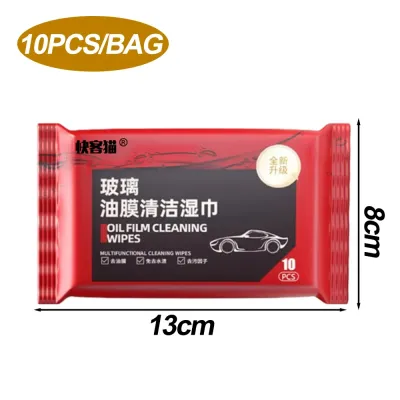
38 Lazada user ratings
Streak-free glass finish, Deep clean windshield, waiting for rains so we can see the effect of the glass degreasing wet wipes.
👌Ease of Use:perfect for cars ✨Effectiveness:usable for everyday car thingd 💰Value for Money:cheaper than other stores
thank you so much sana effective hehehehe💖💖💖💖💖💖💖💖💖💖💖💖💖💖💖💖💖💖💖💖💖💖💖💖💖💖
to be tested
Prices are valid at publication and may change. Please refer to the product page for the latest price.
In contrast, luxury or high-end vehicles may feature uncoated or semi-aniline leather, which has little to no protective surface coating to preserve its natural texture and breathability. Uncoated leather is highly porous and exceptionally sensitive to liquids, meaning that standard pre-moistened wipes can easily saturate the material, leaving permanent dark spots or stripping the delicate natural oils. If your vehicle features synthetic leather, often marketed as leatherette, vinyl, or vegan leather, the material is entirely non-porous and synthetic. While synthetic leather is highly durable and resistant to moisture, it does not absorb traditional leather conditioners, making heavy oil-based conditioning wipes unnecessary and prone to leaving a greasy, dust-attracting film.
Once you have identified the material, you must clarify your primary cleaning goal to choose a product with the appropriate chemical formulation. If your seats are subjected to daily wear, sweat, and occasional food spills, your primary need is a cleaning-focused wipe that can safely lift oils and dirt without leaving a heavy residue. If your vehicle is parked outdoors frequently and exposed to intense sunlight, your main goal should be protection and conditioning to prevent the material from drying out and cracking. Always consult your vehicle manufacturer’s owner’s manual before applying any chemical treatment, as some manufacturers specify strict chemical restrictions or warn that certain aftermarket conditioners can void the upholstery warranty.
Choosing the Right Type of Leather Interior Wipes
To make an informed decision, it helps to categorize the available leather wipes by their primary formulation and intended use case. Cleaning-focused wipes are specifically designed to target surface contaminants such as body oils, sweat, dust, and light food stains. These wipes typically contain mild, non-ionic surfactants that break down grease and lift dirt away from the surface without stripping the leather’s built-in protective coatings. Because they do not contain heavy oils or waxes, cleaning-focused wipes dry quickly and leave a clean, matte finish that restores the original look of the seats without making them slippery or shiny.

Conditioning and protecting wipes, on the other hand, are formulated to replenish the moisture balance of the leather and provide a barrier against environmental damage. These products are often infused with light conditioning agents, such as natural oils or synthetic emollients, along with UV-blocking agents. They are ideal for routine maintenance of genuine leather seats that are starting to feel dry or stiff due to constant exposure to air conditioning and solar heat. When applied correctly, conditioning wipes help maintain the suppleness of the leather, reducing the risk of crease lines developing into deep, permanent cracks over time.
For vehicle owners seeking maximum convenience, multi-purpose interior wipes are designed to clean and protect multiple surfaces simultaneously, including leather, vinyl, and plastic dashboards. While these versatile wipes are highly convenient for quick touch-ups, they often represent a compromise in specialized care. Multi-purpose formulations may not contain the specific conditioning agents needed to keep genuine leather supple, nor do they always offer the targeted cleaning power required for stubborn leather stains. They are best reserved for light, routine dusting of synthetic interiors rather than the dedicated preservation of high-quality genuine leather.
It is also important to recognize the inherent limitations of pre-moistened wipes compared to dedicated liquid leather cleaners and separate microfiber towels. Wipes are designed for light to moderate maintenance and quick spot cleaning; they have a limited surface area and can only hold a small amount of dirt before becoming saturated. If you attempt to clean heavily soiled, neglected, or deeply stained seats with a single wipe, you run the risk of simply spreading the dirt around or grinding abrasive particles deeper into the leather pores. For deep restoration work, a dedicated liquid cleaner, a soft-bristled detailing brush, and multiple clean microfiber cloths remain the standard for safe and thorough detailing.
Essential Label Claims and Features to Verify
When browsing local automotive supply stores or online marketplaces, reading the product label carefully is the most effective way to ensure you are buying a safe and compatible product. The most critical specification to verify is that the wipes are explicitly labeled as pH-balanced and alcohol-free. Leather is naturally slightly acidic, and using wipes that contain harsh alkaline chemicals or alcohol can disrupt this balance, stripping away the essential moisture and the protective polyurethane topcoat. Over time, exposure to non-pH-balanced products causes the leather to become brittle, leading to premature cracking, peeling, and discoloration that cannot be easily repaired.
Given the intense tropical climate in the Philippines, verifying the presence of UV inhibitors or UV protectants on the product label is highly recommended. The ultraviolet rays from the sun penetrate car windows easily, heating the cabin and accelerating the chemical breakdown of both genuine and synthetic leather fibers. Wipes formulated with UV blockers leave behind an invisible protective barrier that helps absorb or reflect these damaging rays, significantly reducing the rate of fading and drying. This protection is especially vital for vehicles that are regularly parked in open, uncovered areas during the hottest parts of the day.
The physical material of the wipe itself is another crucial factor that affects both safety and performance. Look for wipes made from high-quality, lint-free, and non-abrasive non-woven fabrics or microfiber blends. Coarser, low-quality paper-based wipes can shed fibers that get trapped in the leather’s grain or stitched seams, creating an unsightly mess that is difficult to clean. Furthermore, a soft, textured wipe material helps to gently lift and trap dirt particles away from the leather surface, minimizing the risk of micro-scratching the delicate protective clear coat during application.
Finally, pay close attention to the packaging design and the physical condition of the product before purchase. Pre-moistened wipes are highly susceptible to drying out, especially when stored in warm environments like a car’s glove compartment or trunk. Look for packaging that features a rigid, airtight plastic snap-lid rather than a simple adhesive peel-back sticker, as the adhesive on stickers quickly loses its effectiveness when exposed to heat and dust. When purchasing from online marketplaces, check customer reviews to ensure the seller stores their stock properly, and verify the manufacturing or expiration dates to avoid receiving old, dried-out inventory that has lost its chemical efficacy. In the local market, prices for a pack of quality leather wipes typically range from ₱250 to ₱800 depending on the brand and sheet count, making it a cost-effective preventive measure compared to the thousands of pesos required for professional upholstery repair.
Safe Application Techniques for Seats and Dashboards
Even the highest-quality leather wipes can cause issues if applied incorrectly, making proper technique essential for achieving a clean, protected finish. Before treating any visible portion of your seats or dashboard, you must perform a spot test in an inconspicuous area, such as the lower back of a headrest or the underside of a seat cushion. Apply the wipe to a small patch, allow it to dry completely, and inspect the area under good lighting to ensure there is no discoloration, color transfer onto the wipe, or unwanted changes to the gloss level. This simple precautionary step prevents widespread, costly damage to your vehicle’s interior.
When you begin cleaning, use gentle, overlapping circular or linear motions to lift dirt from the surface. Avoid pressing down too hard or scrubbing aggressively, as excessive friction can wear away the leather’s protective topcoat and push abrasive dust particles deeper into the pores or grain. If a wipe becomes visibly soiled or begins to dry out, discard it immediately and pull a fresh one from the container; continuing to use a dirty, dry wipe will only redistribute contaminants and increase the risk of scratching the surface.
After wiping down the seats, allow the conditioning agents to sit and absorb into the material for a few minutes, keeping the vehicle doors or windows open to facilitate proper ventilation. Once the product has had time to work, take a clean, dry microfiber cloth and gently buff the entire treated surface. Buffing is a critical step because it removes any excess chemical residue that was not absorbed, preventing the seats from feeling greasy, sticky, or slippery. A properly buffed leather surface should have a clean, natural satin or matte appearance and should not attract dust or transfer residue onto your clothing.
While leather wipes are excellent for routine upkeep, you must recognize when to stop using them and seek professional assistance. Wipes are not designed to handle severe issues such as deep-set ink stains, heavy mold infestations, severe dye transfer from denim, or physical damage like deep cracks, tears, and peeling coatings. Attempting to scrub away these severe problems with maintenance wipes can worsen the damage, stripping the remaining color and weakening the leather structure. In these situations, consulting a professional automotive detailer or an upholstery restoration specialist is the safest path to restoring your interior.
Frequently Asked Questions (FAQ)
Can I use regular baby wipes or household cleaning wipes on car leather?
No, you should never use regular baby wipes or household cleaning wipes on your car’s leather interior. Household cleaning wipes are formulated to sanitize hard, non-porous surfaces and often contain harsh alcohols, bleach, or strong surfactants that will rapidly strip the protective polyurethane coating off automotive leather. Baby wipes, while gentler, are formulated for human skin and often contain oils, moisturizers, and pH levels that are incompatible with automotive finishes, leaving a sticky residue that attracts dirt. Using these non-automotive products can lead to rapid drying, premature cracking, color fading, and peeling of the leather’s protective topcoat, making it essential to stick to products specifically formulated and labeled for automotive leather care.
How often should I use conditioning wipes on my car seats?
For vehicles operating in the Philippines, a general guideline is to use conditioning wipes once every two to four weeks. The local climate, characterized by high ambient temperatures and intense sunlight, combined with the drying effect of constant vehicle air conditioning, accelerates the loss of moisture from leather surfaces. However, you should adjust this frequency based on your vehicle’s exposure; a car parked daily in an uncovered lot will require more frequent conditioning than one kept in a shaded garage. It is important to avoid over-conditioning, as applying too much product too frequently can clog the leather’s pores, leave a greasy residue that transfers to clothing, and actually attract more dust and road grime to the seats.
Are leather wipes safe for stitched areas and perforated leather?
Leather wipes can be used on stitched areas and perforated leather, but they require a highly cautious application technique. Perforated leather seats, which are common in vehicles with ventilated cooling systems, have small holes that can easily trap excess liquid from a heavily saturated wipe; if this moisture seeps into the underlying seat foam, it can lead to mold growth, unpleasant odors, or damage to the heating and cooling elements. To prevent this, squeeze any excess liquid out of the wipe before gently dabbing—rather than rubbing—over perforated sections. For stitched areas, avoid aggressive scrubbing that can fray or discolor the threads, and use a dry microfiber cloth or a soft detailing brush to gently clear out any product residue that becomes trapped in the seams.
Community discussion
Share your experience or ask a question. Comments are reviewed before publication.