
Selecting the right motorcycle coolant for riding in tropical climates requires a close look at boiling points, chemical compatibility, and dilution ratios. In high ambient temperatures, your engine relies heavily on the cooling system to transfer heat away from critical internal components. To ensure your motorcycle remains reliable during hot commutes, you must verify the fluid specifications against your owner’s manual rather than relying on generic product categories.
Using the wrong coolant can lead to accelerated corrosion, water pump seal failure, or localized boiling inside the engine block. By understanding how tropical conditions affect your cooling system and learning how to read product labels, you can make an informed decision that protects your engine from severe thermal stress.
Why Tropical Climates Change Your Coolant Requirements
Operating a motorcycle in a tropical climate presents unique challenges for an engine’s cooling system. When ambient air temperatures regularly exceed 30°C, the temperature difference between the radiator and the surrounding air is significantly narrower than in cooler regions. This narrow differential reduces the natural efficiency of heat dissipation, forcing the cooling system to work much harder to maintain a safe operating temperature.
Products mentioned in this guide
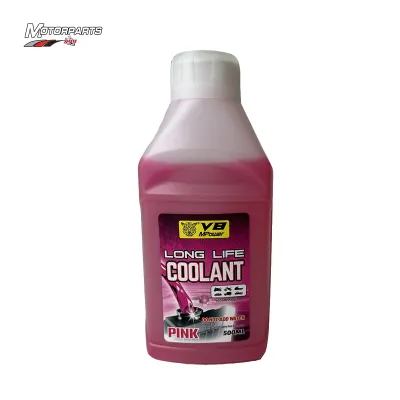
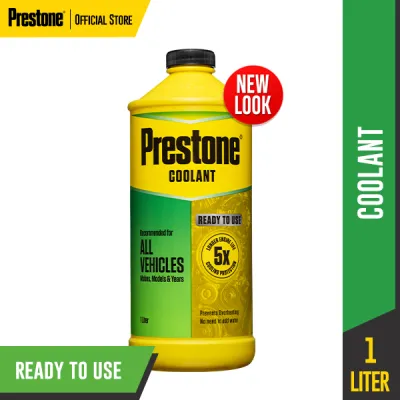
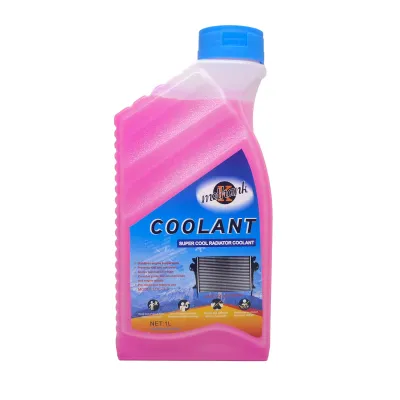
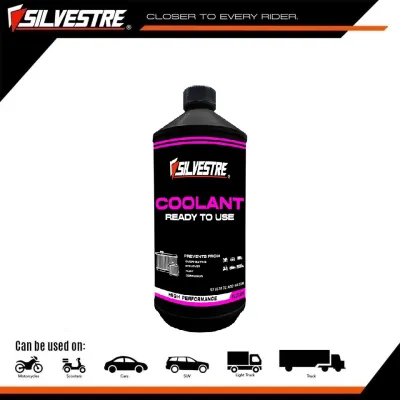
![[YAMAS] 4 LITERS COOLANT TOP BEST BRAND](https://img.lazcdn.com/g/p/ab94097c9549efc206847bd80590eb26.png_400x400q80.png_.webp)
Prices are valid at publication and may change. Please refer to the product page for the latest price.
Urban traffic conditions compound this thermal challenge. In congested city areas where stop-and-go riding is common, natural airflow through the radiator is virtually non-existent. Without sufficient forward motion, the cooling system must rely entirely on the radiator fan to draw air through the cooling fins. This continuous high-heat cycle places immense thermal stress on both the mechanical components and the chemical structure of the coolant.
Continuous exposure to elevated operating temperatures accelerates the chemical degradation of the coolant. Over time, the protective additives within the fluid—such as corrosion inhibitors and water pump lubricants—deplete at a faster rate than they would under mild driving conditions. As these additives break down, the fluid loses its ability to protect internal metal surfaces, increasing the risk of rust, scale buildup, and localized boiling.
Critical Coolant Specifications to Check on the Label
When shopping for a motorcycle coolant, the product label contains vital technical specifications that dictate how the fluid will perform under pressure. The first specification to verify is the boiling point. A high boiling point is essential for tropical riding because it prevents the fluid from vaporizing when the engine runs hot. Look for the boiling point rating under standard system pressure, and ensure it meets or exceeds the minimum requirements specified in your motorcycle’s service manual.

Another critical factor is the type of corrosion inhibitor technology used in the formula. Modern motorcycle engines are typically constructed with aluminum cylinder heads and radiators, which require specific chemical protection. Coolants generally fall into three categories: Inorganic Acid Technology (IAT), Organic Acid Technology (OAT), or Hybrid Organic Acid Technology (HOAT). For most modern motorcycles, silicate-free OAT or HOAT formulas are preferred because they provide long-lasting protection for aluminum parts without abrasive additives.
You must also choose between pre-mixed and concentrated coolants. Pre-mixed coolants are highly recommended for most riders because they are diluted with demineralized or deionized water at a precise ratio, usually 50/50 or 60/40. If you purchase a concentrated coolant, you must dilute it yourself using only distilled water. Never use tap water or mineral water, as the dissolved minerals will react with the engine heat to form hard scale deposits that clog the narrow passages of your radiator.
Matching Coolant to Your Motorcycle's Cooling System
Before purchasing any coolant, you must consult your motorcycle’s owner’s manual to identify the exact fluid standards required by the manufacturer. Some brands require specific chemical exclusions, such as phosphate-free or silicate-free formulas. Using a coolant that contains prohibited compounds can lead to rapid chemical degradation of internal engine components and void your vehicle’s warranty.
Motorcycle water pumps rely on sensitive mechanical seals to keep the coolant separated from the engine oil. Coolants formulated with high levels of silicates or other abrasive inorganic inhibitors can act like fine sandpaper on these delicate seals. Over time, this abrasive action wears down the seal, leading to coolant leaks through the water pump weep hole or, worse, contamination of the engine oil supply.
Mixing different coolant chemistries is a common mistake that can cause catastrophic cooling system failure. If you mix an organic acid coolant with an inorganic acid coolant, the different additive packages can react chemically. This reaction often results in the formation of a thick, gelatinous sludge or gel that settles in the radiator tubes and engine water jackets, completely blocking fluid flow and causing rapid, severe engine overheating.
Maintenance and Inspection Routines for High-Heat Riding
Maintaining your cooling system in a tropical climate requires a proactive inspection routine. Regularly inspect the coolant reservoir tank, which is usually semi-transparent and marked with minimum and maximum level indicators. The fluid inside should appear bright, clear, and free of any suspended particles, cloudiness, or dark discoloration. If the fluid looks muddy, rusty, or has an oily film floating on top, the system requires immediate professional attention.
Safety is the most critical consideration when checking or servicing your cooling system. Never attempt to open the radiator cap or the pressurized reservoir tank while the engine is warm or hot. The cooling system operates under high pressure, and opening it prematurely can cause boiling liquid and steam to spray out violently, resulting in severe pressure burns. Always allow the engine to cool completely before performing any fluid checks or top-ups.
Do not rely solely on the visual appearance of the coolant to determine when it needs to be replaced. Chemical additives degrade and lose their protective qualities long before the fluid changes color. Adhere strictly to the manufacturer-defined flushing intervals listed in your service manual. A complete system flush removes accumulated sediment and ensures that fresh, active corrosion inhibitors are present to protect your engine’s internal passages.
Warning Signs of Cooling System Failure in Heavy Traffic
When riding in heavy traffic, you must stay alert to the early warning signs of cooling system distress. Keep a close eye on your motorcycle’s dashboard temperature gauge or high-temperature warning light. If the temperature gauge climbs consistently into the hot zone, or if the warning light illuminates, your cooling system is no longer able to manage the heat load, and you must take action to prevent engine damage.
Physical symptoms of a leak or system failure are often noticeable before a complete breakdown occurs. Be alert to a sweet, pungent odor while riding, which is a classic sign of vaporized ethylene glycol. Check for visible puddles of colored fluid beneath your motorcycle when parked, or look for crusty white, green, or pink residue around hose connections, the water pump housing, and the edges of the radiator core.
If you observe steam escaping from the radiator cap or the overflow tube, pull over safely to the side of the road immediately. Steam indicates that the coolant has reached its boiling point and the system pressure has exceeded the release limit of the radiator cap. Continuing to ride an overheating motorcycle can warp the cylinder head, damage the piston rings, or blow the head gasket.
Once you have pulled over safely, turn off the engine immediately to stop the generation of heat. Do not attempt to open the radiator cap or pour cold water over the hot engine block, as sudden temperature changes can crack the metal components. Allow the motorcycle to cool down completely. If you detect a significant leak or if the coolant level has dropped completely, do not restart the engine; instead, consult a qualified mechanic or arrange for a tow to a service center.
Frequently Asked Questions (FAQ)
Can I use distilled water instead of coolant in an emergency?
In an emergency situation where your coolant level is dangerously low and you risk immediate engine damage, you can use distilled water as a temporary top-up. Distilled water is free of the minerals found in tap water, making it safer for short-term use. However, plain water lacks the essential corrosion inhibitors and water pump lubricants provided by dedicated motorcycle coolant, leaving your engine vulnerable to rapid rust and seal wear.
Additionally, plain water has a lower boiling point than a proper coolant mixture, which significantly increases the risk of boiling over in tropical traffic. You should treat distilled water only as a temporary measure to help you reach a service center safely. Once there, the system must be completely flushed and refilled with the correct pre-mixed coolant specification.
Does coolant color indicate its suitability for high temperatures?
No, the color of a coolant does not indicate its chemical composition, quality, or suitability for high-temperature environments. Manufacturers add bright dyes—such as green, blue, pink, or yellow—primarily to help riders detect leaks and to distinguish their products from other automotive fluids. There is no universal industry standard linking specific colors to chemical types or temperature ratings.
Selecting a coolant based solely on matching the color of the fluid currently in your radiator can be highly damaging. You might inadvertently mix incompatible chemical technologies, leading to gel formation and system blockages. Always ignore the color of the fluid and read the product label carefully to verify that the chemical specifications and standards align with your motorcycle’s OEM manual.
Community discussion
Share your experience or ask a question. Comments are reviewed before publication.