
Protecting your motorcycle’s ignition switch in the Philippines requires balancing weather resistance with mechanical compatibility. The local climate presents unique challenges, including sudden tropical downpours, high humidity, and intense solar exposure, all of which can accelerate wear on exposed electrical components. A high-quality ignition key cover acts as a physical barrier against moisture, dust, and abrasive road grime, while also preventing your keychain from scratching the surrounding fairings. To find the most suitable option, you must evaluate the cover’s material properties, confirm its physical compatibility with your specific motorcycle model, and verify that it does not interfere with key operations or safety mechanisms.
Core Selection Criteria for Your Motorcycle
Before browsing online marketplaces or local accessory shops, you must establish the exact specifications of your motorcycle’s ignition assembly. Ignition configurations vary widely across different manufacturers and model years, meaning a cover designed for a specific scooter model will rarely fit a different model, even within the same brand. Start by consulting your owner’s manual or checking the manufacturer’s label on your chassis to note the precise model name and production year. This step is critical because manufacturers frequently update fairing shapes and ignition layouts during mid-generation refreshes, which can alter the clearance around the keyhole.
Next, identify the specific ignition type utilized by your motorcycle. Standard mechanical ignitions feature a simple keyhole that requires direct physical access. Shuttered magnetic locks, common on many modern underbone motorcycles and scooters, use a magnetic key head to open a protective metal shutter before the mechanical key can be inserted. Smart key systems, on the other hand, rely on a keyless ignition knob or a dedicated slot for an emergency key fob. Each of these systems requires a completely different style of cover; for instance, a rigid metal cover designed for a standard keyhole will completely block the sliding mechanism of a magnetic shutter lock.
Products mentioned in this guide
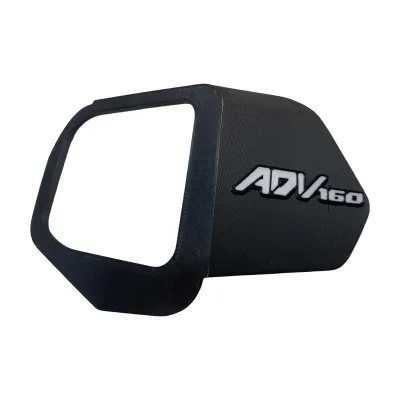
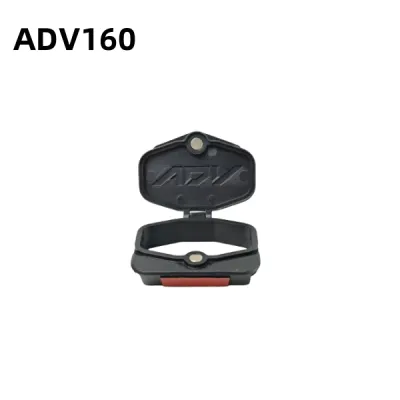
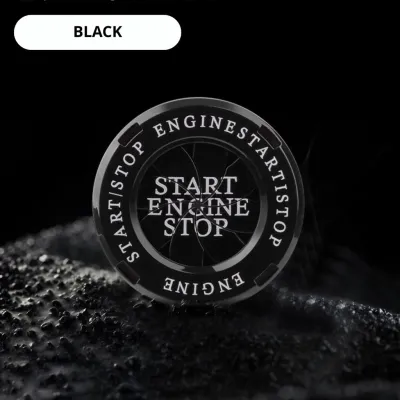
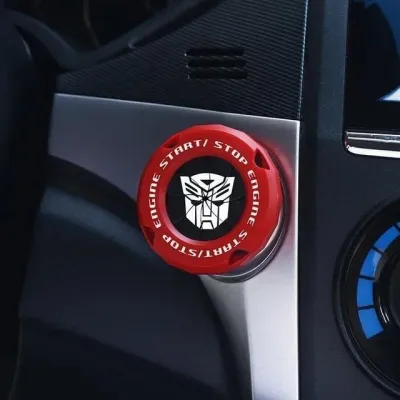
Prices are valid at publication and may change. Please refer to the product page for the latest price.
Physical clearance around the ignition switch is another vital factor that is easily overlooked. The area surrounding your ignition is often crowded with handlebar switches, brake lines, instrument panels, or indicator lights. You must measure the available space around the ignition bezel to ensure that the outer dimensions of the cover do not press against adjacent components. Additionally, the cover must not restrict the full rotation of the key, especially when engaging the steering lock, which requires pushing the key inward and turning it to the far left. Any restriction in this movement can compromise your vehicle’s security or prevent you from starting the engine safely.
Comparing Common Key Cover Materials
Selecting the right material for your ignition key cover involves weighing the trade-offs between flexibility, durability, and weather resistance under tropical conditions. Silicone and rubber covers are highly popular due to their flexibility and cost-effectiveness. These materials excel at stretching over curved fairings and providing a snug, water-resistant seal around the ignition bezel. However, prolonged exposure to intense sunlight and high ambient temperatures in the Philippines can cause silicone to degrade, stretch out, or become sticky over time. If you choose silicone, look for high-density, UV-stabilized formulations that resist environmental breakdown.

Hard plastic and acrylonitrile butadiene styrene (ABS) shells offer a more rigid alternative, providing excellent impact resistance and structural shielding. ABS covers are highly effective at protecting the ignition switch from direct impacts, such as flying gravel or heavy keychains bouncing against the console during rides. These covers are typically molded to match the exact contours of specific motorcycle models, offering a clean, integrated appearance. The primary limitation of hard plastic is its vulnerability to cracking if subjected to overtightened mounting screws or severe impacts, and lower-grade plastics may fade or become brittle under constant UV exposure.
Metal and alloy protectors, often machined from aluminum, represent the most durable option available. These covers offer exceptional physical strength and a premium aesthetic that resists wear, scratches, and weather-induced degradation. However, because metal is completely rigid, it requires precise manufacturing tolerances to fit your ignition bezel perfectly. Furthermore, metal covers must feature soft internal padding, such as a thin rubber or foam backing, to prevent the hard alloy from scratching the bike’s original paint or plastic panels during installation and daily use. Without this protective barrier, engine vibrations can cause the metal cover to rub against the fairings, leading to permanent cosmetic damage.
Building Your Shortlist from Online Marketplaces
When searching for ignition key covers on e-commerce platforms, navigating the sea of generic listings requires a structured approach. Many sellers use broad terms like “universal fit” to attract a wider audience, but these claims are rarely accurate for precise components like ignition surrounds. To minimize the risk of purchasing an incompatible accessory, filter your search results using your motorcycle’s exact model name and year. Carefully cross-reference the product photos with your physical ignition switch, paying close attention to the shape of the keyhole, the position of any mounting screws, and the overall contour of the surrounding fairing.
Examine the seller’s product description for detailed dimensions and the specified mounting mechanism. Ignition covers generally attach using either double-sided adhesive tape or existing factory screws. For adhesive-mounted covers, look for listings that specify the use of high-quality, automotive-grade acrylic foam tape, which is designed to withstand high temperatures and moisture without losing its grip. Read through user reviews specifically looking for feedback on long-term adhesion, color fading, and material degradation under local weather conditions. Photos uploaded by previous buyers can provide valuable clues about the actual product quality and real-world fitment.
Price points for motorcycle ignition key covers in the Philippines typically range from around ₱100 for basic silicone sleeves to ₱500 or more for CNC-machined alloy protectors. While it may be tempting to opt for the cheapest available option, consider the expected lifespan and replacement frequency of the material. A low-cost silicone cover may need to be replaced every few months due to stretching or UV damage, whereas a slightly more expensive ABS or metal cover can last for years. Evaluate the total cost of ownership and choose a product that balances your budget with the level of protection your riding environment demands.
Installation Checks and Safety Boundaries
Proper installation is crucial to ensure that your new ignition key cover performs its protective function without creating safety hazards. Before applying any adhesive-backed cover, you must thoroughly clean the ignition surround to remove all traces of dust, oil, wax, and road grime. Use a mild, surface-safe cleaner authorized for motorcycle plastics, and ensure the area is completely dry before proceeding. Trapping moisture beneath an adhesive cover can lead to corrosion of the underlying metal components or cause the adhesive to fail prematurely, potentially leading to the cover falling off while you are riding.
Once the cover is positioned, perform a series of mechanical checks before starting your engine or taking the motorcycle out on the road. Insert your key and turn it through all positions—including “Off,” “On,” and “Lock”—to verify that the cover does not restrict the key’s rotation or depth. You must be able to engage the steering lock smoothly without having to force the key past the cover’s edges. If you notice any resistance, binding, or difficulty in removing the key, remove the cover immediately and inspect it for misalignment or manufacturing defects.
Safety must always be your primary concern when modifying any component near your motorcycle’s controls. If your motorcycle features a smart key system or an electronic immobilizer, verify that the cover does not block the wireless signal between the key fob and the receiver. If the cover obstructs the magnetic shutter, prevents the steering lock from engaging fully, or obscures vital warning lights on your dashboard, halt the installation immediately. In such cases, consult your motorcycle’s owner’s manual or seek assistance from a qualified mechanic to ensure that your accessories do not compromise the vehicle’s electrical or security systems.
Frequently Asked Questions (FAQ)
Will a key cover interfere with my motorcycle's immobilizer or smart key system?
Most silicone, rubber, and plastic ignition covers will not interfere with electronic immobilizers or smart key systems, as these materials do not block radio frequency signals. However, metal or alloy covers can potentially shield or weaken the signal between your key fob and the motorcycle’s receiver, leading to detection issues. If your bike uses a smart key or an immobilizer system, it is highly recommended to choose non-metallic materials or verify that the metal cover is specifically designed with an opening that leaves the sensor area unobstructed.
How do I clean and maintain a silicone or rubber ignition cover?
To clean a silicone or rubber cover, gently wipe it with a soft microfiber cloth dampened with mild soapy water. Avoid using harsh chemical solvents, degreasers, or abrasive scrubbing pads, as these can degrade the material, strip away protective coatings, or cause the color to fade. After cleaning, dry the cover thoroughly with a clean cloth to prevent water from pooling near the keyhole. Regularly inspect the cover for signs of cracking, stretching, or peeling adhesive, and replace it promptly if it no longer provides a secure fit.
Community discussion
Share your experience or ask a question. Comments are reviewed before publication.