
Finding the best motorcycle plate holder in the Philippines is not a matter of picking a single, universally perfect product. Instead, the ideal choice depends entirely on your motorcycle’s specific rear-end geometry, mounting points, fender structure, and strict adherence to Land Transportation Office (LTO) display regulations. A holder that works seamlessly on a sleek sportbike might be completely incompatible with a daily commuter scooter or a rugged underbone. To make a safe and legal purchase, you must evaluate how a bracket interacts with your bike’s physical design while keeping your license plate fully visible to law enforcement. This guide provides a structured framework to help you assess fitment, material durability under tropical conditions, and legal compliance across various motorcycle categories.
Understanding LTO Plate Display Requirements
The Land Transportation Office (LTO) enforces strict guidelines regarding how license plates must be displayed on all motor vehicles, including motorcycles. The primary mandate is absolute visibility: the plate must be positioned where its alphanumeric characters, regional stickers, and official security features are completely unobstructed. Using a plate holder that covers any portion of the letters, numbers, or official seals can lead to immediate traffic citations and significant fines during roadside inspections.
Mounting height and angle are equally critical factors under local traffic laws. The license plate must be mounted securely at the rear of the vehicle, positioned along the longitudinal centerline, and angled so that it is clearly readable from a straight-rear perspective. If a plate is angled too far upward or tucked deeply into the wheel well, it becomes obscured from view. This is particularly common when riders install aggressive aftermarket brackets that do not position the plate far enough back to clear the rear tire, exhaust pipe, or any mounted luggage.
Products mentioned in this guide
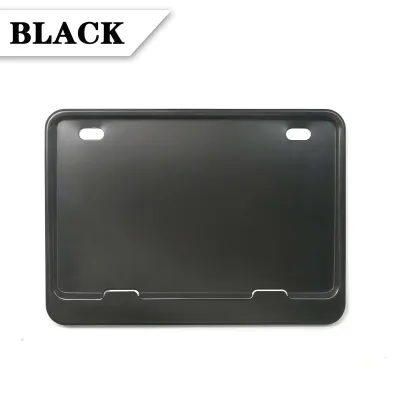
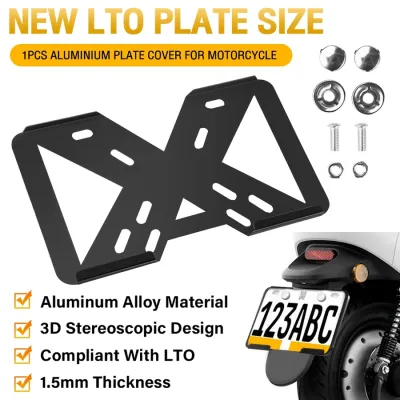
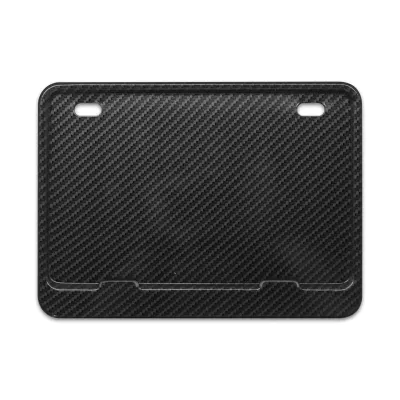
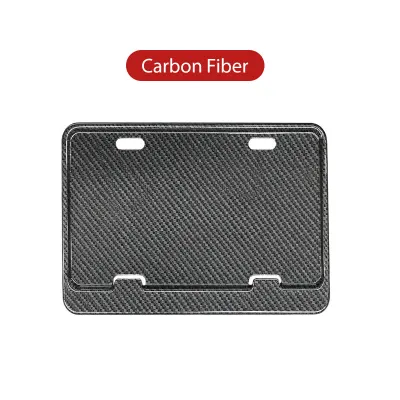
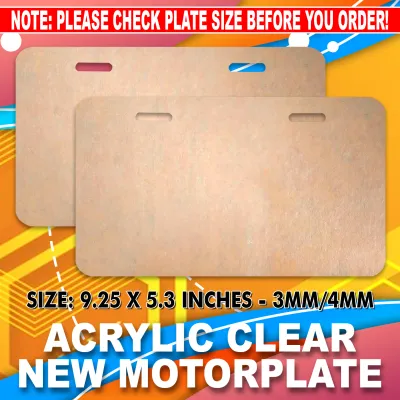
![[Fast Delivery] plate holder motorcycle back and front protector cover stainless 304 & clear acrylic material](https://img.lazcdn.com/g/p/c4afb2c9e1e48b182e72f12fef6c08ee.jpg_400x400q80.jpg_.webp)
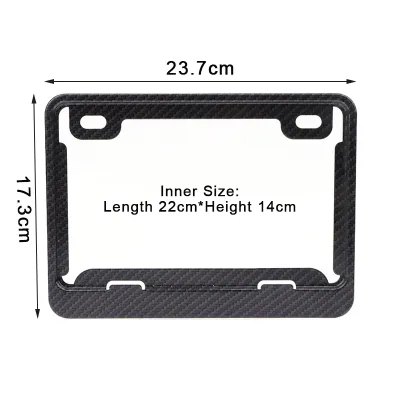
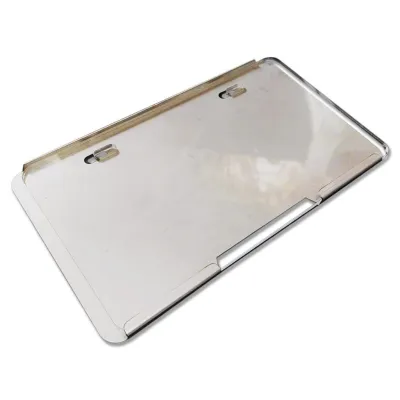
Prices are valid at publication and may change. Please refer to the product page for the latest price.
Extreme “tail tidy” modifications present a high risk of non-compliance in the Philippines. While these minimalist brackets clean up the rear profile of the motorcycle by removing the bulky factory fender, they often tuck the plate too high under the tail section. Before purchasing a heavily modified bracket, you must verify current local traffic regulations and LTO memorandums. If the modification prevents a clear, unobstructed view of the plate from a standard trailing distance, traffic enforcers may deem the vehicle’s plate improperly displayed, resulting in costly penalties and potential impoundment.
Additionally, you must maintain a functional license plate light. If your installation process requires removing the original factory fender housing, which often contains the stock license plate light, you must ensure the replacement holder features an integrated, functional light or provides a secure mounting point for the original light assembly. Operating a motorcycle at night without a dedicated light illuminating the rear plate is a clear violation of national safety standards and significantly increases your chances of being flagged down at checkpoints.
Key Selection Criteria for Motorcycle Plate Holders
When evaluating different plate holders, material composition and weather resistance should be your primary considerations. The Philippine climate presents harsh operating conditions, characterized by intense tropical heat, high humidity, and prolonged exposure to heavy rainfall during the wet season. Standard steel brackets without proper surface treatment will quickly succumb to rust, which can weaken the structure and eventually cause the plate to fall off while riding. Look for product specifications that detail the use of marine-grade stainless steel, high-grade anodized aluminum, or UV-stabilized heavy-duty plastics. Anodized finishes provide an extra layer of defense against oxidation, ensuring the bracket retains its structural integrity and aesthetic appeal over years of exposure.

The mounting mechanism of the holder dictates how easily it can be integrated with your motorcycle. Bolt-on designs are generally the most reliable and straightforward, as they are engineered to align directly with the factory mounting holes on your bike’s rear subframe or fender. Clamp-style attachments offer flexibility for custom setups but may require frequent tightening to prevent slippage. Full fender-eliminator kits, or tail tidies, offer a highly integrated look but often require altering original equipment manufacturer (OEM) parts. Before choosing a kit, check the manufacturer’s instructions to see if installation requires permanent modifications like drilling into the plastic bodywork or cutting structural subframe components, which can void your vehicle’s warranty.
Vibration resistance is another critical factor that directly impacts both safety and durability. Motorcycles, especially single-cylinder models common in the commuter market, generate significant high-frequency vibrations that can fatigue metal brackets over time. A poorly designed holder without vibration-dampening features can develop stress cracks, leading to sudden failure on the road. To prevent this, prioritize holders that incorporate integrated rubber grommets, anti-vibration pads, or reinforced gussets at key stress points. These features absorb road shock and engine harmonics, keeping the plate stable, preventing it from rattling against the frame, and ensuring the characters remain legible on traffic cameras.
Finally, consider the utility of integrated features. High-quality plate holders often do more than simply hold the metal plate; they may include built-in LED license plate lights, dedicated reflector mounts, or brackets to relocate your factory turn signals. While these features help maintain legal compliance, they also introduce additional electrical complexity. You must evaluate whether your motorcycle’s electrical system can support these additions and ensure you have the necessary tools and knowledge to perform the required wiring checks safely.
Matching Plate Holders to Your Motorcycle Type
Selecting a compatible plate holder requires a clear understanding of your motorcycle’s rear-end geometry. The design of the rear subframe, the material of the rear fender, and the travel distance of the rear suspension all dictate which mounting strategy will work safely. Always verify your vehicle’s exact model, year, mounting interface, and dimensions from the manufacturer’s official documentation rather than assuming compatibility based on a generic category term.
Scooters and Automatic Commuters
Daily commuter scooters and maxi-scooters present unique mounting challenges due to their extensive plastic bodywork and curved rear fenders. Unlike motorcycles with exposed metal subframes, scooters often rely on flexible plastic panels to support the rear license plate. Installing a heavy metal bracket on a thin plastic fender can cause the plastic to flex, crack, or sag over time under the weight of the plate and the force of wind resistance. For these models, look for holders with contoured base plates that distribute the weight evenly across a larger surface area, or adjustable angle brackets that can be tailored to match the specific curve of the scooter’s tail.
Clearance is another vital check for automatic scooters, particularly those equipped with central mono-shock suspensions or dual rear shocks that allow for significant vertical wheel travel. You must verify that the plate holder, when fully loaded with the license plate, does not interfere with the rear tire’s upward movement when the suspension compresses over bumps or potholes. A bracket mounted too low or at an incorrect angle can strike the tire, damaging both the plate and the tire tread, and potentially causing a loss of control. Additionally, ensure the bracket does not block the main taillight assembly or obstruct the rear grab rails, which are essential for passenger safety and maneuvering the bike while parked.
Underbone and Semi-Automatic Bikes
Underbone motorcycles, which are incredibly popular for daily commuting and utility work in the Philippines, typically feature long, prominent rear fenders made of hard plastic or pressed metal. Because these fenders are designed to block road spray during heavy downpours, they provide a stable, vertical mounting surface. However, before purchasing a replacement bracket, you must measure the original equipment manufacturer (OEM) bolt hole spacing on your fender. Many aftermarket plate holders are designed with fixed hole patterns that may not align with your specific underbone model, requiring you to drill new holes which can weaken the fender structure.
While some riders prefer extension brackets that push the plate further outward or downward, you should avoid excessively long brackets. In heavy, congested traffic common in Philippine urban areas, a plate holder that protrudes too far backward is highly susceptible to being struck by other vehicles, clipped by passing handlebars, or damaged when parking in tight spaces. Furthermore, if you choose a holder that places significant leverage on the very tip of a flexible plastic fender, the constant bouncing motion can cause material fatigue. In such cases, check if you need to install supplementary support struts to reinforce the fender and prevent the entire assembly from snapping off.
Sport, Naked, and Touring Motorcycles
Performance-oriented sportbikes, naked motorcycles, and long-distance touring bikes often feature minimalist rear profiles, making fender-eliminator kits (commonly known as tail tidies) a highly sought-after upgrade. If you are planning to install a tail tidy, you must verify that the kit includes all the necessary hardware and brackets to relocate your factory turn signals and the license plate light. Removing the bulky stock fender without relocating these safety components is highly dangerous and illegal.
When installing a minimalist bracket on a sport or naked bike, pay close attention to the final mounting angle. The aggressive, upward-sloping tail sections of these motorcycles can tempt riders to mount the plate at a steep angle that tucks it deep under the seat. You must resist this setup, as it violates LTO visibility rules and invites immediate law enforcement scrutiny. Ensure the bracket allows you to adjust and lock the plate at a compliant, clearly visible angle. Additionally, always consult your motorcycle’s service manual before removing any OEM structural fender supports, as some factory fenders also serve as mounting points for internal electronics or provide structural rigidity to the rear subframe.
Installation, Safety, and Maintenance Checks
Before beginning the installation of your new plate holder, perform a thorough pre-installation verification. Check the bolt thread pitches and lengths of the hardware provided in the kit against your motorcycle’s factory mounting points. Using bolts that are too long can damage underlying components, such as wiring harnesses or the underside of the seat, while bolts that are too short will not provide enough thread engagement to hold securely. Always refer to your vehicle’s documentation for correct torque specifications, and apply a medium-strength thread-locking compound to the bolt threads. This compound prevents the hardware from gradually backing out due to engine and road vibrations, which is a primary cause of lost license plates.
Electrical safety is paramount if your new plate holder features an integrated LED license plate light or requires relocating your turn signals. Because modifying your motorcycle’s lighting and rear structure can impact road legality and electrical safety, always consult your original-vehicle instructions. Never attempt to wire these components by simply twisting bare wires together and wrapping them in electrical tape; this practice is highly susceptible to moisture intrusion, corrosion, and short circuits. Instead, tap into the correct OEM wiring harness using high-quality, waterproof crimp connectors or solder joints protected by marine-grade heat shrink tubing. Verify your motorcycle’s fuse capacities to ensure the additional lighting does not overload the circuit, and carefully route the wires away from moving parts like the rear suspension or hot components like the exhaust. If the wiring diagram is unclear or if you are uncomfortable working with your bike’s electrical system, recognize the safety boundaries and seek qualified professional installation before proceeding.
Once installed, establish a routine inspection schedule to maintain the structural integrity and legal compliance of your plate holder. Every few weeks, or after riding on particularly rough roads, visually inspect the bracket for signs of metal fatigue, hairline stress cracks, or surface rust. Check that all mounting bolts remain tight and that the license plate itself is clean, free of road grime, and securely fastened to the holder. In the tropical Philippine climate, road salt near coastal areas and acidic rain can accelerate corrosion, making regular cleaning and inspection even more critical.
You must know when to stop using a plate holder and replace it immediately. If you observe severe corrosion that compromises the structural integrity of the mounting points, or if the bracket has bent or cracked under normal operating loads, cease riding the motorcycle until a replacement is installed. Furthermore, if you notice exposed wiring, melted insulation, or flickering lights, disconnect the accessory immediately to prevent a short-circuit risk that could damage your motorcycle’s main electrical system or cause a fire.
Where to Source and Verify Compatibility
To ensure you receive a high-quality product that fits your motorcycle perfectly, prioritize sourcing from brand official stores, authorized motorcycle dealerships, and specialized local accessory shops. These sellers are more likely to provide verified fitment lists that match specific makes, models, and production years. They can also offer valuable advice on whether a particular bracket requires modifications to your bike’s original bodywork.
When browsing online marketplaces or ecommerce platforms, you must evaluate product listings critically. Avoid relying solely on generic search terms like “universal plate holder for motorcycle,” as these products often lack the precise dimensions needed for a secure fit. Instead, cross-reference the seller’s compatibility charts and product descriptions with your exact motorcycle variant and model year. Read customer reviews carefully, looking for feedback from other riders who own the same motorcycle model, to identify any potential installation challenges or quality issues.
Before finalizing your purchase, check the seller’s return and exchange policies, specifically regarding fitment issues. Minor manufacturing tolerances or slight design variations between different model years can sometimes result in misaligned bolt holes, making a return policy essential. Finally, avoid purchasing ultra-cheap, unbranded “universal” holders that lack clear material specifications or installation instructions. These low-cost alternatives, often priced under ₱300, are frequently made from brittle, low-grade metals that fail quickly under vibration, and they often require destructive modifications to your motorcycle’s frame or bodywork to install. Budgeting between ₱500 and ₱2,000 for a high-quality, model-specific bracket is a much safer and more cost-effective approach.
Frequently Asked Questions (FAQ)
Can I use a universal plate holder for any motorcycle? (FAQ)
While universal plate holders are widely available, they are rarely a perfect fit for every motorcycle. These generic brackets typically feature multiple pre-drilled slots designed to accommodate various bolt patterns, but they often require you to drill new holes into your motorcycle’s plastic fender or metal subframe to secure them properly. This drilling can weaken the structural integrity of your fender and may void your vehicle’s manufacturer warranty. Furthermore, universal flat brackets seldom conform to the complex, aerodynamic curves of modern motorcycle bodywork, which can lead to persistent rattling, poor alignment, and an unfinished aesthetic. For a secure, vibration-resistant, and legally compliant installation, choosing a model-specific bracket is always the safer and more cost-effective choice in the long run.
Is it legal to relocate the license plate to the side of the motorcycle? (FAQ)
Under Land Transportation Office (LTO) regulations in the Philippines, relocating your license plate to the side of the motorcycle is generally not permitted. The LTO mandates that the license plate must be mounted on the rear longitudinal centerline of the vehicle, ensuring it is clearly visible and readable from a straight-rear perspective. Side-mounted plates, which are popular on custom cruiser or cafe racer builds, fail to meet these strict visibility standards because they are easily obstructed by the rear wheel, exhaust pipes, or the rider’s leg from certain angles. Operating a motorcycle with a side-mounted plate increases your risk of being apprehended by traffic enforcers, facing heavy fines, and encountering difficulties during your annual vehicle registration renewal.
Do I need to wire the plate holder light directly to the battery? (FAQ)
You should never wire an integrated license plate light directly to your motorcycle’s battery. Doing so bypasses the motorcycle’s ignition switch and safety fuses, meaning the light will remain on constantly even when the engine is turned off, eventually draining your battery. More importantly, direct-to-battery wiring without an inline fuse creates a severe fire hazard if a short circuit occurs. Instead, you must connect the plate holder light to your motorcycle’s existing license plate light harness or splice it into the rear taillight circuit. This ensures that the plate light turns on and off automatically with your running lights. Always use waterproof connectors and heat shrink tubing to protect these electrical connections from water intrusion and road vibration.

Community discussion
Share your experience or ask a question. Comments are reviewed before publication.