
Finding the right motorcycle plate number holder in the Philippines is more than just an aesthetic choice; it is a practical necessity for every rider navigating local roads. The combination of intense tropical weather, frequent monsoon rains, and varied road conditions means that a flimsy or poorly mounted plate holder can quickly lead to cracked plates, lost registration markers, or even costly traffic citations. A high-quality plate holder secures your license plate firmly to the chassis, protects it from constant engine vibrations, and ensures that your vehicle remains fully compliant with national road safety standards.
When selecting a plate holder, riders must balance several critical factors, including legal compliance with the Land Transportation Office (LTO), material durability, mounting compatibility, and ease of maintenance. Whether you ride a daily commuter underbone, a versatile automatic scooter, or a high-displacement highway cruiser, understanding how these components interact with your motorcycle’s design will help you make an informed purchase. By focusing on structural integrity and proper installation, you can avoid common pitfalls such as lost plates, damaged fenders, and unexpected fines from law enforcement officers.
Legal Compliance and LTO Regulations
In the Philippines, the Land Transportation Office (LTO) maintains strict guidelines regarding the display, visibility, and illumination of motor vehicle license plates. The primary rule is that the plate must be clearly visible from the rear of the vehicle at all times, completely unobstructed by any accessories, brackets, or frame elements. This means that the plate holder must not cover any of the alphanumeric characters, the official security holograms, or the regional markings printed on the plate. Furthermore, tilting the plate at an extreme angle—often seen in aggressive tail-tidy modifications—is a common cause for traffic stops, as it prevents law enforcement cameras and officers from reading the registration details clearly.
Products mentioned in this guide
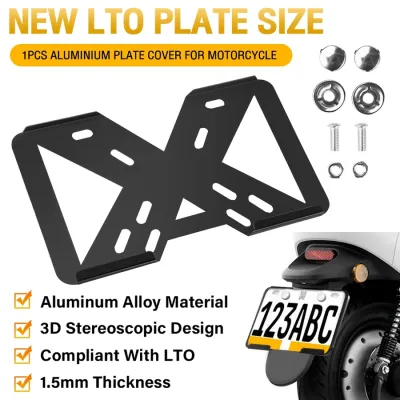
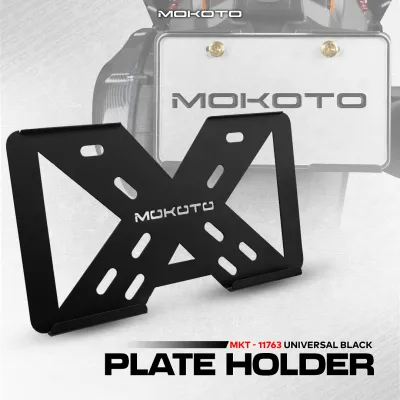
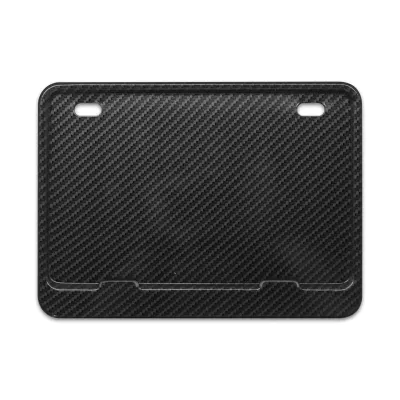
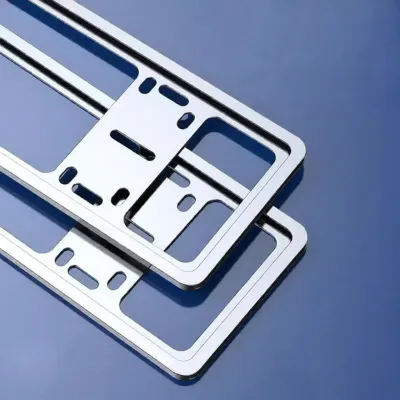
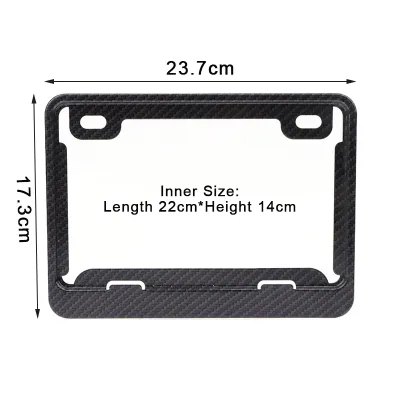
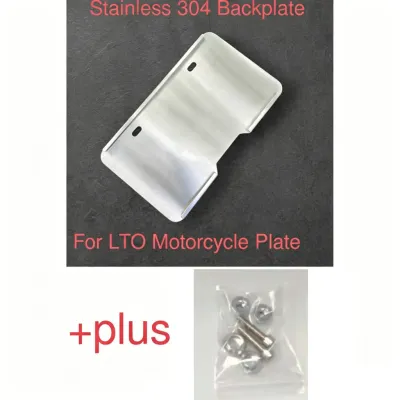
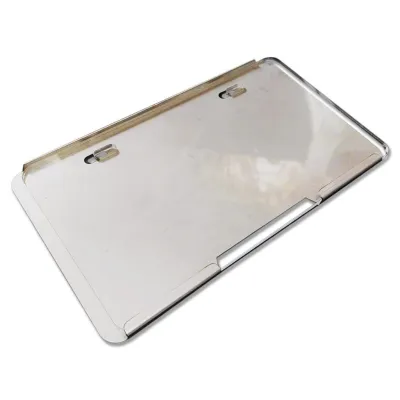
Prices are valid at publication and may change. Please refer to the product page for the latest price.
Another critical aspect of compliance is proper illumination. National traffic regulations require that the rear license plate be illuminated by a dedicated white light whenever the motorcycle’s headlights are turned on. If you choose an aftermarket plate holder or a tail-tidy kit that relocates the plate away from the factory light source, you must ensure that the new setup includes a compliant light source. Additionally, local government units (LGUs) and specific municipal traffic enforcers may have localized guidelines regarding fender modifications and mudguards. Before making any permanent changes to your motorcycle’s rear section, it is highly recommended to verify the current enforcement trends in your primary riding areas.
If a plate holder installation requires cutting the original rear fender, modifying the structural subframe, or splicing into the main electrical wiring harness, you should stop and consult your motorcycle’s original equipment manufacturer (OEM) manual or a certified mechanic. Unauthorized structural modifications can compromise the safety of the passenger seat and may void your vehicle’s manufacturer warranty. Keeping the mounting system as close to the OEM specifications as possible is always the safest path to avoiding both mechanical failure and legal penalties on the road.
Comparing Common Materials for Plate Holders
The choice of material directly dictates how well a plate holder will perform over years of daily exposure to the elements. The three most common materials used in the Philippine market are stainless steel, aluminum, and ABS plastic, each offering distinct advantages and trade-offs.

Stainless steel is highly regarded for its exceptional structural rigidity and superior resistance to mechanical wear. It is heavy enough to provide a solid backing for the license plate, which helps minimize high-frequency vibrations that can cause metal fatigue in the plate itself. For riders who frequently travel on unpaved roads or rough provincial highways, stainless steel offers the durability needed to resist impacts from kicked-up stones and debris. However, its weight can put additional stress on lightweight plastic fenders, potentially leading to cracks in the fender itself if not properly reinforced.
Aluminum plate holders are a popular alternative, offering a lightweight profile and excellent natural resistance to rust. High-quality aluminum holders are typically CNC-machined from structural alloys, such as 6061-T6 aluminum, and finished with an anodized or powder-coated layer to prevent oxidation. While aluminum is lighter than stainless steel, reducing the load on the rear mudguard, lower-grade aluminum alloys can be brittle and prone to stress cracking over time when subjected to continuous engine vibrations.
ABS plastic holders are the most lightweight and cost-effective option available. They are completely immune to rust and chemical corrosion, making them highly suitable for coastal areas where salt-laden air accelerates the decay of metal components. However, ABS plastic is vulnerable to prolonged exposure to intense tropical sunlight. Over time, ultraviolet (UV) radiation can degrade untreated plastic, making it brittle and susceptible to cracking under minor impacts or when tightening the mounting bolts.
To verify the material claims of a plate holder before purchasing, riders should carefully inspect product labels and manufacturer specifications. When shopping on online marketplaces or at local accessory shops, look for detailed descriptions that specify the exact alloy grade or UV-stabilization treatments. Reading user reviews that detail long-term durability—especially those written by riders who have used the product through both the dry and wet seasons—can provide valuable insights into how the material holds up under real-world Philippine riding conditions.
Mounting Styles and Fender Compatibility
Motorcycle plate holders generally fall into two main categories based on their mounting style: traditional fender-mounted holders and tail-tidy or bracket-mounted systems. Traditional fender-mounted holders attach directly to the stock rear mudguard, keeping the plate in its factory-designated position. This setup ensures that the plate remains at the optimal height and angle for maximum visibility and mud protection. The primary drawback is that stock fenders can sometimes look bulky, leading some riders to seek more streamlined alternatives.
Tail-tidy kits and bracket-mounted holders relocate the license plate higher up, closer to the rear seat or subframe, often eliminating the bulky stock mudguard entirely. While this modification significantly enhances the sporty aesthetic of the motorcycle, it can alter the bike’s protection against road spray. Without a proper rear fender, water, mud, and road grime can be thrown upward onto the rider’s back, the passenger seat, and the rear lighting assemblies. This is a particularly important consideration during the monsoon season in the Philippines, where flooded streets and heavy downpours are common.
When choosing between universal and model-specific plate holders, compatibility is key. Universal plate holders feature slotted mounting holes designed to accommodate a wide range of bolt spacings. However, “universal” does not guarantee a direct fit. Riders must measure the exact distance between the mounting holes on their motorcycle’s fender and compare it to the dimensions of the holder. Additionally, the curvature of the fender must match the mounting plate; forcing a flat metal holder onto a curved plastic fender can distort the plastic and lead to premature cracking.
Before finalizing any mounting style, perform a thorough clearance check. Ensure that the plate holder and the license plate itself do not interfere with the rear tire’s travel, even when the rear suspension is fully compressed under the weight of a passenger or heavy cargo. The holder must also not block or obscure the rear turn signals, the main taillight, or the side reflectors, as maintaining clear visibility of these safety components is vital for night riding and passing vehicle inspections.
Evaluating Features and Build Quality
A high-quality plate holder is defined by its attention to detail and structural features designed to withstand the harsh riding environment. One of the most critical features to look for is vibration resistance. Single-cylinder engines, which power the vast majority of underbones and scooters in the Philippines, produce significant high-frequency vibrations that travel directly through the frame to the rear fender. Over time, these vibrations can cause the license plate to rattle against the holder, leading to annoying noise and eventually causing the plate to crack around its mounting holes. Look for plate holders that incorporate rubber grommets, dampening pads, or a full-sized backing plate that supports the entire surface area of the license plate to absorb these vibrations.
Integrated safety features are another hallmark of a well-designed plate holder. The holder should feature dedicated mounting points for a red rear reflector and provisions for a license plate light. Some premium models come with integrated LED light strips that are pre-wired and sealed against water intrusion. Ensuring that these components are built into the design makes it much easier to maintain compliance with national safety standards without having to fabricate custom brackets or wiring solutions.
Inspect the edge finishing and surface treatments of the holder before purchase. High-quality metal holders feature chamfered or rounded edges that prevent the metal from cutting into the plastic fender or scratching the paint during installation. The surface finish—whether it is powder coating, anodizing, or chrome plating—should be uniform and free of blemishes. A durable surface treatment is essential for preventing rust and corrosion, especially when the holder is constantly exposed to road debris, mud, and water kicked up by the rear tire.
Installation Safety and Maintenance
Installing a motorcycle plate holder is a straightforward task, but it requires careful attention to safety and proper mechanical practices to ensure long-term reliability. Before beginning any installation that involves relocating or replacing the license plate light, always disconnect the motorcycle’s negative battery terminal. This simple step prevents accidental short circuits that could damage the motorcycle’s electrical system or blow fuses.
When securing the plate holder to the fender or subframe, always use a medium-strength threadlocker (commonly referred to as blue threadlocker) on the mounting bolts. The constant vibrations of riding can easily cause standard nuts and bolts to back out over time, leading to a lost plate or a loose bracket. Additionally, use a torque wrench to tighten all fasteners to the manufacturer’s specified torque values. Over-tightening bolts on plastic fenders can easily crack the plastic, while under-tightening can lead to excessive vibration and eventual component failure.
Proper wiring management is crucial if your new plate holder includes an integrated light. Route the electrical wires carefully along the frame or inside the fender, ensuring they are kept clear of moving parts like the rear tire, suspension linkage, and hot exhaust components. Use protective plastic conduit or heat-shrink tubing to shield the wires from moisture and road debris, and secure the harness firmly with UV-resistant zip ties. Avoid using electrical tape as a permanent sealing method, as it tends to unravel when exposed to heat and moisture.
Routine maintenance is essential for keeping your plate holder secure and looking its best. During your regular motorcycle cleaning, take a few moments to inspect the plate holder for any signs of loose fasteners, rust, or stress cracks. Pay close attention to the areas around the mounting holes, as these are the most common failure points. Clean the holder using mild soap and water; avoid using harsh chemical solvents or abrasive scrubbers that can damage anodized coatings or degrade plastic components. If you notice any signs of structural wear or deep rust, replace the affected parts immediately to prevent the license plate from detaching while riding.
Frequently Asked Questions (FAQ)
Can I use a universal plate holder on any motorcycle?
While universal plate holders are designed with slotted mounting holes to fit a wide variety of motorcycles, they are not guaranteed to be a direct, plug-and-play fit for every model. Some motorcycles have unique fender shapes, curved mounting surfaces, or non-standard bolt spacings that may require the use of custom adapter brackets or the drilling of new holes in the plastic fender. Before purchasing a universal holder, always measure the exact distance between the mounting holes on your motorcycle’s rear fender and compare them to the specifications of the product. If the installation requires drilling or modifying structural components, it is best to consult a professional mechanic to ensure the structural integrity of the fender is maintained.
Do I need a special light for my license plate holder?
Yes, national traffic regulations in the Philippines require that the rear license plate be clearly illuminated by a white light whenever the vehicle’s headlights are active. If your aftermarket plate holder or tail-tidy kit relocates the plate away from the stock light source, you must install a compliant white LED or halogen plate light to remain legally compliant. Many high-quality aftermarket plate holders come with integrated, water-resistant LED lights designed specifically for this purpose. When installing an aftermarket light, ensure that the wiring is properly insulated, routed away from moving parts, and securely connected to the motorcycle’s auxiliary power circuit to prevent electrical faults.

Community discussion
Share your experience or ask a question. Comments are reviewed before publication.