
Riding a motorcycle at night in the Philippines presents a unique set of challenges, from poorly lit provincial highways to sudden tropical downpours that severely reduce road visibility. To stay safe, relying solely on your motorcycle’s headlight and tail light is often not enough. A high-quality motorcycle reflectorize vest serves as a critical line of passive defense, ensuring that other motorists can spot you from a distance. Choosing the right vest involves evaluating how its materials perform under headlight beams, how well it handles intense tropical humidity, and how securely it fits over your existing riding gear without flapping at high speeds.
Assessing Your Night Riding Visibility Needs
Navigating roads after dark requires a keen understanding of local infrastructure and traffic behavior. Many secondary roads and provincial highways lack consistent street lighting, leaving riders to navigate in near-total darkness. During the monsoon season, sudden heavy downpours can instantly compromise visibility, turning windshields and helmet visors into blurry sheets of water. In these conditions, mixed traffic—ranging from large commercial trucks to small tricycles with dim or improperly aligned headlights—creates a chaotic visual environment where a motorcycle can easily blend into the background.
Understanding the distinction between active lighting and passive retroreflection is fundamental to your safety strategy. Your motorcycle’s headlights and auxiliary lights are active light sources, projecting a beam forward to illuminate the road ahead. However, these lights do not make you visible to vehicles approaching from the sides or rear unless they are directly in the line of sight. Passive retroreflective materials on a vest work by capturing the light emitted from other vehicles’ headlights and bouncing it directly back to the source. This retroreflective property ensures that even if a driver is approaching from an angle, your silhouette becomes highly visible as soon as their headlights sweep across your body.
Products mentioned in this guide
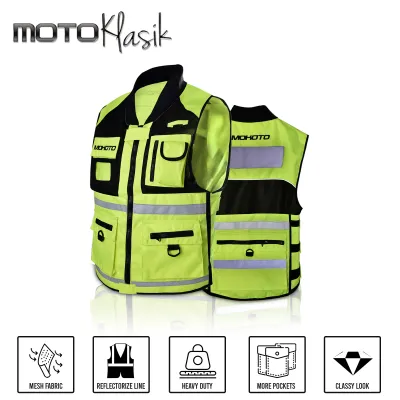
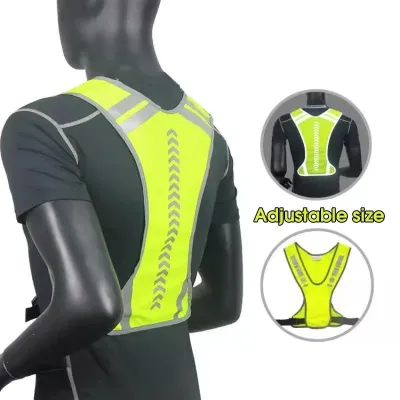
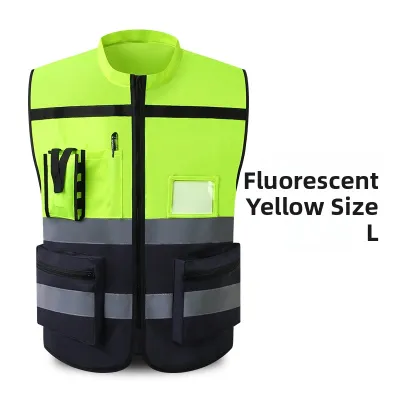
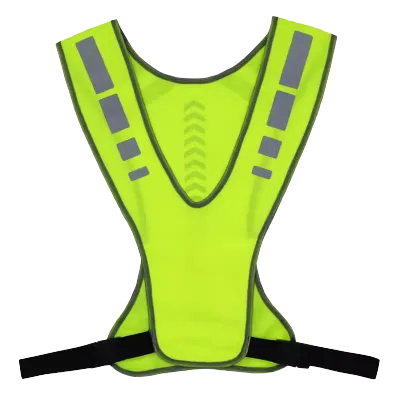
Prices are valid at publication and may change. Please refer to the product page for the latest price.
The height and angle of headlights from different vehicle types significantly influence how well your reflective vest performs. Low-slung sedans project light at a lower angle, which easily illuminates reflective strips positioned around your waist and lower torso. Conversely, high-clearance sports utility vehicles, public utility vehicles, and large cargo trucks project light from a much higher vantage point. If your reflective vest only features retroreflective elements on the lower hem, drivers in these taller vehicles might fail to see you in close-quarters traffic. To counter this, a proper motorcycle vest must distribute reflective elements across your upper chest, shoulders, and upper back, ensuring visibility regardless of the approaching vehicle’s height.
Checking Essential Safety and Material Features
When shopping for a motorcycle reflectorize vest on an online marketplace or at a local riding gear shop, inspecting the technical specifications of the retroreflective elements is your first priority. High-quality vests utilize specialized retroreflective tape that is wide enough to catch and return a substantial amount of light. Look for tape that is at least 50 millimeters (approximately two inches) wide. This width is standard for high-visibility safety wear and provides a large enough surface area to be seen from hundreds of meters away. The placement of these strips should form a continuous pattern around your torso, creating a 360-degree profile that prevents any blind spots when viewed from the front, back, or sides.

The base fabric of the vest plays a dual role in daytime and nighttime safety, and understanding how contrast works is key to making the right choice. Fluorescent background colors, such as high-visibility yellow-green or bright orange, are exceptionally effective during daylight hours and twilight because they react with ultraviolet light to appear brighter than their surroundings. However, once complete darkness sets in, these fluorescent colors lose their glowing effect because there is no ambient UV light to activate them. For purely nighttime riding, a dark or black base fabric paired with premium, high-intensity retroreflective strips can be highly effective, as the stark contrast between the dark fabric and the brilliant white or silver reflection makes your outline pop. If you ride frequently during both day and night, a hybrid design featuring a fluorescent base with wide, high-grade reflective strips offers the most versatile protection.
Given the tropical climate, the physical properties of the base fabric are just as important as its visibility features. Riding in high humidity and warm temperatures means that a heavy, non-breathable vest will quickly trap body heat, leading to discomfort and fatigue. You should verify that the manufacturer specifies the use of lightweight, moisture-wicking, and highly breathable materials. Mesh fabrics are particularly well-suited for local conditions, as they allow air to flow freely through the vest, keeping you cool even during slow-moving traffic in urban centers. Additionally, look for quick-drying capabilities; a vest that absorbs water and stays damp during a sudden downpour will become heavy, uncomfortable, and prone to developing mold or unpleasant odors over time.
Matching Vest Styles to Your Riding Gear
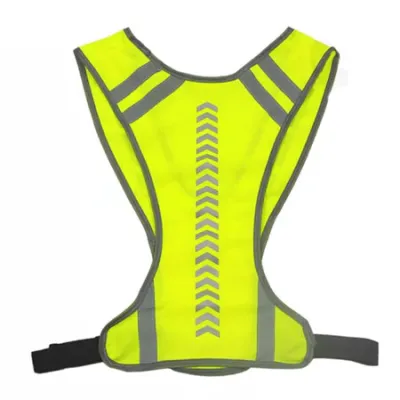
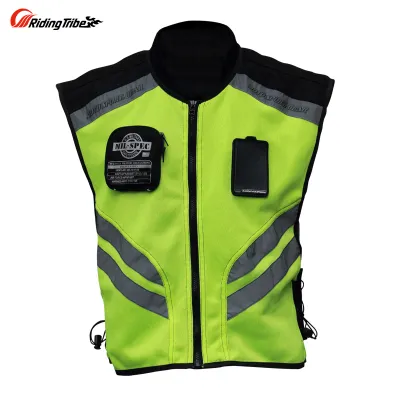
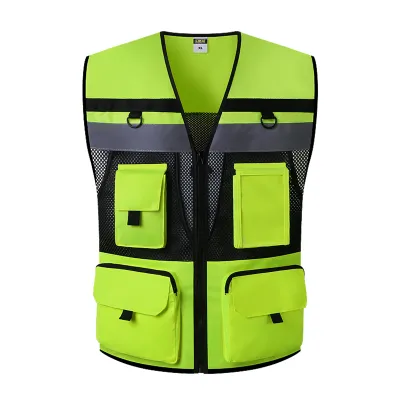
A reflective vest must integrate seamlessly with your existing riding wardrobe to ensure you do not compromise on physical protection for the sake of visibility. There are three primary styles of reflective vests available: full mesh vests, solid fabric vests, and harness-style (or suspender) vests. Full mesh vests are highly favored for tropical riding because they offer maximum ventilation while providing a large surface area for reflective strips. Solid fabric vests offer more durability and often include practical pockets, but they can restrict airflow if worn over a heavy armored jacket. Harness-style vests, which consist of adjustable elastic straps, provide minimal coverage but offer excellent airflow and can easily stretch over any type of jacket or body armor.
When selecting a style, it is crucial to ensure that the vest does not restrict your range of motion or interfere with your control of the motorcycle. During dynamic riding, you must be able to perform rapid shoulder checks, lean into turns, and reach the handlebars comfortably. A vest that is too tight or poorly cut can bind around the armpits and shoulders, limiting your mobility. Furthermore, check the collar area of the vest; it should sit low enough so that it does not rub against the bottom of your helmet or interfere with your chin strap. Similarly, the lower hem should not bunch up or catch on your riding pants or belt when you transition between sitting and standing positions.
To accommodate different layering needs throughout the year, look for vests that feature adjustable side straps, elastic expansion panels, or hook-and-loop closures. During the cooler months or when riding through high-altitude areas like Baguio, you might wear a thicker, armored jacket underneath your vest. Conversely, during hot summer days, you might opt for a lightweight mesh jacket or a simple long-sleeved shirt. A vest with adjustable side panels allows you to customize the fit, ensuring that it remains snug and secure regardless of what you are wearing underneath. This adjustability also prevents the vest from becoming too loose, which can lead to safety hazards at higher speeds.
Verifying Fit, Comfort, and Aerodynamics
Before finalizing your purchase, it is essential to evaluate how the vest behaves under actual riding conditions, particularly regarding aerodynamics and wind resistance. At highway speeds, loose fabric can act like a sail, catching the wind and creating significant drag. This aerodynamic drag not only increases rider fatigue over long distances but can also cause the vest to flap violently. Excessive flapping generates distracting noise and can even buffet your shoulders, affecting your stability and concentration. Look for a vest with a tailored, contoured fit that hugs your torso closely, minimizing any excess material that could catch the wind.
The fastening mechanisms of the vest—such as zippers, velcro strips, or plastic buckles—must be robust and strategically positioned. Ensure that all zippers are of high quality and feature locking sliders that prevent them from creeping open under wind pressure. Velcro closures should be wide and securely stitched to prevent them from peeling apart at high speeds. Additionally, pay close attention to the placement of any hard plastic or metal hardware. Buckles and zipper pulls should be covered or positioned away from the lower front of the vest to prevent them from scratching your motorcycle’s fuel tank or fairings when you lean forward into a riding position.
A practical way to test the fit of a vest is to wear it over your typical riding gear and perform a series of physical movements. Mimic the actions of a shoulder check by turning your head fully to both sides; the vest should not pull or shift across your chest. Raise your arms to simulate reaching for high handlebars, and lean forward as if tucking in on a highway. Throughout these movements, the vest should remain firmly anchored in place. If the vest rides up toward your chest or twists out of alignment, it indicates that the fit is incorrect or that the adjustment straps need to be tightened. A vest that shifts out of place can obscure the reflective strips, defeating its primary safety purpose.
Maintaining Reflective Effectiveness Over Time
The retroreflective materials used in motorcycle vests are highly specialized and require proper care to maintain their performance over time. Many high-visibility vests utilize micro-prismatic or glass-bead coatings applied to the surface of the fabric. These coatings are sensitive to harsh chemicals, high heat, and abrasive friction. When cleaning your vest, always refer to the manufacturer’s care label. As a general rule, avoid machine washing with heavy detergents, bleach, or fabric softeners, as these can rapidly degrade the reflective coating. Instead, hand wash the vest in cool water using a mild soap, and gently wipe the reflective strips with a soft microfiber cloth to remove road grime, oil, and insect residue.
Regularly inspecting your vest for signs of wear and tear is vital to ensuring your ongoing safety on the road. Over months of exposure to sun, rain, and wind, the reflective materials will naturally begin to degrade. Look closely for signs of peeling, cracking, or flaking along the edges of the reflective tape. If the base fabric has faded significantly from its original fluorescent color, or if the reflective strips appear dull and no longer shine brightly when exposed to a flashlight in a dark room, the vest has reached the end of its useful life. Operating with a degraded vest gives you a false sense of security, so prompt replacement is highly recommended once these signs of wear appear.
Proper storage is another key factor in preserving the longevity of your safety gear. When you finish a ride, avoid leaving your reflective vest draped over your motorcycle’s handlebars or seat where it is exposed to direct sunlight and ambient heat. Prolonged UV exposure can break down the synthetic fibers of the base fabric and cause the reflective elements to become brittle and lose their retroreflective properties. Instead, hang the vest on a wide hanger in a cool, dry, and well-ventilated closet. Ensuring the vest is completely dry before storing it prevents the growth of mildew, which can damage both the fabric and the adhesive backing of the reflective strips.
Frequently Asked Questions (FAQ)
Are reflective vests legally required for motorcycle riders in the Philippines?
Traffic regulations regarding high-visibility gear can vary depending on your location and the nature of your riding. While there is no universal, permanent federal mandate requiring every private motorcycle commuter to wear a reflective vest at all times, the Land Transportation Office (LTO) and various Local Government Units (LGUs) frequently implement specific ordinances. For instance, many cities and provinces have enacted local laws requiring riders to wear reflective vests during nighttime hours or during periods of low visibility. Additionally, commercial delivery riders and fleet operators are often subject to stricter guidelines that mandate the use of high-visibility gear for occupational safety. It is highly recommended to check the latest LTO issuances and the specific ordinances of the municipalities you frequent to ensure full compliance with local laws.
Can I use a standard construction safety vest for motorcycle riding?
While a standard construction safety vest is designed to make workers visible on a job site, it is not engineered to withstand the unique physical demands of motorcycle riding. Industrial work vests are typically made from lightweight, non-durable polyester and feature loose, boxy cuts with simple velcro tab closures. When worn at motorcycle speeds, these vests lack the necessary wind resistance and aerodynamic shaping, causing them to flap violently in the wind. This flapping can distract the rider, create significant aerodynamic drag, and even cause the vest to tear or fly off. Furthermore, loose fabric and dangling adjustment tabs pose a serious safety hazard, as they can easily catch on your motorcycle’s handlebars, mirrors, or moving parts. Investing in a motorcycle-specific reflectorize vest ensures that the gear is built to handle high wind speeds, fits securely over riding armor, and remains durable over long-term road use.
Community discussion
Share your experience or ask a question. Comments are reviewed before publication.