
Riding through a sudden downpour in the Philippines requires gear that can withstand intense water pressure and high winds. While a traditional loose poncho offers convenience, a dedicated two-piece motorcycle rain suit generally provides the most reliable protection against heavy monsoon rains. The right choice depends on your riding speed, commute distance, and how well the gear keeps water out without compromising your safety on wet roads. Selecting the appropriate motorcycle rider kapote involves balancing ease of use with wind resistance, material durability, and visibility.
Why Monsoon Rains Demand Specialized Rain Gear
Monsoon downpours in the Philippines are rarely just vertical rain. They are accompanied by strong winds that drive water horizontally, forcing moisture through weak seams, zippers, and collar openings. Standard rain gear designed for walking simply cannot withstand these forces when you are moving at speed.
When riding at 50 km/h or faster, the impact pressure of raindrops increases significantly. Standard casual raincoats quickly saturate under this force, leading to water seeping through the fabric and causing sudden temperature drops that can affect your concentration and motor skills. Staying dry is not just about comfort; it is a critical safety factor that keeps your muscles relaxed and your mind focused on the road.
Products mentioned in this guide
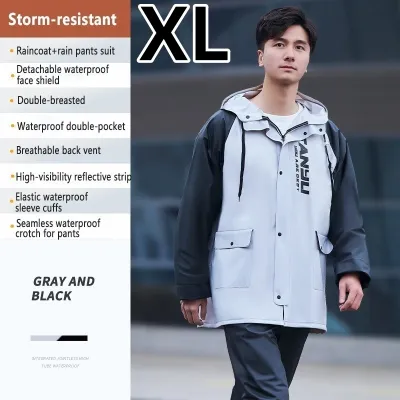
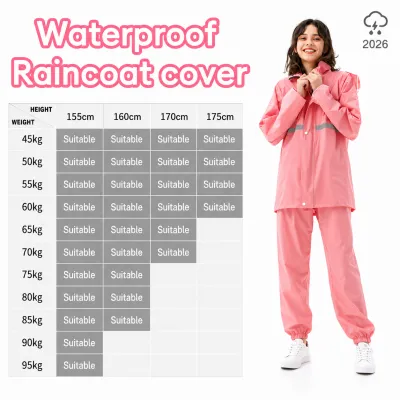
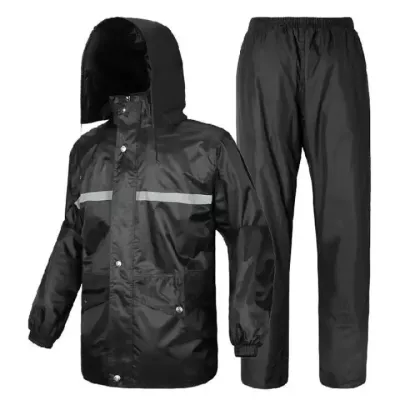
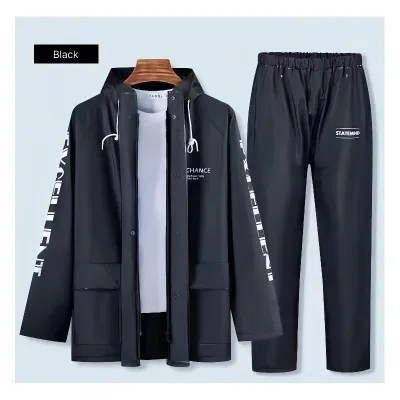
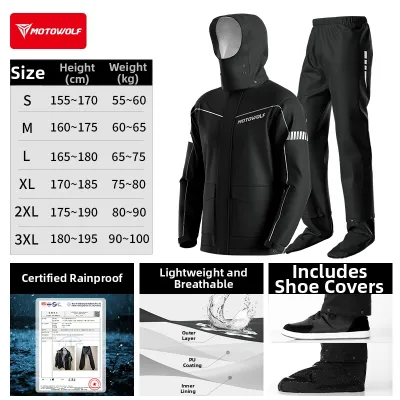
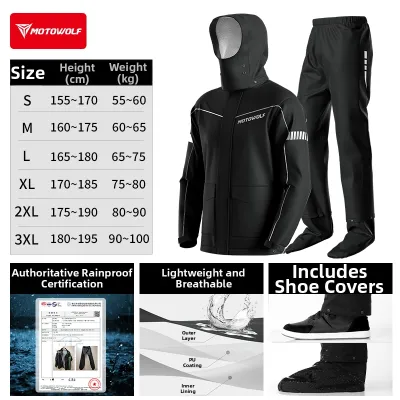
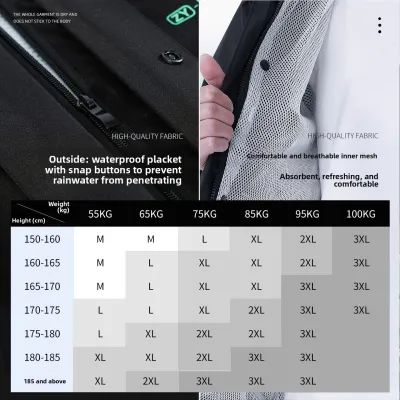
Prices are valid at publication and may change. Please refer to the product page for the latest price.
Road spray from passing trucks and deep puddles adds another layer of difficulty. This dirty water splashes upward from the road surface, meaning your lower body, boots, and shins require just as much protection as your torso. A proper motorcycle kapote must shield you from both the falling rain above and the dirty spray from below.
Weather shifts during the monsoon season happen rapidly. A clear sky can turn into a torrential downpour within minutes, requiring rain gear that you can deploy quickly on the roadside. Your gear must be easy to access and put on safely without struggling with complex fasteners while parked on a narrow shoulder.
Poncho vs. Two-Piece Rain Suit: Which Style Fits Your Ride?
The traditional motorcycle poncho, locally known as a kapote, is a popular choice for many daily commuters. Its primary advantage is speed; you can throw it over your head, your backpack, and even the front of your scooter in seconds. This makes it highly convenient for short, low-speed trips around the neighborhood.

However, ponchos present significant aerodynamic challenges. At higher speeds, the loose fabric catches the wind like a sail, which can destabilize your motorcycle, block your side mirrors, or flap violently against your body, causing fatigue. In severe cases, the wind can lift the poncho, obstructing your vision at a critical moment.
A two-piece rain suit, consisting of a separate jacket and trousers, offers a much more secure and aerodynamic fit. It hugs the body closely, preventing wind drag and ensuring that your legs remain completely dry even when riding through deep splashes. This style is highly recommended for highway riding or longer daily commutes.
The trade-off with a two-piece suit is the preparation time. Putting on trousers over wet shoes on a narrow shoulder can be awkward, and you will need a separate waterproof cover or dry bag to protect your backpack. Despite this minor inconvenience, the safety and comfort advantages at speed are substantial.
To help you decide which style suits your daily commute, consider how your typical riding conditions align with these key factors:
| Riding Factor | Traditional Poncho (Kapote) | Two-Piece Rain Suit |
|---|---|---|
| Best Commute Distance | Short trips (under 5 km) | Long commutes (over 5 km) |
| Average Riding Speed | Low speeds (under 40 km/h) | Moderate to high speeds (above 40 km/h) |
| Cargo Protection | Covers rider and backpack together | Requires separate waterproof bag |
| Wind Resistance | Low (prone to flapping) | High (aerodynamic and snug) |
| Putting-On Speed | Extremely fast and simple | Slower (requires stepping into pants) |
Essential Material and Construction Features to Check
When shopping for a motorcycle kapote, do not rely solely on generic “waterproof” labels. Look for manufacturer specifications that detail the material composition, such as heavy-duty polyvinyl chloride (PVC), polyurethane (PU) coated polyester, or nylon. Each material offers a different balance of weight, breathability, and durability.
High-quality rain gear often lists a hydrostatic head rating, which measures how much water pressure the fabric can withstand before leaking. For heavy monsoon riding, look for gear rated at 10,000 mm or higher to ensure it can handle highway-speed downpours. Lower ratings may suffice for light drizzles but will fail under the pressure of a tropical storm.
The fabric itself is only as good as its seams. Water almost always penetrates through the tiny needle holes created during stitching, so you must inspect the inside of the garment to verify that the seams are taped, heat-sealed, or welded. Unsealed seams will quickly let water drip onto your shoulders and chest.
Examine the main zipper closely. A reliable motorcycle rain jacket should feature a wide storm flap that folds over the zipper and secures with hook-and-loop fasteners or snap buttons to block wind-driven water. Double-flap designs offer even better protection against water ingress.
Adjustable closures are critical at the wrists, ankles, and neck. Elastic cuffs combined with adjustable straps allow you to seal the openings tightly over your riding gloves and boots, preventing water from creeping up your limbs. A high, adjustable collar is also essential to prevent water from running down your neck from the bottom of your helmet.
Prioritizing Safety and Visibility in Low-Light Storms
Heavy monsoon rains drastically reduce visibility for all road users. To ensure that car and truck drivers can see you through rain-streaked windshields, choose a kapote in high-visibility colors like neon yellow, orange, or bright green. Dark colors like black or navy blue make you virtually invisible in a heavy downpour.
Reflective strips are non-negotiable for riding in low-light storm conditions. Verify that the rain gear has wide, retroreflective panels positioned across the upper back, shoulders, and sleeves, where they are most visible to vehicles approaching from behind and the sides. These strips catch the headlights of other vehicles, alerting them to your presence.
The design of the collar and hood must be compatible with your motorcycle helmet. A hood that is too bulky can bunch up under your helmet, restricting your neck movement and making it difficult to perform vital blind-spot checks. Some riders prefer rain jackets with detachable hoods or ultra-thin hoods designed to be worn under the helmet.
Ensure that the lower hem of your rain gear fits snugly and does not have loose, dangling drawcords or straps. Loose fabric can easily catch on your motorcycle’s chain, footpegs, or wheels, presenting a severe safety hazard while in motion. Always secure any loose straps before setting off.
Inspecting and Caring for Your Rain Gear
Monsoon rainwater is often mixed with road grime, oil, and acidic pollutants that can degrade waterproof coatings over time. After every wet ride, rinse your kapote with clean, fresh water to remove these contaminants. This simple step extends the lifespan of the waterproof membrane.
Never fold or store your rain gear while it is still damp. Hang it up in a well-ventilated indoor area away from direct sunlight to dry completely, which prevents the growth of mold, mildew, and unpleasant odors. Avoid placing the gear near high heat sources like radiators or exhaust pipes, as extreme heat can melt the waterproof backing or damage the seam tape.
Regularly inspect your gear for physical signs of wear and tear. Look for peeling inner linings, cracked seam tapes, or fabric that has become stiff and brittle, as these are clear indicators that the material is losing its waterproof integrity and needs replacement. Riding with compromised gear will inevitably lead to a soaked and uncomfortable commute.
When cleaning is necessary, always follow the manufacturer’s care label instructions. Avoid using harsh household detergents, fabric softeners, or hot water, as these can strip away the durable water repellent (DWR) coating applied to the outer fabric. Instead, use a mild, tech-wash detergent designed specifically for waterproof outerwear.
Smart Buying Checklist for Online and In-Store Purchases
When purchasing rain gear on an online marketplace or in a local physical store, always consult the manufacturer’s specific size chart. You will typically need to select one size larger than your standard clothing size to accommodate your riding jacket, protective armor, or a backpack underneath. A fit that is too tight can restrict your movement and put undue stress on the seams, causing them to tear.
Before finalizing your purchase, check the seller’s return and exchange policies in case the fit is too tight or restricts your riding posture. Read user reviews carefully, filtering for feedback that specifically mentions performance during heavy downpours and the durability of the seams. Real-world feedback from fellow riders is invaluable when evaluating unverified performance claims.
Avoid extremely cheap, unbranded rain gear that lacks detailed material specifications or safety features. Investing in a well-constructed, reputable brand ensures that the gear will protect you through multiple monsoon seasons rather than failing during the first heavy storm. Look for products that clearly state their construction methods and safety certifications.
Frequently Asked Questions (FAQ)
Can I use a regular walking raincoat for motorcycle riding?
Using a standard pedestrian raincoat for motorcycle riding is not recommended due to safety and durability concerns. Walking raincoats are designed for low-speed movement and lack the wind resistance needed to withstand highway speeds, causing them to flap violently, balloon with air, or tear apart. They also lack the specific cut required for a comfortable riding posture and rarely feature the high-visibility reflective panels necessary for road safety.
How do I stop my rain poncho from flapping in the wind?
To minimize flapping, look for a motorcycle-specific poncho that includes built-in waist drawcords, snap buttons along the sides, or under-seat straps designed to secure the lower hem. You can also tuck the excess fabric firmly under your thighs or secure it with an external elastic strap or bungee cord around your waist. Always ensure that any adjustments do not restrict your ability to move your legs, reach the ground, or operate the motorcycle’s foot controls.
Is it necessary to buy a separate rain cover for my motorcycle helmet?
A separate rain cover is generally not necessary for riding, as motorcycle helmets are inherently designed to shed water. Instead, focus on maintaining your helmet’s visor by applying a water-repellent treatment to the exterior to help rain slide off, and use an anti-fog insert on the interior to prevent condensation from blocking your view. Helmet rain covers are primarily intended for protecting your helmet when it is parked or stored outdoors.

Community discussion
Share your experience or ask a question. Comments are reviewed before publication.