
To stay dry and safe during the intense Philippine rainy season, a high-quality two-piece Motowolf rain suit consisting of a separate jacket and trousers is the most reliable option. While a simple rain poncho might suffice for extremely short, low-speed trips on a scooter, it cannot withstand the high winds and heavy downpours characteristic of a full-blown monsoon storm. A two-piece suit provides a comprehensive, wind-resistant seal that prevents water from creeping in at the waist, wrists, and ankles, making it the ideal choice for daily commuters and long-distance riders alike.
Riding a motorcycle in the Philippines during the wet season presents a unique set of environmental challenges. From sudden afternoon thunderstorms to prolonged monsoon systems, riders must deal with blinding rain, flooded streets, and intense tropical humidity. Selecting the right protective gear from a trusted brand like Motowolf requires looking beyond basic waterproof claims and understanding how specific designs perform under real-world, high-pressure riding conditions.
How the Philippine Monsoon Changes Your Rain Gear Needs
The Philippine rainy season, particularly during the southwest monsoon known locally as habagat, is characterized by relentless, heavy downpours that can last for days. Unlike light, passing showers that only wet the road surface, monsoon storms bring intense, driving rain accompanied by powerful crosswinds. These weather systems significantly reduce visibility on the road and create deep water pooling on poorly drained streets, turning a standard daily commute into a high-risk journey.
Products mentioned in this guide
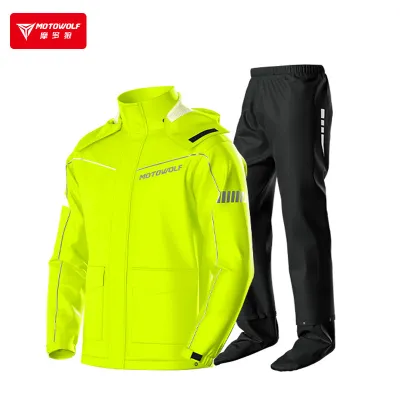
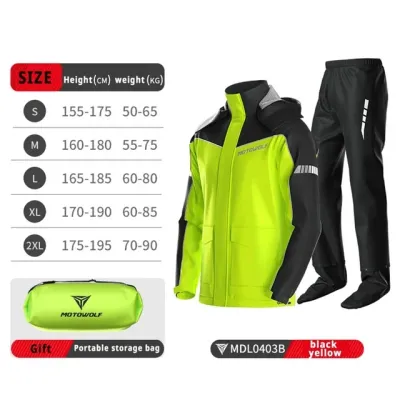
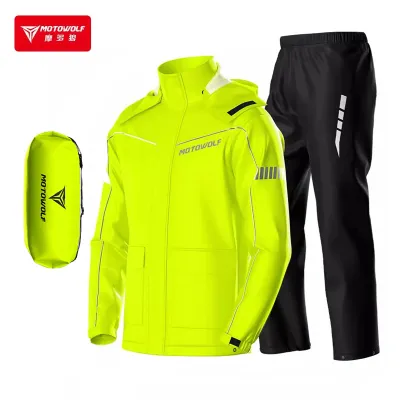
Prices are valid at publication and may change. Please refer to the product page for the latest price.
When you ride a motorcycle at typical commuting speeds of 50 to 80 kilometers per hour, the physical impact of rain changes dramatically. The forward motion of the motorcycle turns falling raindrops into a high-velocity spray that easily penetrates standard, lightweight windbreakers or cheap, single-use plastic raincoats. The wind forces water through weak seams, loose zippers, and open cuffs, leaving the rider soaked and shivering within minutes.
Furthermore, the combination of heavy rain and dark, overcast skies severely compromises your visibility to other motorists. Navigating flooded or poorly lit streets in urban areas or rural highways requires gear that features highly reflective elements. Your rain gear must also fit securely without loose fabric that can flap violently in the wind. Flapping fabric not only causes rider fatigue but can also destabilize your balance, making wind resistance and a snug, adjustable fit critical safety requirements for monsoon riding.
Two-Piece Rain Suits vs. Rain Ponchos: Choosing Your Motowolf Style
Understanding the structural differences between a two-piece rain suit and a rain poncho is essential for matching your gear to your daily riding habits. Each style offers distinct advantages and limitations regarding water protection, aerodynamic stability, and convenience.

Two-Piece Rain Suits (Jacket and Pants)
A two-piece rain suit is the gold standard for comprehensive weather protection on a motorcycle. By separating the jacket and pants, this design allows for a precise, ergonomic fit that moves naturally with the rider’s body. The trousers pull up high over the waist, while the jacket overlaps extensively to prevent water from pooling on your lap—a common failure point for riders on underbone motorcycles and scooters.
Additionally, two-piece suits feature specialized sealing mechanisms, such as elasticated or hook-and-loop closures at the wrists and ankles, which block wind-driven water from creeping upward. The snug fit minimizes aerodynamic drag, preventing the jacket from ballooning or flapping at highway speeds. This stability is crucial for maintaining control of your motorcycle during sudden gusts of wind on open roads.
Rain Ponchos
Rain ponchos are designed primarily for convenience, speed, and short-distance utility. They can be thrown over casual clothing or a backpack in seconds, making them popular for quick neighborhood errands or low-speed trips on small-displacement scooters. Because they lack separate leg enclosures, they allow for rapid airflow, which can feel cooler in hot, humid weather.
However, ponchos carry significant safety risks when used at higher speeds. The loose, unanchored fabric of a poncho acts like a sail, catching the wind and creating severe aerodynamic drag that can pull at the rider’s shoulders and disrupt steering. At speeds exceeding 40 kilometers per hour, the flapping fabric can block your side mirrors, obscure your view, or even get caught in the rear wheel or drive chain of the motorcycle. If you must use a poncho, it is vital to secure the excess fabric tightly around your body or tuck it under your seat to prevent dangerous flapping.
Decision Matrix
To help you decide which style fits your riding profile, consult the matrix below:
| Riding Scenario | Recommended Motowolf Style | Key Advantages | Speed and Distance Limits |
|---|---|---|---|
| Daily Highway Commutes | Two-Piece Rain Suit | Maximum water sealing, high wind resistance, excellent body mobility | Suitable for highway speeds (60+ km/h) and long distances |
| Heavy Monsoon (Habagat) | Two-Piece Rain Suit | Full-body protection, prevents water pooling, high-visibility panels | Safe for prolonged exposure in severe storms |
| Short Neighborhood Errands | Rain Poncho | Fast deployment, easy to slip over casual clothes, highly portable | Best kept under 40 km/h and distances under 5 kilometers |
| Manual Straddle Motorcycles | Two-Piece Rain Suit | Prevents water from pooling on the fuel tank and crotch area | Mandatory for active riding postures and highway speeds |
| Underbone/Scooter (Low Speed) | Rain Poncho (with caution) | Quick coverage, fits easily in under-seat storage compartments | Only for slow, local trips in light to moderate rain |
Essential Waterproof and Safety Specs to Verify on Motowolf Labels
When shopping for Motowolf gear, it is important to look past generic “waterproof” marketing terms and inspect the specific physical features that guarantee performance in a tropical downpour. Verifying these technical details ensures you invest in gear that keeps you dry and safe.
Seam Construction
The most common area for water to breach rain gear is not through the fabric itself, but through the needle holes created during stitching. To prevent this, high-quality Motowolf rain suits utilize taped or heat-sealed seams. When inspecting a suit, turn it inside out and look closely at the stitching lines. You should see a clear, flexible polyurethane (PU) tape hot-pressed over every single seam, which acts as a physical barrier against water penetration. Avoid any gear that relies solely on standard thread stitching without internal sealing tape.
Closures and Storm Flaps
Zippers are highly vulnerable to wind-driven water. A reliable rain jacket must feature a robust front closure system consisting of a heavy-duty zipper protected by a wide, external storm flap. This flap should secure tightly with hook-and-loop fasteners or heavy snaps to channel water away from the zipper track. Furthermore, look for double-cuff designs on the wrists—featuring an elasticated inner cuff to seal against your skin and an adjustable outer strap to tighten over your riding gloves—as well as adjustable ankle straps to prevent water from splashing up your boots.
Visibility Elements
Riding in a tropical storm often means navigating in near-darkness, even during the middle of the day. To ensure you are visible to trucks, buses, and cars, verify that the rain gear features wide, retroreflective strips. These strips should be strategically positioned across the upper back, shoulders, chest, and the lower sections of the pants. High-quality reflective materials are designed to bounce light directly back to its source, ensuring that other drivers can spot your silhouette from a safe distance through a rain-streaked windshield.
Material and Breathability
The intense heat and humidity of the Philippines mean that a completely sealed plastic suit can quickly turn into a personal sauna, leaving you soaked in sweat from the inside out. To avoid this, look for Motowolf gear constructed from a balanced blend of waterproof outer materials, such as polyester treated with a durable polyurethane (PU) or polyvinyl chloride (PVC) coating, paired with a breathable inner mesh lining. The mesh lining prevents the sticky outer fabric from clinging directly to your skin or clothing, promoting air circulation and allowing body heat to dissipate through built-in ventilation flaps located under the arms or across the back.
Caring for Your Motowolf Rain Gear in a Tropical Climate
Proper maintenance and storage are essential for preserving the waterproof integrity and extending the lifespan of your Motowolf rain gear in a hot, humid tropical environment. Neglecting basic care can lead to material degradation, peeling coatings, and unpleasant odors.
Drying Protocols
After riding through a storm, never fold your wet rain gear and stuff it away. Hang the jacket and pants on wide, plastic hangers to air-dry completely inside out in a well-ventilated, shaded indoor area. Avoid hanging your gear in direct, intense sunlight for extended periods. While the sun dries fabric quickly, prolonged exposure to harsh ultraviolet (UV) rays degrades the PU or PVC waterproof coatings, causing them to become brittle, crack, and eventually peel off, destroying the gear’s water resistance.
Safe Cleaning Methods
As you ride, your rain gear will inevitably accumulate road grime, mud, oil splatters, and exhaust residue. To clean the gear safely, wipe down the soiled areas using a soft microfiber cloth dipped in cool water mixed with a small amount of mild, pH-neutral soap. Never use harsh household detergents, bleach, fabric softeners, or chemical solvents, as these substances chemically break down the waterproof membranes and adhesive tapes. Additionally, do not machine wash, machine dry, or iron your rain gear; the mechanical agitation and high heat of these appliances will delaminate the heat-sealed seams and ruin the fabric.
Storage Conditions
Always store your completely dry rain gear in a cool, dry, and well-ventilated closet. Avoid the common habit of leaving damp rain gear folded tightly inside your motorcycle’s under-seat compartment (U-box) or top box. The combination of trapped moisture, lack of airflow, and engine heat creates an ideal breeding ground for mold, mildew, and bacteria. This not only results in a persistent, foul odor but also accelerates the chemical breakdown of the waterproof lining, causing the seam tapes to lift and peel away prematurely.
Frequently Asked Questions (FAQ)
Can I use a regular Motowolf rain poncho for long highway rides?
No, using a regular rain poncho for long highway rides is not recommended due to significant safety and performance risks. At highway speeds, the loose fabric of a poncho catches the wind, creating extreme aerodynamic drag that can destabilize your motorcycle and cause severe rider fatigue. The flapping material can also block your side mirrors, obscure your view, or get tangled in moving parts of the bike. For highway commuting, a fitted two-piece rain suit is essential to ensure aerodynamic stability and complete protection from wind-driven rain.
How do I know if my Motowolf rain suit needs to be replaced?
You should replace your rain suit if you notice clear signs of physical degradation that compromise its waterproofing. Inspect the interior of the gear: if the clear seam-sealing tape is lifting, cracking, or peeling away from the stitching, water will easily leak through. Other warning signs include a sticky or powdery texture on the inner PU coating (indicating chemical breakdown), visible cracks in the outer fabric, or if you consistently find damp patches on your regular clothes after a ride. Deep-seated mold or mildew that cannot be wiped away with mild soap also warrants a replacement for hygiene and material integrity.
Should I buy a size larger than my usual jacket for my Motowolf rain gear?
Yes, it is generally highly recommended to buy your Motowolf rain gear one size larger than your standard jacket or t-shirt size. This extra room allows you to comfortably layer the rain suit over your daily clothing, a padded motorcycle riding jacket, or even a small backpack without restricting your range of motion. When sizing up, always verify that the adjustable hook-and-loop straps at the wrists, waist, and ankles can still be pulled tight enough to create a secure seal, ensuring that wind and water cannot force their way inside.

Community discussion
Share your experience or ask a question. Comments are reviewed before publication.