
Choosing the right pulley cover (often referred to as the CVT or crankcase cover) for your Honda Click V2 in the Philippines requires balancing physical protection, heat management, and precise fitment. In a tropical climate characterized by intense summer heat and sudden monsoon downpours, this component does more than just complete the scooter’s look—it serves as the primary barrier protecting your transmission from road debris, water, and excessive heat buildup.
To make a confident purchase, you must evaluate whether you need an Original Equipment Manufacturer (OEM) replacement for guaranteed reliability or an aftermarket upgrade designed for enhanced cooling or aesthetic customization. This guide outlines the critical material choices, compatibility checks, and purchasing strategies to ensure your transmission remains secure and functional on local roads.
Why Upgrade or Replace Your Click V2 Pulley Cover?
The pulley cover on your Honda Click V2 is a hardworking shield that undergoes constant stress from engine vibrations, road debris, and thermal cycles. Over time, physical signs of wear will signal that a replacement is necessary. Inspect your current cover regularly for visible hairline cracks, chipped edges, or broken mounting tabs. Broken tabs are particularly problematic because they prevent the cover from sealing tightly against the crankcase, allowing moisture and dirt to seep into the belt drive system.
Products mentioned in this guide
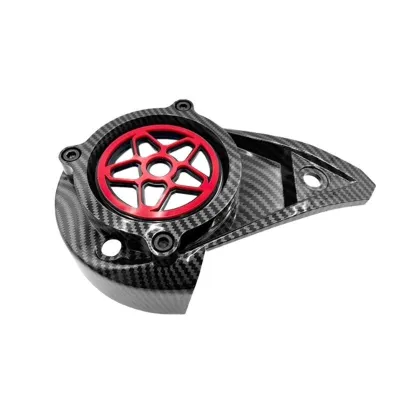
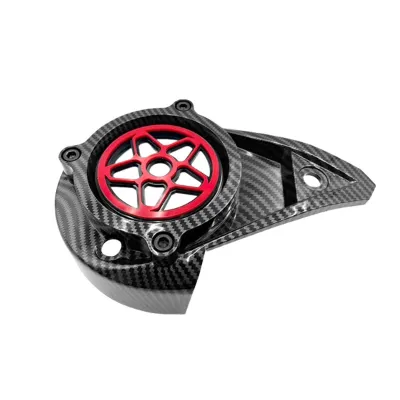
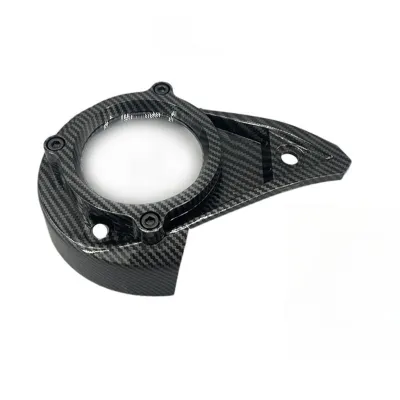
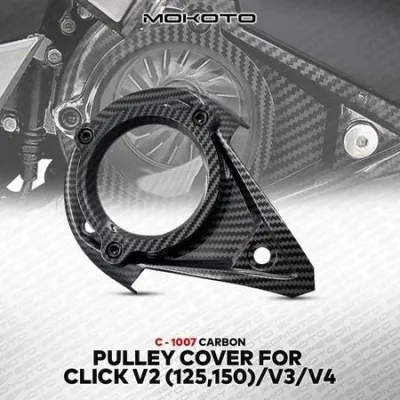
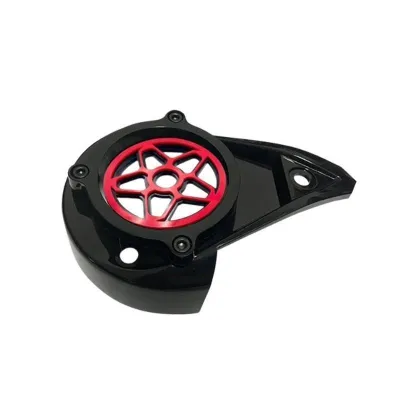
Prices are valid at publication and may change. Please refer to the product page for the latest price.
Excessive vibration or unusual rattling noises originating from the side of your scooter can also point to a compromised cover. If the mounting holes have ovalized or stretched due to loose bolts or improper torque, the cover will no longer sit flush. This misalignment can cause the cover to contact moving internal parts or fail to support the kickstarter mechanism properly, leading to accelerated wear on both the cover and the transmission components.
Beyond necessary repairs, many riders choose to upgrade their pulley covers for performance optimization or aesthetic personalization. In the Philippines, where stop-and-go traffic in high ambient temperatures is common, aftermarket covers featuring modified cooling fins or ventilation ports are popular choices. These designs aim to increase airflow around the belt and pulleys, helping to mitigate the heat buildup that naturally occurs during prolonged low-speed riding.
However, it is crucial to establish a clear safety boundary: a new pulley cover is a protective and cosmetic housing, not a mechanical fix for internal transmission issues. If your Honda Click V2 is experiencing belt slippage, loss of acceleration, shuddering during takeoff, or loud squealing noises from the clutch, replacing the cover will not resolve these symptoms. Internal Continuously Variable Transmission (CVT) issues require a professional mechanical diagnosis and the replacement of internal wear items like the drive belt, rollers, or clutch lining.
Key Factors to Evaluate When Browsing Options
When comparing pulley cover options, material composition is the first major factor to evaluate. Standard engineered plastics, often reinforced with fiberglass, are the baseline choice for daily commuters. These covers are lightweight, highly resistant to minor impacts, and provide excellent electrical and thermal insulation, keeping external heat from easily penetrating the housing. However, under extreme thermal stress or direct impact from heavy road debris, plastic can crack or warp more easily than metal alternatives.

Aluminum alloy covers represent the primary upgrade path for riders seeking durability and enhanced heat dissipation. Aluminum is inherently robust, offering superior protection against flying stones and accidental drops while resisting warping under high operating temperatures. The trade-off lies in weight and cost; aluminum covers are heavier than plastic and generally command a premium price. Additionally, because metal conducts heat rapidly, an aluminum cover will become very hot to the touch during operation, requiring extra caution during post-ride maintenance.
Cooling fin design is another critical attribute, especially given the tropical climate of the Philippines. The CVT system generates substantial friction heat, which can degrade the drive belt and cause clutch fade if left unmanaged. Some aftermarket covers incorporate external cooling fins or ducting channels designed to direct ambient air across the outer surface of the casing. While these designs theoretically assist in heat dissipation, their effectiveness depends heavily on maintaining clean, unobstructed passages and ensuring that the internal airflow dynamics of the CVT are not disrupted.
Equally important is the integrity of the gasket and seal interface. The primary job of the pulley cover is to keep the transmission environment dry and clean. When browsing options, verify that the cover features a precise channel for the rubber gasket and matches the original sealing points of the Click V2 crankcase. A poor seal allows water during heavy monsoon rains or dust from unpaved roads to enter the housing, which can lead to immediate belt slippage, rust on the pulley faces, and premature failure of the transmission bearings.
OEM vs. Aftermarket: Making the Right Choice for Your Ride
Deciding between a genuine Honda OEM pulley cover and an aftermarket alternative depends on your riding priorities, budget, and willingness to perform compatibility checks. Choosing an OEM part offers the peace of mind of guaranteed fitment. Manufactured to Honda’s exact specifications, an OEM cover aligns perfectly with all mounting bolts, dowel pins, and the internal starter clutch assembly. This choice preserves any remaining manufacturer warranty on your scooter and ensures that the material quality meets the original engineering standards for daily commuting.
Aftermarket pulley covers, on the other hand, cater to riders looking for specialized features or distinct styling. These products often utilize materials like cast aluminum, CNC-machined alloys, or carbon-fiber-reinforced plastics, offering unique visual designs and potential weight savings. However, choosing aftermarket parts requires a higher level of scrutiny. You must carefully verify the quality of the mounting points, as some budget third-party covers may suffer from misaligned bolt holes or thin walls that are prone to cracking under torque.
From a financial perspective, budgeting for these options requires understanding the value proposition of each category. Genuine OEM parts typically carry a stable, mid-range price tag in ₱ that reflects their certified quality and long-term reliability. Aftermarket options span a much wider price spectrum: basic plastic replacements can be highly economical, while premium CNC-machined aluminum covers can cost significantly more than the OEM equivalent. When planning your budget, always factor in the cost of a new gasket and replacement mounting bolts, as reusing worn hardware can compromise even the highest-quality cover.
How to Verify Fitment and Avoid Compatibility Issues
Ensuring a perfect fit for your Honda Click V2 requires active verification rather than relying solely on generic product titles. The “V2” designation (often associated with the Click 125i or 150i Game Changer models) spans multiple production years, and minor design updates can affect the crankcase layout. To avoid purchasing an incompatible part, start by locating the original equipment manufacturer (OEM) part number stamped on the inside of your existing cover or listed in your scooter’s official parts catalog. Cross-referencing this number with the seller’s specifications is the most reliable way to guarantee compatibility.
Be aware of subtle differences between model years and engine displacements. While the Honda Click 125i and Click 150i share many chassis components, their CVT cases and pulley covers may have slight variations in depth, bolt patterns, or starter motor clearances. Never assume that a cover labeled generally for “Honda Click” will fit all versions. Always confirm with the manufacturer or seller whether the cover is designed specifically for the 125cc or 150cc variant of the V2 generation.
Before attempting any installation or modification, consult your motorcycle’s service manual to understand the correct assembly sequence and torque specifications. If you encounter resistance when dry-fitting a new cover, do not force the bolts or attempt to grind down the mounting brackets. Forcing a misaligned cover can strip the threads in the aluminum engine crankcase, leading to costly repairs. If the cover does not slide smoothly onto the alignment dowel pins, stop immediately and consult a qualified mechanic to verify the fitment.
Purchasing Channels and Pre-Installation Checks
In the Philippines, riders have access to several purchasing channels, each with distinct advantages and risks. Authorized Honda 3S shops and dealerships are the safest source for genuine OEM pulley covers, offering guaranteed authenticity and access to official parts catalogs. For aftermarket options, specialized local motorcycle parts physical shops allow you to inspect the build quality firsthand before buying. While online marketplaces offer convenience and a wide selection, they require extra vigilance to avoid counterfeit products.
When shopping online, look out for red flags that indicate counterfeit or substandard parts. Unusually low prices that seem too good to be true are a primary warning sign. Inspect product listings for poor packaging, missing or altered brand logos, and the absence of official security holograms or part number labels. Reading customer reviews specifically looking for feedback on bolt alignment, material thickness, and long-term durability can help you filter out low-quality imitations.
Once your new pulley cover arrives, perform a thorough pre-installation inspection before beginning the assembly. Lay the cover on a flat surface to check for any warping or casting defects that could prevent a flush seal. Verify that all necessary hardware is present, including the rubber gasket, alignment dowels, and the correct length of mounting bolts. Finally, perform a dry-fit by gently placing the cover onto the crankcase without bolts to ensure it seats fully against the engine block without rocking or binding.
Frequently Asked Questions (FAQ)
Can I use a pulley cover from a different Honda scooter model on my Click V2?
No, you should not attempt to use a pulley cover from a different Honda scooter model, such as the Beat, PCX, or ADV, on your Click V2 unless the manufacturer explicitly states cross-compatibility. Even though these scooters may share similar engine technologies, their crankcase shapes, CVT belt lengths, mounting bolt patterns, and starter mechanism clearances are distinct. Attempting to force a cover from another model can cause severe damage to the mounting threads, interfere with the rotating CVT components, or leave gaps that allow water and dirt to ruin your transmission.
Does an aluminum pulley cover significantly reduce CVT overheating?
While aluminum conducts heat more efficiently than standard engineered plastics, simply replacing your plastic cover with an aluminum one will not automatically solve a severe CVT overheating issue. The overall operating temperature of your transmission depends primarily on internal airflow, riding conditions, and the health of components like the drive belt and rollers. An aluminum cover with integrated cooling fins can assist in surface heat dissipation during heavy use, but you should verify specific manufacturer specifications and ensure your CVT air intake duct is clean and unobstructed for optimal cooling performance.
Community discussion
Share your experience or ask a question. Comments are reviewed before publication.