
Selecting the right radiator cover for your Honda ADV160 during daily commutes in Metro Manila requires a careful balance between protection and performance. Because of the unique environmental challenges of urban riding, there is no single universal “best” cover that suits every rider. Instead, the ideal choice depends on finding the optimal balance between cooling efficiency and physical protection based on your specific daily route.
The primary trade-off when selecting a radiator guard is mesh density. A tighter, more restrictive mesh blocks smaller stones and road debris effectively, but it can restrict airflow when idling in heavy traffic. Conversely, a wider mesh allows maximum airflow but leaves the delicate radiator fins vulnerable to damage. To make the right decision, you must assess your typical road conditions, evaluate material durability against heat and moisture, and verify exact model fitment before making a purchase.
Why Urban Traffic Demands Radiator Protection
Metro Manila’s daily commuting environment is notoriously demanding on small-displacement liquid-cooled engines. Major thoroughfares such as EDSA, C-5, and Commonwealth Avenue present a combination of extreme heat, high humidity, and dense, stop-and-go traffic. When your Honda ADV160 is stationary or moving at crawling speeds, the engine cannot rely on natural wind to cool the radiator. Instead, it depends entirely on the radiator fan to pull air through the cooling fins. In these high-temperature scenarios, any accessory installed over the radiator must not restrict this critical airflow, as doing so can quickly lead to elevated engine temperatures.
Products mentioned in this guide
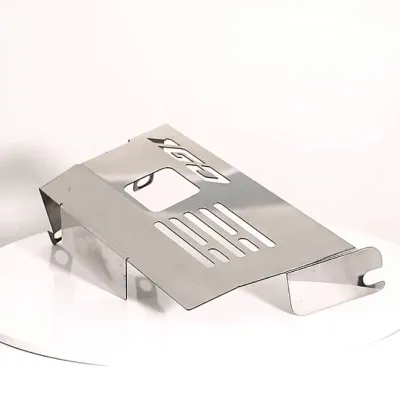
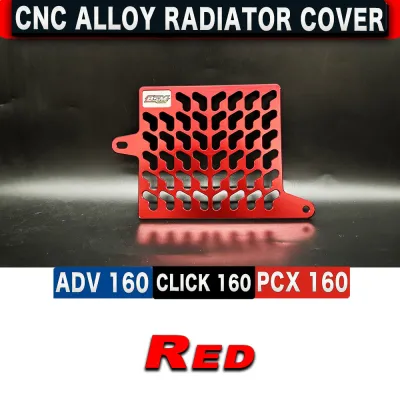
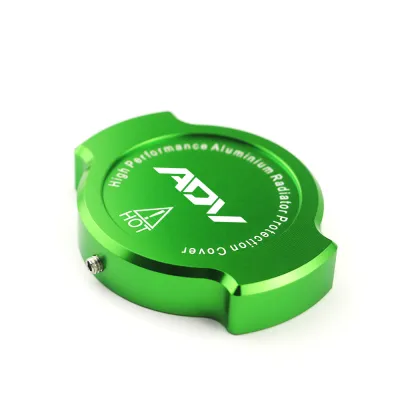
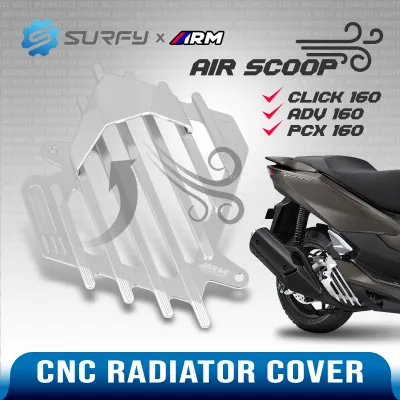
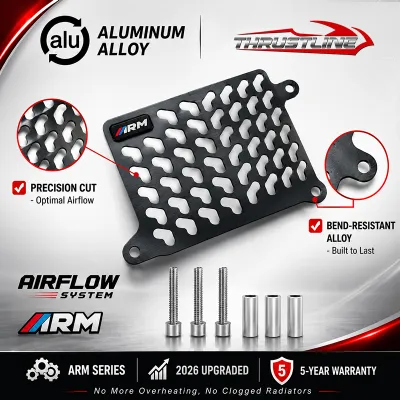
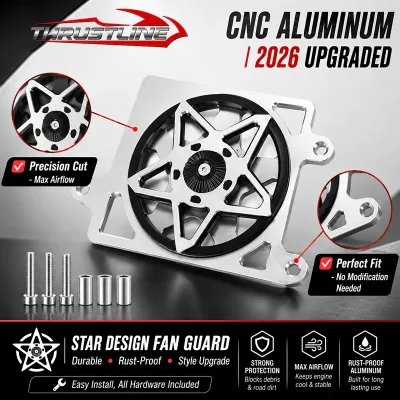
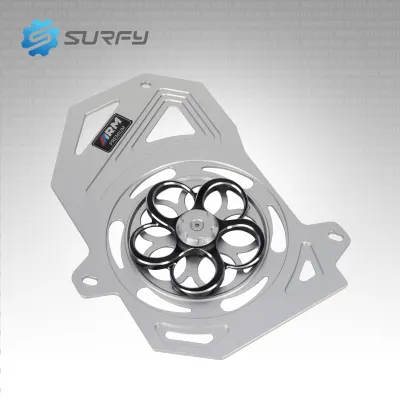
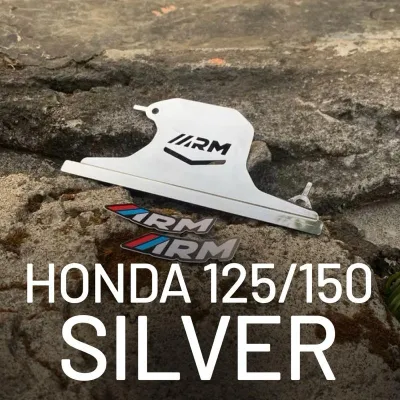
Prices are valid at publication and may change. Please refer to the product page for the latest price.
At the same time, the physical environment of urban roads poses constant hazards to your motorcycle’s cooling system. Road construction, loose gravel, asphalt fragments, and debris kicked up by larger vehicles like buses and jeepneys can easily strike the radiator. The Honda ADV160 features a side-mounted radiator positioned relatively low on the right side of the vehicle. While this placement is aerodynamically efficient, it leaves the radiator highly exposed to debris thrown backward by the front tire or sideways by passing traffic.
When road debris strikes the unprotected radiator, it easily bends the delicate aluminum fins. These fins are designed to maximize surface area for heat dissipation. When they are bent or crushed, the airflow through those specific channels is blocked, permanently reducing the radiator’s cooling efficiency. Over time, cumulative damage from small stones, sand, and even discarded plastic wrappers can severely compromise the cooling system, leading to potential overheating during prolonged idling in congested areas. A well-designed radiator cover acts as a physical shield, absorbing these impacts and preserving the structural integrity of the cooling fins.
Key Evaluation Criteria for Your ADV160 Cover
When shopping for a radiator guard on e-commerce platforms or at local motorcycle accessory shops, you will find a wide variety of designs and materials. To choose a cover that will reliably protect your Honda ADV160 without compromising its engine performance, evaluate your options using the following criteria.

Material Selection
Aftermarket radiator covers are primarily manufactured from either stainless steel or aluminum. Each material offers distinct characteristics that affect durability, weight, and thermal performance:
- Stainless Steel: Typically made from grades like SUS304, stainless steel guards offer exceptional structural strength and high resistance to heavy impacts. They are highly effective at deflecting larger stones and debris. However, stainless steel is heavier than aluminum and can retain heat longer, which may slightly influence local temperatures around the radiator housing.
- Aluminum: Often constructed from alloys like 6061-T6, aluminum guards are lightweight and offer excellent natural resistance to corrosion. Aluminum also has higher thermal conductivity than steel, meaning it dissipates heat more rapidly. While aluminum is softer than stainless steel and may dent or deform under severe impacts, it provides more than enough protection for typical city commuting while keeping weight to a minimum.
Mesh Density and Airflow
The design of the guard’s protective screen is the most critical factor in maintaining engine health. You must visually assess the grid pattern and the open area ratio of the mesh:
- Honeycomb and Hexagonal Patterns: These designs are highly favored because they offer excellent structural rigidity while maintaining a high percentage of open space (often 60% to 70%). This allows ample air passage for the cooling fan while effectively deflecting debris from various angles.
- Slotted or Louvered Designs: Some covers feature angled slots. While these can look stylish and deflect debris coming from a specific direction, they can sometimes restrict airflow more than a standard mesh, especially when the motorcycle is stationary and the fan is pulling air from all directions.
- Fine Wire Mesh: Very fine mesh screens block almost all debris, including fine sand. However, they are highly prone to clogging with road grime, dust, and mud during heavy rain, which can rapidly block airflow and cause overheating.
Design and Finish
Metro Manila’s tropical climate exposes your motorcycle to intense sunlight, high humidity, and acidic rain during the monsoon season. Untreated metals will quickly corrode, rust, or tarnish under these conditions.
- Anodized Aluminum: Anodizing provides a durable, corrosion-resistant oxide layer that integrates with the metal itself. This finish resists fading from UV exposure and does not chip easily.
- Powder-Coated Steel: A high-quality powder coat provides a thick, protective barrier against moisture and road salt. Ensure the coating is uniform, especially around the edges and mounting holes, as any exposed steel will quickly begin to rust when exposed to rain and road grime.
Clearance and Fitment
The Honda ADV160 has precise clearance tolerances around its engine and suspension components. It is vital to verify that any aftermarket cover is designed specifically for the ADV160 and does not rely on universal mounting brackets.
- Fan Clearance: The cover must sit far enough forward to avoid contacting the spinning blades of the radiator cooling fan.
- Hose and Wire Routing: Ensure the guard does not pinch, rub, or put tension on the coolant hoses or electrical wiring harnesses nearby.
- Fender Clearance: Under heavy braking or front suspension compression, the front fender must not come into contact with the radiator cover.
Installation, Maintenance, and Safety Checks
Installing a radiator cover is a straightforward upgrade, but improper installation can lead to mechanical damage or cooling system failure. Always prioritize safety and follow proper procedures.
Before beginning the installation, cross-reference the accessory’s installation manual with your Honda ADV160 owner’s manual. This helps you identify the correct mounting points and understand the torque limits of the original bolts.
When fitting the cover, pay close attention to the mounting points. The guard should secure directly to the existing frame mounts or the outer structural brackets of the radiator assembly. Never mount a guard in a way that puts direct pressure on the delicate radiator core tubes or blocks the coolant lines. If the kit includes rubber dampeners or spacers, be sure to install them; these components absorb engine vibrations and prevent metal-on-metal rubbing, which can wear holes in the radiator over time.
To ensure long-term reliability, establish a routine maintenance checklist:
- Inspect for Trapped Debris: During your weekly pre-ride checks, look behind the cover to ensure leaves, plastic wrappers, or insects have not accumulated against the radiator fins.
- Verify Bolt Tightness: Engine vibrations can cause mounting bolts to back out over time. Periodically check that all fasteners are secure, especially after riding on rough roads.
- Clean the Mesh Gently: When washing your motorcycle, use a soft brush and low-pressure water to clean the radiator guard. Never use a high-pressure washer directly on the radiator or the cover, as the intense pressure can bend the aluminum fins right through the guard.
Always observe clear stop conditions. If you hear unusual rattling noises, if the cover makes contact with the cooling fan, or if your motorcycle’s high-temperature warning light illuminates on the dashboard, pull over safely. Remove the aftermarket cover immediately, inspect the cooling system for damage, and consult a qualified professional or an authorized technician before riding again.
Frequently Asked Questions (FAQ)
Will a radiator cover cause my ADV160 to overheat in heavy traffic?
A properly designed radiator cover with adequate mesh spacing should not cause your ADV160 to overheat under normal commuting conditions. The cooling system is engineered to handle tropical temperatures, provided the airflow is not severely restricted. However, it is highly recommended to monitor your motorcycle’s temperature gauge closely after installation, especially during your initial rides in congested traffic. If you observe the temperature rising higher than usual, the mesh design may be too restrictive, or the guard may have accumulated dirt, requiring a thorough cleaning or a change to a more open design.
Can I install an aftermarket radiator cover myself?
The complexity of installing a radiator cover varies significantly by product design. Some covers are designed to bolt directly onto existing external mounts with minimal effort, while others may require removing front body panels or fairings to access the radiator mounting points. Before starting, consult the product’s installation guide and honestly assess your personal mechanical comfort and tool availability. If the installation process requires modifying brackets, routing hoses, or working dangerously close to sensitive cooling system components, it is highly advisable to seek the assistance of a qualified motorcycle technician to ensure a safe and secure fit.
Community discussion
Share your experience or ask a question. Comments are reviewed before publication.