
Choosing the right riding gear footwear depends on balancing the stop-and-go demands of urban traffic with the sustained, high-speed exposure of open-highway touring. While a daily commute in heavy city traffic requires lightweight comfort, breathability, and walking flexibility, long-distance touring demands rigid structural support, comprehensive weatherproofing, and heavy-duty impact protection. Selecting the wrong type can lead to sweaty, fatigued feet during a slow crawl through city streets, or inadequate protection and support during a multi-hour highway journey.
To make an informed decision, riders must evaluate their typical riding environment, the local climate, and how much time they spend off the bike. In tropical climates like the Philippines, where sudden downpours and intense heat are common, these factors become even more critical. Understanding the distinct engineering behind commuter shoes and touring boots allows you to select footwear that keeps you safe, comfortable, and focused on the road ahead.
Core Requirements for Daily City Commuting
Daily city commuting involves navigating dense traffic, frequent stops, and transitioning constantly between riding and walking. Footwear designed for this environment must prioritize convenience, temperature regulation, and off-bike usability without sacrificing baseline safety.
Products mentioned in this guide
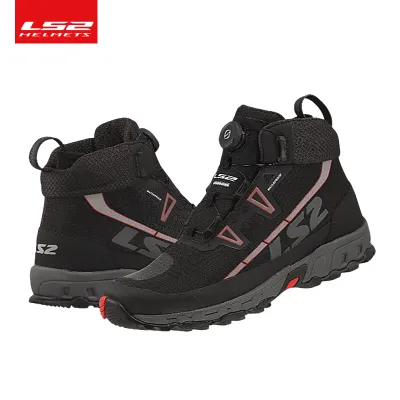
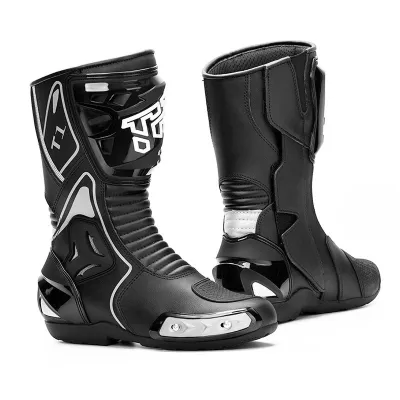
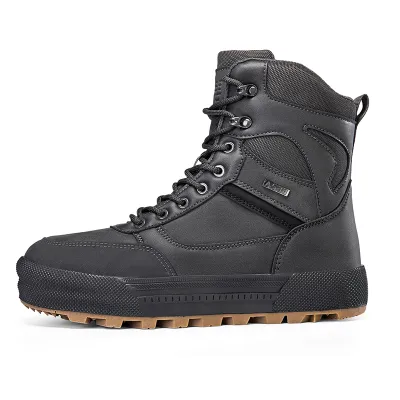
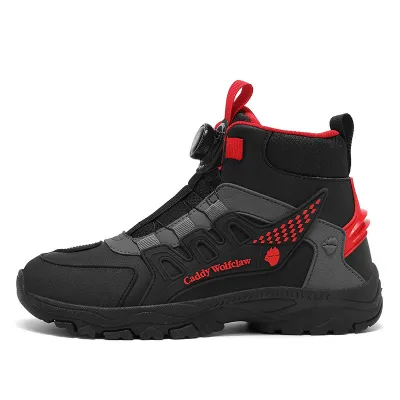
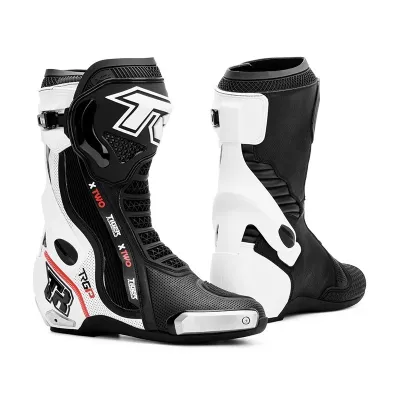
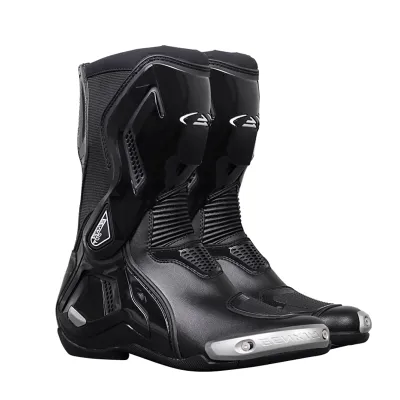
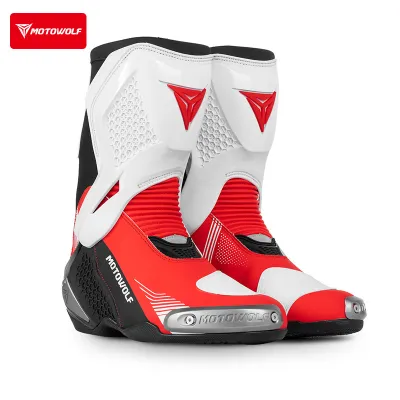
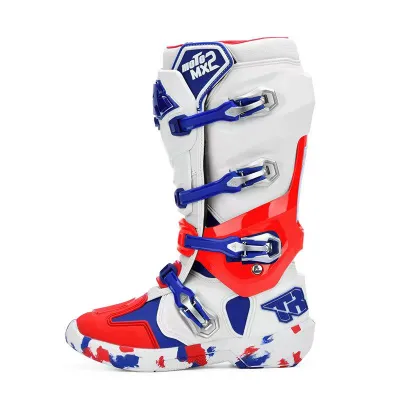
Prices are valid at publication and may change. Please refer to the product page for the latest price.
Quick entry and exit mechanisms are highly practical for daily commuters who need to gear up rapidly before work or change quickly upon arrival. Many urban riding shoes feature side zippers, quick-lace systems, or hook-and-loop straps that allow you to slip the footwear on and off in seconds. These systems eliminate the hassle of traditional laces, which can also pose a safety hazard if they untangle and catch on the bike’s moving parts.
Breathability is another critical factor, especially when riding in warm, humid urban environments. Stop-and-go traffic limits airflow, causing heat to build up quickly inside heavy boots. Commuter-focused riding footwear often utilizes perforated microfiber, lightweight canvas, or high-airflow mesh panels to keep your feet cool and dry during slow-moving city transits.
Walking comfort and casual aesthetics are essential if you plan to wear your riding footwear at your destination. Modern urban riding shoes are styled to look like everyday sneakers or casual boots, allowing them to blend seamlessly into office, school, or social settings. They feature flexible soles that accommodate natural foot movement, making them comfortable for walking short distances or standing for extended periods.
Despite their casual appearance, proper commuter riding shoes must still provide essential protection zones. Look for reinforced toe boxes to protect against crushing forces, stiffened heel cups, and integrated ankle cups on both the medial and lateral sides. A dedicated shift pad on the upper toe area is also necessary to prevent premature wear from constant gear changes in heavy traffic.
Essential Features for Long-Distance Touring
Long-distance touring exposes riders to sustained high speeds, unpredictable weather, and hours of continuous footpeg contact. Footwear built for touring must offer robust structural integrity, environmental protection, and fatigue reduction.

Advanced ankle and shin support is a defining feature of touring boots. These boots typically feature tall shafts that extend well above the ankle, incorporating rigid thermoplastic polyurethane (TPU) protectors or internal bracing systems. This structural reinforcement reduces ankle fatigue during long hours on the road and provides robust protection against impact and twisting forces in the event of a fall.
Weatherproofing capabilities are vital for touring through changing climates and sudden tropical rainstorms. High-quality touring boots often feature integrated waterproof and breathable membranes that keep water out while allowing sweat vapor to escape. Some models also include thermal linings or adjustable ventilation ports to help manage temperature variations over long journeys.
A stiff sole and a reinforced chassis are critical for maintaining stability and grip on the footpegs. Unlike flexible commuter shoes, touring boots utilize rigid shank inserts—often made of steel, nylon, or composite materials—running through the midsole. This rigidity prevents the foot from flexing excessively over the footpegs, reducing arch fatigue and ensuring a secure grip even when standing on the pegs during rough stretches.
Heavy-duty abrasion resistance and secure closure systems are essential for high-speed highway riding. Touring boots are constructed from thick full-grain leather or advanced synthetic materials designed to withstand high-friction slides. Secure closures, such as heavy-duty buckles, wide hook-and-loop panels, and robust zippers, help ensure the boots remain firmly on your feet during an impact.
Evaluating Cross-Scenario Compatibility
For many riders, owning multiple pairs of specialized riding footwear may not be immediately practical due to budget constraints or storage limits. Evaluating whether a single, versatile pair can handle both city commutes and weekend tours requires analyzing your specific riding habits.
Mid-height boots and hybrid adventure-touring shoes represent a common middle ground. These options offer more ankle support and weatherproofing than casual riding sneakers, while remaining lighter and more flexible than full-height touring boots. However, this compromise means they may feel warm and stiff during short city errands, and they do not offer the greater shin protection of a dedicated touring boot on the highway.
To determine the best path forward, you can use a simple decision framework based on your weekly mileage, off-bike walking requirements, and weather exposure. If your weekly routine consists of mostly short city trips with significant walking and only occasional short highway runs, a protective, breathable riding shoe is highly practical. Conversely, if you regularly cover hundreds of kilometers on the highway every weekend, the safety and weatherproofing of a dedicated touring boot should take priority, even if it means carrying a spare pair of casual shoes in your backpack for off-bike use.
Investing in two dedicated pairs of footwear is often the most effective long-term solution if your budget allows. This approach helps minimize compromises on safety during high-speed tours or discomfort from hot, stiff feet during daily city commutes. If you must choose just one pair to start, prioritize the footwear that matches the highest-risk environment you encounter most frequently, which is typically high-speed highway riding.
Verifying Fit, Safety Labels, and Construction
Regardless of the style you choose, riding footwear can only protect you effectively if it fits correctly and features verified construction standards. Performing a thorough pre-purchase inspection is essential before making an investment.
When fitting new riding boots, test them while wearing the specific socks you plan to use on your rides. Put on both boots, fasten them completely, and simulate your riding posture by sitting on a bike or bending your knees. Ensure there is no excessive heel lift when you walk, and verify that your toes do not press hard against the front of the toe box, which can cause severe discomfort during long rides.
Locate and read the manufacturer’s safety labels and certification marks directly on the product. Look for official certification tags, such as the European CE marking (specifically EN 13634 for protective footwear for motorcycle riders), which indicate the boots have undergone standardized testing for abrasion resistance, impact cut resistance, and transverse rigidity. These labels typically display a pictogram of a motorcyclist alongside numbers indicating the performance level achieved in various test categories.
Finally, physically inspect the construction details of the footwear before purchasing. Squeeze the heel cup and toe box to check if they are rigid and do not collapse easily under hand pressure. Attempt to twist the sole; a safe riding boot should resist twisting and bending along its length, indicating a strong internal shank. Check the stitching around high-wear areas and ensure the shift pad is securely stitched or molded onto the upper material to withstand thousands of gear changes.
Frequently Asked Questions (FAQ)
Are regular work boots or sneakers safe for motorcycle riding?
Regular work boots and sneakers do not provide adequate protection for motorcycle riding. Standard canvas, mesh, or thin leather sneakers tear easily when slid across asphalt, offering very limited abrasion resistance. Additionally, casual footwear lacks the reinforced ankle cups, stiffened heel counters, and rigid toe boxes necessary to protect against crushing and impact injuries.
Another major risk of wearing standard sneakers is lace entanglement. Loose laces can easily wrap around footpegs, gear shifters, or drive chains, preventing you from putting your foot down at a stop and causing a fall. Standard work boots may offer thicker leather, but their soles are often too flexible and lack the internal shank needed to prevent severe foot flexion during an accident.
How should I clean and maintain my riding boots?
Proper maintenance preserves both the structural integrity and the protective features of your riding footwear. Always check the manufacturer’s care labels and instructions before applying any cleaning products, as different materials require specific treatments. For leather boots, use a damp cloth to remove dirt and road grime, then apply a dedicated leather conditioner to prevent drying and cracking.
Avoid using harsh household detergents, bleach, or solvents, as these chemicals can degrade waterproof membranes, weaken stitching, and damage synthetic panels. If your boots get wet after a rainy ride, avoid drying them using direct heat sources like hair dryers or radiators, which can warp the sole and ruin the leather. Instead, remove the insoles, stuff the boots with newspaper to absorb moisture, and let them air-dry naturally in a well-ventilated area away from direct sunlight.
Community discussion
Share your experience or ask a question. Comments are reviewed before publication.