
Navigating the daily traffic of busy metropolitan areas requires a scooter that is responsive, quiet, and highly efficient, yet many riders also seek the enhanced power delivery and sporty sound of a performance machine during weekend rides. Choosing the right scooter exhaust pipe to satisfy both demands requires a clear understanding of how exhaust design affects engine backpressure, weight, and sound output. By matching the physical properties and mechanical design of an aftermarket pipe to your primary riding environment, you can achieve the ideal balance of low-speed responsiveness for city commuting and high-RPM efficiency for open-road touring.
What are the main differences between commuting and performance exhaust systems?
To select the correct scooter exhaust pipe, you must first understand how internal engine dynamics interact with the exhaust system’s physical structure. Commuting exhaust systems are engineered primarily to maintain a specific level of backpressure within the engine. Backpressure is the resistance faced by exhaust gases as they exit the combustion chamber, and a moderate amount of it is essential for optimizing low-end and mid-range torque. In the stop-and-go traffic typical of urban centers, this low-end torque is what allows your scooter to accelerate smoothly and quickly from a complete stop without needing to rev the engine to its absolute limits. Consequently, commuting-focused pipes feature internal baffling and chambers that restrict gas flow slightly, which keeps the engine quiet, preserves fuel economy, and delivers predictable power at lower speeds.
In contrast, performance exhaust systems are designed to maximize gas flow at high engine speeds, often sacrificing low-end torque for top-end horsepower. These systems typically utilize a straight-through or free-flowing design with minimal internal restriction, allowing exhaust gases to escape as quickly as possible when the engine is running at high RPMs. While this design is highly effective for track riding or open-highway cruising where you can maintain high speeds, it often results in a noticeable loss of pulling power at low speeds. Furthermore, the reduction in internal baffling means performance systems are significantly louder and can lead to increased fuel consumption because the engine requires a richer fuel mixture to match the increased airflow. Before purchasing a new pipe, you must evaluate whether your weekly route consists mostly of congested city streets where low-end power is vital, or open highways where high-RPM efficiency can be fully utilized.
Products mentioned in this guide
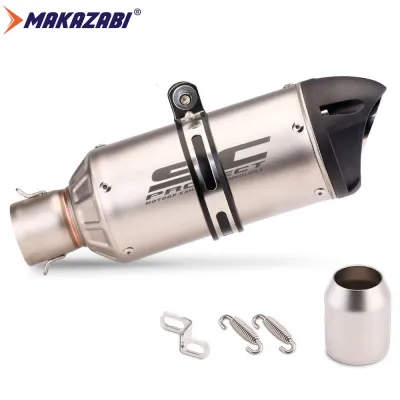
14 Lazada user ratings
legit seller, pure stainless,, perfect for ninja1000sx, only need to small modifications on threaded hole, must be m10 for ninja1000sx, i re…Read full reviewShow less
legit seller, pure stainless,, perfect for ninja1000sx, only need to small modifications on threaded hole, must be m10 for ninja1000sx, i received m18, but don't worry, snall things, need modification. if you try to order for ninja1000sx, chat with them to give reducer or tell them the correct threaded,, overall very nice,,, tnx seller....
Very fast and smooth transaction despite of overseas shipment.. good and packaging of the item. Nice appearance
10000/10 cannot say anything the item is perfect
perfect !!! fast shipping. product quality 👍🏻👍🏻👍🏻👍🏻👍🏻👍🏻👍🏻👍🏻👍🏻👍🏻👍🏻
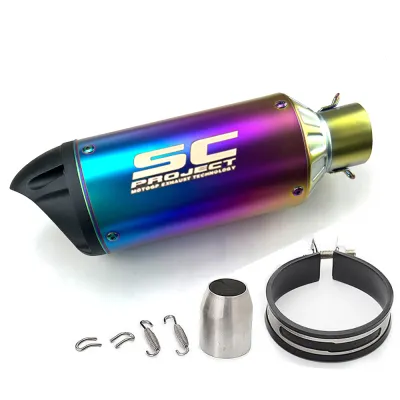
41 Lazada user ratings
Thank you Lazada! maayos pagka package Medyo ma ulan lang pag deliver pero sulit nmn Ang item.
items was nice will buy again next time ask ko lng, saan nilalagay itong bilog sa steel?
very nice,its fit in my motorcycle fast delivery,ganda ng tunog love it.....
maraming salamat sa Lazada at seller and riders Ang ganda ng items quality
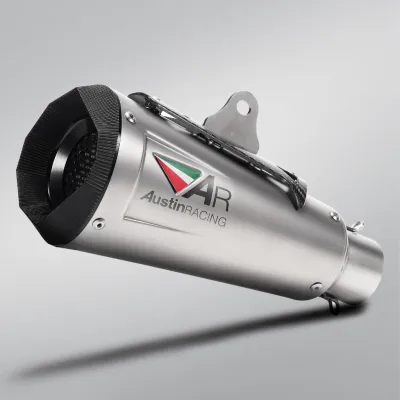
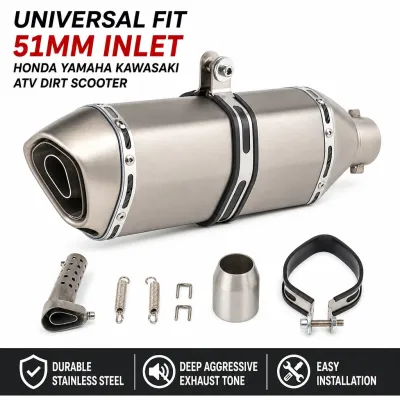
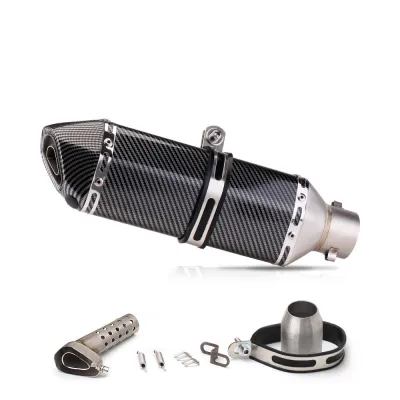
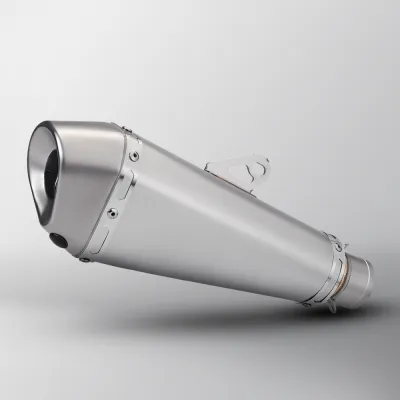
Prices are valid at publication and may change. Please refer to the product page for the latest price.
How do exhaust materials and build quality affect your daily ride?
The materials used to construct a scooter exhaust pipe directly influence its durability, weight, heat management, and overall cost. Stainless steel is the most common material for both stock and mid-range aftermarket exhausts due to its excellent balance of strength and corrosion resistance. In tropical climates characterized by high humidity, heavy rainfall, and occasional road flooding, stainless steel provides a robust defense against rust and structural degradation. While it is heavier than premium materials, its structural integrity ensures that the exhaust can withstand the constant vibrations and physical impacts of daily commuting over uneven road surfaces.

For riders prioritizing weight reduction and advanced heat dissipation, titanium and carbon fiber represent the premium tier of exhaust materials. Titanium is exceptionally light and strong, offering significant weight savings over stainless steel while handling extreme exhaust temperatures without warping. Carbon fiber is primarily used for the outer sleeve of the muffler, providing a distinct modern aesthetic and remaining cool to the touch much faster than metallic alternatives, which reduces the risk of accidental burns. However, these high-end materials come with a higher price tag, often positioning them in premium budget brackets exceeding ₱10,000 or ₱15,000, and they can be more susceptible to cracking if subjected to severe physical impacts. When evaluating options, you should check the manufacturer’s specifications for wall thickness and welding quality—such as clean, uniform TIG welds—rather than relying solely on visual appeal, as robust construction is critical to preventing exhaust leaks and bracket failures over time.
Which exhaust design matches your specific riding style and route?
Exhaust systems generally fall into two design categories: slip-on mufflers and full exhaust systems. A slip-on exhaust replaces only the rear muffler portion of the system, leaving the original header pipe attached to the engine cylinder head. This design is highly suitable for daily commuters who want a mild acoustic change and a sportier appearance without altering the scooter’s fundamental engine dynamics. Slip-ons are relatively easy to install, require minimal mechanical intervention, and generally do not demand extensive engine tuning because they do not drastically alter the overall airflow of the system. This makes them a cost-effective and practical choice for riders operating standard displacement scooters between 110cc and 160cc.
A full exhaust system, on the other hand, replaces the entire assembly from the engine exhaust port to the muffler tip. This option is designed for riders seeking maximum performance gains and substantial weight reduction. By utilizing a wider, more gradually curved header pipe, a full system optimizes gas velocity and scavenging, allowing the engine to breathe much more freely. However, installing a full system significantly alters the air-fuel ratio, meaning you must perform professional engine tuning—such as ECU remapping for fuel-injected models or carburetor rejetting for older models—to prevent the engine from running too lean, which can cause overheating and severe internal damage. If your daily route involves steep inclines or long highway stretches where every bit of power counts, a full system may be beneficial, provided you are prepared for the additional mechanical work and tuning costs.
What legal and safety checks must you complete before installing a new exhaust?
Before purchasing or installing any aftermarket scooter exhaust pipe, you must ensure that the modification complies with local transport regulations and safety standards. In the Philippines, the Land Transportation Office (LTO) enforces strict guidelines regarding vehicle modifications, particularly concerning noise levels. Standard regulations generally mandate that motorcycle and scooter exhaust systems must not exceed specific decibel limits, often set around 99 decibels when tested at a standardized distance and engine speed. Installing an excessively loud pipe without a proper decibel reducer (DB killer) can result in heavy fines, confiscation of the exhaust, or failure during registration renewal. Always verify that any aftermarket pipe you consider includes a removable or permanent DB killer to keep the sound output within legal boundaries.
Safety on the road also depends on the physical integration of the exhaust pipe with your scooter’s chassis. You must check that the replacement pipe does not compromise the vehicle’s ground clearance, especially when leaning into turns or navigating deep potholes and speed bumps. Furthermore, a proper heat shield is an absolute necessity to protect both the rider and any pillion passenger from severe exhaust burns during stop-and-go city riding. Finally, modifying your exhaust system can void your scooter’s manufacturer warranty, particularly if the installation leads to engine issues or electrical modifications. To safeguard your investment, consult your authorized dealer regarding warranty terms and always employ a certified mechanic to handle installations that require fuel mapping or structural adjustments.
How can you verify compatibility and maintenance requirements for your scooter?
Verifying compatibility before purchasing an exhaust pipe is crucial, as even minor differences in scooter model years or engine variants can prevent a proper fit. You must confirm the exact model year, engine displacement, and engine code of your scooter, as manufacturers frequently update mounting bracket locations, oxygen sensor port threads, and header pipe curves between model generations. Never assume that an exhaust designed for a 150cc scooter will automatically fit a 125cc variant of the same model line. Checking the alignment of the mounting points on your scooter’s frame against the exhaust bracket specifications is an essential pre-purchase step to avoid structural stress on the engine casing.
Once installed, maintaining your aftermarket exhaust system is vital to preserving its performance and appearance. Altering the exhaust flow often requires adjusting the fuel delivery system; if your scooter is fuel-injected, an ECU reset or the installation of a fuel controller may be necessary to maintain a balanced air-fuel ratio, while carbureted models will require physical jet adjustments. For ongoing maintenance, establish a routine to inspect the exhaust gasket for leaks, check that all mounting bolts remain torqued to manufacturer specifications, and clean the pipe regularly to prevent road grime from baking onto the hot metal. Stainless steel pipes will naturally develop a golden or blue discoloration over time due to heat, which is normal, but any signs of soot around joints indicate a gas leak that requires immediate gasket replacement to prevent loss of engine compression.
Community discussion
Share your experience or ask a question. Comments are reviewed before publication.