
Finding the right seat cover for your Yamaha NMAX V2 in the Philippines requires balancing protection, comfort, and precise fitment. Because the second-generation NMAX features a redesigned seat pan compared to its predecessor, choosing a cover specifically tailored to the V2 contours is essential to prevent slipping and premature wear. A well-chosen cover protects the underlying foam from intense tropical sun and heavy monsoon rains while enhancing rider comfort during long daily commutes.
Quick Answer: What to Look for in an NMAX V2 Seat Cover
To select the ideal seat cover for your Yamaha NMAX V2, prioritize three main factors: exact model compatibility, material performance under tropical conditions, and robust construction. The cover must match the specific dimensions of the V2 seat pan to avoid loose fabric that can slide during cornering.
For materials, synthetic leather offers excellent water resistance and is easy to wipe dry, while spacer mesh provides superior ventilation to reduce heat buildup during hot afternoon rides. Before making a purchase, inspect the stitching quality, look for reinforced seams, and verify that the manufacturer explicitly guarantees compatibility with the V2 model rather than offering a generic, one-size-fits-all solution.
Products mentioned in this guide
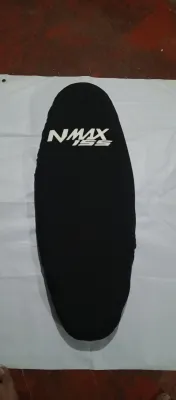
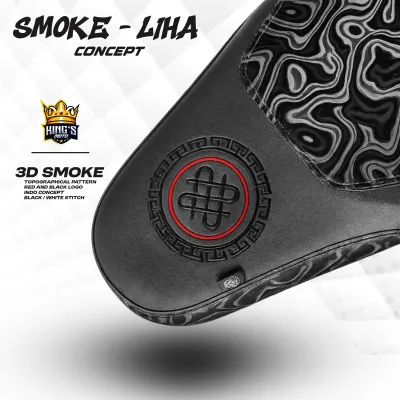
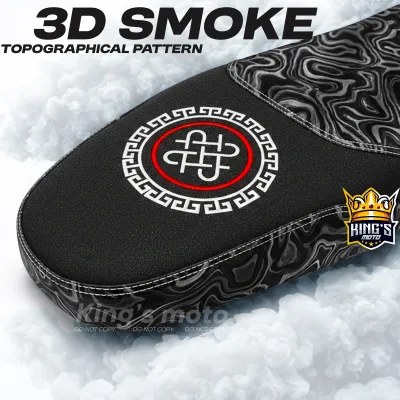
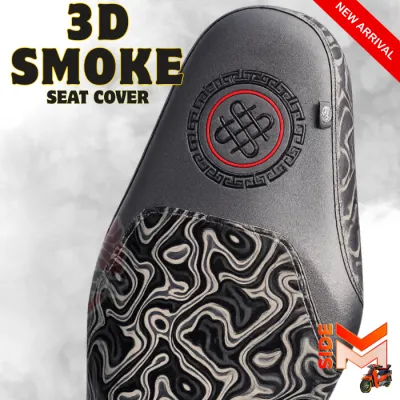
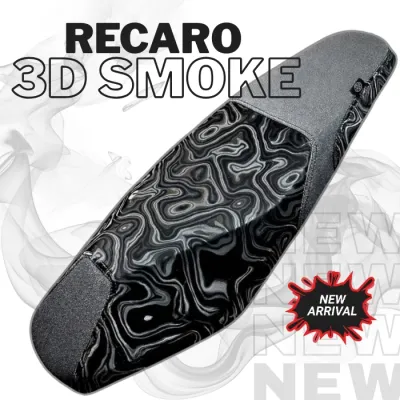
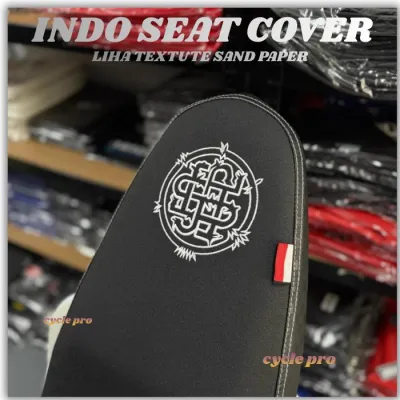
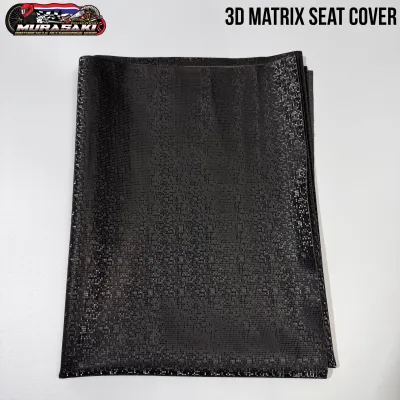
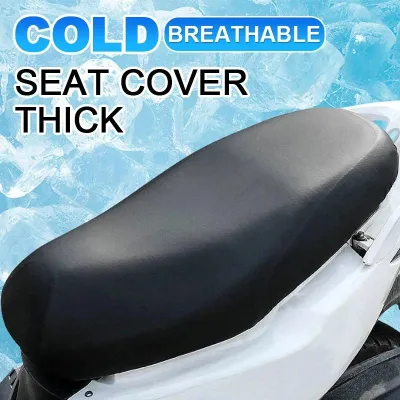
Prices are valid at publication and may change. Please refer to the product page for the latest price.
Understanding NMAX V2 Seat Compatibility and Fitment
The Yamaha NMAX V2 features a distinct seat design that sets it apart from the first-generation model. The seat pan of the V2 has a more tapered front section to help riders easily reach the ground, along with a modified passenger contour and different mounting point configurations underneath. Because of these structural changes, seat covers designed for the V1 will not fit properly on a V2 seat. Attempting to stretch a V1 cover over a V2 seat often results in torn seams, while using a loose cover creates unsightly wrinkles and unstable seating surfaces.

When browsing options, always check the manufacturer’s specifications for exact year and model compatibility. Look for clear labeling such as “NMAX V2” or model years spanning from 2020 to 2026. Avoid listings that use ambiguous terms like “NMAX All Models” or “Universal Scooter Seat Cover,” as these generic products rarely account for the specific stepped design of the NMAX seat. A proper fit ensures that the cover remains taut, preserving the clean lines of your scooter and preventing the material from shifting when you shift your weight.
Using a poorly fitted or universal cover on a scooter seat carries several practical risks. Loose material can bunch up under the rider, creating pressure points that lead to discomfort and chafing during extended trips. Furthermore, excess fabric allows rainwater to pool in the folds, which can seep through the seams and saturate the seat foam. Over time, this trapped moisture can cause the internal foam to degrade, emit unpleasant odors, and lose its supportive cushioning, ultimately requiring a complete seat replacement.
Material Options and Their Impact on Comfort and Durability
The choice of material directly influences how your seat cover performs under the demanding weather conditions of the Philippines. The three most common materials available for the NMAX V2 are synthetic leather, spacer mesh, and suede-style fabrics, each offering distinct advantages and trade-offs.
Synthetic leather, often made from high-grade polyurethane or marine-grade vinyl, is highly favored for its excellent water resistance. When a sudden tropical downpour hits, water sits on the surface rather than soaking through, allowing you to dry the seat quickly with a simple wipe of a cloth. However, synthetic leather tends to absorb and retain heat when parked in direct sunlight, which can make the seat uncomfortably hot to sit on initially.
Spacer mesh, commonly referred to as cooling mesh, features a three-dimensional woven structure that allows air to circulate freely beneath the rider. This ventilation significantly reduces heat buildup and perspiration during long rides in high humidity. The primary drawback of spacer mesh is its lack of water resistance; rain passes directly through the open weave. If your scooter is parked in the open during the rainy season, the underlying seat foam will become wet unless the mesh cover is paired with an integrated waterproof underlayer.
Suede-style or Alcantara-style fabrics provide a premium, high-grip surface that prevents the rider from sliding forward during sudden braking. This material adds a sporty aesthetic to the NMAX V2 and remains relatively cool under the sun. However, suede-style fabrics are highly absorbent and require regular, specialized cleaning to prevent dirt, sweat, and road grime from staining the surface or causing premature wear.
Regardless of the material type you select, it is crucial to check the product specifications for UV resistance and waterproofing treatments. Do not assume that all synthetic leathers or fabrics behave the same way. High-quality covers are treated with UV inhibitors that protect the material from cracking, fading, and becoming brittle under intense sunlight. Checking the product label or manufacturer documentation for these specific treatments ensures your investment will withstand daily exposure to the elements.
Evaluating Style, Ergonomics, and Weather Resistance
Balancing aesthetic appeal with practical ergonomics is key to finding a seat cover that enhances both the look of your NMAX V2 and your overall riding experience. Textured surfaces, such as carbon-fiber weaves or ribbed patterns, do more than just look sporty; they provide essential mechanical grip. This grip keeps you firmly planted in the saddle during acceleration and cornering, reducing rider fatigue by minimizing the constant micro-adjustments your body makes to stay balanced.
For riders who frequently embark on long-distance journeys or spend hours navigating heavy city traffic, covers with integrated padding offer significant ergonomic benefits. Some aftermarket covers feature built-in gel inserts or high-density memory foam sections strategically placed to distribute body weight more evenly. This extra padding helps alleviate pressure on the tailbone and thighs, reducing the numbness and discomfort often associated with long hours on a stock seat.
Verifying weather resistance claims requires looking beyond basic marketing terms. Inspect the underside of the seat cover to see if the seams are sealed or taped. Standard stitching creates thousands of tiny needle holes; without a waterproof backing or seam-sealing tape, water will eventually penetrate these holes and saturate the seat foam. High-quality weather-resistant covers feature double-stitched seams reinforced with a waterproof barrier on the interior side to keep moisture out completely.
Before finalizing your purchase, use this checklist to inspect the visual and structural details of the seat cover:
- Stitching Uniformity: Ensure the thread lines are straight, even, and free of loose loops or frayed ends.
- Reinforced Edges: Look for heavy-duty piping or double-stitched borders along high-stress areas like the seat corners.
- Colorfastness: Verify that the dyes used in the material are stable and will not bleed onto your clothing when wet.
- Attachment Points: Check that the elastic bands, velcro straps, or drawstring cords are securely stitched to the cover body and capable of maintaining tension.
How to Build Your Shortlist: Where to Buy and What to Verify
Building a reliable shortlist of seat covers involves sourcing from reputable sellers and carefully verifying product details before spending your money. In the Philippines, authorized motorcycle accessory dealers, physical upholstery shops, and established online marketplaces are the primary sources for quality seat covers. Visiting a physical shop allows you to feel the material and check the fitment directly, while online platforms offer a wider variety of styles and price points, typically ranging from ₱300 for basic slip-on covers to over ₱1,500 for premium, custom-tailored options.
When shopping on online marketplaces, verifying seller credibility is essential to avoid counterfeit or poorly made products. Look for listings that feature actual customer photos of the cover installed on an NMAX V2, rather than relying solely on polished manufacturer renders. Read through customer reviews to gauge how well the cover fits, whether the color matches the description, and how the material holds up after several months of use. A highly rated seller with active customer engagement and clear communication is much more likely to deliver a satisfactory product.
Before placing your order, run through this pre-purchase checklist to confirm all critical details:
- Fitment Guarantee: Ensure the seller explicitly states the cover is designed for the Yamaha NMAX V2 (second generation).
- Return and Exchange Policy: Confirm that you can return or exchange the cover if it arrives with manufacturing defects or does not fit your seat pan.
- Authentic Images: Avoid listings that only use generic stock photos; look for real-world images of the product's underside and stitching.
- Included Accessories: Verify whether the cover comes with necessary mounting straps, tension adjusters, or if it requires separate tools like a staple gun.
Installation and Maintenance Guidelines
Proper installation and regular maintenance are vital to ensuring your NMAX V2 seat cover looks great and lasts for years. The installation process depends heavily on whether you have chosen a slip-on cover or a full replacement cover.
For slip-on covers, the key is achieving even tension across the entire seat surface. Begin by aligning the front nose of the cover with the front of the seat, then stretch the material firmly toward the rear passenger section. Once the front and back are aligned, pull the sides down evenly. Secure the cover using the integrated elastic bands, drawstrings, or velcro straps underneath the seat pan. Smooth out any wrinkles or air pockets as you go, ensuring the cover is tight enough that it does not shift when you sit down, but not so tight that it strains the seams or compresses the underlying foam excessively.
If you have purchased a custom-fit replacement cover that requires stapling, or if the installation seems too complex, it is highly recommended to seek professional upholstery services. Professional installers have specialized tools, such as heavy-duty pneumatic staple guns and heat guns, to stretch the material perfectly over the complex curves of the NMAX V2 seat. This ensures a completely wrinkle-free finish and a secure, watertight seal that is difficult to replicate with basic household tools.
Maintaining your seat cover involves simple, routine cleaning tailored to the specific material. For synthetic leather and vinyl covers, wipe the surface regularly with a soft microfiber cloth dampened with mild soap and warm water. Avoid using harsh chemical solvents, bleach, or abrasive scrubbing pads, as these can strip away protective UV coatings and cause the material to crack. For mesh covers, vacuum out dust and debris periodically, and hand wash with mild detergent when necessary, allowing the cover to air dry completely in a shaded, well-ventilated area before reinstalling it on your scooter.
Frequently Asked Questions (FAQ)
Can I use an NMAX V1 seat cover on the V2 model?
No, you cannot use an NMAX V1 seat cover on a V2 model due to significant structural differences in the seat pan and overall dimensions. The V2 seat features a narrower front profile, a different slope for the rider’s section, and altered mounting points underneath. Attempting to force a V1 cover onto a V2 seat will result in an improper fit, loose fabric, or torn seams. Always check the exact product listing and manufacturer notes to confirm the cover is specifically designed for the V2 model.
Will a dark-colored seat cover get too hot under the sun?
Yes, dark-colored seat covers, especially those made of solid synthetic leather or vinyl, absorb more thermal radiation and can become extremely hot when parked under direct sunlight. To mitigate this issue, you can park your scooter in shaded areas whenever possible, use a reflective silver sun shield over the seat when parked outdoors, or opt for a spacer mesh cover which allows air to circulate and prevents the surface from retaining excessive heat.
Do I need to remove the original seat cover before installing a new one?
Whether you need to remove the original seat cover depends entirely on the design of the aftermarket product you purchased. Slip-on covers are designed to go directly over your existing seat cover, making them easy to install and remove. However, full replacement covers require you to pry out the original staples, remove the factory vinyl, and staple the new cover directly to the plastic seat pan. Always consult the manufacturer’s specific instructions to determine the correct installation method for your product.
Community discussion
Share your experience or ask a question. Comments are reviewed before publication.