
Upgrading the side panels of your scooter is a popular way to customize its profile, but finding a slim airbox cover that genuinely fits the Honda ADV160 requires careful verification. Because aftermarket inventory fluctuates and fitment quality varies widely across different manufacturers, this guide focuses on equipping you with the exact criteria to evaluate compatibility, assess material durability, and safely source a high-quality replacement in the Philippines. Rather than relying on unverified product claims, you will learn how to inspect mounting points, compare material trade-offs, and identify reliable sellers to ensure your upgrade looks great and performs safely.
Understanding the Appeal of a Slim Airbox Cover
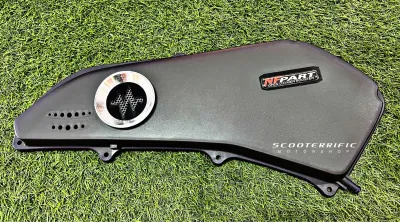
The primary motivation for swapping out the stock airbox cover on the Honda ADV160 is visual customization. The original factory cover features a highly pronounced, utilitarian shape that matches the rugged adventure styling of the scooter but can appear excessively wide to some riders. A slim airbox cover narrows this side profile, tucking the lines of the machine inward to create a more aggressive, aerodynamic, and modern aesthetic. This streamlined look is particularly popular among riders who prefer a clean, urban-commuter style over the bulky, off-road-ready factory appearance.
Beyond pure aesthetics, a slimmer side profile can subtly influence rider ergonomics and daily usability. In tight traffic situations, such as filtering through congested lanes in Metro Manila, every millimeter of reduced width contributes to a more compact footprint. While the airbox cover itself does not directly contact the rider’s legs during normal operation, a narrower rear body section can make it slightly easier for shorter riders to plant their feet firmly on the ground at stops. It also reduces the likelihood of passenger footwear or riding gear catching on the edges of the bodywork when mounting or dismounting.
Products mentioned in this guide
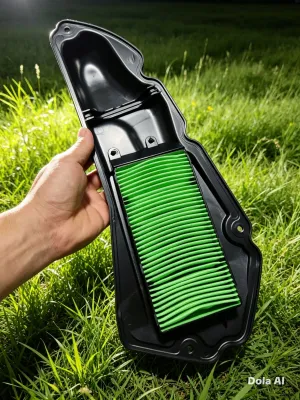
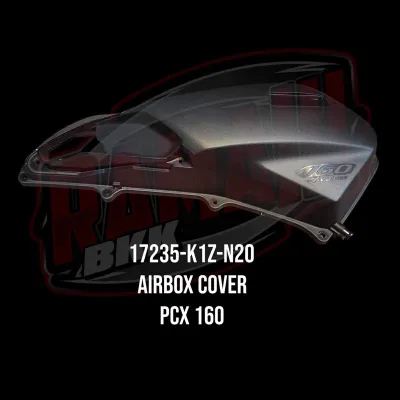
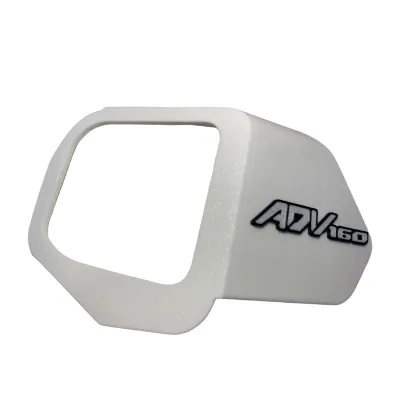
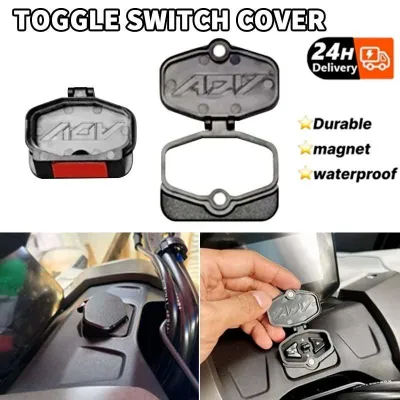
Prices are valid at publication and may change. Please refer to the product page for the latest price.
Another critical consideration is how a modified cover interacts with the engine bay’s thermal environment. The Honda ADV160 utilizes a liquid-cooled eSP+ engine, which relies on efficient heat dissipation around the crankcase and radiator. While the outer airbox cover is primarily a cosmetic shield rather than a structural cooling component, a well-designed slim cover must maintain adequate clearance around the engine block to prevent heat buildup. High-quality aftermarket covers incorporate subtle ventilation channels or heat-resistant backing to ensure that the localized operating temperatures of the airbox and surrounding electrical lines remain within safe limits, even during prolonged idling in tropical heat.
Essential Fitment and Compatibility Checks
Before purchasing any aftermarket panel, verifying exact model-year compatibility is paramount. A common pitfall for Honda ADV owners in the Philippines is confusing accessories designed for the older ADV150 with those engineered for the newer ADV160. Although these two scooters share a similar design language, their frames, engine casings, and mounting points are fundamentally different due to the transition to the eSP+ engine platform. An airbox cover designed for the ADV150 will not align with the mounting holes of the ADV160, and attempting to force a fit can crack the plastic tabs or strip the threads on your engine casing. Always double-check that the product listing or packaging explicitly specifies compatibility with the ADV160.

To ensure a secure and rattle-free installation, you must carefully inspect the mounting points of the aftermarket cover against your stock panel. The factory cover is secured using a precise combination of screw holes, push-pin rivets, and molded plastic tabs that slot into rubber grommets on the frame. When evaluating a slim cover, look closely at the rear molding: the tabs should be thick, cleanly cut, and positioned in the exact coordinates as the original. If the tabs are too thin or misaligned by even a few millimeters, the panel will not sit flush, leaving unsightly gaps that allow rainwater and road grime to penetrate the inner engine bay.
Clearance is another critical factor that requires physical verification, especially if you have modified other parts of your scooter. A slim airbox cover must clear the internal air filter housing completely without compressing or distorting the rubber seals that keep dirt out of the engine. Furthermore, you must check for clearance against the rear suspension. If you have upgraded to aftermarket rear shock absorbers with external gas reservoirs, such as those from YSS, RCB, or Ohlins, a slimmer cover might rub against the shock body or reservoir during deep suspension compression. Ensure there is a safe buffer zone between the cover, the exhaust heat shield, and all moving suspension components to prevent friction damage over rough roads.
How to Evaluate Material and Build Quality
The longevity of your new airbox cover depends heavily on the type of plastic used in its construction. Most aftermarket body panels are manufactured from either Acrylonitrile Butadiene Styrene (ABS) or Polypropylene (PP). ABS is a rigid, highly impact-resistant plastic that holds paint and clear coats exceptionally well, making it the preferred choice for achieving a premium, glossy finish. However, ABS can be brittle if subjected to extreme twisting. Polypropylene, on the other hand, is more flexible and resilient against cracking under vibration, though it can be harder to paint cleanly. For a component like an airbox cover, which is subjected to constant engine vibration and road debris, high-grade ABS with reinforced mounting tabs offers the best balance of structural rigidity and aesthetic appeal.
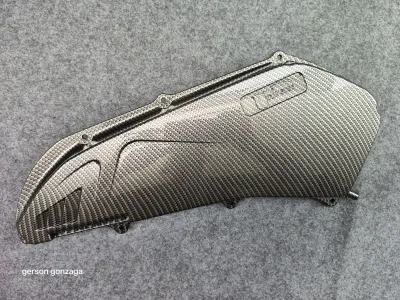
Many riders are drawn to the premium look of carbon fiber, but it is vital to distinguish between genuine structural carbon fiber and cosmetic finishes. The vast majority of affordable slim airbox covers on the market feature a carbon-look finish achieved through hydro-dipping (water-transfer printing) or vinyl wrapping over standard ABS plastic. While these methods provide an attractive pattern at a fraction of the cost, they do not offer the weight savings or extreme strength of real carbon fiber. If you choose a hydro-dipped cover, inspect the pattern closely for stretching, bubbles, or misalignment near the curves and edges, which indicate poor manufacturing quality.
The intense tropical sun and high humidity in the Philippines present a harsh environment for aftermarket plastics. Without proper protection, cheap plastics will quickly fade, turn yellow, or become brittle under constant UV exposure. When selecting a cover, verify that the manufacturer has applied a high-quality, UV-resistant clear coat over the paint or carbon pattern. Run your fingers along the edges of the panel to check for smooth sealing; rough, unsealed edges are highly susceptible to moisture intrusion, which causes the clear coat to peel and flake off over time, especially after exposure to heavy monsoon rains or high-pressure car washes.
Weighing OEM Accessories Against Aftermarket Options
When deciding between official Honda accessories and third-party aftermarket covers, you must weigh the guaranteed reliability of OEM parts against the stylistic freedom of aftermarket designs. Genuine Honda accessories, when available, are engineered to the exact tolerances of your ADV160. They use the same high-grade, weather-tested plastics as the factory bodywork, ensuring a perfect color match, seamless fitment, and zero risk of voiding your manufacturer’s warranty. However, OEM options tend to be conservative in design, maintaining a profile very similar to the stock look, and they are often more expensive and harder to source due to limited dealership stock.
Aftermarket slim covers offer a much wider array of aggressive shapes, unique textures, and integrated ventilation designs, allowing you to truly personalize your scooter. They are also highly accessible, with numerous local and international manufacturers producing options to fit various budgets. The trade-off is that aftermarket parts require a higher level of scrutiny from the buyer. You must act as your own quality control inspector, carefully vetting sellers and checking physical dimensions to avoid poorly molded parts that require modification to fit.
In terms of cost, aftermarket slim airbox covers in the Philippines generally range from around ₱500 for basic molded plastic options to upwards of ₱2,500 or more for premium hydro-dipped or hybrid-material designs. While it can be tempting to opt for the cheapest available part, extremely low-priced covers often suffer from thin construction, brittle mounting tabs, and poor UV resistance. Investing a bit more in a mid-range or premium aftermarket cover usually secures better material thickness, reinforced mounting points, and a durable clear coat that will withstand years of daily commuting on rough roads.
Where to Buy and How to Verify Sellers in the Philippines
Sourcing your slim airbox cover from a physical, local motorcycle shop in your area is highly recommended whenever possible. Visiting a brick-and-mortar shop allows you to physically hold the product, inspect the thickness of the plastic, check the flexibility of the mounting tabs, and even hold the panel up against your ADV160 to visually confirm alignment before handing over any money. Additionally, local shop owners and mechanics can often provide valuable installation advice or offer to mount the cover for you for a small fee, ensuring the job is done correctly without damaging your scooter.
If you choose to purchase through online marketplaces or e-commerce platforms, you must exercise a high degree of caution to avoid low-quality replicas or incorrect parts. Start by thoroughly analyzing the customer review section of the listing. Look specifically for reviews that include real photos and videos uploaded by actual buyers in the Philippines, rather than relying on the seller’s polished stock images. Pay close attention to feedback mentioning fitment, gaps, or vibration, as these are direct indicators of how well the cover actually integrates with the ADV160.
When shopping online, protect yourself by avoiding listings that exhibit clear red flags. Be wary of sellers who use generic stock photos, provide extremely brief product descriptions, or fail to explicitly state compatibility with the ADV160 model year. A reputable online seller should be responsive to direct messages; do not hesitate to ask them for live, unedited photos of the back of the cover to inspect the mounting tabs, and confirm their return and refund policy in case the part arrives damaged or fails to fit your scooter. Avoid any seller who refuses to offer a clear return path for defective or ill-fitting items.
Safe Installation and Maintenance Guidelines
Before beginning the installation process, perform a thorough pre-installation inspection of both your scooter and the new aftermarket cover. Park your ADV160 on a flat surface using the center stand, and allow the engine to cool completely to avoid accidental burns. Unbox the new slim cover and inspect it under bright light for any molding defects, hairline cracks, or warped edges. Hold the new cover directly alongside the stock cover while it is still mounted to your scooter; visually verify that every screw hole, tab, and contour matches the layout of your bike’s mounting points.
When removing the stock airbox cover, pay close attention to the hardware and fasteners used. Some aftermarket covers require you to reuse the original factory screws and rubber grommets, while others may come with their own hardware. If you are reusing the stock rubber grommets, inspect them for signs of wear, dry rot, or tearing; worn grommets lose their elasticity, which can lead to annoying panel vibrations and rattling at high speeds. Applying a tiny amount of silicone grease to the rubber grommets can make sliding the new cover’s plastic tabs into place much easier and prevent the tabs from snapping under pressure.
The most important rule of DIY installation is to never force a part into place. A properly manufactured aftermarket slim cover should slide onto the mounting points smoothly and align naturally with the screw holes. If you find yourself having to bend the panel excessively, pull hard on the plastic, or force screws in at an angle, stop immediately. Forcing the installation will inevitably lead to cracked mounting tabs, stripped threads on the airbox housing, or a warped panel that leaves gaps open to water intrusion. If the cover does not fit naturally, remove it, inspect for obstructions, and consult a professional mechanic or return the part to the seller.
Frequently Asked Questions (FAQ)
Will a slim airbox cover restrict airflow to the engine?
No, a properly designed slim airbox cover will not restrict airflow to your engine. The outer plastic cover is primarily a cosmetic and protective shield that sits over the actual, sealed air filter box. The engine draws air through a specific intake snorkel located inside the bodywork, not directly through the outer cosmetic panel. However, you must ensure that the aftermarket cover does not physically compress or deform the main airbox housing or block any functional ventilation ducts designed by Honda. Always verify that the cover sits flush and does not pinch any internal hoses or intake tubes during installation.
Do I need to modify the frame to install an aftermarket slim cover?
No, you should never have to modify, drill, or bend your scooter’s frame or engine casing to install a slim airbox cover. Reputable aftermarket accessories are designed to be strictly plug-and-play, utilizing the existing factory mounting holes, tabs, and grommets. If an aftermarket cover requires you to drill new holes into your airbox or make structural modifications to your ADV160, it is a sign of poor design or incorrect model compatibility. In such cases, you should halt the installation immediately and return the product, as modifying structural components can compromise your safety and void your vehicle’s warranty.
Community discussion
Share your experience or ask a question. Comments are reviewed before publication.