
Choosing the right spark plug for your Yamaha Barako—whether it is the classic Barako 175 or the newer Barako II—comes down to balancing your budget, riding habits, and how hard you push your motorcycle daily. There is no single “best” spark plug that fits every rider’s situation. A tricycle driver hauling heavy loads in stop-and-go traffic has vastly different requirements than a casual weekend commuter riding on open provincial roads.
The ideal choice between copper, platinum, and iridium depends on your budget, maintenance habits, and typical riding conditions. By understanding the physical differences, longevity, and thermal characteristics of these materials, you can select a plug that ensures reliable starting, smooth idling, and optimal fuel efficiency. This guide compares the three materials to help you make an informed decision based on verifiable specifications, manufacturer guidelines, and your personal needs.
Understanding Spark Plug Material Differences
To make an informed decision, it is essential to understand the fundamental physical and design distinctions between copper, platinum, and iridium spark plugs. The core material and the design of the electrode tip directly influence how efficiently the plug generates the spark needed to ignite the air-fuel mixture in your engine.
Products mentioned in this guide
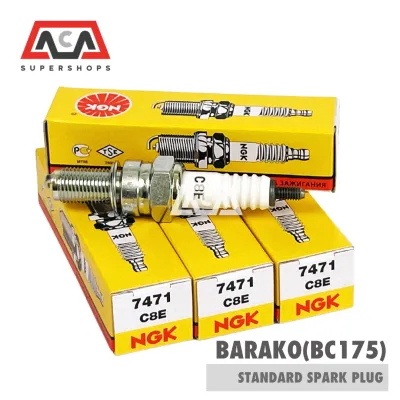
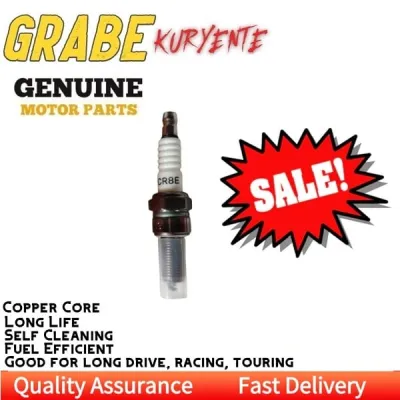
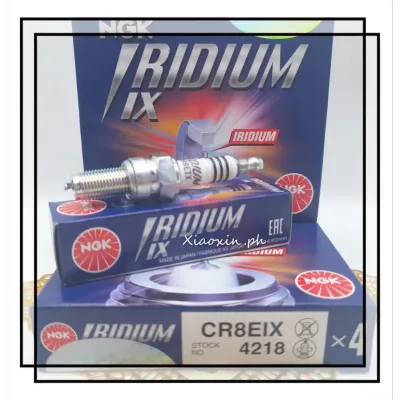
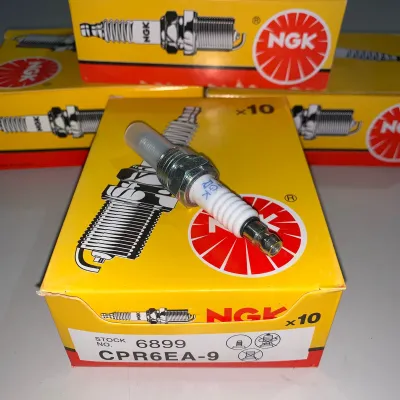
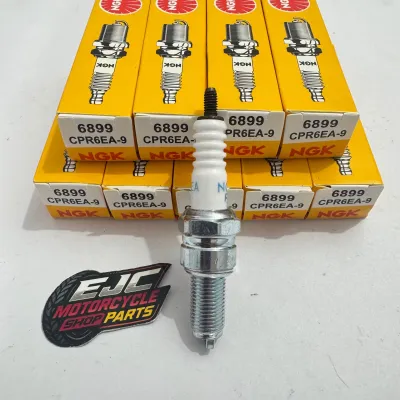
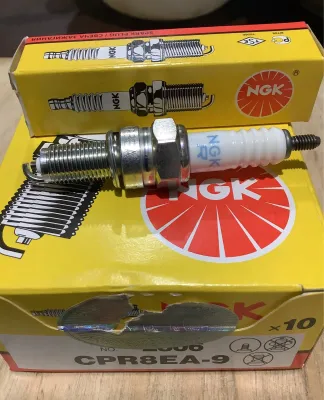
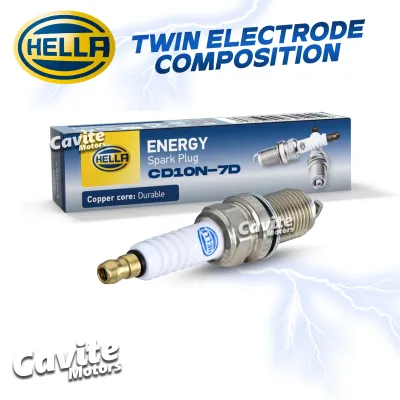
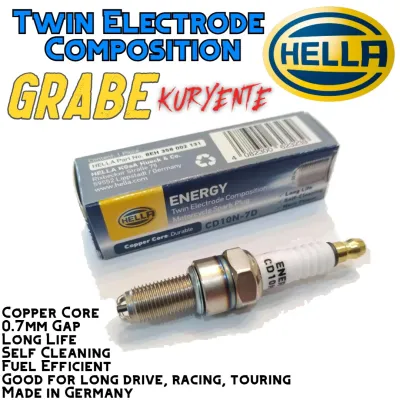
Prices are valid at publication and may change. Please refer to the product page for the latest price.
Copper spark plugs are the traditional standard for many single-cylinder motorcycles. These plugs feature a solid copper core wrapped in a nickel alloy sheath. Copper is an exceptional conductor of electricity and heat, allowing it to transfer energy efficiently. However, nickel has a relatively low melting point compared to precious metals, meaning the electrodes wear down faster under the intense heat and electrical pressure of daily combustion.
Platinum spark plugs represent a significant technological step up. Instead of a standard nickel alloy tip, these plugs feature a small platinum disc welded to the end of the center electrode. Platinum is a much harder metal with a higher melting point than nickel. This physical property allows the electrode to resist wear and corrosion over time, maintaining a consistent spark gap for a longer period.
Iridium spark plugs are the premium option available on the market today. Iridium is an extremely dense, hard precious metal with an incredibly high melting point. Because of this extreme durability, manufacturers can design iridium plugs with an ultra-fine wire center electrode, often measuring just 0.4 to 0.6 millimeters in diameter. This fine-wire design concentrates the electrical spark, requiring less voltage from your motorcycle’s ignition system to jump the gap, which can be highly beneficial during cold starts or in highly humid weather.
Comparing Longevity and Operational Characteristics
Evaluating how each material behaves over time and under typical engine temperatures is crucial for understanding their long-term performance. While all three types will successfully ignite the fuel in your Yamaha Barako, their operational characteristics diverge significantly as the kilometers accumulate.

General industry expectations point to clear service life differences among the three materials. Standard copper plugs typically require the most frequent replacement, often needing attention after a few thousand kilometers. Platinum plugs offer a substantial increase in longevity, lasting significantly longer before requiring replacement. Iridium plugs represent the pinnacle of durability, designed to endure extended service intervals. However, because riding conditions and engine health vary, you should always verify the specific service intervals printed on the product packaging or detailed in your motorcycle’s documentation.
Electrode wear is a gradual process that directly impacts your engine’s daily operation. As the spark fires millions of times, the electrical arc slowly erodes the metal on the electrodes, causing the spark gap to widen. A wider gap requires higher voltage to bridge, which can strain your ignition coil. Over time, this wear can manifest as a rough idle, hesitation during acceleration, or difficulty starting the engine on damp, humid mornings. Because platinum and iridium resist this erosion, they maintain their optimal spark gap far longer than copper.
Thermal conductivity and heat dissipation are also critical factors, especially in tropical climates. The Yamaha Barako is a renowned workhorse, frequently subjected to heavy loads, steep inclines, and sustained engine strain. Copper has excellent thermal conductivity, helping to pull heat away from the combustion chamber quickly to prevent overheating. Platinum and iridium tips, while having slightly lower thermal conductivity than pure copper, handle extreme temperatures exceptionally well without degrading, ensuring consistent spark delivery even when the engine is running hot under a heavy sidecar load.
Evaluating Upfront Costs and Long-Term Value
When deciding on a spark plug, you must weigh the initial purchase price against the frequency of replacement and any associated maintenance costs. What seems like a cheaper option upfront can sometimes cost more in time and effort over the lifespan of your motorcycle.
Relative upfront pricing in the Philippines positions copper as the most budget-friendly option. A standard copper spark plug typically costs around ₱100 to ₱150 at local auto supply shops or online marketplaces. Platinum plugs sit in the mid-range, generally priced between ₱200 and ₱350. Iridium plugs represent a premium investment, with prices often ranging from ₱500 to ₱800 or more depending on the brand and specific model.
The impact of replacement frequency on the total cost of ownership is a critical consideration for high-mileage riders. If you ride your Yamaha Barako daily for commercial purposes, such as a tricycle business or delivery service, you will accumulate kilometers rapidly. A cheaper copper plug that requires frequent replacement can quickly close the price gap with a premium iridium plug that lasts several times longer. Over a year or two of heavy riding, the premium plug may actually save you money by reducing the number of replacement plugs you need to buy.
You must also factor in your DIY installation capabilities versus professional mechanic labor fees. If you are comfortable performing basic maintenance in your own garage, replacing a spark plug is a quick and cost-free task. However, if you prefer to have a professional mechanic handle all your motorcycle maintenance, the labor fees for frequent copper plug replacements will quickly add up. In this scenario, investing in a long-lasting platinum or iridium plug minimizes your trips to the repair shop, saving you both time and service fees.
Decision Framework: Matching the Plug to Your Riding Needs
To choose the right spark plug, you should match the material’s characteristics to your specific daily riding patterns, budget, and maintenance preferences. There is a suitable option for every type of Yamaha Barako owner.
Choose Copper if you prioritize the lowest possible upfront cost and are comfortable performing regular maintenance checks. If you only use your motorcycle for short, casual commutes and enjoy spending time working on your bike over the weekend, copper is a highly practical choice. It delivers excellent electrical conductivity and reliable performance, provided you are willing to inspect and replace it at regular, shorter intervals.
Choose Platinum if you are seeking a practical middle ground between initial cost and extended service intervals. This is an excellent option for daily commuters who want a reliable “set-it-and-forget-it” plug without paying the premium price of iridium. Platinum provides consistent starting and stable idling through both the dry and wet seasons, making it a highly balanced choice for the average rider.
Choose Iridium if you prefer maximum maintenance intervals, undertake frequent long-distance rides, or operate your Yamaha Barako for heavy-duty commercial purposes. For tricycle drivers whose daily income depends on their motorcycle’s reliability, the minimized downtime and superior idle stability of an iridium plug make it a highly valuable investment. It is also the ideal choice for riders who want the absolute best starting reliability in highly humid or rainy tropical weather.
Verify first if your motorcycle is used for heavy-load or extreme-condition tasks that may require specific heat ranges beyond standard commuter specifications. If you carry exceptionally heavy cargo or operate in unusually harsh environments, consult your owner’s manual or a qualified professional to ensure your chosen plug matches the engine’s thermal demands.
Compatibility Checks and Safe Installation Practices
No matter which spark plug material you choose, ensuring the plug matches your Yamaha Barako’s engine specifications and is installed safely is critical to preventing severe engine damage.
Before purchasing any spark plug, you must verify the correct thread size, thread reach, and hex size against the official Yamaha Barako owner’s manual. Installing a plug with the wrong dimensions can lead to catastrophic engine failure. If the thread reach is too long, the plug can physically collide with the piston; if it is too short, the spark will not be positioned correctly in the combustion chamber, leading to poor combustion and thread fouling.
Matching the required heat range is equally vital to prevent engine knocking or fouling under specific operating conditions. A spark plug’s heat range determines how quickly it transfers heat from the combustion tip to the engine’s cooling system. Installing a plug that runs too hot can cause pre-ignition, which can melt pistons and damage valves. Conversely, a plug that runs too cold will fail to reach the self-cleaning temperature, leading to carbon buildup, misfires, and starting difficulties.
Always check and adjust the electrode gap according to Yamaha’s specifications before installation. Even if a premium platinum or iridium plug is advertised as pre-gapped, transit vibrations or handling can alter the gap. Use a proper wire-type spark plug gap tool or a feeler gauge to measure the gap gently. Never apply leverage directly against the fragile fine-wire center electrode of a platinum or iridium plug, as this can easily chip or break the precious metal tip.
Working on your motorcycle’s ignition system carries inherent safety risks. Always ensure the engine is completely cool before attempting to remove or install a spark plug to prevent stripping the threads in the aluminum cylinder head. Thread the new spark plug in by hand for the first few turns to ensure it is properly aligned and to avoid cross-threading. If you feel any resistance, stop immediately, back the plug out, and inspect the threads. Never over-tighten the plug; use a torque wrench to tighten it to the manufacturer’s exact torque specification. If you do not have the proper tools, feel unusual resistance, or are unsure of the correct torque, stop immediately and consult a qualified professional mechanic.
Frequently Asked Questions (FAQ)
Do I need to check the electrode gap on a new iridium or platinum spark plug?
Yes, it is highly recommended to inspect the electrode gap before installing any new spark plug. While premium platinum and iridium plugs are typically pre-gapped at the factory, shipping vibrations or accidental drops during transit can alter the gap. Use a dedicated wire-type spark plug gap tool or a feeler gauge to verify the measurement against the specifications in your Yamaha Barako manual. If adjustments are necessary, use extreme caution and avoid applying any pressure or leverage directly to the fragile fine-wire center electrode, as the precious metal tip can easily chip or break.
What are the visual signs that my current spark plug needs replacing?
When you remove your spark plug, a visual inspection of the firing tip can reveal a lot about your engine’s health. A healthy, properly functioning spark plug will have a light tan or grayish-white deposit on the insulator nose. If you observe heavy, dry black soot, it indicates carbon fouling, which is often caused by a rich fuel mixture or frequent short trips. Wet, oily black deposits suggest that engine oil is entering the combustion chamber, pointing to potential issues with worn piston rings or valve seals. A blistered white insulator or melted electrodes indicate extreme overheating. If you notice any of these abnormal wear patterns, consult a professional mechanic to diagnose the underlying engine issue before installing a new plug.
Can I use a spark plug from a different brand if the specifications match?
Yes, you can safely use a spark plug from a different brand as long as the technical specifications are an exact match. The replacement plug must have the identical thread diameter, thread length (reach), hex size, and equivalent heat range as the original equipment manufacturer (OEM) plug. Most major spark plug manufacturers provide comprehensive cross-reference charts to help you find the exact equivalent of the original plug. Never rely on visual similarity alone; always verify the alphanumeric part numbers against official manufacturer compatibility databases to ensure safe and reliable operation.
Community discussion
Share your experience or ask a question. Comments are reviewed before publication.