
Protecting your Honda PCX 160 is a priority for any rider who wants to maintain the scooter’s premium look and resale value. The central fuel tank area, positioned right between the rider’s knees, is highly susceptible to daily wear and tear. Every time you mount or dismount, your jacket zippers, belt buckles, and keys can leave permanent scratches on the glossy factory paint. Additionally, constant knee friction during daily commutes in busy city traffic gradually dulls the clear coat, leaving unsightly matte patches on the plastic bodywork.
Installing a dedicated tank pad is one of the most practical and affordable upgrades you can make for your maxi-scooter. Beyond scratch protection, a high-quality pad provides essential friction, allowing you to grip the machine more securely with your knees during sudden stops or sharp turns. However, finding the right accessory requires more than just picking a stylish design. You must ensure the pad matches the unique contours of the PCX 160, select a material that suits your riding style, and verify the quality of local offerings before spending your hard-earned money.
Understanding the PCX 160 Fuel Tank Contours
The Honda PCX 160 features a highly sculpted, modern body design that sets it apart from traditional step-through scooters. Its central spine, which houses the fuel tank, is characterized by sharp angles, sweeping panel lines, and a distinct taper as it approaches the seat junction. This complex geometry means that generic, flat tank pads designed for standard motorcycles are completely unsuitable for this scooter. Attempting to force a universal rectangular or triangular pad onto these curved surfaces will inevitably lead to installation failure.
Products mentioned in this guide
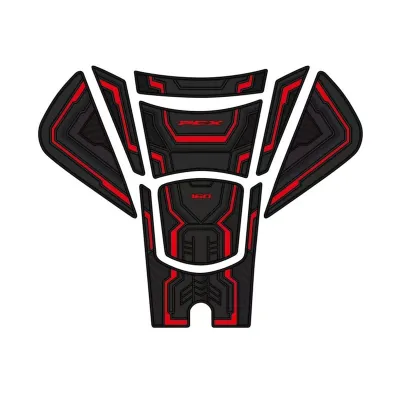
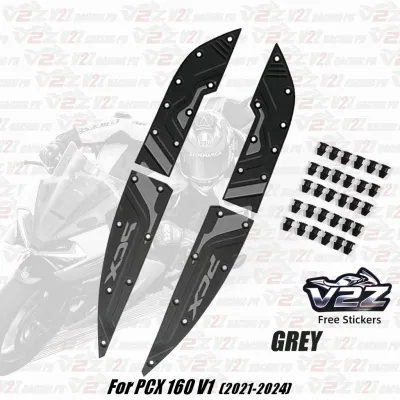
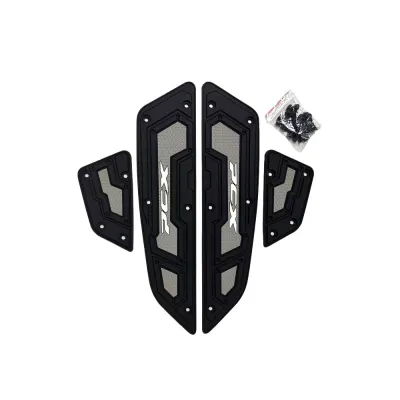
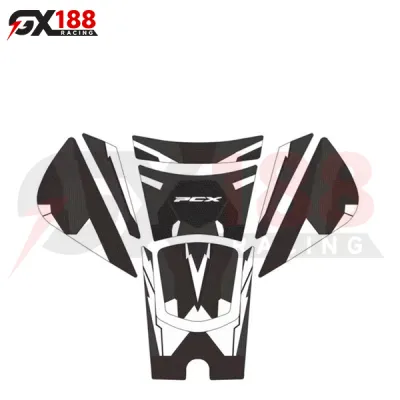
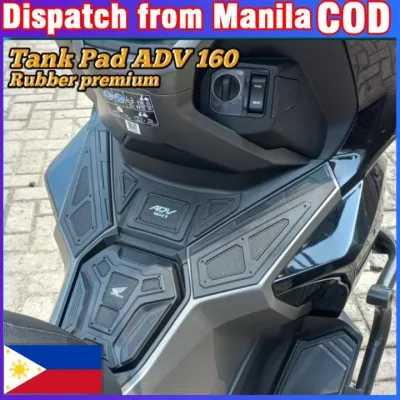
Prices are valid at publication and may change. Please refer to the product page for the latest price.
When a pad does not match the exact contours of the PCX 160, the adhesive is subjected to constant tension as the material tries to pull back into its original flat shape. This tension causes the edges to lift, creating small gaps where dust, road grime, and rainwater can accumulate. In the tropical climate of the Philippines, where heavy downpours and high humidity are common, trapped moisture beneath a peeling pad can slowly degrade the underlying adhesive and even damage the paint finish over time. Furthermore, an ill-fitting pad looks out of place, disrupting the sleek, integrated aesthetic that makes the PCX 160 so appealing.
To achieve effective protection, you must target the high-contact zones where friction is most intense. The primary area of concern is the lower section of the tank cover, directly adjacent to the front tip of the seat, where your body naturally presses against the scooter during braking. The secondary zone is the area surrounding the fuel filler lid, which is frequently exposed to accidental bumps from fuel nozzles during gas station stops. A properly designed, model-specific tank pad set will feature multiple pieces tailored to fit these distinct panels perfectly, leaving precise gaps for the panel seams and the fuel lid hinge.
Types of Tank Pads Available for the PCX 160
When exploring the market for PCX 160 tank pads, you will find two primary categories of products: thick, textured grip pads and thin, protective vinyl films. Each type serves a distinct purpose, and choosing between them depends on whether you prioritize functional riding dynamics or minimalist paint protection. Understanding these material differences will help you select an accessory that aligns with your daily riding habits and aesthetic preferences.

Thicker pads are generally made from rubberized compounds or polyurethane, offering substantial physical protection and enhanced rider ergonomics. On the other hand, thin protective films, such as vinyl wraps or simulated carbon fiber decals, focus almost entirely on preventing surface scratches while maintaining a low-profile look. While both options shield the paint from minor abrasions, they differ significantly in terms of durability, installation difficulty, and tactile feel. Before making a purchase, always verify the specific material composition and adhesive type listed on the product packaging or seller specification sheet.
Polyurethane and Rubberized Grip Pads
Polyurethane and rubberized grip pads are designed for riders who want to improve their physical connection to the scooter. These pads feature raised, textured patterns—such as knurled bumps, honeycomb grids, or diamond treads—that significantly increase friction between your knees and the center console. This added grip is particularly beneficial during sudden braking or spirited cornering, as it prevents your body from sliding forward, reducing strain on your wrists and lower back.
Because these materials are relatively thick and heavy, they require high-quality, automotive-grade adhesives to stay securely bonded to the curved plastic panels of the PCX 160. The thickness of the rubber also acts as a shock absorber, protecting the delicate plastic bodywork from heavier impacts, such as a dropped key ring or a heavy belt buckle. These pads are highly recommended for daily commuters and long-distance touring enthusiasts who value physical comfort and riding stability over a completely flush, factory-paint appearance.
Carbon Fiber and Vinyl Protective Films
If you prefer to maintain the sleek, aerodynamic lines of your PCX 160 without adding noticeable bulk, thin protective films are an excellent alternative. These decals are often designed with a simulated carbon fiber weave or a clear, transparent finish that allows the original paint color to show through. Because they are highly conformable, these films can be stretched and molded around the complex curves and sharp edges of the scooter’s center console with ease.
While these films are highly effective at preventing hairline scratches, swirl marks, and minor scuffs from zippers, they offer virtually no impact absorption or knee grip. The smooth surface of vinyl does not provide the friction needed to stabilize your riding posture during active maneuvers. These protective films are best suited for riders who primarily want to preserve the pristine condition of their factory paint and prefer a subtle, integrated look that blends seamlessly with the scooter’s original design.
How to Verify Fit and Compatibility Before Buying
With numerous aftermarket accessories available online, verifying the exact fitment of a tank pad before clicking the buy button is crucial. The Honda PCX has undergone several design iterations over the years, and parts designed for older generations will not fit the current model. You must carefully inspect the product listings, seller descriptions, and customer feedback to ensure you are purchasing a pad specifically tailored for the PCX 160.
Start by comparing the seller’s product photos and template diagrams against the actual shape of your scooter’s center console. Pay close attention to the shape of the fuel lid cover and the surrounding side panels, as these areas vary significantly between different model years. Ensure the product description explicitly states compatibility with the PCX 160, rather than using vague terms like “PCX universal.” If you are unsure, do not hesitate to send a message to the seller asking for the precise dimensions of the pad pieces.
Customer reviews are an invaluable resource when verifying product quality and fitment. Look for reviews written by other PCX 160 owners in the Philippines, paying attention to any uploaded photos of the installed pads. Check for common complaints regarding adhesive failure, edges lifting after a few days, or colors fading rapidly under the intense tropical sun. If multiple buyers report that the cutouts do not align properly with the panel gaps or that the material is too stiff to conform to the curves, it is best to look for an alternative option.
Sourcing Compatible Tank Pads in the Philippines
Finding a high-quality tank pad for your PCX 160 in the Philippines is relatively easy if you know where to look and how to filter your options. Local online marketplaces and e-commerce platforms host a wide variety of motorcycle accessory sellers, ranging from budget-friendly shops to premium specialty brands. To narrow down your search, use specific search terms such as “PCX 160 tank pad rubber” or “PCX 160 fuel tank protector” rather than broad category terms.
When shopping on online platforms, prioritize local sellers who ship directly from warehouses within the Philippines. This not only ensures faster delivery times but also simplifies the return process if the product arrives damaged or does not match the description. Look for sellers with high positive ratings, a solid track record of customer service, and active responsiveness to buyer inquiries. Be cautious of listings with unusually low prices, as these often feature low-grade adhesives that will quickly peel off when exposed to heat and rain.
If you prefer a hands-on shopping experience, visiting physical motorcycle accessory shops in your local area is a great alternative. Many specialized scooter shops in major urban areas stock model-specific accessories for popular rides like the PCX 160. Buying from a physical store allows you to physically inspect the thickness, texture, and adhesive quality of the pad before purchasing. Some shops may even offer professional installation services, ensuring a perfect, bubble-free application that maximizes the lifespan of the adhesive.
Safe Installation and Maintenance Guidelines
Proper installation is the single most important factor in determining how long your tank pad will stay securely bonded to your PCX 160. Even the highest-quality adhesive will fail if it is applied to a dirty, oily, or dusty surface. Before you begin the installation process, ensure you are working in a clean, dust-free environment out of direct sunlight, as extreme heat can cause the adhesive to cure prematurely or become overly tacky.
Begin by thoroughly cleaning the application area using a mild, paint-safe soap or a dedicated surface prep solution that does not leave any residue. Avoid using household dish soaps or heavy degreasers, as these can leave a thin film that prevents the adhesive from bonding properly. Once the surface is completely dry, wipe it down with a clean microfiber cloth to remove any remaining lint or dust particles. Before peeling off the adhesive backing, place the pad pieces onto the tank to dry-fit them, using the panel lines and fuel lid as reference points to ensure perfect alignment.
When you are ready to apply the pad, peel off a small portion of the backing paper and align the edge of the pad with your reference mark. Slowly press the pad onto the surface, working your way from the center outward to push out any trapped air bubbles. Avoid stretching the material during application, as rubber and vinyl have a physical memory and will eventually shrink back, causing the edges to lift. Once the pad is fully applied, use a soft roller or your thumb to apply firm, even pressure across the entire surface, especially along the outer edges, to activate the pressure-sensitive adhesive.
To maintain the pad and prevent the edges from lifting over time, avoid washing your scooter for at least 24 to 48 hours after installation to allow the adhesive to fully cure. When washing your PCX 160 in the future, use gentle motorcycle shampoos and avoid pointing high-pressure water sprayers directly at the edges of the tank pad. If you notice that your factory paint is already peeling, cracked, or showing signs of deep damage, halt the installation immediately and consult a professional detailer or paint specialist before proceeding.
Frequently Asked Questions (FAQ)
Will removing a tank pad damage the PCX 160 factory paint?
In most cases, removing a high-quality tank pad will not damage the factory paint of your PCX 160, provided the paint is in good original condition and the removal is done carefully. However, if the pad has been exposed to intense tropical sunlight for several years, the adhesive can harden and become difficult to peel. To remove the pad safely, use a hair dryer or a heat gun on a low setting to gently warm the material, which softens the adhesive and allows you to peel it off slowly at a shallow angle. If you encounter stubborn adhesive residue, use a dedicated, paint-safe adhesive remover and a soft microfiber cloth, avoiding harsh solvents like acetone or gasoline that can melt the plastic panels.
Can I use a PCX 150 tank pad on the newer 160 model?
No, you should not use a tank pad designed for the PCX 150 on the newer PCX 160 model. While both scooters share a similar overall silhouette, Honda completely redesigned the bodywork, tank shrouds, and side panel lines for the 160 iteration. The curves around the center console and the dimensions of the fuel filler lid are physically different between the two generations. Attempting to install a PCX 150 pad on a PCX 160 will result in severe misalignment, exposed paint sections, and lifting edges because the pad cannot conform to the updated panel shapes. Always purchase accessories specifically labeled for the 160 model.
Do tank pads protect against drops or impacts?
Tank pads are designed strictly for surface protection and rider ergonomics; they do not provide structural protection against drops, crashes, or heavy impacts. While a thick rubberized pad can absorb minor bumps from keys or fuel nozzles, it cannot prevent the plastic body panels of your PCX 160 from cracking or scraping during a fall. If you are looking for comprehensive protection against drops and slide damage, you should invest in dedicated crash accessories such as steel crash bars, frame sliders, or axle sliders. These structural components are designed to absorb and distribute impact forces away from the scooter’s delicate bodywork.
Community discussion
Share your experience or ask a question. Comments are reviewed before publication.