
Choosing the right torsion controller for your Yamaha Mio i 125 requires identifying exactly which component you need to replace, as aftermarket sellers often use this term interchangeably for CVT spring sliders, torque cams, or rear suspension parts. Because a mismatch can compromise your scooter’s transmission efficiency or road safety, the selection process must always begin with verifying your specific model year and cross-referencing official technical documentation. By focusing on precise physical dimensions, material standards, and verified OEM part numbers, you can ensure a secure fit that withstands the demanding, high-humidity stop-and-go riding conditions typical of daily commuting in the Philippines.
Verify the Exact Part Name and OEM Number
Before purchasing any replacement drivetrain or suspension component, you must clarify the terminology used by the manufacturer versus aftermarket brands. In the context of the Yamaha Mio i 125, a “torsion controller” most commonly refers to an aftermarket CVT spring slider or guide designed to prevent clutch spring binding, but some listings use the term for the torque cam or the entire rear torque drive assembly. To avoid ordering the wrong component, consult your official Yamaha Mio i 125 service manual to identify the exact system you intend to service.
Once you have identified the specific component, locate the official Original Equipment Manufacturer (OEM) part number. You can find this in your parts catalog, owner’s manual, or by presenting your Vehicle Identification Number (VIN) to an authorized Yamaha dealer. Having the exact OEM number allows you to establish a baseline for compatibility.
Products mentioned in this guide
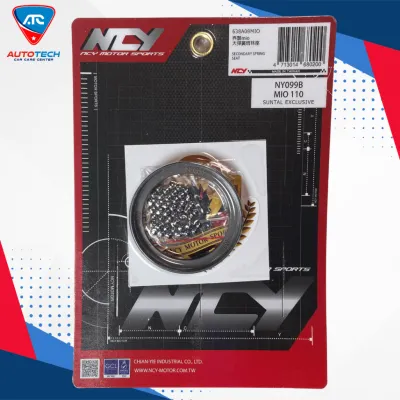
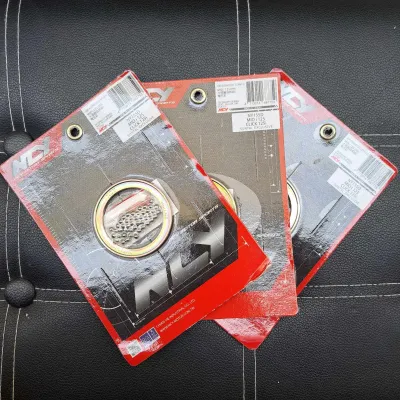
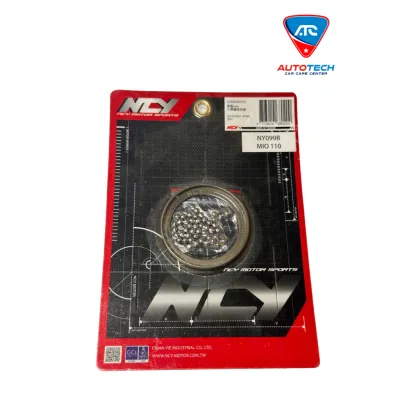
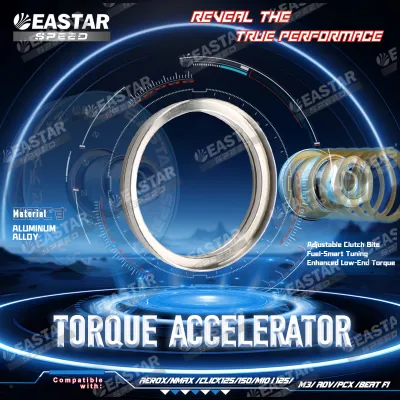
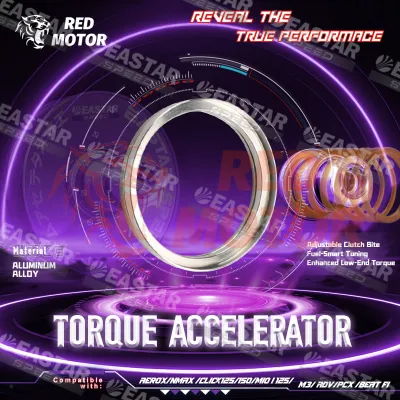
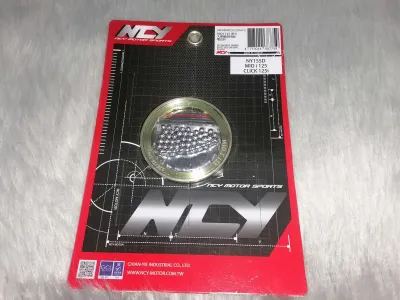
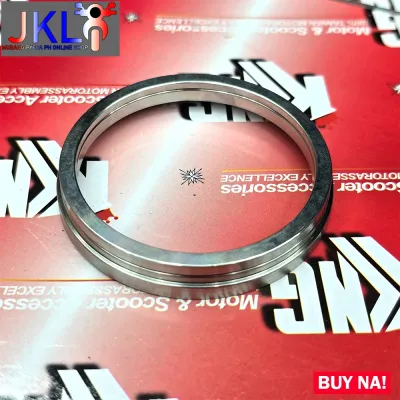
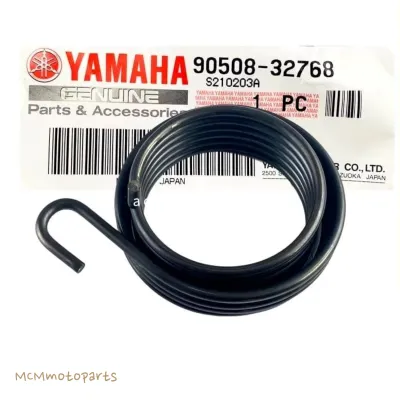
Prices are valid at publication and may change. Please refer to the product page for the latest price.
When browsing online marketplaces or local motorcycle shops, use this confirmed OEM part number as your primary search filter. Do not rely on generic product titles that claim universal compatibility for all automatic scooters. Filtering by the exact part number eliminates incompatible listings and ensures the replacement matches the factory specifications of your Mio i 125.
Decoding Key Specifications for Fitment and Performance
To ensure a replacement part functions safely within your scooter’s Continuously Variable Transmission (CVT) or suspension system, you must verify its physical dimensions and interfaces. For CVT-related components, check the internal and external diameters, spline counts, and overall length against your removed original part. Even a millimeter of variance in shaft diameter or a single digit difference in spline count can prevent proper installation or cause catastrophic failure under load.

Material composition is another critical factor, especially given the high operating temperatures and tropical humidity of local roads. Look for manufacturer labels that declare specific material grades, such as high-tensile steel alloys or heat-resistant synthetic polymers, rather than relying on vague marketing terms like “heavy-duty.” A high-quality component must resist thermal expansion and friction wear during long rides in heavy traffic.
You must also account for model-year variations within the Mio i 125 lineup. Although the core engine platform remains similar across generations, minor updates to the clutch assembly, pulley faces, or mounting brackets can occur between production years. Always check that the product specification sheet explicitly lists your scooter’s exact model year and sub-model variant before finalizing your purchase.
Finally, learn to distinguish functional specifications from irrelevant marketing metrics. Aesthetic details, such as anodized color coatings, or extreme weight-reduction claims rarely contribute to actual drivetrain safety or mechanical integrity. Focus your decision on structural dimensions, load tolerances, and material certifications rather than visual appeal.
Evaluating OEM vs. Aftermarket Replacements
Choosing between genuine OEM parts and aftermarket alternatives depends on your riding requirements, budget, and performance expectations. Genuine Yamaha OEM parts are highly recommended for standard daily commuting because they offer guaranteed fitment, adhere to strict factory quality control, and preserve any active manufacturer warranties. They are engineered specifically to handle the standard load and environmental conditions your scooter encounters.
If you decide to explore aftermarket options, limit your choices to reputable brands that provide comprehensive technical documentation. A reliable aftermarket manufacturer will publish detailed fitment charts, verifiable material specifications, and clear warranty or return policies. These brands design their components to match or exceed OEM tolerances, offering a dependable alternative for riders seeking specific tuning characteristics.
Be highly cautious of red flags when shopping on online marketplaces. Avoid unbranded, generic, or suspiciously cheap listings that sell far below the average market price in ₱. These low-cost alternatives often lack precise dimensions, official part numbers, or seller contact information, indicating a high risk of poor manufacturing quality that could fail during operation and damage your CVT system.
Installation Requirements and Safety Boundaries
Working on your scooter’s CVT or suspension system involves critical safety components that directly affect vehicle handling and road legality. Before starting the installation, ensure you have the necessary specialized tools, such as a CVT flywheel holder, a clutch spring compressor, and a calibrated torque wrench. Attempting to disassemble or tighten these components with improper tools can warp the metal, strip threads, or cause the assembly to fly apart under spring tension.
Following the exact torque specifications detailed in the Yamaha Mio i 125 service manual is non-negotiable. Over-tightening can stretch bolts and crack aluminum casings, while under-tightening can cause the clutch or pulley nut to back off while riding, leading to sudden power loss or wheel lockup. Always apply the recommended tightening sequence and torque values using a calibrated tool.
Because drivetrain modifications carry inherent safety risks, you must recognize when to stop and seek professional assistance. If you encounter damaged threads, if the new part does not align perfectly without forcing it, or if the aftermarket instructions contradict your OEM manual, halt the installation immediately. Take your scooter or the components to a qualified motorcycle mechanic to ensure the work is completed safely and correctly.
Frequently Asked Questions (FAQ)
Can I use a torsion controller from an older Yamaha Mio model?
No, you should not assume that components from older Yamaha Mio models, such as the Mio Sporty or Mio Soul, are interchangeable with the Mio i 125. Yamaha frequently updates mounting points, spline counts, shaft diameters, and spring load tolerances between different engine generations and displacements. Always verify the specific OEM part number for your Mio i 125 rather than relying on visual similarities or general model branding.
How do I know if my current part is failing and needs replacement?
Observable signs of a failing CVT or suspension component include unusual rattling or squealing noises from the transmission case, physical deformation, excessive play in the pulley assembly, or a noticeable loss of acceleration smoothness. If you observe any of these symptoms, consult your service manual for wear limit measurements. If the source of the issue remains unclear, have a qualified mechanic perform a professional diagnostic inspection.
Community discussion
Share your experience or ask a question. Comments are reviewed before publication.