
Car owners in the Philippines routinely battle severe undercarriage rust driven by intense tropical humidity, seasonal monsoon flooding, and salty coastal breezes. Finding the right undercoating spray paint is essential to prevent this moisture from silently eating away at your vehicle’s structural steel. The best undercoating spray paint is not a single, magic-bullet product, but rather a specific formulation—such as rubberized, asphalt-based, or polyurethane spray—that is correctly matched to your vehicle’s current undercarriage condition, your local driving environment, and your ability to perform meticulous surface preparation.
Choosing a product without analyzing these factors often leads to premature peeling, trapped moisture, and accelerated corrosion. A successful application requires understanding how different chemical bases behave under tropical conditions and executing a highly detailed preparation process. By taking a systematic approach to evaluating your vehicle’s needs, you can select a product that establishes a durable, long-lasting barrier against the elements.
What types of undercoating spray paint formulations are available?
Undercoating spray paints are formulated using several distinct chemical bases, primarily rubberized, asphalt-based, and polyurethane compounds, each offering unique physical properties and application characteristics. Selecting the correct type requires matching these properties to your specific protection goals and application capabilities.
Products mentioned in this guide
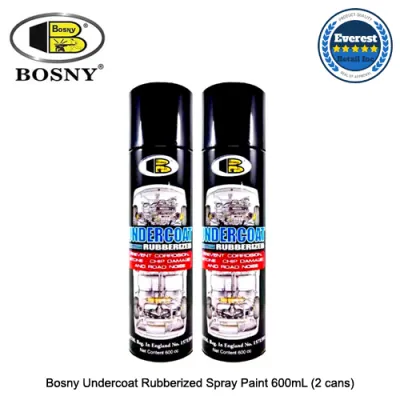
1,397 Lazada user ratings
Excellent coverage with just one coat., Provides a rubberized texture for added grip., Ideal for both metal and metal-like surfaces., Durabl…Read full reviewShow less
Excellent coverage with just one coat., Provides a rubberized texture for added grip., Ideal for both metal and metal-like surfaces., Durable and long-lasting coating., Perfect for DIY auto projects., Protects against corrosion and chipped damages.,
Rubberized paint.10 pcs order ko pero 6 cans nagamit ko for my toyota fortuner. laki ng natipid ko. kaillangan lng talaga ng tyaga para mali…Read full reviewShow less
Rubberized paint.10 pcs order ko pero 6 cans nagamit ko for my toyota fortuner. laki ng natipid ko. kaillangan lng talaga ng tyaga para malinisan ng husto bago pinturahan. Seller is responsive. Ang bilis pa ng delivery.
These are my 3rd and 4th bottles, ordered 2 more because 2cans were not enough for my pickup truck. I like the product, it adheres to surfac…Read full reviewShow less
These are my 3rd and 4th bottles, ordered 2 more because 2cans were not enough for my pickup truck. I like the product, it adheres to surfaces well.
Ideal for both metal and metal-like surfaces., Easy to apply on metal surfaces., Protects against corrosion and chipped damages.,
Salamat seller and Lazada, salamat din sa delivery rider...👍🏿👍🏿👍🏿
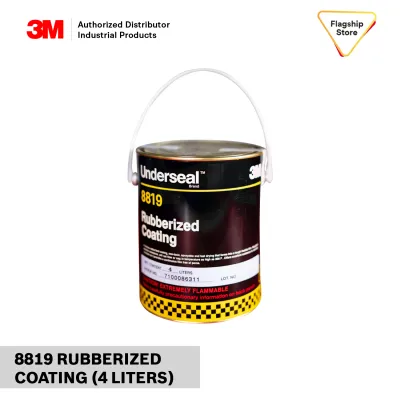
28 Lazada user ratings
Weather-resistant coating, Reduces road noise effectively, Easy one-coat application, Resists chipping and abrasion, Multi-purpose undercoat…Read full reviewShow less
Weather-resistant coating, Reduces road noise effectively, Easy one-coat application, Resists chipping and abrasion, Multi-purpose undercoating, Tested na ung product na 3m legit yung store recommended ung shop, may libre pang marsmallow. salamat sa nagdeliver walang tagas yung parcel.
Durable rubberized texture, Protects undercarriage from corrosion, Resists chipping and abrasion, Reduces road noise effectively,
Durable rubberized texture, Durable rubberized texture, Reduces road noise effectively, Resists chipping and abrasion,
Reduces road noise effectively, Weather-resistant coating,
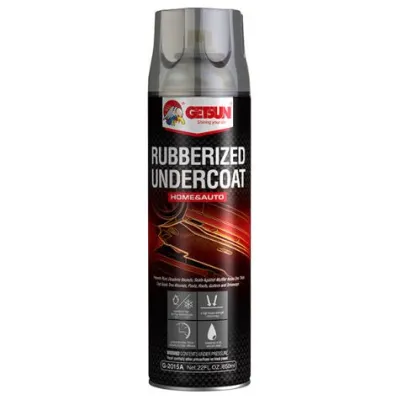
2 Lazada user ratings
nice product
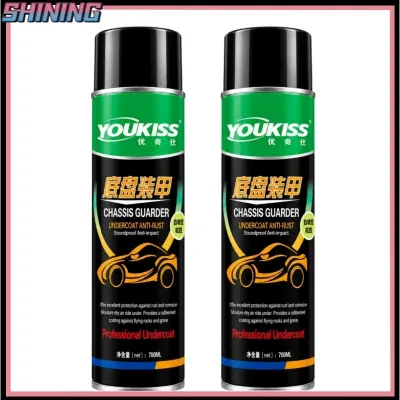
425 Lazada user ratings
Ordered 06Apr delivered 10Apr, highly recommended courier. Seller should have taped the plastic cover around the spray can coz dangerous for…Read full reviewShow less
Ordered 06Apr delivered 10Apr, highly recommended courier. Seller should have taped the plastic cover around the spray can coz dangerous for the nozzle to get punctured while on transit.
The 2 items were received but have not tried yet. Tho it looks good but will be under observation. Thnx Lazada, Seller and rider.
dikupa na try bussy pa sa work. pero oks naman, mabilis din dumating ☺️
awesome, will try then will add and edit comment
nice product
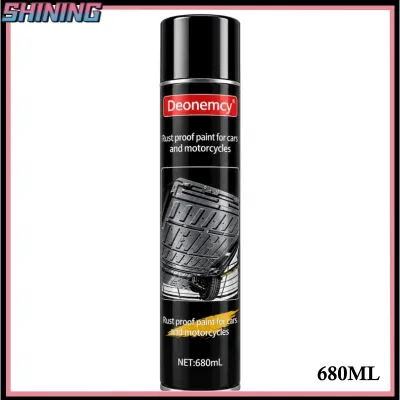
97 Lazada user ratings
🛠️Durability:
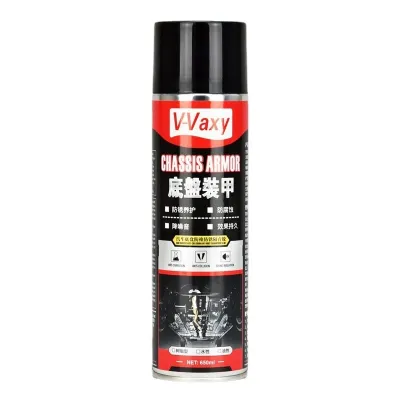
449 Lazada user ratings
Protects against impact damage, Ideal for weathering tasks, Long-lasting corrosion protection, Effective rust remover, Durable and heat resi…Read full reviewShow less
Protects against impact damage, Ideal for weathering tasks, Long-lasting corrosion protection, Effective rust remover, Durable and heat resistant, Easy to apply, Provides sound insulation,
safe naman dumating si parcel. mura na rin ung item for its price. di ko pa lang natry. sana maayos at magspray ito. and sana maraming macov…Read full reviewShow less
safe naman dumating si parcel. mura na rin ung item for its price. di ko pa lang natry. sana maayos at magspray ito. and sana maraming macover ng area for painting
Long-lasting corrosion protection, High-quality anti-corrosion solution, Versatile spray paint, Ideal for weathering tasks, Protects against…Read full reviewShow less
Long-lasting corrosion protection, High-quality anti-corrosion solution, Versatile spray paint, Ideal for weathering tasks, Protects against impact damage,
Great for undercoating, Protects against impact damage, Easy to apply, Durable and heat resistant,
✨Shine:Provides sound insulation, Versatile spray paint,
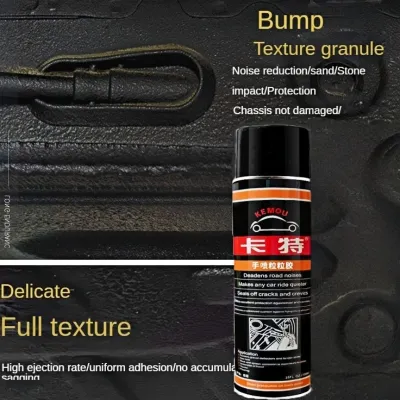
59 Lazada user ratings
👌Ease of Use:Very easy 🖌️Ease of Application:Easy 💰Value for Money:not so great. the can is used only in a 0.5sqm and is finish
🖌️Ease of Application: Glossy finish for durability, Spray application for convenience,
Suitable for underbody coating,
👌Ease of Use: easy to apply
Prices are valid at publication and may change. Please refer to the product page for the latest price.
Rubberized undercoating sprays are among the most popular choices for DIY projects due to their high flexibility and ease of application. When sprayed, they dry to a soft, rubbery finish that is highly effective at absorbing physical impacts from road debris, gravel, and small stones. This impact absorption prevents the underlying metal from being exposed to air and moisture. Additionally, the thick, elastic nature of rubberized coatings provides excellent sound-deadening properties, reducing road noise inside the cabin. However, rubberized sprays typically have moderate chemical resistance and can degrade if exposed to persistent oil or fuel leaks.
Asphalt-based undercoating formulations offer a highly durable, heavy-duty barrier that has been a standard in automotive protection for decades. These products dry to a firmer, more rigid finish than rubberized coatings and provide exceptional resistance to water, road salt, and harsh environmental chemicals. They are particularly well-suited for larger utility vehicles, light trucks, and older cars that require a thick, resilient shield. The primary limitations of asphalt-based sprays include a longer curing time and a strong, lingering solvent odor during the drying phase. They can also become brittle over many years of exposure to extreme temperature cycles, potentially developing micro-cracks that trap moisture.
Polyurethane-based undercoating sprays represent a modern, high-performance option that balances flexibility with extreme chemical and abrasion resistance. These formulations penetrate deeply into seams and joints, drying to a tough, elastomeric seal that can often be painted over once fully cured. This paintability makes them ideal for visible wheel wells or undercarriage sections where a color-matched finish is desired. Polyurethane coatings adhere exceptionally well to bare metal and primed surfaces, but they demand highly precise surface preparation. Any trace of oil, dirt, or moisture on the substrate will cause the polyurethane to lift and peel, rendering the protection ineffective.
When evaluating these formulations, it is crucial to check the manufacturer’s product label for specific drying and curing times. Most consumer aerosol cans specify a tack-free time of 30 minutes to two hours, but a complete cure often requires 24 to 72 hours depending on ambient temperature and relative humidity. Overspray is another critical characteristic to manage; the fine mist from aerosol cans can easily drift and adhere to body panels, wheels, and glass. Proper masking and a controlled application environment are necessary to prevent difficult-to-remove overspray on non-target surfaces.
How do local weather and road conditions influence your rust protection needs?
The unique environmental and infrastructural landscape of the Philippines subjects a vehicle’s undercarriage to a continuous barrage of corrosive elements, making robust rust protection a necessity rather than an option. High relative humidity, seasonal monsoon flooding, and coastal salt air interact with your vehicle’s metal surfaces to accelerate oxidation.

High relative humidity and frequent heavy rainfall during the monsoon season create a persistent wet environment for automotive undercarriages. When water clings to exposed steel, it initiates the oxidation process, leading to surface rust that gradually eats into the structural frame. Standing water on flooded city streets and rural roads often contains acidic contaminants, sewage, and industrial runoff, which drastically accelerate chemical corrosion. Your chosen undercoating must form an completely impermeable, non-porous barrier that prevents this highly corrosive water from making contact with the metal.
For vehicles operating in coastal regions, the threat of corrosion is multiplied by salt air exposure. Airborne salt particles carry sodium chloride, a powerful electrolyte that accelerates the electrochemical reaction of rusting. Even if a vehicle is not driven directly on the beach, salt-laden sea breezes can deposit fine salt crusts inside frame rails, suspension pockets, and body seams. This constant exposure requires an undercoating with superior adhesion and chemical resistance to prevent salt ions from migrating beneath the protective film and causing hidden, rapid decay.
Physical road conditions also dictate your undercoating requirements. Driving on unpaved, gravel, or muddy roads throws up abrasive debris that acts like sandpaper on your vehicle’s underside. Standard paint and thin rust-preventive oils are quickly stripped away by this constant physical bombardment. To counter this, your undercoating must possess high chip resistance and physical thickness. A flexible, impact-absorbing formulation is essential in these environments to cushion the impact of flying stones and prevent the protective layer from chipping or cracking.
Which undercoating formulation fits your vehicle's current undercarriage condition?
Selecting the right undercoating spray depends entirely on whether your vehicle’s undercarriage is brand new, showing light surface rust, or suffering from deep, structural corrosion. Applying the wrong product to an unprepared or damaged surface can trap moisture and worsen corrosion rather than preventing it.
For brand-new vehicles or those with pristine, clean undercarriages, the primary goal is long-term preventive maintenance. Because the factory e-coat and paint are fully intact, you do not need to worry about neutralizing existing rust. Instead, focus on applying a flexible, impact-resistant barrier, such as a high-quality rubberized undercoating spray. This layer will absorb the physical impact of road debris, preserving the factory paint underneath and ensuring the metal remains sealed against moisture and air.
If your vehicle exhibits light surface rust—characterized by localized discoloration and minor powdery oxidation without deep pitting—you cannot apply a standard undercoating directly over it. Doing so will trap oxygen and moisture beneath the non-porous barrier, allowing the rust to continue eating away at the steel unseen. For these areas, you must first apply a dedicated rust-converting or rust-encapsulating primer. These specialized formulations chemically react with iron oxide, converting it into a stable, inert black barrier that can then be safely top-coated with your chosen rubberized or asphalt-based undercoating spray.
Vehicles suffering from heavy corrosion, flaking metal, or deep structural pitting present a severe safety hazard that cannot be resolved with consumer aerosol spray cans. Spraying undercoating paint over flaking rust is completely ineffective; the weight of the new coating will eventually cause the loose rust scale to fall off, exposing bare metal once again. More importantly, a thick coating will mask structural failures, such as cracked frame rails or weakened suspension mounts, preventing you from identifying dangerous defects. Heavily corroded areas require mechanical grinding, sandblasting, metal replacement, or professional restoration before any protective coating can be applied.
What specific claims and instructions should you verify on the product label?
Before purchasing any undercoating spray, you must carefully read the manufacturer’s product label to verify its chemical compatibility, environmental application limits, and safety requirements. Evaluating these technical specifications ensures the product is compatible with your vehicle and suitable for the local climate.
Begin by verifying the specific performance claims certified by the manufacturer. Look for clear indications of “moisture-displacing” properties, which help the product adhere to surfaces that may retain microscopic traces of dampness. Sound-deadening properties are also worth verifying if you want to reduce cabin noise. Avoid products that make absolute, unrealistic claims such as “permanent rustproofing” or “zero surface preparation required.” Legitimate manufacturers always specify that the longevity of the coating depends on proper surface cleaning and environmental conditions during application.
Environmental application limits are particularly critical in tropical climates. Many solvent-based undercoating sprays have strict temperature and relative humidity thresholds for proper curing. If applied in excessively high humidity or direct sunlight, the solvents may evaporate too quickly or become trapped, leading to bubbling, poor adhesion, or a tacky finish that never fully cures. Check the label to ensure the product can be applied within the typical temperature and humidity ranges of your local area, and plan your application for a dry, cool morning in a shaded, well-ventilated space.
Finally, pay close attention to the safety warnings, required personal protective equipment (PPE), and disposal instructions. Undercoating sprays contain highly flammable solvents and volatile organic compounds (VOCs) that pose severe respiratory and skin hazards. The label will specify the need for a chemical respirator equipped with organic vapor cartridges, safety goggles to protect against falling overspray, and solvent-resistant gloves. It will also outline the proper disposal method for empty aerosol cans, which are pressurized and must not be punctured, incinerated, or disposed of in standard household waste.
How must you prepare the undercarriage to ensure the spray paint adheres properly?
Proper surface preparation is the single most critical factor in determining whether an undercoating spray succeeds or fails, as any remaining dirt, oil, or moisture will prevent adhesion and trap corrosive agents. Skipping preparation steps guarantees that the coating will peel off, potentially trapping water underneath.
Before performing any modification or applying coatings near critical systems like brakes, suspension, or electrical wiring, always consult your vehicle’s original manufacturer instructions. Any disassembly or modification of these safety-critical systems should be performed by a qualified professional to ensure road legality and passenger safety. Additionally, verify your vehicle’s model, year, and material specifications from the vehicle’s official documentation before applying any aftermarket coating to ensure compatibility with factory-installed plastics, aluminum components, or specialized sound-dampening panels.
The preparation process begins with a thorough cleaning and degreasing of the entire undercarriage. Use a high-pressure washer to blast away accumulated mud, road grime, and loose debris from every crevice, frame rail, and wheel well. Once the heavy dirt is removed, apply a dedicated automotive degreaser to break down engine oil, road film, and grease. Use a stiff-bristled brush to scrub stubborn areas, paying close attention to suspension joints and areas near the engine bay. Ensure that any cleaner or degreaser used is applied strictly according to its label-authorized instructions, as a generic chemical name does not guarantee safety for plastic liners, rubber bushings, or sensitive electrical connectors.
After scrubbing, rinse the undercarriage thoroughly with clean water to remove all traces of the degreaser. The vehicle must then be allowed to dry completely before any spray paint is applied. In humid tropical climates, this drying phase can take a significant amount of time. Leave the vehicle in a dry, well-ventilated area for at least 24 hours, or use compressed air to blow out standing water from tight seams, boxed frame sections, and bolt holes. Applying undercoating over even a microscopic film of water will trap that moisture against the steel, initiating the very corrosion you are trying to prevent.
The final step before spraying is masking off sensitive components that must never be coated. Refer to your vehicle’s original manufacturer documentation to identify the locations of sensitive sensors, electrical connectors, and mechanical linkages. Use high-quality automotive masking tape and plastic sheeting to completely cover the exhaust system (including the catalytic converter and oxygen sensors), brake calipers, brake rotors, suspension bushings, grease fittings, and the drive shaft. Applying undercoating to these components can cause severe safety hazards, including brake failure, suspension binding, and toxic fumes from burning overspray on hot exhaust pipes.
When is it necessary to skip the DIY spray and seek professional undercoating services?
While consumer aerosol undercoating sprays are excellent for localized touch-ups and preventive maintenance on clean vehicles, certain conditions demand that you skip the DIY approach and seek professional undercoating services. Recognizing these boundaries is essential for maintaining your vehicle’s safety, structural integrity, and long-term value.
If your inspection reveals structural rust, flaking metal, or compromised brake and fuel lines, you must stop immediately and consult a qualified professional. Spraying undercoating over structurally weakened steel is highly dangerous, as it hides the damage without restoring the metal’s strength. A professional workshop can properly cut out rotted sections, weld in new steel, and replace damaged lines to ensure the vehicle remains roadworthy and safe to operate.
Professional services also have access to specialized equipment and industrial-grade materials that are unavailable in consumer aerosol cans. This includes high-pressure pneumatic spray systems, heated wax injection tools, and specialized cavity waxes designed to creep deep into boxed frame rails, door pillars, and rocker panels. These low-viscosity cavity waxes displace moisture in hidden areas where aerosol sprays cannot reach, providing a level of comprehensive protection that a DIY application simply cannot match.
Ultimately, the greatest risk of a DIY application is the accidental encapsulation of active corrosion or moisture due to imperfect preparation. If you lack the equipment to safely lift the vehicle, thoroughly clean the undercarriage, or remove existing surface rust, a professional application is the safer and more cost-effective choice. Investing in professional treatment ensures that your vehicle’s undercarriage is properly prepared, treated with commercial-grade barriers, and protected without the risk of trapping destructive moisture beneath the surface.
Community discussion
Share your experience or ask a question. Comments are reviewed before publication.