
Quick Answer: Is There a Single "Best" Brand?
No single wiper blade brand is universally the best choice for every Chevrolet Trailblazer. The ideal selection depends heavily on your specific model year, local driving conditions, and the exact wiper arm connector on your vehicle. Because the Trailblazer nameplate spans multiple generations—including midsize SUVs and newer compact crossovers—wiper specifications vary significantly across different model years.
Premium brands generally offer advanced beam designs with integrated aerodynamic spoilers that excel at clearing heavy tropical downpours. Value-focused aftermarket brands provide highly cost-effective conventional or hybrid replacements that perform reliably if you are willing to replace them more frequently. Ultimately, verifying the physical fitment, blade length, and connector type is the most critical step to ensure any brand performs safely and effectively on your windshield.
How to Verify the Correct Fit for Your Trailblazer
Before purchasing any replacement wiper blades, you must verify the exact physical specifications required for your Chevrolet Trailblazer. Because wiper configurations can change based on the production year and regional trim levels, relying on generic compatibility lists can lead to purchasing the wrong size. The most reliable method is to consult your owner’s manual or physically measure the length of your current blades using a tape measure.
Products mentioned in this guide
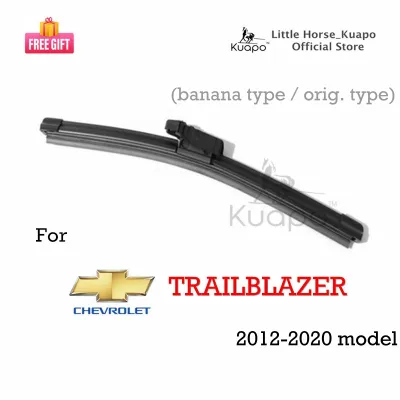
Prices are valid at publication and may change. Please refer to the product page for the latest price.

Most modern vehicles, including the Trailblazer, use asymmetrical wiper lengths, meaning the driver’s side blade is longer than the passenger’s side blade. This design maximizes the cleared viewing area directly in front of the driver while preventing the blades from colliding during operation. Always measure both sides individually rather than assuming they are identical.
In addition to length, you must identify the specific wiper arm connector style. Older Trailblazer models often utilize a standard J-hook connector, which is highly common and compatible with almost all aftermarket blades. Newer model years, however, frequently employ specialized OE connectors such as push-button, pinch-tab, or slim-top designs.
Avoid relying solely on automated online fitment tools on e-commerce platforms. These databases occasionally overlook regional variations or mid-year production changes. A quick visual inspection of your vehicle’s current wiper arm connection remains the safest way to guarantee a hassle-free installation.
Comparing Wiper Blade Types and Materials
Understanding the structural and material differences of wiper blades will help you choose an option that balances performance, durability, and budget. Wiper blades are generally categorized into three main designs: conventional, beam, and hybrid.
Conventional blades feature a traditional metal bracket skeleton that uses multiple pressure points to press the rubber squeegee against the glass. While highly affordable, these brackets can suffer from uneven pressure distribution and are susceptible to wind lift at high speeds.
Beam blades, also known as flat blades, feature a bracketless design with a tensioned steel guide inside the rubber structure. This allows the blade to conform precisely to the curvature of the windshield, distributing pressure evenly across the entire length. The lack of an exposed metal frame also prevents debris accumulation and reduces wind noise.
Hybrid blades combine the aerodynamic shell of a beam blade with the robust internal structure of a conventional frame. This design offers a sleek, modern appearance while maintaining strong, consistent contact with the glass.
Material composition is equally critical, especially in tropical climates characterized by intense sun exposure and heavy seasonal rainfall. The most common materials include:
- Natural Rubber: Offers excellent flexibility and quiet operation, but degrades relatively quickly when exposed to constant UV rays and high ambient heat.
- Silicone: Provides exceptional resistance to heat and UV degradation, often lasting up to twice as long as standard rubber. Silicone blades also deposit a thin, water-repellent layer on the windshield over time, causing rainwater to bead and slide off easily.
- Graphite-Coated Rubber: Reduces friction between the blade and the glass, preventing annoying squeaking or chattering even on dry or dusty windshields.
Evaluating Popular Wiper Blade Brands
When browsing local auto supply shops or online marketplaces, you will find a clear distinction between premium, OEM-style brands and budget-friendly aftermarket options. The primary differences lie in the quality of the wiping element, the aerodynamics of the frame, and the inclusion of multi-fit adapter kits.
Premium and OEM-Style Brands
Premium brands focus heavily on advanced beam technology and specialized synthetic rubber or silicone compounds. These manufacturers design their blades to withstand high-speed wind lift and maintain consistent pressure across curved windshields, making them ideal for highway driving during heavy downpours.
Many premium options feature integrated aerodynamic spoilers that use the airflow over the vehicle to press the blade firmly against the glass. While these brands require a higher initial investment, they are highly suitable for drivers who prioritize maximum visibility, quiet operation, and longer replacement intervals.
Value and Aftermarket Brands
Value and aftermarket brands focus on affordability and broad compatibility. These options are widely available in local automotive retail chains and online stores, often starting at much lower price points, frequently under ₱300 per blade.
Most budget brands offer conventional frame designs or basic hybrid styles. While they perform adequately in light to moderate rain, the rubber compounds may degrade faster when exposed to constant outdoor parking and intense sunlight. These brands are highly practical for vehicle owners who adhere to a strict routine maintenance schedule and prefer to replace their blades at the first sign of wear.
Decision Framework: Which Brand and Type Should You Choose?
To select the right wiper blades for your Trailblazer, match your driving habits and parking conditions to the following criteria:
- Choose premium beam blades if: You frequently drive on expressways, park your vehicle outdoors under direct sunlight, and want maximum durability with minimal maintenance.
- Choose value conventional or hybrid blades if: You primarily drive in the city, park in a shaded garage, and prefer a low-cost replacement that you can swap out at the first sign of wear.
- Verify first if: Your Trailblazer is a newer model year. Newer models often require specific slim-tab or push-button adapters that are not included in basic, low-cost universal wiper kits.
When purchasing from online marketplaces, always check the seller’s return policy and verify that the package explicitly lists compatibility with your specific model year’s connector type.
Installation and Safety Boundaries
Replacing wiper blades is a straightforward DIY task, but it carries a significant risk of windshield damage if done carelessly. Always prioritize safety and follow proper procedures to protect your vehicle.
Before removing the old wiper blade, place a thick, folded towel on the windshield directly beneath the wiper arm. Once you remove the blade, the bare metal wiper arm is held under strong spring tension. If it accidentally snaps back onto the glass without a blade attached, it can easily crack or shatter your windshield.
Never force a connector. If the adapter does not slide and click into place smoothly, stop and re-examine the instructions. Forcing a plastic adapter can break the clip, causing the blade to detach while driving.
Before using your new blades, thoroughly clean your windshield with a dedicated glass cleaner to remove road grime, oil, and tree sap. Wipe the new rubber elements gently with a damp microfiber cloth to remove any manufacturing residues or dust, ensuring a clean, streak-free wipe from day one.
Frequently Asked Questions (FAQ)
Can I use different wiper blade brands for the driver and passenger sides?
Yes, it is mechanically possible to use different brands or even different types of blades on the driver and passenger sides, provided that both blades match the correct lengths and connector types for your Trailblazer. However, mixing different designs—such as a beam blade on the driver’s side and a conventional blade on the passenger’s side—can lead to uneven wiping performance, differing wear rates, and visual distraction due to the mismatched profiles. For consistent visibility and balanced wear, it is highly recommended to replace both sides simultaneously with the same brand and model of wiper blade.
How often should I replace the wiper blades on my Trailblazer?
Rather than relying on a strict calendar schedule, you should replace your wiper blades based on observable wear and performance. In tropical climates with high humidity and intense UV exposure, rubber elements can degrade rapidly. Inspect your blades immediately if you notice streaking, skipping across the glass, squeaking, or leaving patches of water. Physically inspect the rubber squeegee regularly; if you see visible tearing, cracking, or rounded edges on the wiping lip, it is time for a replacement to ensure safe driving visibility.
Community discussion
Share your experience or ask a question. Comments are reviewed before publication.