
Preparing your vehicle for the intense Philippine rainy season requires more than just checking your tire tread and replacing worn wiper blades. To ensure clear visibility during sudden monsoon downpours, you must select a wiper fluid washer specifically formulated to handle tropical road conditions. Look for a fluid that features hydrophobic properties to bead away water, powerful surfactants to cut through oily road grime, and a streak-free formulation that prevents dangerous night-time glare. Additionally, you must verify that the fluid is compatible with your vehicle’s paint, rubber seals, and advanced driver-assistance systems (ADAS) before pouring it into your reservoir.
During the monsoon months, driving conditions can deteriorate in seconds. A sudden downpour can reduce your field of vision to a few meters, making a clean windshield your primary line of defense. Standard water or low-quality fluids simply cannot cope with the complex mixture of debris that accumulates on your glass during a storm. By understanding what to look for on a product label and how to maintain your washer system, you can drive with confidence even during the heaviest tropical rains.
Why the Rainy Season Demands a Specific Wiper Fluid Washer
The southwest monsoon, locally known as the “Habagat,” brings prolonged, heavy rainfall that transforms road surfaces into a challenging environment. When torrential rain hits dry asphalt, it kicks up a highly problematic mixture of road grime. This spray is not just water; it contains microscopic particles of engine oil, diesel exhaust soot, tire dust, and mud. When this mixture lands on your windshield, it forms a greasy, semi-opaque film that standard wiper blades cannot clear on their own.
Products mentioned in this guide
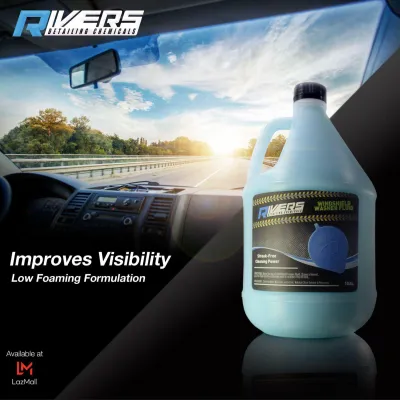
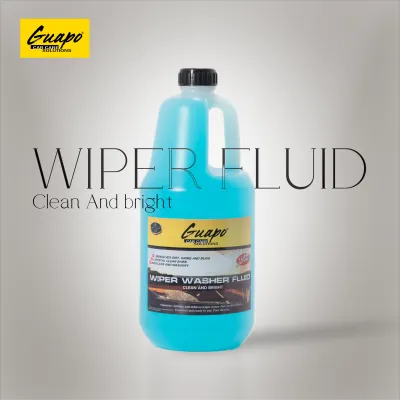
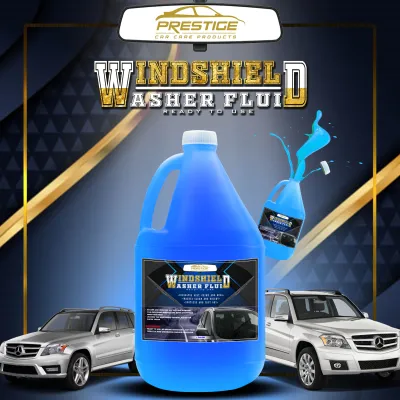
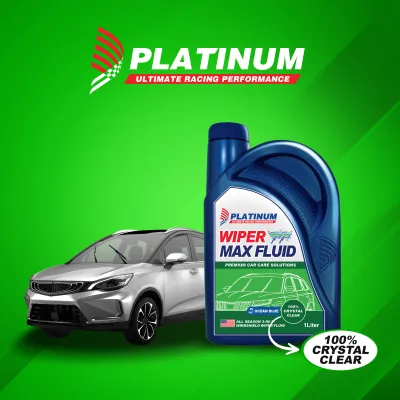

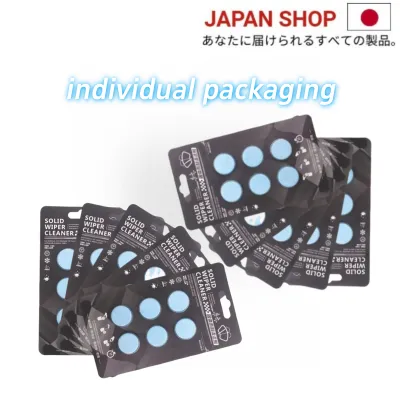
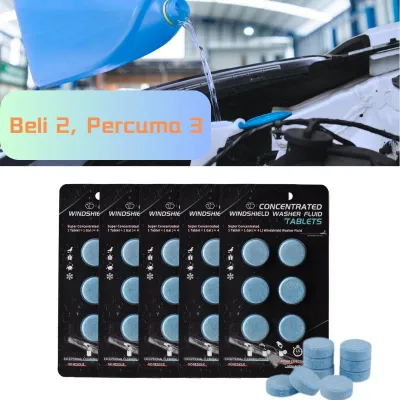
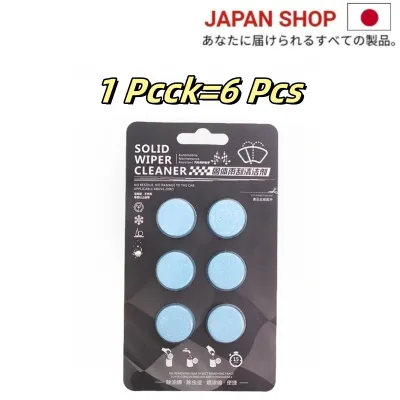
Prices are valid at publication and may change. Please refer to the product page for the latest price.
In the Philippines, urban areas and provincial highways present distinct challenges that require specialized cleaning agents. In city traffic, slow-moving vehicles emit high concentrations of unburnt fuel and oil mist, which quickly coat your glass. On provincial roads, you frequently encounter thick mud, clay, and organic residue from agricultural runoff or overhanging trees. These substances are highly adhesive and will smear across your windshield if you attempt to clear them with plain water, creating a dangerous blind spot.
Using plain water or allowing old, degraded fluid to remain in your reservoir during severe weather is a significant safety hazard. Over time, water sitting in a warm engine bay loses any minor cleaning efficacy it had and can develop bacterial growth. When sprayed onto a dirty windshield, especially during night driving, degraded fluid leaves a cloudy haze. This haze scatters the light from oncoming headlights and streetlights, causing severe glare that can temporarily blind you at critical moments. A dedicated monsoon-grade wiper fluid is essential to break down these contaminants instantly and maintain a crystal-clear view.
Key Specifications to Check on the Wiper Fluid Label
When shopping for a wiper fluid at local automotive supply stores or online marketplaces, you must look closely at the product label to identify key performance specifications. The most effective fluids for the rainy season feature hydrophobic or water-repellent technology. These formulations deposit a microscopic polymer layer onto the glass surface, lowering its surface tension. This causes rainwater to bead up into tight droplets that are easily swept away by the wind or your wiper blades, significantly improving visibility when driving at highway speeds on expressways like the NLEX or SLEX.

Another critical specification to verify is the presence of advanced surfactants. Surfactants are active cleaning agents that lower the surface tension of the fluid itself, allowing it to wet surfaces more effectively and penetrate oily soils. Look for labels that explicitly state the fluid’s ability to cut through road film, grease, and organic splatter. A high-surfactant formula encapsulates the oily particles on your windshield, allowing the rubber wiper blades to glide smoothly and lift the dirt away without dragging abrasive grit across the glass.
You must also ensure the label guarantees a streak-free or anti-smear finish. Some low-grade fluids contain cheap detergents or high concentrations of alcohol that evaporate too quickly, leaving behind a white, powdery residue or a greasy film. This residue is highly reflective and will exacerbate headlight glare during night-time downpours. A quality formulation will evaporate evenly across the glass, leaving absolutely no residue behind. Additionally, check that the fluid is formulated for tropical climates; avoid products with high concentrations of anti-freeze (glycol), which are designed for freezing temperatures and can leave a smeary, oily film in hot, humid conditions.
Concentrates vs. Ready-to-Use: Choosing the Right Format
Wiper fluids are generally available in two formats: ready-to-use (RTU) bottles and concentrated formulas. Ready-to-use fluids are pre-mixed to the ideal concentration by the manufacturer and can be poured directly into your vehicle’s reservoir. This format offers maximum convenience, as it eliminates the need for measuring, mixing, or sourcing clean water. It is highly recommended for drivers who want a quick, hassle-free top-up before heading out into a storm, ensuring a consistent chemical balance every time.
Concentrates, on the other hand, are highly cost-effective and environmentally friendly due to reduced packaging. A single small bottle of concentrate can often produce several liters of wiper fluid when diluted correctly. Prices for concentrates typically range from ₱150 to ₱600, depending on the brand and active ingredients, making them an economical choice for drivers who cover long distances and use their washers frequently. Concentrates also take up very little storage space in your garage or trunk, allowing you to keep a backup supply on hand throughout the rainy season.
However, if you choose a concentrate, you must adhere to the critical rule of dilution: always use distilled or demineralized water. Never use tap water to dilute your wiper fluid concentrate. Tap water in the Philippines contains dissolved minerals such as calcium and magnesium. When exposed to the high temperatures of your car’s engine bay, these minerals precipitate out of the solution, forming hard scale deposits. Over time, this scale will clog the tiny washer nozzles, restrict fluid flow, and eventually damage the internal components of the washer pump, leading to costly repairs.
Safety and Compatibility Checks for Your Vehicle
Before purchasing any wiper fluid, your first step should always be to consult your vehicle’s owner’s manual. Manufacturers often specify restrictions on the types of solvents or additives that can be safely used in the washer system. Some European or modern Asian vehicles use specific plastics and rubbers in their washer lines and headlight washer systems that can be degraded by harsh alcohols or strong chemical solvents. Adhering to the manufacturer’s guidelines prevents premature failure of these components.
Using incorrect chemicals or homemade mixtures can cause severe damage to your vehicle. For example, adding household dish soap or laundry detergent to your washer reservoir is highly damaging. These household products often contain sodium chloride (salt) as a thickening agent, which can corrode the electrical contacts of the washer pump and damage your car’s paint. Furthermore, harsh chemicals can dry out, swell, or crack the rubber of your wiper blades, reducing their lifespan and causing them to chatter or skip across the windshield during a storm.
Modern vehicles equipped with Advanced Driver-Assistance Systems (ADAS) require extra caution. These systems often rely on cameras and rain sensors mounted on the upper section of the windshield, right behind the rearview mirror. If your wiper fluid leaves a cloudy residue, a greasy film, or an uneven hydrophobic coating in front of these sensors, it can distort the camera’s view. This distortion can trigger system errors, temporarily disabling critical safety features like lane-keeping assist, forward collision warning, or automatic emergency braking. Always choose a fluid that is explicitly labeled as safe for rain sensors and optical glass.
How to Flush and Refill the Washer Reservoir
To get the maximum benefit from your new monsoon-ready wiper fluid, you should perform a complete flush of the washer system rather than simply mixing the new fluid with the old. Mixing different chemical formulas can cause a reaction that leads to precipitation, creating a jelly-like substance that will clog your hoses and nozzles. Start by opening your vehicle’s hood and locating the washer fluid reservoir, which is easily identified by a cap embossed with a windshield wiper symbol.
To drain the old fluid safely, you can use a simple hand-operated siphon pump to draw the liquid out of the reservoir. If you do not have a siphon pump, you can run the windshield washer system in short, controlled bursts of five to ten seconds to spray the old fluid out. Be sure to allow the washer pump motor to cool down for a minute between bursts to prevent it from overheating and burning out. Once the reservoir is empty, pour in a small amount of distilled water and spray it through the system to flush out any remaining residue.
After flushing, carefully pour your new ready-to-use fluid or your freshly mixed concentrate and distilled water solution into the reservoir until it reaches the fill line. Secure the reservoir cap tightly to prevent dirt, leaves, or engine grime from falling inside. Finally, take a moment to inspect your washer nozzles; if the spray pattern is uneven or weak, you can use a fine sewing needle to gently clear any dirt or wax buildup from the nozzle openings. Inspect your wiper blades for any signs of tearing or stiffness, ensuring your entire visibility system is fully prepared for the heavy rains ahead.
Frequently Asked Questions (FAQ)
Can I just use plain tap water in my wiper fluid washer during the rainy season?
No, using plain tap water is highly discouraged for monsoon driving. Tap water lacks the necessary surfactants and active cleaning agents to break down the oily road film, diesel soot, and organic grime that accumulate on your windshield during heavy downpours. Attempting to clear this grime with water alone will only smear the dirt across your glass, severely compromising your visibility. Furthermore, tap water contains dissolved minerals that form hard scale deposits over time, clogging your washer nozzles and damaging the pump. Standing tap water in a warm engine bay can also promote the growth of algae and bacteria, leading to a foul-smelling sludge that blocks the system.
How often should I top up or replace the wiper fluid during heavy monsoon months?
During the peak of the rainy season, you should inspect your washer fluid level at least once every two weeks, or before embarking on any long provincial trips. The frequent road spray from trucks and buses means you will use your washers much more often than you would during the dry season. If you notice the spray pattern becoming weak, or if the fluid sprayed onto your windshield appears diluted or fails to clear grime effectively, it is time for a top-up. Keeping a spare bottle of ready-to-use fluid or a pre-mixed solution in your trunk ensures that you are always prepared for sudden, severe downpours on the road.
Community discussion
Share your experience or ask a question. Comments are reviewed before publication.