
Finding the right balance between cost and protection is the primary challenge when shopping for a motorcycle helmet. In the Philippines, where daily commutes involve navigating dense city traffic, unpredictable tropical downpours, and intense heat, selecting a helmet from the Zebra Classic lineup requires a systematic approach. Rather than assuming the most expensive option is the only safe choice, riders can find excellent value by matching their specific riding habits to the structural and comfort features of each variant. This guide provides a comprehensive framework to evaluate these options, ensuring you invest in verified safety and practical comfort.
True value in a helmet is not determined by aesthetic graphics or brand popularity alone. Instead, it is found in the quality of the materials that protect your head during an impact and the daily comfort features that prevent rider fatigue. By understanding how different components affect performance, you can make an informed decision that protects both your head and your wallet.
Understanding What Drives Value in the Zebra Classic Lineup
To evaluate the value of any helmet variant, you must first look at the shell construction. Entry-level helmets typically utilize standard thermoplastic materials, such as Acrylonitrile Butadiene Styrene (ABS). While ABS shells are highly durable and excellent at resisting penetration, they require a thicker profile to meet safety standards, which increases the overall weight of the helmet. Advanced variants may incorporate polycarbonate blends or composite materials, which offer superior impact resistance at a lighter weight, significantly reducing neck strain during long rides.
Products mentioned in this guide
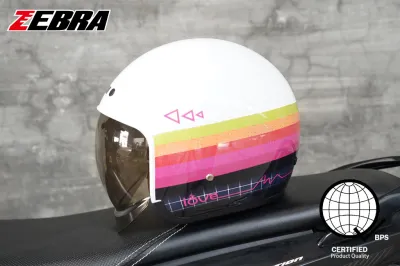
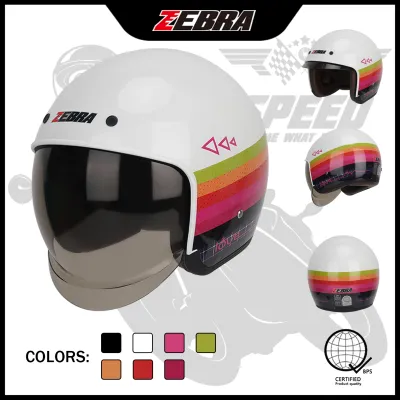
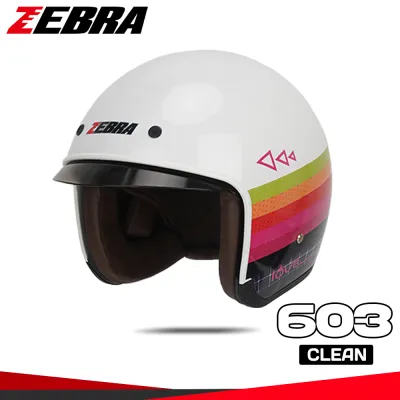
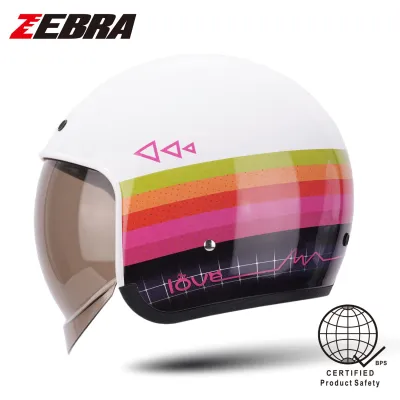
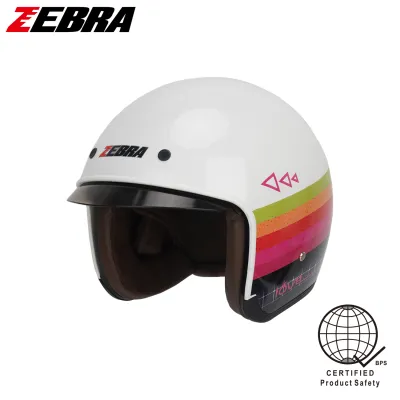
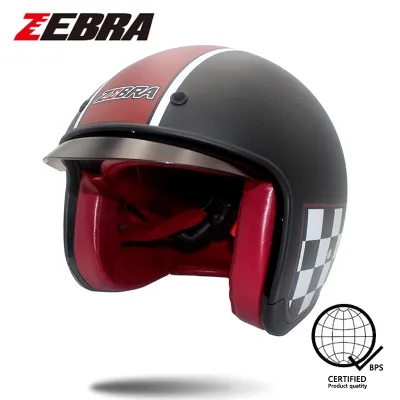
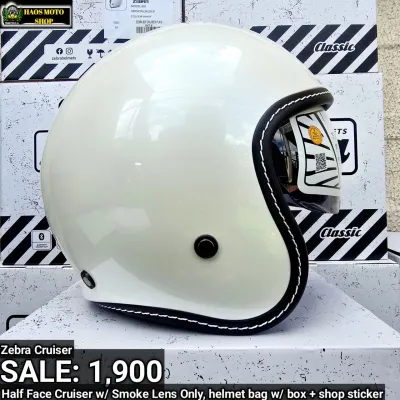
Prices are valid at publication and may change. Please refer to the product page for the latest price.
Beneath the outer shell lies the Expanded Polystyrene (EPS) liner, which is the most critical safety component of the helmet. The EPS liner absorbs and dissipates the kinetic energy generated during an impact. Premium variants often feature multi-density EPS liners, which are engineered to handle both high-speed and low-speed impacts by using varying foam densities in strategic zones. This level of engineering provides a more sophisticated safety profile than single-density liners found in basic models.
Interior padding is another major factor that separates budget options from premium configurations. In a tropical climate, sweat accumulation is a constant challenge that can lead to bacterial growth, skin irritation, and unpleasant odors. High-quality interior liners utilize moisture-wicking, hypoallergenic fabrics that actively pull sweat away from your skin. Furthermore, the ability to completely remove and wash these liners is essential for maintaining hygiene over years of daily use.
Visor mechanisms also play a critical role in daily usability and safety. A high-value visor must offer optical clarity without distortion, scratch resistance, and integrated UV protection to shield your eyes from intense sunlight. The operational smoothness of the ratchet system determines how easily you can crack the visor open for ventilation or seal it shut against wind and rain. Advanced systems feature tool-free, quick-release mechanisms that allow you to swap visors in seconds.
Finally, safety compliance is the ultimate measure of value. In the Philippines, all motorcycle helmets must carry a valid Import Commodity Clearance (ICC) sticker or Philippine Standard (PS) mark. These certifications prove that the helmet has undergone rigorous physical testing to verify its structural integrity under impact, penetration, and retention system strength. Never rely solely on manufacturer marketing claims; always verify the physical presence of these official safety labels before purchasing.
Budget-Tiered Selection Framework for Zebra Classic Helmets
To simplify your purchasing decision, it is helpful to categorize the Zebra Classic lineup into distinct budget tiers. This structured approach allows you to match your financial limits and riding frequency to the appropriate level of protection and comfort. By identifying your primary riding environment, you can avoid overpaying for high-end features you do not need, or conversely, underspending on a basic helmet that fails to keep you comfortable during long commutes.

Entry-Level Variants: Essential Protection for Short Commutes
Entry-level variants are designed primarily for budget-conscious riders, students, or those who only undertake short, low-speed trips within residential areas or city centers. These helmets focus strictly on baseline safety compliance, ensuring that you meet legal requirements while maintaining essential impact protection. They feature standard thermoplastic shells paired with reliable, single-density EPS liners that provide the necessary shock absorption during a low-speed fall.
The visor systems on these entry-level models are typically basic, utilizing simple friction or plastic ratchet mechanisms. While they lack advanced quick-release features, they provide adequate wind and dust protection for short trips. Ventilation is functional, usually consisting of fixed intake vents on the chin and forehead that provide a steady stream of air, though they may lack adjustable shutters to close them during heavy rain.
The primary trade-offs in this budget tier are weight and interior convenience. Because thermoplastic shells require more material to achieve safety standards, these helmets are generally heavier, which can cause neck fatigue if worn for more than an hour at a time. Additionally, the interior padding is often fixed or only partially removable, meaning you must clean the helmet using specialized foam sprays rather than washing the liners directly in water. For short daily commutes, however, these trade-offs are highly manageable.
Mid-Range Configurations: Balancing Comfort and Daily Utility
Mid-range configurations represent the sweet spot for the average daily commuter who spends significant time on the road every week. These variants justify their moderate price increase by introducing features that directly improve long-term hygiene and daily usability. The most notable upgrade is the inclusion of fully removable, washable, and hypoallergenic interior liners, allowing you to maintain a fresh helmet environment despite daily sweat.
Ventilation systems in the mid-range tier are substantially upgraded to handle tropical heat. They feature adjustable intake vents on the chin and brow, paired with rear exhaust vents that utilize the Venturi effect to pull hot, humid air out of the helmet. This active airflow management keeps your head cooler and reduces sweat buildup, which directly improves your concentration and comfort on the road.
Weatherproofing is also enhanced in mid-range models. These helmets typically feature high-quality rubber gaskets around the eyeport, creating a tight seal when the visor is fully closed. This prevents rainwater from seeping down the inside of the visor during sudden afternoon downpours. Furthermore, the shell designs are more aerodynamically refined, which helps reduce wind buffeting and whistling noises at moderate highway speeds.
Premium Feature Sets: Advanced Materials and Touring Readiness
Premium feature sets are engineered for long-distance touring enthusiasts, highway commuters, and riders who demand the highest levels of comfort and convenience. These variants often utilize advanced lightweight polycarbonate or composite shells. By reducing the overall weight of the helmet, these materials minimize neck strain and physical fatigue during multi-hour rides, making them ideal for weekend road trips.
Visor technology in this tier is highly sophisticated. Premium models frequently feature quick-release visor mechanisms that require no tools to operate, allowing you to switch between clear and tinted visors easily. They are also designed to accept anti-fog inserts, such as Pinlock lenses, which are essential for maintaining clear vision during early morning rides, high-humidity conditions, or heavy rainstorms where visor fogging is a severe safety hazard.
In addition to optical upgrades, premium variants incorporate advanced safety and convenience features. Some models include emergency quick-release cheek pads, which allow medical personnel to safely remove the helmet without straining the rider’s neck in the event of an accident. You will also find dedicated interior cutouts designed to accommodate communication headsets, allowing you to install Bluetooth systems comfortably without pressing the speakers painfully against your ears.
Critical Safety, Fitment, and Authenticity Checks
No matter which budget tier you choose, a helmet will only protect you if it fits correctly and is a genuine, certified product. Buying an ill-fitting or counterfeit helmet completely negates any theoretical safety advantages. Before finalizing your purchase, you must perform a series of physical checks to ensure the helmet is safe to use on public roads.
First, you must determine your correct helmet size by measuring your head circumference. Use a flexible measuring tape wrapped horizontally around your head, approximately one inch above your eyebrows and ears. Compare this measurement to the manufacturer’s official sizing chart, as sizing can vary significantly between different brands and even different models within the same brand.
Next, identify your head shape, which is just as important as the circumference. Most riders have an intermediate oval head shape, but some have round oval or long oval shapes. If you put on a helmet and feel immediate pressure points on your forehead or the sides of your temple, the helmet shape is incompatible with your head. A properly fitting helmet should apply even pressure around your entire head without causing pain or hot spots.
To verify the authenticity of the helmet, closely inspect the safety certification labels. In the Philippines, look for the official ICC sticker on the rear of the helmet. Genuine stickers feature a distinct holographic pattern that shifts under light, along with a unique serial number. You can verify this serial number through official government verification channels or authorized mobile apps to ensure the sticker is not a counterfeit copy.
Finally, perform a physical fitment test once the helmet is securely buckled. Grab the chin bar and attempt to shake your head side to side; the helmet should not slide independently of your skin. Next, try to roll the helmet forward off your head from the back edge; if it slips forward significantly or comes off, the retention system or the overall size is too large. Your cheeks should be pressed firmly against the cheek pads, similar to a “chipmunk” look, which indicates a secure fit that will not shift during an impact.
Navigating Purchase Channels and Warranty Verification
Where you buy your helmet is just as important as the model you select. Purchasing from authorized physical dealers is highly recommended because it allows you to try on different sizes, feel the weight of the helmet, and receive professional fitment advice from trained staff. Physical stores also allow you to inspect the physical ICC sticker and overall build quality before handing over your money.
If you prefer the convenience of online shopping, restrict your purchases to official brand flagship stores on major e-commerce platforms. Avoid third-party sellers offering suspiciously low prices, as these are often gray-market imports that lack local safety certifications, or worse, cheap counterfeit replicas that offer zero impact protection. Look for red flags such as missing original packaging, absent user manuals, or the lack of an official warranty card.
Always verify the manufacturer’s warranty policy at the time of purchase. Genuine Zebra Classic helmets typically come with a warranty that covers manufacturing defects in the outer shell, EPS liner, and visor mechanism for a specified period. Keep your official sales receipt in a safe place, as you will need it to file a claim. Note that helmet warranties strictly cover manufacturing defects and do not apply to damage caused by drops, accidents, normal wear and tear, or unauthorized modifications.
Frequently Asked Questions (FAQ)
How often should I replace my Zebra Classic helmet if it hasn't been in a crash?
Even if your helmet has never been involved in an accident, the materials that provide protection degrade over time. The internal EPS liner gradually hardens and loses its ability to absorb shock due to constant exposure to sweat, hair oils, cosmetics, and extreme tropical heat. Additionally, the outer shell materials can become brittle over time from exposure to ultraviolet (UV) radiation from the sun.
As a general safety standard, most manufacturers and safety organizations recommend replacing your helmet every three to five years of regular use, or seven years from the date of manufacture. You should inspect your helmet regularly for signs of degradation. If the interior foam feels hard and brittle, if the fabric lining is severely frayed and loose, or if the outer shell shows deep scratches and color fading, it is time to replace the helmet to ensure your safety.
Can I install an aftermarket drop-down sun visor if my variant doesn't have one?
No, you should never attempt to install an aftermarket drop-down sun visor that requires modifying the helmet’s physical structure. Drilling holes, cutting slots into the outer shell, or carving out sections of the internal EPS liner to accommodate an aftermarket mechanism will severely compromise the helmet’s structural integrity. These modifications create weak points that can cause the helmet to crack or fail completely during an impact, and they will immediately void any manufacturer warranty.
If your current helmet variant does not feature an integrated drop-down sun visor, there are several safe alternatives you can use. You can purchase an officially approved tinted outer visor from an authorized dealer, provided it is legal for daytime use in your area. Alternatively, you can wear high-quality, UV-blocking riding sunglasses designed with thin temples that fit comfortably inside the helmet’s interior channels, or upgrade to a factory-equipped dual-visor variant when it is time to replace your helmet.
Community discussion
Share your experience or ask a question. Comments are reviewed before publication.