
Finding the right motorcycle brake pads in the Philippines is not about chasing a single, universally crowned brand. Because riders navigate everything from flooded city streets during the monsoon season to steep, winding mountain passes, the most trusted brand is ultimately the one that matches your specific motorcycle, riding habits, and rotor compatibility. Rather than relying on unverified online rankings, selecting the right brake pads requires a structured approach to evaluating materials, verifying technical specifications, and understanding safety boundaries.
By focusing on how different friction compounds behave under tropical conditions, you can make an informed decision that balances stopping power, durability, and cost. Whether you ride a daily commuter scooter, an underbone, or a high-displacement adventure motorcycle, understanding the engineering behind your brakes is the first step toward ensuring a safe and reliable ride.
Understanding Moto Brake Pad Materials and Performance
The foundation of any trusted brake pad is its friction compound. Manufacturers design different material blends to handle specific levels of heat, moisture, and pressure, meaning the right choice for one rider might be highly unsuitable for another.
Products mentioned in this guide
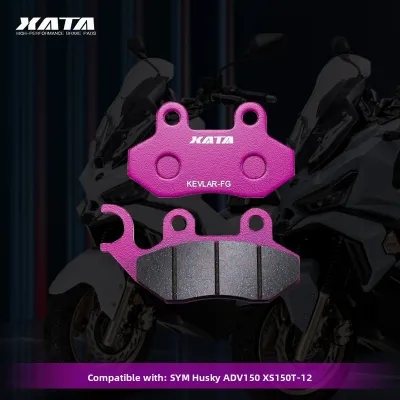
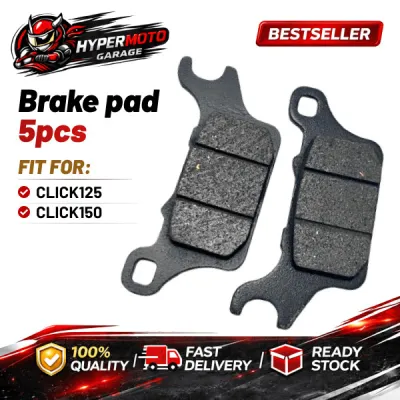
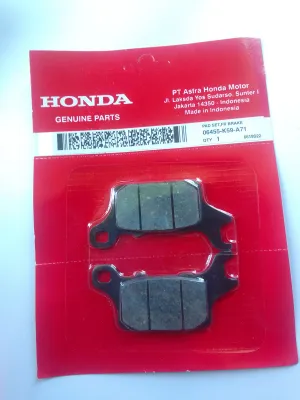
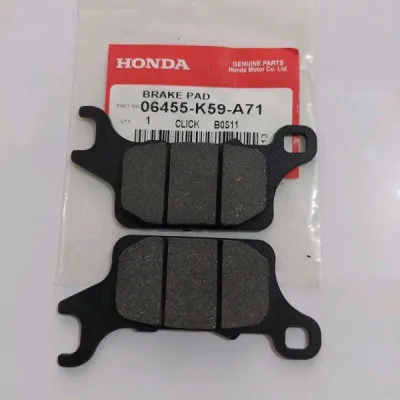
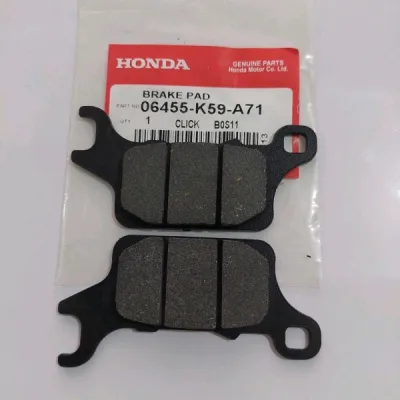
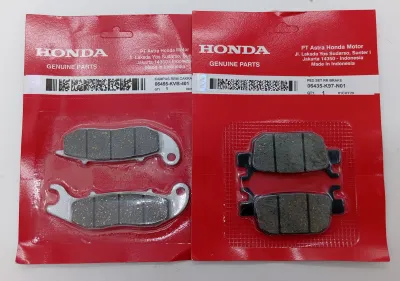
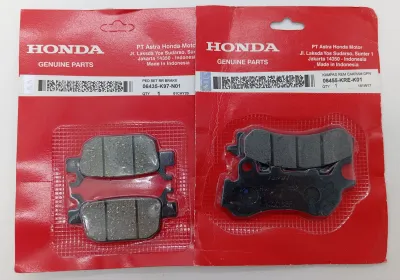
Prices are valid at publication and may change. Please refer to the product page for the latest price.
Organic brake pads, often formulated with materials like Kevlar, carbon, and glass fibers bound by temperature-resistant resins, are known for their quiet operation and smooth initial bite. They are exceptionally gentle on brake rotors, which helps extend the lifespan of your discs. However, organic compounds wear down relatively quickly under high heat and can lose friction when heavily saturated with water. This makes them best suited for light city commuting on small-displacement motorcycles where braking demands are moderate.
Semi-metallic brake pads combine synthetic fibers with metallic elements such as copper, steel, or iron. This hybrid composition offers a balanced middle ground, providing significantly better heat dissipation and durability than organic pads, though they may produce slightly more brake dust and moderate noise. They are highly versatile, making them a popular choice for daily commuting and occasional highway riding across various provinces.
Sintered brake pads are manufactured by fusing metallic particles together under intense heat and pressure. These pads offer outstanding heat tolerance and maintain consistent, aggressive stopping power even in wet, muddy, or flooded conditions. Because they are highly abrasive, they require compatible rotors—typically hardened stainless steel—to prevent premature disc wear. Sintered pads are the standard choice for heavy loads, long-distance touring, and high-performance riding.
Matching Brake Pads to Your Riding Style
To narrow down your choices, you must match the brake pad compound to your actual daily riding scenarios and the specific demands of your environment.

For daily city commuting through dense, stop-and-go traffic in major metropolitan areas, your brakes are applied constantly but rarely reach extreme racing temperatures. In these conditions, prioritize low noise, smooth modulation, and cost-effectiveness. Organic or entry-level semi-metallic pads are highly suitable here because they provide immediate, reliable bite at low operating temperatures without requiring a warm-up period.
For long-distance touring or navigating scenic mountain routes like the Marilaque Highway, brake fade is a critical safety concern. Continuous braking down steep, winding declines generates intense thermal stress that can cause inferior pads to lose friction. Riders tackling these routes should focus on high-grade semi-metallic or sintered compounds that are engineered to resist brake fade and maintain stable stopping power under sustained heat.
If your routes involve unpaved provincial roads, muddy trails, or riding through heavy tropical downpours, standard pads can slip or wear out prematurely. Off-road and dual-sport riders should look for specialized sintered materials designed to clear debris and maintain high friction levels when wet, ensuring the calipers perform reliably even when caked in mud and water.
Key Specifications to Verify Before Purchase
Braking systems are highly precise, and physical compatibility is a safety-critical factor. Never infer compatibility solely from a generic category term or a broad brand name; instead, verify the exact technical specifications of the product against your vehicle documentation.
Start by cross-referencing original equipment manufacturer (OEM) part numbers. Consult your motorcycle’s official manual or parts catalog to identify the exact part number for your front and rear calipers, and confirm that the aftermarket brake pad packaging explicitly lists your motorcycle’s exact make, model, and year of manufacture.
Next, check the physical dimensions, backing plate shape, and any specific pin or shim requirements against your existing caliper setup. Even minor variations in backing plate thickness or mounting hole placement can prevent proper installation, cause the pad to bind inside the caliper, or lead to uneven wear and brake drag.
Finally, inspect the packaging for official manufacturer labels, batch numbers, and friction coefficient codes. Genuine, high-quality pads typically feature standard two-letter friction ratings (such as “HH” for high-friction sintered pads) printed directly on the backing plate, which serves as a key indicator of authenticity and performance standards.
Evaluating Brand Reputation and Value
Navigating the local motorcycle parts market requires a cautious approach to ensure you are investing in genuine, high-quality components rather than low-grade counterfeits.
To guarantee product authenticity, purchase your brake pads exclusively from authorized physical dealerships or official brand stores on reputable online marketplaces. Avoid unverified third-party sellers offering premium brands at suspiciously low prices, as counterfeit brake pads are common and pose a severe risk of sudden failure.
When comparing prices, expect a wide range based on material composition and technology. Basic organic pads may cost under ₱300, while premium sintered pads for larger displacement motorcycles can easily exceed ₱2,000. Evaluate this cost relative to the expected lifespan and safety requirements of your daily ride, keeping in mind that saving a small amount on cheap pads is never worth compromising your stopping distance.
Additionally, seek out verified rider feedback that focuses on your specific motorcycle model and real-world tropical conditions. Reviews that detail how a brand performs during heavy rain, how long the pads last under daily commuting, and whether they cause excessive rotor wear provide far more practical value than general brand popularity claims.
Installation, Bedding-In, and Safety Boundaries
Because brakes are your motorcycle’s most critical safety system, proper installation and post-purchase care are essential to ensure reliable operation and prevent damage.
If you do not possess the proper tools, a calibrated torque wrench, or a thorough understanding of caliper mechanics, do not attempt a DIY installation. Always have your brake pads installed by a qualified professional mechanic, and ensure they refer to your original-vehicle instructions for correct torque specifications, pin lubrication, and caliper alignment.
Once installed, new brake pads must undergo a proper bedding-in (or break-in) process before they can deliver optimal stopping power. This process involves making a series of controlled, gradual stops from moderate speeds to transfer an even layer of friction material from the pad to the rotor surface, preventing uneven wear, glazing, and annoying brake squeal.
After installation, monitor your braking system closely for any warning signs. If you experience grinding noises, a spongy brake lever or pedal, pulling to one side, or excessive heat radiating from the caliper after a short ride, stop riding immediately and consult a professional technician to diagnose and resolve the issue.
Frequently Asked Questions (FAQ)
Can I mix different brake pad brands on the front and rear?
Yes, you can use different brands or compounds on the front and rear calipers, but you must understand how this affects your motorcycle’s brake bias. The front brake provides the majority of your stopping power, so many riders prefer a high-grip sintered pad on the front for maximum performance, while using a milder semi-metallic or organic pad on the rear to prevent premature rear-wheel lock-up. Always ensure that both sets are compatible with your respective rotors and maintain a balanced braking technique.
How do I know if my brake rotors need replacing along with the pads?
You should inspect your brake rotors every time you change your brake pads. Look for observable signs of wear such as deep grooves, severe discoloration from overheating, warping, or a noticeable lip forming at the outer edge of the disc. Most importantly, use a micrometer to measure the disc thickness and compare it to the minimum thickness limit stamped directly on the rotor; if the thickness falls below this safety threshold, the rotor must be replaced immediately.
Are cheaper, unbranded brake pads safe for daily use?
Using cheap, unbranded brake pads carries severe safety risks and is not recommended for daily use. These products often lack verified friction coefficient ratings, meaning their stopping power can be highly unpredictable, especially when hot or wet. They are prone to sudden brake fade, premature cracking, or complete delamination of the friction material from the backing plate, and their low-quality materials can quickly score and ruin expensive brake rotors.
Community discussion
Share your experience or ask a question. Comments are reviewed before publication.