
Understanding the Tropical Riding Challenge: Heat vs. Safety
Balancing breathability and protection when choosing riding jackets for women in the Philippines requires selecting a jacket with high-airflow mesh panels on the chest and arms, combined with high-denier textile or leather reinforcements at key impact zones, and fitted with ventilated, CE-certified armor. Navigating the unique climate of the Philippines presents a constant physical challenge for motorcycle riders. With ambient temperatures frequently exceeding 30°C and relative humidity levels regularly climbing above 80%, riding in heavy gear can quickly lead to intense physical discomfort.
Overheating on a motorcycle is more than just an inconvenience; it is a direct safety hazard. When your body temperature rises, heat exhaustion sets in, which slows your reaction times, impairs your decision-making, and accelerates physical fatigue. This makes navigating dense urban traffic, such as crawling through EDSA or C-5, significantly more dangerous.
This climate creates a difficult trade-off for riders. Opting for maximum airflow by wearing thin, non-protective clothing exposes you to severe abrasion injuries in a slide. Conversely, wearing heavy, unventilated protective gear can cause you to overheat within minutes of slow-moving travel.
Products mentioned in this guide
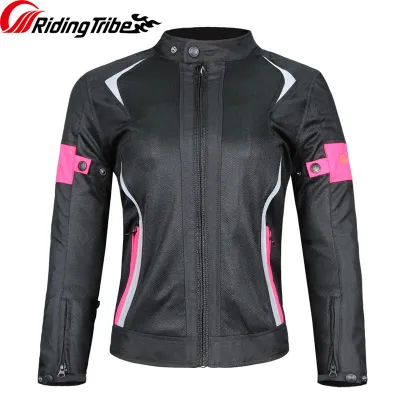
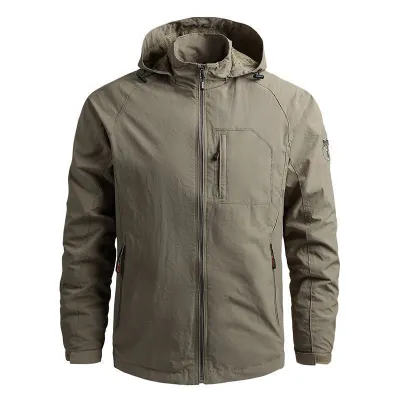
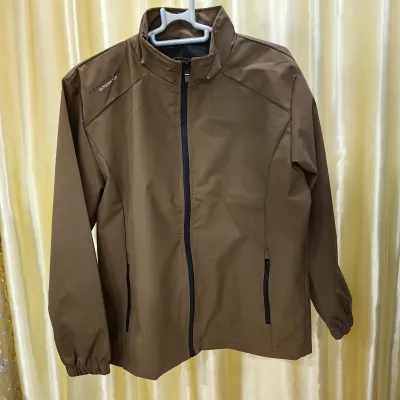
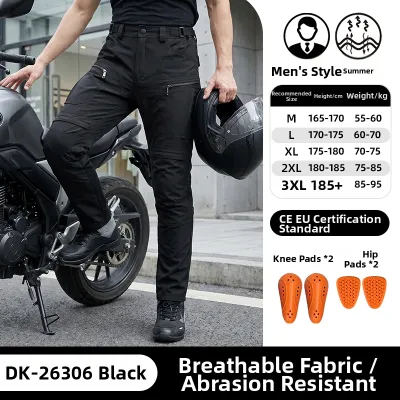
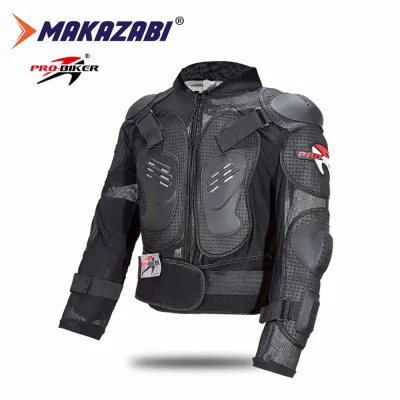
Prices are valid at publication and may change. Please refer to the product page for the latest price.
The baseline safety rule is clear: never compromise impact and abrasion protection for temporary thermal comfort. Instead of sacrificing safety, riders must look for engineered riding gear that strategically combines high-volume ventilation with robust, reinforced protective materials in high-risk zones.
Choosing the Right Materials and Construction for Hot Weather
Selecting a hot-weather jacket requires a close inspection of how the garment is built. Before making a purchase at a local gear shop or through an online marketplace, you must examine the physical tags, inner labels, and material composition to verify that the jacket can handle both high heat and sudden slides.

Comparing Mesh, Textile, and Perforated Options
Mesh jackets offer the highest level of airflow for tropical riding. These garments use a highly porous, woven polyester or nylon mesh across the chest, inner arms, and back to allow wind to pass directly through to your body. However, because open mesh has low abrasion resistance, a safe mesh jacket must feature a hybrid design that uses solid, heavy-duty fabrics over the shoulders and elbows.
Solid textile jackets made of tightly woven polyester or nylon offer excellent slide protection but block wind. If you prefer a solid textile jacket, look for specialized summer models that feature large, zippered ventilation panels or modular fold-down flaps. These panels allow you to customize the airflow depending on whether you are stuck in city traffic or cruising along the open lanes of the Marilaque Highway.
Perforated leather is another option, providing top-tier abrasion resistance along with targeted airflow through thousands of tiny, laser-cut perforations. While leather offers unmatched safety, it is significantly heavier than mesh, retains more body heat when stationary, and requires careful conditioning to prevent mold and mildew in the humid Philippine climate.
Verifying Reinforcement and Abrasion Zones
When evaluating highly ventilated jackets, always check the material specifications of the high-impact slide zones. The shoulders, elbows, and upper back must be reinforced with a secondary layer of high-denier fabric, typically rated at 500-denier (500D) or higher. If a jacket uses lightweight mesh across these critical contact points without any solid textile overlay, it is highly likely to tear instantly during a slide.
Inspect the structural seams of the jacket to ensure they can withstand high-tension forces. Look for double or triple stitching along the main assembly seams, especially where the mesh panels join the solid textile reinforcements. Weak or single-threaded seams are prone to bursting upon impact, which can cause the protective panels to shift and expose your skin to the road.
Selecting Impact Armor That Minimizes Heat Retention
While the outer fabric of your jacket protects your skin from road rash, the internal armor absorbs impact energy to protect your bones and joints. In hot weather, traditional solid armor pads can act as heavy heat barriers, trapping sweat and hot air directly against your body.
Always verify the safety standards of the armor by checking the physical certification stamps molded into the pads or printed on the internal tags. Look for the European standard EN 1621-1 for shoulder and elbow protectors, and EN 1621-2 for back protectors. These certifications ensure the armor has been tested to absorb a specific amount of impact force, with CE Level 2 offering higher energy absorption than CE Level 1.
To keep cool, look for modern molecular armor made from advanced polymers that remain flexible during normal wear but instantly harden upon impact. Many of these modern armor pieces feature open-geometry, honeycomb, or highly perforated designs. These open structures allow air to flow directly through the armor to your skin, significantly reducing sweat buildup around your shoulders and elbows.
Do not rely on the basic, non-rated foam pads that often come pre-installed in the back pockets of entry-level jackets. These foam sheets offer virtually no impact protection and act as massive insulators along your spine. Replace them with a dedicated, CE-rated back protector insert that features a ventilated, matrix-like structure to allow heat to escape from your back.
Ensure that the internal armor pockets feature adjustable hook-and-loop tabs. This adjustability is crucial because it allows you to position the elbow and shoulder pads precisely over your joints. If the armor is allowed to sit too low or too high, it will fail to protect you during an impact and can cause uncomfortable pressure points while you ride.
Why a Women-Specific Fit is Essential for Riding Jackets for Women
Choosing a jacket designed specifically for the female anatomy is a critical safety decision, not just an aesthetic preference. Unisex or men’s small jackets are typically cut straight, which often results in excess fabric around the waist, overly broad shoulders, and sleeves that are too long for most female riders.
An improperly fitted jacket will flap excessively at highway speeds, which increases aerodynamic drag and forces your neck and shoulder muscles to work harder to stabilize your body. This constant physical resistance leads to rapid rider fatigue during long weekend tours. A women-specific cut features narrower shoulders, a tapered waist, and adjusted sleeve lengths to prevent this wind resistance.
More importantly, a snug, contoured fit keeps your protective armor securely in place. If a jacket is too loose, the elbow and shoulder guards can easily twist or slide away from your joints during a fall, leaving your bones completely unprotected when you hit the pavement. A properly tailored jacket ensures that the armor remains locked over your joints throughout a slide.
Look for riding jackets for women that feature multi-point adjustment systems, such as snap buttons on the forearms, hook-and-loop straps on the biceps, and zippered gussets or cinch straps at the waist. These adjusters allow you to customize the fit of the jacket over different base layers. This flexibility is highly useful if you need to tighten the jacket over a thin summer shirt for a hot daytime commute, or loosen it slightly to accommodate a warmer layer for early morning rides in cooler regions like Tagaytay or Baguio.
Handling Sudden Tropical Downpours Without Sacrificing Airflow
Weather conditions in the Philippines can change rapidly, with bright sunshine turning into a torrential downpour within minutes, especially during the monsoon season. Managing this sudden moisture without ruining your daily ventilation requires a practical layering strategy.
Many summer riding jackets come equipped with an internal waterproof liner that zips into the inside of the main shell. While these liners are highly effective at keeping rain out, they act as complete windbreaks. Wearing a waterproof liner inside a mesh jacket in hot weather quickly creates a humid sauna effect, trapping your sweat and body heat inside the jacket. Once the rain stops, you must pull over, remove the jacket, unzip the liner, and pack it away, which is highly inconvenient on busy roads.
For tropical riding, a highly practical approach is to wear a fully ventilated mesh jacket as your primary layer and carry a separate, lightweight external rain suit in your motorcycle’s top box or under-seat compartment. When a downpour begins, you can quickly slip the rain jacket over your armored mesh jacket. This keeps your primary gear dry and clean, and once the rain stops, you can remove the outer rain layer immediately to restore 100% of your jacket’s cooling airflow.
Maintaining Your Gear in High Humidity to Prevent Degradation
High humidity combined with sweat and road grime creates an ideal environment for bacteria, mold, and mildew to grow. If left unmanaged, these elements can degrade the synthetic fibers of your jacket, weaken the stitching, and cause persistent, unpleasant odors.
After every ride, especially if you have sweated heavily or ridden through rain, never leave your jacket crumpled in a dark closet or stored inside a motorcycle top box. Hang the jacket immediately on a wide-shouldered, heavy-duty hanger in a well-ventilated, shaded indoor area. Avoid hanging synthetic riding gear in direct, harsh sunlight for extended periods, as prolonged ultraviolet (UV) exposure can weaken the nylon and polyester fibers over time.
Periodically remove all impact armor from their pockets and wash the jacket to remove salt buildup from sweat. Always refer to the manufacturer’s care label for specific washing instructions. Most textile and mesh jackets can be hand-washed in cool water using a mild, non-biological liquid detergent. Rinse the jacket thoroughly to ensure no soap residue remains, as dried soap can clog the tiny pores of the mesh fabric and reduce its breathability.
Avoid using harsh chemical bleaches, fabric softeners, or unverified waterproofing sprays on your mesh gear. Fabric softeners coat synthetic fibers with a thin chemical layer that can clog mesh pores and reduce the fabric’s moisture-wicking capabilities. If you need to restore water repellency to solid textile panels, use only specialized fabric protectants recommended by the manufacturer, and apply them strictly according to the product instructions.
Frequently Asked Questions (FAQ)
What should I wear under a mesh riding jacket in hot weather?
You should wear a long-sleeve, moisture-wicking athletic base layer made of synthetic materials like polyester, nylon, or a lightweight merino wool blend. These fabrics actively pull sweat away from your skin, which accelerates evaporative cooling as air flows through the mesh panels of your jacket. A long-sleeve base layer also prevents the synthetic inner lining of the jacket from rubbing directly against your arms, reducing chafing and skin irritation during long rides. Avoid wearing cotton t-shirts, as cotton absorbs and holds moisture, making you feel damp and hot while blocking the cooling effects of the wind.
Community discussion
Share your experience or ask a question. Comments are reviewed before publication.