
Choosing the right motorcycle footwear for your daily ride in the Philippines comes down to balancing protection on the road with comfort once you park. While heavy-duty boots offer maximum safety during high-speed highway travel, lightweight riding shoes provide the flexibility needed for walking around an office or running errands. Determining which style fits your routine requires looking closely at your daily mileage, typical weather exposure, and how much time you spend on your feet off the bike. Making the wrong choice can lead to either sore, overheated feet at work or inadequate protection during a sudden highway incident.
Assess Your Daily Riding Routine
Your daily commute dictates the level of physical stress your feet and footwear will undergo. If your routine consists of a short, fifteen-minute filter through city traffic to reach an office parking lot, your footwear needs will differ vastly from someone facing a two-hour journey across expressways and provincial roads. Consider the total time you spend with your feet resting on the pegs versus walking on concrete or tiled floors. Long hours on the pegs require a stiffer sole to prevent arch fatigue, while short hops prioritize flexibility.
Off-bike mobility is a major factor for daily riders. If your job requires you to walk frequently, climb stairs, or stand for extended periods, stiff and heavy footwear can quickly cause fatigue and blisters. Conversely, if you can easily change into a pair of office shoes upon arrival, you can prioritize maximum on-bike protection without worrying about walkability. Think about your workplace storage options and whether carrying a second pair of shoes daily is a practical habit you can maintain.
Products mentioned in this guide
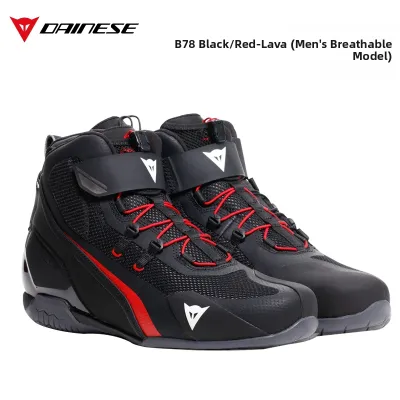
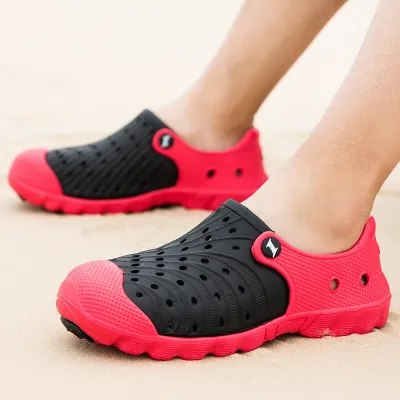
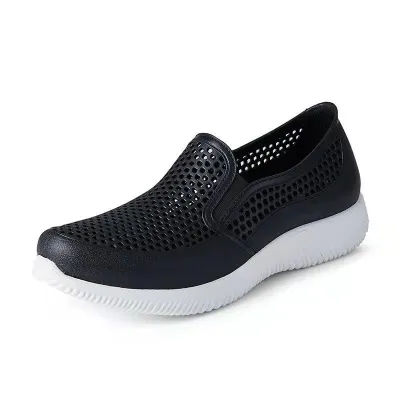
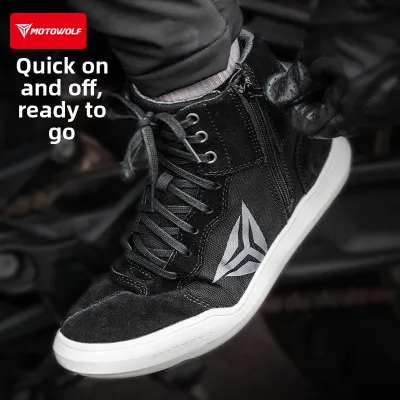
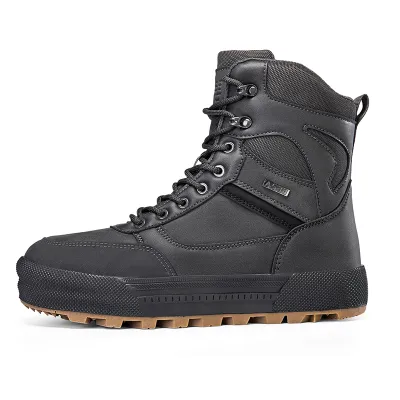
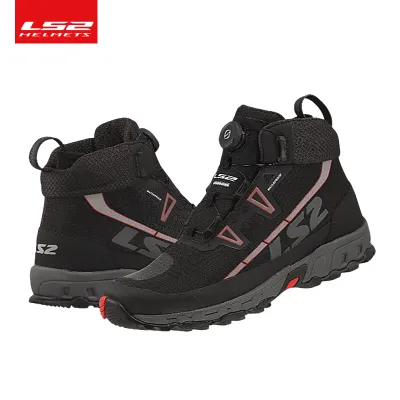
Prices are valid at publication and may change. Please refer to the product page for the latest price.
Weather and road conditions in a tropical climate also demand careful consideration. Daily riders frequently encounter sudden afternoon downpours, flooded streets, and intense engine heat in stop-and-go traffic. Your footwear must be able to handle these wet conditions while remaining breathable enough to prevent excessive sweating and discomfort during dry, humid days. Road debris, loose gravel, and oil slicks at intersections also require a sole that can provide reliable traction when you put your feet down.
The Case for Commute Motorcycle Shoes
Commute motorcycle shoes are designed to look and feel like standard sneakers or casual boots while incorporating discreet safety features. They blend seamlessly into casual workplaces and social settings, allowing you to transition from your motorcycle to an office desk or a restaurant without needing a change of footwear. This convenience makes them highly practical for urban riders who value a low-profile aesthetic and want to avoid looking fully geared up in non-riding environments.

Despite their casual appearance, proper commute shoes offer significantly more protection than standard lifestyle sneakers. They typically feature reinforced toe boxes, stiffened heel cups, and ankle inserts to protect against impact and abrasion. Many models also include integrated shift pads on the upper toe area to prevent wear from constant gear changes in heavy traffic, ensuring the shoes do not wear out prematurely from daily use.
Breathability is another major advantage of commute-focused riding shoes. Many urban models utilize perforated leather, lightweight canvas, or high-airflow textile panels that allow wind to cool your feet. This ventilation is crucial for maintaining comfort during slow-moving city commutes where engine heat rises directly toward your ankles, helping to prevent moisture buildup and subsequent odors in hot weather.
When Touring Boots Are the Better Choice
Touring boots are engineered for long-distance travel, high speeds, and sustained exposure to the elements. If your daily commute involves traversing high-speed expressways or navigating poorly paved provincial roads, the increased risk of high-velocity impacts makes touring boots a safer choice. The structural rigidity of these boots provides superior support against twisting forces during a fall, protecting the delicate bones of the foot and ankle.
The protection suite on a dedicated touring boot is extensive, often extending well up the calf to offer comprehensive shin and ankle coverage. They feature heavy-duty armor plates, reinforced shank soles that resist crushing, and robust waterproof membranes designed to keep your feet dry during severe tropical rainstorms. This level of weatherproofing ensures you can ride through heavy downpours without arriving at your destination with soaked socks, which is a common issue with low-cut shoes.
However, these safety benefits come with clear trade-offs in daily usability. Touring boots are heavier, stiffer, and significantly warmer than casual riding shoes, making them uncomfortable for walking long distances or standing for hours. They also take up more storage space, meaning you will likely need to keep a spare pair of shoes at your destination to change into after your ride, adding an extra step to your daily routine.
Decision Checklist: Matching Footwear to Your Ride
To decide between these two categories, evaluate where your daily routine falls on the spectrum of convenience versus protection. If your commute is under ten kilometers through low-speed city streets and requires constant walking, a casual commute shoe is highly practical. If your ride exceeds thirty kilometers, involves highway speeds, or occurs during the monsoon season, a touring boot is the safer investment.
For riders who find themselves caught in the middle, hybrid or mid-height riding boots can bridge the gap. These models offer more ankle support and weather resistance than a standard riding sneaker, yet they remain flexible enough to allow moderate walking without extreme discomfort. They serve as an excellent compromise if you want enhanced safety without the bulk of a full-calf touring boot, making them a versatile option for unpredictable daily commutes.
Ultimately, you should prioritize maximum safety gear whenever your route exposes you to higher speeds or unpredictable road hazards. While casual convenience is appealing, protecting your feet and ankles from severe impact should always be the primary consideration if your daily ride involves high-risk environments. Balancing your budget to invest in the highest level of protection you can comfortably wear is always a practical approach.
Verifying Safety Labels and Fit Before You Buy
Before purchasing any motorcycle footwear, always verify the safety certifications by checking the manufacturer labels and tags. Look for recognized international standards, such as the CE certification mark (specifically EN 13634 for protective footwear for motorcycle riders). These labels indicate that the footwear has undergone standardized testing for abrasion resistance, impact cut resistance, and transverse rigidity, giving you objective proof of their protective capabilities.
Achieving a proper fit is essential for both safety and comfort, especially when accounting for tropical humidity. Try on potential footwear while wearing the specific riding socks you plan to use daily. Keep in mind that feet naturally swell during long rides in warm weather, so ensure there is enough room in the toe box to prevent pinching while still maintaining a secure hold around the heel and ankle to prevent the shoe from slipping off during an accident.
Additionally, inspect the physical build of the footwear based on the manufacturer’s specifications. Verify that the sole features a deep, slip-resistant tread pattern to ensure a secure grip on wet asphalt, oily road surfaces, and metal footpegs. Check the closure mechanisms—such as heavy-duty zippers, buckles, or reinforced laces with lace keepers—to ensure the footwear will stay securely on your feet and won’t catch on the bike’s controls.
Frequently Asked Questions (FAQ)
Can I use regular sneakers for daily motorcycle commuting?
Standard casual sneakers do not provide the necessary protection required for motorcycle riding. They lack the structural reinforcement needed to prevent crush injuries, offer minimal abrasion resistance against asphalt, and can easily fly off your feet during an impact. If you prefer a casual look, choose dedicated riding sneakers that feature built-in ankle protectors, reinforced soles, and official motorcycle safety certifications.
How do I clean and maintain leather or textile riding boots?
Always consult the manufacturer’s specific care label before applying any cleaning products or treatments to your riding footwear. Generally, you should wipe away dirt and road grime with a damp cloth and allow the boots to air-dry naturally in a well-ventilated area away from direct heat sources. Avoid using harsh household detergents, and only apply specialized leather conditioners or textile waterproofing sprays that are explicitly approved by the manufacturer for your boot’s materials to preserve their protective qualities.
Community discussion
Share your experience or ask a question. Comments are reviewed before publication.