
Choosing between commute-style and touring-style motorcycle shoes comes down to balancing daily walking comfort against long-distance structural protection. If your typical ride involves navigating heavy city traffic followed by hours on your feet, commuter shoes offer the flexibility you need. Conversely, if you spend hours on open highways facing unpredictable weather, touring shoes provide the rigid support and weather resistance required to keep your feet safe and comfortable.
Selecting the wrong type of footwear can lead to premature wear, physical discomfort, or insufficient protection during an unexpected incident. By analyzing your riding environment, typical distances, and post-ride activities, you can make an informed decision that keeps you safe on the road and comfortable at your destination.
Assess Your Primary Riding Pattern
To establish a baseline for your footwear needs, start by evaluating how your riding time is actually distributed throughout the week. A rider who uses their motorcycle primarily for a daily trip to the office faces vastly different conditions than someone who reserves their motorcycle for weekend long-distance journeys.
Products mentioned in this guide
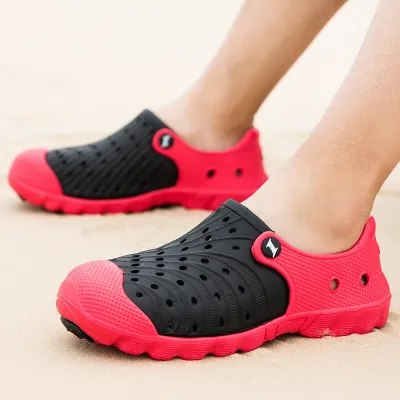
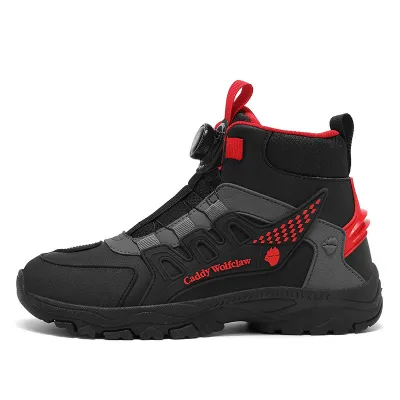
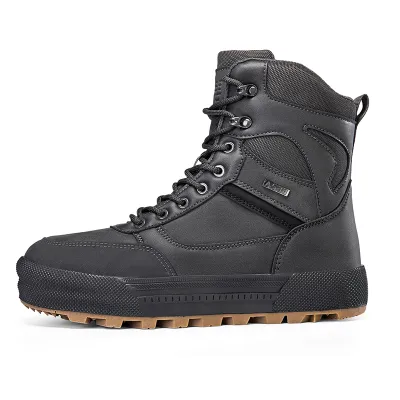
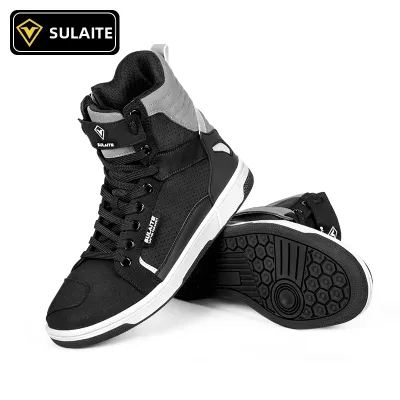
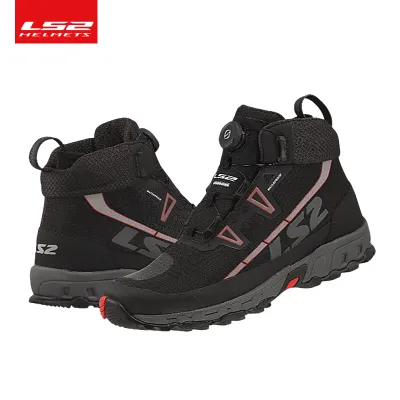
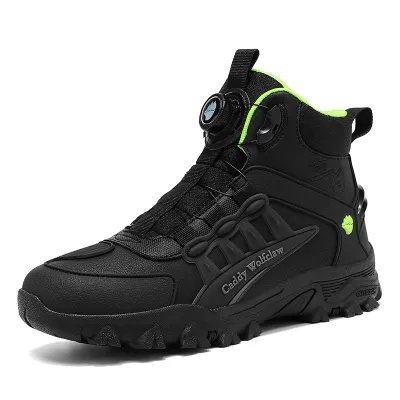
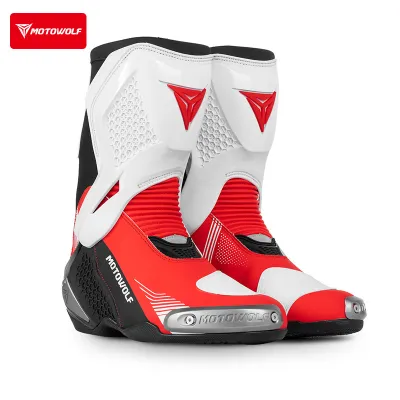
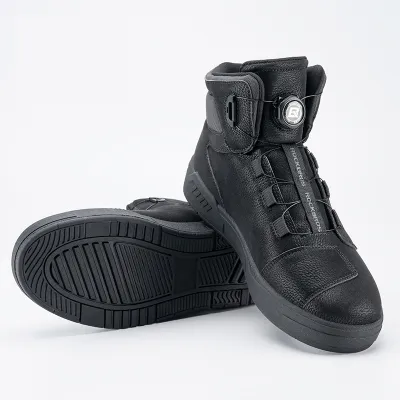
Prices are valid at publication and may change. Please refer to the product page for the latest price.
Consider the ratio of daily city traffic navigation to occasional long-distance highway rides. City commuting often involves constant stop-and-go traffic, where you frequently put your feet down at intersections and navigate tight spaces at low speeds. This pattern demands lightweight, highly breathable footwear that prevents heat buildup from both the engine and the hot asphalt.
Next, look at the average duration of a single ride. A short, thirty-minute dash through urban streets requires less structural support than a four-hour highway journey. On longer rides, the constant vibration from the footpegs can cause foot fatigue if your soles are too flexible.
Finally, assess how much walking you do after parking your motorcycle. If your daily routine requires walking across a large campus, standing during retail shifts, or moving between office floors, a rigid boot will quickly become uncomfortable. However, if you park your bike and immediately change into office shoes, or if your destination involves minimal walking, you can prioritize maximum on-bike protection without worrying about walking flexibility.
Core Features of Commute-Style Motorcycle Shoes
Commute-style motorcycle shoes are engineered to bridge the gap between casual footwear and protective riding gear. Their primary design priority is versatility, allowing you to transition seamlessly from your motorcycle to casual or professional environments without looking like you just stepped off a racetrack.

These shoes often feature casual aesthetics, mimicking the appearance of high-top sneakers, skate shoes, or work boots. This design allows them to blend effortlessly with everyday office wear, jeans, or casual trousers, eliminating the need to carry a spare pair of shoes in your backpack or top box.
In tropical climates where high humidity and intense heat are daily challenges, the lightweight construction and breathability of commuter shoes are highly beneficial. Many models incorporate mesh panels, perforated leather, or breathable canvas to maximize airflow, keeping your feet cool during slow-moving city traffic.
Despite their casual appearance, proper commuter motorcycle shoes do not compromise on essential protective elements. They feature reinforced toe boxes and heel cups to protect against impacts, along with integrated ankle discs to shield the malleable bones of your joint. Additionally, a dedicated shift pad on the upper toe area prevents the gear lever from wearing down the material prematurely.
The soles of commute-style shoes are designed with a balance of moderate stiffness for riding and high flexibility for walking. They typically utilize slip-resistant rubber compounds that provide a secure grip on oily city streets, wet pedestrian crossings, and polished office floors.
Core Features of Touring-Style Motorcycle Shoes
Touring-style motorcycle shoes, often designed as mid-calf or full-height boots, prioritize maximum protection, durability, and weather resistance over walking comfort. They are built for riders who spend consecutive hours on the road and require robust defense against high-speed impacts and harsh environmental elements.
One of the defining characteristics of touring footwear is enhanced structural support. These boots offer extended coverage that wraps securely around the ankle and extends up the lower shin, shielding these vulnerable areas from flying debris, engine heat, and lateral crushing forces.
The soles of touring boots are significantly stiffer than those of commuter shoes, often incorporating a metal or composite shank. This rigidity reduces foot fatigue by distributing your weight evenly across the footpegs, preventing your arches from cramping during long hours of riding. A stiff sole also provides superior support when standing on the footpegs to navigate rough terrain or uneven road surfaces.
Weather resistance is another critical feature of touring footwear. Because long-distance rides often expose you to sudden tropical downpours, these boots frequently feature integrated waterproof membranes. When shopping, always check the manufacturer’s labels and product specifications to verify the exact level of water resistance or waterproofing provided.
Touring boots are also designed to integrate seamlessly with dedicated riding trousers or over-pants. Their taller profile allows riding pants to overlap securely, preventing rain, wind, and road debris from entering the top of the boot.
Decision Matrix: Matching Your Needs to the Right Shoe
To finalize your choice, compare how each style aligns with your specific riding requirements. The table below outlines the key differences between commute-style and touring-style motorcycle shoes across critical performance areas.
| Feature | Commute-Style Shoes | Touring-Style Shoes |
|---|---|---|
| Protection Level | Basic ankle, toe, and heel reinforcement | Extended ankle, shin, and high-impact armor |
| Walking Comfort | High flexibility, feels like standard sneakers | Rigid sole, limited flexibility for walking |
| Weather Adaptability | High breathability, limited water resistance | Often waterproof or highly weather-resistant |
| Gear Compatibility | Blends with casual pants and jeans | Integrates with riding trousers and over-pants |
If your riding habits are highly diverse, you might find that a hybrid or casual riding shoe serves as an acceptable compromise. These hybrid options often combine the casual look of a commuter shoe with a slightly stiffer sole and improved water resistance, making them suitable for moderate weekend trips without sacrificing daily usability.
Regardless of the style you choose, always prioritize safety by checking the manufacturer’s specifications, care labels, and safety certifications printed on the actual product. Look for recognized safety standards, such as CE certification markings, which indicate that the footwear has undergone standardized testing for abrasion resistance, impact protection, and structural integrity.
If your intended riding activities fall outside the design parameters of a specific shoe, stop and consult a professional or an authorized retailer before making your purchase. Using a lightweight commuter shoe for high-speed touring, or wearing a rigid touring boot for a job that requires constant walking, can compromise both your safety and your physical comfort.
Frequently Asked Questions (FAQ)
Can I use regular sneakers or hiking boots instead of motorcycle shoes?
Regular sneakers and standard hiking boots lack the specialized engineering required to protect your feet during a motorcycle incident. Standard sneakers offer virtually no abrasion resistance, meaning the fabric can tear instantly upon contact with asphalt, and they lack the crush protection needed to shield your feet if the motorcycle falls on them.
While hiking boots provide decent ankle support and rugged soles, they are not designed for the specific dynamics of riding. They often lack reinforced shift pads, leading to rapid wear from the gear lever, and their bulky designs can make it difficult to slide your foot under the shifter. Furthermore, long laces on hiking boots pose a serious safety hazard, as they can easily catch on footpegs, chain guards, or levers when you attempt to put your foot down at a stop. Always evaluate your footwear based on the manufacturer’s stated intended use and safety labels.
How do I check if a motorcycle shoe fits correctly with my riding gear?
To ensure proper fit and integration, always try on new motorcycle shoes while wearing the specific socks and riding pants you plan to use on the road. Put on your gear and sit on your motorcycle, or mimic your riding position on a chair, to check how the footwear behaves when your knees and ankles are bent.
Verify that you have adequate clearance around the gear shifter and rear brake pedal, ensuring you can operate both controls smoothly without your foot catching or slipping. The heel of the shoe should sit securely in the cup without lifting excessively when you walk or flex your foot. Finally, ensure the toe box allows for natural toe movement without pressing painfully against the front of the shoe or the footpegs.
Community discussion
Share your experience or ask a question. Comments are reviewed before publication.