
The Short Answer: Matching Footwear to Your Ride
Choosing between commuter riding shoes and touring boots is not a matter of finding a single, superior product. Instead, it is about aligning your footwear with your typical riding environment, distance, and daily routine. Commuter riding shoes are engineered to tackle the challenges of urban gridlock, short trips, and the practical demands of off-bike life, such as walking into an office or sitting in a cafe.
On the other hand, touring boots are built for high-speed highway travel, unpredictable weather, and maximum lower-leg protection during long hours in the saddle. This guide will break down the essential trade-offs in protection, comfort, and weather resistance to help you select the ideal gear for your specific riding style.
Core Differences: Protection, Comfort, and Weather
To make an informed decision, you must understand how these two categories differ across their core design elements. While both options are vastly superior to everyday footwear, they serve completely different operational profiles on and off the motorcycle.
Products mentioned in this guide
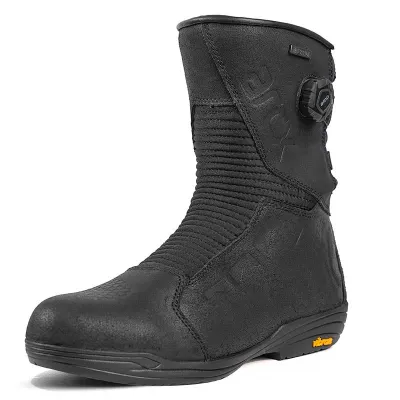
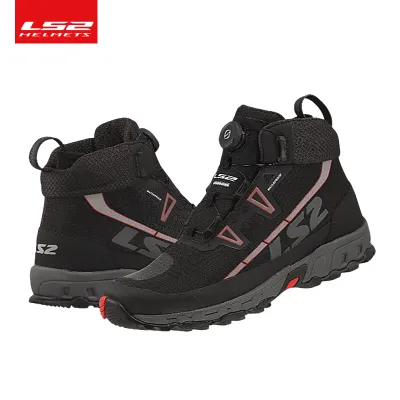
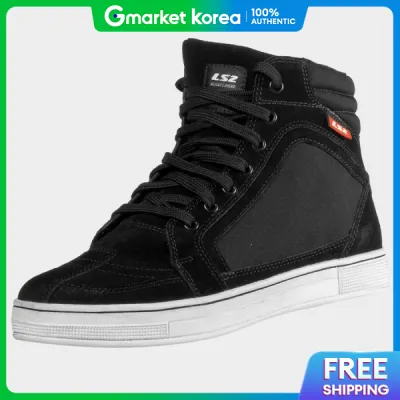
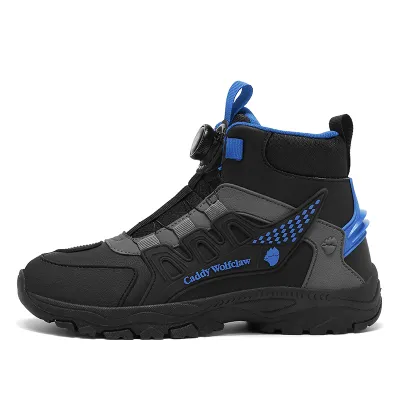
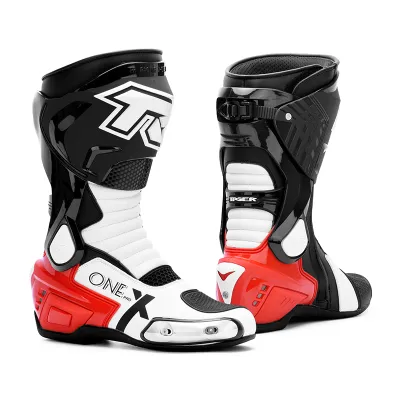
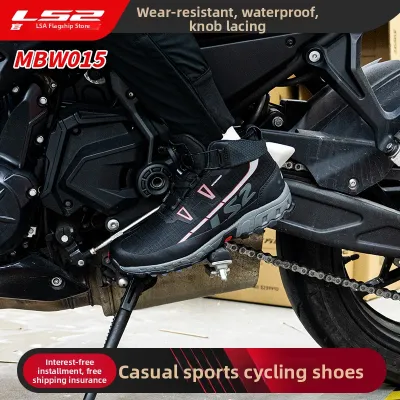
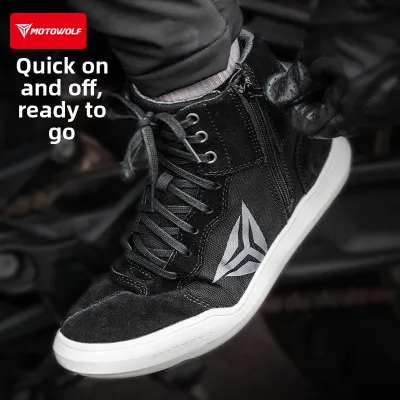
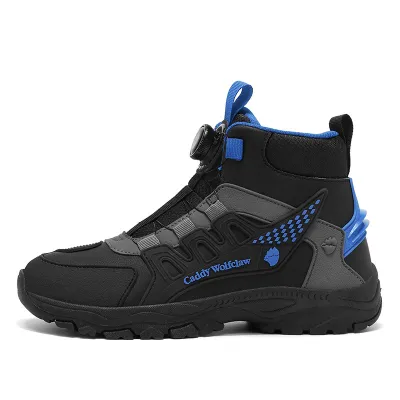
Prices are valid at publication and may change. Please refer to the product page for the latest price.

Armor, Ankle Support, and Impact Protection
The safety designs of touring boots and commuter riding shoes reflect their intended environments. Touring boots are engineered to protect against high-speed impacts, heavy motorcycle drops, and prolonged slides on asphalt. They typically feature comprehensive coverage, extending well up the calf with reinforced shin plates, rigid heel counters, and advanced ankle bracing systems designed to prevent hyperextension or twisting. If a heavy adventure or touring bike falls on your leg, the stiff structural shell of a touring boot is designed to absorb the crush forces and keep your bones intact.
In contrast, commuter riding shoes prioritize a low-profile, casual silhouette while still offering vital protection for urban speeds. They focus on protecting the most vulnerable parts of the foot through reinforced toe boxes, heel cups, and internal malleolus (ankle bone) protectors, which are often made of impact-absorbing materials like D3O or thermoplastic polyurethane (TPU). The soles of commuter shoes also feature integrated transverse shanks to prevent the foot from bending sideways or crushing under pressure. When shopping, always look for official safety labels and check the manufacturer’s documentation for CE certification (such as the EN 13634 standard) to verify the exact levels of abrasion resistance and impact protection, rather than relying solely on the shoe’s rugged appearance.
Walkability and Off-Bike Comfort
The stiffness of a motorcycle boot’s sole directly impacts how comfortable it is when you step off the pegs. Touring boots utilize highly rigid midsoles, often reinforced with steel or composite shanks, to provide a stable platform on the footpegs and reduce foot arch fatigue during long highway stretches. While this rigidity is excellent for control and safety, it makes walking feel stiff, heavy, and unnatural. If your destination involves walking several blocks, exploring a tourist site, or navigating stairs, the bulk and stiffness of a touring boot can quickly become a major source of physical fatigue.
Commuter riding shoes are specifically engineered to bridge the gap between riding safety and walking comfort. They feature flexible outsoles and cushioned midsoles that mimic the feel of standard sneakers or casual leather boots. This design allows your foot to flex naturally, making them comfortable enough to wear all day at a desk, during a university lecture, or while running errands around town. For riders whose daily routine involves significant time on their feet after parking, choosing a highly walkable commuter shoe eliminates the hassle of carrying a spare pair of casual shoes in a backpack.
Ventilation, Waterproofing, and Tropical Climates
Riding in tropical regions like the Philippines presents unique environmental challenges, where intense midday heat can quickly give way to sudden, torrential monsoon downpours. Touring boots are frequently equipped with integrated waterproof membranes, such as Gore-Tex or proprietary weather barriers. While these liners are invaluable for keeping your feet dry during hours of highway riding in the rain, they inherently restrict airflow. In slow-moving urban traffic under a 34°C sun, this lack of ventilation can trap heat and sweat, leading to wet, uncomfortable feet and potential skin irritation over long periods.
Commuter riding shoes, by contrast, offer a wider variety of climate-focused designs. Many models feature highly ventilated mesh panels, perforated leather, or lightweight canvas uppers that maximize airflow, keeping your feet cool during hot city commutes. The trade-off, however, is that these ventilated designs offer virtually zero resistance to water; a sudden afternoon shower will leave your socks soaked in seconds. When evaluating your options, consider your typical riding hours and local weather patterns. Always verify the manufacturer’s specifications regarding waterproofing and ventilation technologies, keeping in mind that no single material can offer absolute waterproof protection while maintaining maximum hot-weather airflow.
The Case for Commuter Riding Shoes
Commuter riding shoes are the ideal choice for riders whose daily lives revolve around urban navigation and short-to-medium distance trips. If your primary ride is an underbone, a scooter, or a light-to-medium displacement standard motorcycle, and your route consists of city streets, stop-and-go traffic, and daily commutes to work or school, these shoes are designed for you. They are tailored for the rider who needs to blend into professional or social environments without looking like they just stepped off a racetrack.
The primary benefit of commuter riding shoes is their unmatched daily convenience. They are lightweight, easy to slip on, and style-matched to casual wear, allowing you to transition seamlessly from your motorcycle to an office meeting or a casual dinner. They require virtually no break-in period compared to stiff leather boots, and their breathable construction is a massive advantage in hot, humid climates. Additionally, they are generally more affordable, with budget-friendly options starting around ₱3,000 to premium models exceeding ₱10,000, making them highly accessible for daily riders who need reliable protection on a budget.
However, choosing commuter footwear involves a calculated compromise. Because they terminate just above the ankle, they lack any protection for the shins and calves, leaving these areas exposed to road debris, engine heat, and abrasion in a slide. Their lighter construction also means they offer less resistance to high-speed friction and are more prone to wearing out quickly under heavy, repetitive use on rugged terrain. For high-speed highway touring or managing heavy, fully loaded adventure motorcycles, the lack of structural support in commuter shoes can lead to increased foot fatigue and reduced control.
The Case for Touring Boots
Touring boots are designed for riders who prioritize safety, durability, and weather endurance above all else. If your riding profile includes weekend long-distance tours, inter-city highway travel on expressways, adventure riding on unpaved roads, or operating large, heavy touring motorcycles, these boots are an indispensable piece of gear. They are built for the open road, where speeds are higher, weather is unpredictable, and help may be far away in the event of an accident.
The foremost advantage of touring boots is their uncompromising protection. By enclosing the foot, ankle, shin, and lower calf in a rigid, abrasion-resistant shell, they offer the highest possible defense against impact, twisting injuries, and deep road rash. The stiff sole construction provides excellent support when standing on the footpegs over rough terrain and prevents foot strain caused by engine vibrations. Furthermore, high-quality touring boots offer superior weather sealing, keeping your feet warm in cold mountain passes and dry during prolonged heavy downpours, ensuring you remain focused on the road ahead.
The trade-offs of touring boots are centered around their bulk and specialized design. They are heavy, stiff, and can feel incredibly hot when you are stuck in slow-moving city traffic. The break-in period for high-quality leather touring boots can take several weeks of regular riding before they conform comfortably to your feet. Additionally, they are highly impractical for off-bike wear; walking long distances in them is tiring, and their rugged, technical appearance rarely blends into formal or casual social settings. Choosing touring boots requires a commitment to safety, often requiring you to pack a secondary pair of lightweight shoes in your luggage for use at your destination.
Decision Framework: Choose Based on Your Riding Reality
To finalize your choice, evaluate your actual riding habits rather than an idealized scenario. Consider the distance of your average ride, the speeds you travel, the weather you typically encounter, and what you must do once you arrive at your destination.
- Choose Commuter Riding Shoes if: Your daily rides are typically under 50 kilometers, you ride primarily in urban environments or congested city streets, you need to walk immediately after parking without changing your footwear, and you ride a scooter, underbone, or light commuter motorcycle.
- Choose Touring Boots if: You regularly ride on highways or expressways at sustained high speeds, your typical journeys exceed 100 kilometers, you ride a heavy adventure or touring motorcycle, or you frequently encounter unpredictable weather and heavy rain.
- Verify first if: Your riding habits are a 50/50 split. In this scenario, do not guess or compromise on safety. Instead, look into mid-height sport-touring boots or reinforced high-top riding sneakers as a middle ground. Always verify the manufacturer's specifications, checking for a balance of ankle bracing and sole flex, and ensure the safety ratings match the speeds of your fastest rides.
| Feature | Commuter Riding Shoes | Touring Boots |
|---|---|---|
| Primary Use Case | Daily city commuting, short urban trips, casual riding | Long-distance touring, highway riding, adventure travel |
| Lower-Leg Protection | Low to moderate (covers ankle bones only) | High (extends up shin and calf, advanced ankle support) |
| Walkability | Excellent (flexible sole, lightweight, sneaker-like comfort) | Limited (stiff sole, heavy construction, awkward for walking) |
| Weather Adaptability | Excellent ventilation for heat; poor water resistance | Excellent water resistance; traps heat in slow traffic |
| Ideal Distance | Short trips (typically under 50 kilometers) | Long distances (over 100 kilometers or multi-day trips) |
Sizing, Fit, and Pre-Purchase Checks
Finding the right type of footwear is only half the battle; ensuring a proper fit is critical for both safety and comfort. When trying on new riding shoes or boots, always wear the specific socks you plan to use while riding, whether they are thick athletic socks or moisture-wicking technical liners. A proper fit should be snug but not restrictive, with no painful pressure points around the ankle bones or across the top of the foot.
Pay close attention to the toe box and armor placement. Ensure there is enough clearance in the toe box so your toes are not pinched or compressed when you flex your foot to operate the gear shifter or rear brake pedal. The integrated armor inserts, particularly the ankle cups, must align perfectly with your physical anatomy; if they sit too high or too low, they will not protect you properly in an impact and can cause severe chafing during a ride.
Before making a final purchase, simulate your riding posture. Sit on a motorcycle or crouch down to verify that the collar of the shoe or boot does not dig painfully into your Achilles tendon or shin. Check the flexibility of the sole and ensure you can easily operate the controls of your bike. Finally, read the manufacturer’s care instructions, warranty details, and safety labels to ensure the materials match your maintenance expectations and that the product is certified to deliver the level of protection you require.
Frequently Asked Questions (FAQ)
Can I use regular sneakers instead of commuter riding shoes?
Regular casual sneakers are not safe for motorcycle riding because they lack the structural reinforcement required to protect your feet in an accident. Standard sneakers do not have crush-resistant soles, reinforced heel and toe boxes, or ankle impact protectors, and their canvas or thin leather construction will tear instantly upon contact with sliding asphalt. Even entry-level commuter riding shoes feature a rigid internal shank to prevent foot crushing and dedicated ankle cups to protect against impact and abrasion.
Are touring boots too hot for daily city riding in the Philippines?
Yes, heavy waterproof touring boots are generally too hot for daily urban commuting in the Philippines, especially when navigating slow-moving, congested city traffic under intense tropical heat. The waterproof membranes that keep rain out also trap sweat and body heat, leading to severe discomfort. For daily city riding, highly ventilated commuter riding shoes or mesh-lined short boots are much more comfortable, while heavy touring boots should be reserved for highway travel or long trips during the rainy season.
How do I maintain the waterproof membrane in my touring boots?
To preserve the performance of the waterproof membrane in your touring boots, clean them regularly by wiping away dirt, mud, and road grime with a soft, damp cloth after your rides. Allow the boots to air dry naturally in a cool, well-ventilated indoor space, keeping them far away from direct heat sources like hair dryers or radiators, which can dry out the leather and crack the internal membrane. Always consult the manufacturer’s care label before applying any conditioning creams or aftermarket waterproofing sprays to ensure they are compatible with the specific membrane technology used in your boots.

Community discussion
Share your experience or ask a question. Comments are reviewed before publication.