
Quick Answer: Which Moto Boot Style Fits Your Riding Pattern?
Choosing between commuter and touring moto boots depends primarily on your daily ride duration, how much walking you do at your destination, and your exposure to unpredictable weather. Both styles are engineered to provide dedicated motorcycle protection, but they distribute their armor, stiffness, and materials differently to serve entirely distinct riding environments.
Select commuter boots if your riding consists of short city trips, heavy traffic filtering, and daily commutes where you need to walk comfortably without changing your footwear. These boots prioritize flexibility, ventilation, and a low-profile aesthetic that blends into casual or professional settings.
Select touring boots if you spend long hours on the highway, cover hundreds of kilometers in a single trip, and require maximum ankle support and weather protection. These boots prioritize structural rigidity, impact defense, and weatherproofing to keep your feet comfortable and secure during extended periods in the saddle.
Products mentioned in this guide
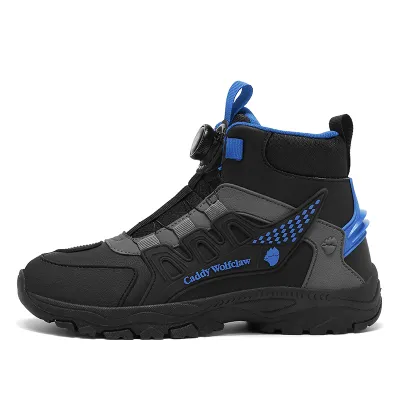
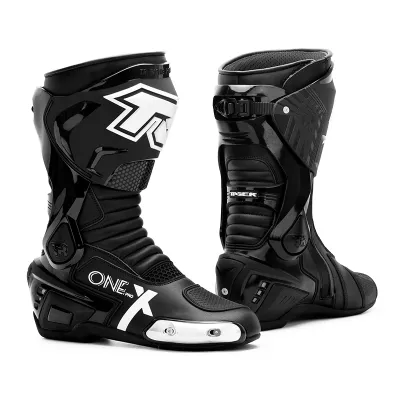
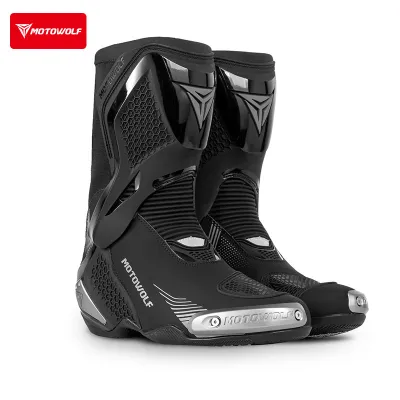
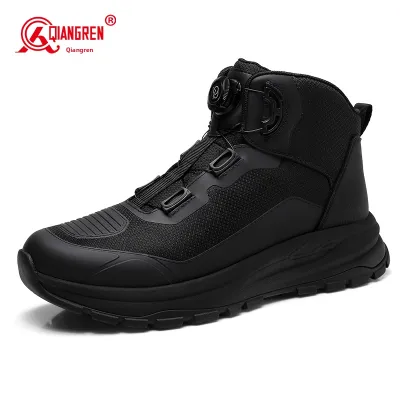
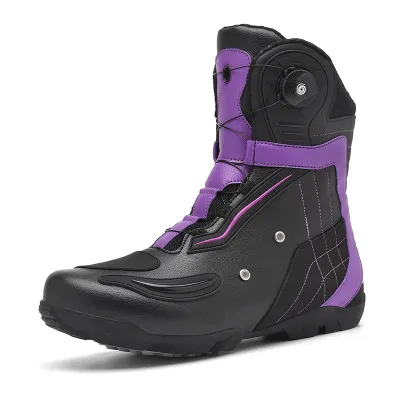
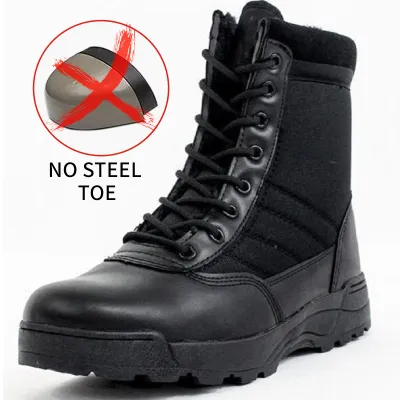
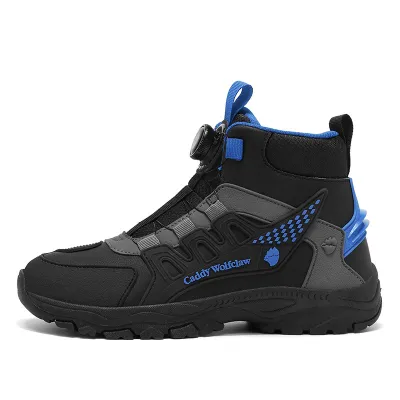
Prices are valid at publication and may change. Please refer to the product page for the latest price.
Core Design Differences: City Agility vs Highway Comfort
The fundamental differences between commuter and touring motorcycle footwear stem from their intended use cases. City riding requires frequent stops, foot-down balancing, and off-bike walking, whereas long-distance highway riding demands sustained stability, wind resistance, and protection against high-speed debris.

Commuter Boots: Low-Profile and Walkable
Commuter motorcycle boots are designed to bridge the gap between riding safety and everyday casual wear. They typically feature a low-cut or mid-cut silhouette, ending just around or slightly above the ankle bone. This design mimics the appearance of standard high-top sneakers, work boots, or casual dress shoes, allowing you to transition from your motorcycle to an office, classroom, or social setting without looking out of place.
The sole construction of a commuter boot is engineered with a balance of protection and walkability. While they contain internal reinforcement to resist twisting, they retain enough longitudinal flexibility at the forefoot to allow a natural walking stride. This makes them practical for riders who must walk through parking structures, navigate office hallways, or run errands on foot throughout the day.
To combat the intense heat of stop-and-go urban traffic, commuter boots frequently utilize highly breathable materials. Manufacturers often incorporate lightweight synthetic microfibers, canvas inserts, and perforated mesh panels. These materials facilitate continuous airflow at lower speeds, preventing heat buildup from both the tropical sun and the rising engine temperatures of stationary traffic.
Touring Boots: Tall, Weather-Ready, and Supportive
Touring boots are engineered for maximum endurance and protection over long distances. They feature a tall shaft that extends well up the shin, often ending just below the calf. This tall construction provides comprehensive structural support to the lower leg, prevents the cuffs of your riding pants from riding up and exposing skin, and shields your shins from flying road debris and engine heat.
The sole and chassis of a touring boot are highly rigid. They typically incorporate a full-length steel or composite shank running through the midsole. This extreme stiffness reduces foot fatigue by distributing your weight evenly across the footpegs, preventing your arches from cramping during hours of continuous highway riding. However, this rigidity makes touring boots relatively stiff and cumbersome for walking long distances.
To handle rapidly changing weather conditions across different regions, touring boots are built with robust outer materials like thick full-grain leather or high-denier synthetic textiles. They are commonly equipped with integrated waterproof, breathable membranes or thermal liners designed to block external moisture while allowing sweat vapor to escape. This heavy-duty construction ensures your feet remain dry and warm, regardless of the weather conditions you encounter on the road.
Protection and Safety Features Compared
While both boot styles are designed to protect your feet in a crash, they implement safety features differently to suit their respective speed profiles and riding dynamics.
Ankle and Shin Protection
Touring boots offer extensive ankle and shin defense. They frequently feature heavy-duty thermoplastic polyurethane (TPU) shin plates, reinforced heel counters, and rigid ankle cups. Many high-end touring models also incorporate mechanical ankle hinge systems that allow natural forward and backward flexing while strictly limiting lateral movement, preventing painful hyperextension or twisting injuries during a high-speed fall.
Commuter boots, by contrast, utilize low-profile protection to maintain their casual appearance and flexibility. Instead of external plastic armor, they generally rely on internal, dual-density ankle cups made of impact-absorbing materials like D3O or specialized foams. These protectors are embedded within the lining of the boot, offering essential impact defense for the malleolus bones without adding bulk or restricting your movement while walking.
Sole Stiffness and Crush Protection
In a motorcycle accident, lateral crush injuries are a significant risk, particularly if the weight of the motorcycle falls directly onto your foot. Touring boots address this with highly rigid soles that resist lateral compression. This means that even under immense pressure, the sole maintains its shape to protect the delicate bones of your foot from being crushed against the asphalt.
Commuter boots offer a compromise. Their soles are reinforced with semi-rigid shanks or internal polypropylene boards. This configuration provides a basic level of lateral crush resistance that far exceeds any standard sneaker, yet it retains enough flex at the ball of the foot to ensure you can walk comfortably. It is a calculated trade-off between absolute impact defense and daily usability.
Shift Pads and Heel Grips
Because touring riders spend hours shifting gears and adjusting foot positions, touring boots feature oversized, heavily textured rubber or TPU shift pads on the toe box. These pads protect the boot leather from premature wear and provide a positive, non-slip interface with the gear shifter. The heels are also designed with aggressive, deep-grooved grips to help lock the boot securely onto the footpegs, even in wet and muddy conditions.
Commuter boots feature much subtler shift reinforcements. These are often simple, color-matched leather or synthetic overlays stitched onto the toe box. This design protects the shoe from shifter wear while maintaining a clean, uniform look that does not draw attention in non-riding environments. The tread patterns on commuter soles are typically flatter and optimized for walking on smooth office floors or wet city pavements rather than locking onto aggressive off-road pegs.
Verification Rule
Regardless of the style you choose, do not rely solely on visual appearance to judge a boot’s protective capabilities. Always physically locate and check the internal CE certification label sewn into the tongue or collar of the boot. Look for the standard code EN 13634, which is the specific European safety standard for protective footwear for motorcycle riders.
This label displays a pictogram of a motorcycle alongside a grid of four numbers (for example, 2 2 2 2). These numbers indicate the performance level achieved in four critical tests:
- First Number: Height of the boot upper (Level 1 for short boots, Level 2 for tall boots).
- Second Number: Impact abrasion resistance.
- Third Number: Impact cut resistance.
- Fourth Number: Transverse rigidity (lateral crush resistance).
A rating of “1” indicates the minimum passing level, while “2” represents a higher level of performance. Verifying this label ensures that your chosen boot has undergone standardized laboratory testing to prove its protective value.
Weather and Climate Considerations for the Philippines
The tropical climate of the Philippines introduces unique challenges that should heavily influence your choice of motorcycle footwear. High ambient temperatures, intense humidity, sudden monsoon downpours, and localized urban flooding all demand different performance characteristics from your boots.
Heat and Humidity
With average daytime temperatures frequently exceeding 32°C, heat management is a critical safety and comfort factor. In slow-moving, congested city traffic—such as navigating EDSA or C-5 during rush hour—engine heat radiates directly onto your feet.
Under these conditions, highly ventilated, mesh-heavy commuter boots excel. They allow ambient air to circulate through the shoe, helping to evaporate sweat and keep your feet cool. Conversely, wearing fully waterproofed, non-ventilated touring boots in slow urban traffic can quickly turn them into portable saunas, leading to excessive sweating, discomfort, and skin irritation.
Heavy Rain and Flooding
During the monsoon season, sudden and heavy downpours are common. If you are riding long distances on provincial highways, a touring boot equipped with a high-quality waterproof membrane is invaluable. It keeps your feet completely dry against wind-driven rain and road spray for hours at a time.
However, urban commuting during heavy rain presents a different challenge: street flooding. If you must wade through deep, standing water that rises above the collar of your boot, water will inevitably spill inside. Once water enters a waterproof touring boot, the internal membrane acts as a barrier in reverse, trapping the water inside the boot. This leaves you riding with heavy, waterlogged footwear that cannot drain.
Drying and Maintenance
When your riding boots inevitably get wet, their construction determines how quickly they can be returned to service. Lightweight commuter boots made of synthetic mesh or thin textiles dry relatively quickly, often requiring only a few hours in front of a standard household fan.
Heavy leather touring boots with internal waterproof membranes take much longer to dry. Because of their thick materials, they can trap moisture inside for days, which can lead to mold, mildew, and unpleasant odors if not dried correctly.
Always check your boot manufacturer’s care label for specific cleaning, drying, and maintenance instructions. Never expose leather or waterproof boots to direct high-heat sources, such as hair dryers, ovens, or direct midday sunlight, as excessive heat can crack the leather, melt internal protective plastics, and degrade the adhesive glues holding the sole together. Instead, stuff the wet boots with clean, dry newspaper or paper towels to absorb internal moisture, replace them frequently, and allow the boots to air-dry in a well-ventilated, shaded indoor area.
Decision Framework: Choose Commuter, Touring, or Neither?
To help you make the correct investment, evaluate your typical riding profile against the specific strengths and limitations of each boot style.
Choose Commuter Boots if:
- Your riding consists of at least 90% urban commuting, short city trips, and daily travel to work or school.
- You frequently navigate heavy, stop-and-go city traffic where you need maximum airflow to keep your feet cool.
- You must walk significant distances, stand for extended periods, or wear your riding footwear all day at your destination.
- You prefer a casual, low-profile aesthetic that blends seamlessly with everyday clothing.
Choose Touring Boots if:
- You regularly embark on long-distance highway trips, weekend tours, or multi-day road trips across different provinces.
- You spend multiple consecutive hours in the saddle and require a highly rigid sole to prevent foot arch fatigue.
- You ride through highly unpredictable weather conditions and require reliable waterproofing and wind protection.
- You prioritize maximum lower-leg joint support, shin protection, and high-level lateral crush resistance over walking comfort.
Neither May Fit if:
- You primarily ride off-road, tackle muddy dirt trails, or ride dual-sport routes. These environments require dedicated adventure (ADV) or motocross (MX) boots, which feature aggressive, deep-lugged soles, heavy buckle retention systems, and rigid plastic armor designed to protect against rock impacts and foot peg strikes.
- You ride exclusively on closed racing circuits or participate in high-speed track days. These activities require specialized racing boots equipped with external ankle braces, replaceable toe sliders, and aerodynamic profiles optimized for extreme lean angles.
Verify First if:
If you are purchasing your boots online, through second-hand marketplaces, or from a local distributor, always perform a thorough physical inspection before finalizing your purchase:
- Armor Integrity: Press firmly on the ankle cups, heel counter, and toe box to ensure the internal protective inserts are firmly in place, unbroken, and have not shifted out of position.
- Sole Adhesion: Gently flex the boot to check that the sole is securely bonded to the upper material. Look closely for any signs of peeling, cracking, or glue separation along the edges.
- CE Safety Label: Locate the white safety tag inside the boot. Confirm the presence of the EN 13634 standard designation and the motorcycle icon to verify that you are purchasing genuine, certified safety gear rather than a fashion boot.
- Fit and Controls: Once you receive your boots, put them on and sit on your stationary motorcycle. Verify that you can comfortably operate the shift lever and rear brake pedal. If the boot is significantly thicker than your previous footwear, you may need to consult your motorcycle's user manual to adjust the height of your shift lever to ensure clean, safe gear changes.
Frequently Asked Questions (FAQ)
Can I use touring boots for daily city commuting?
While physically possible, using heavy-duty touring boots for daily city commuting is generally impractical for most riders. Touring boots are designed with rigid soles and tall, stiff shafts that make walking, climbing stairs, and bending your ankles uncomfortable during off-bike activities.
Additionally, their thick materials and integrated waterproof membranes restrict airflow. In slow-moving, hot city traffic, this lack of ventilation leads to excessive heat buildup and sweating. Unless your daily commute consists almost entirely of long, uninterrupted highway stretches with minimal walking required at your destination, a dedicated commuter boot or riding shoe is a much more practical and comfortable choice.
Are commuter boots safe enough for weekend highway rides?
Whether a commuter boot is safe enough for highway speeds depends on its specific construction and certification level rather than its visual style. A commuter boot that carries a valid EN 13634 CE certification provides verified resistance against abrasion, impact cuts, and lateral crushing, making it suitable for general road use.
However, commuter boots lack the extended shin coverage, tall ankle bracing, and extreme sole rigidity of a dedicated touring boot. At highway speeds, the risk of high-velocity impacts from road debris, contact with hot engine parts, and severe joint twisting during a slide is significantly higher. For occasional, short highway stints, a certified commuter boot offers acceptable protection; however, for dedicated, high-speed long-distance touring, a purpose-built touring boot is the safer and more supportive option.
Community discussion
Share your experience or ask a question. Comments are reviewed before publication.