
Selecting the right waterproof motorcycle boots requires balancing the immediate flexibility needed for daily stop-and-go city riding against the rigid, high-coverage protection required for sustained highway speeds. In a tropical climate where sudden downpours are common, finding a pair that keeps water out without turning your feet into a sauna is the ultimate goal. Commuter boots prioritize walking comfort and quick transitions, making them ideal for urban riders who spend as much time off the bike as on it. Touring boots, on the other hand, focus on maximum impact protection, weather resistance, and support for long hours on the highway. By understanding the structural, thermal, and practical differences between these two styles, you can make an informed decision that keeps your feet safe, dry, and comfortable.
Structural Trade-Offs: Urban Agility vs. Long-Distance Protection
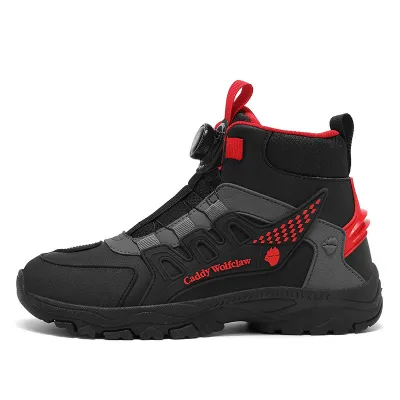
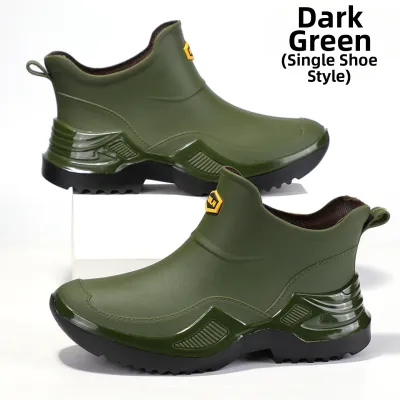
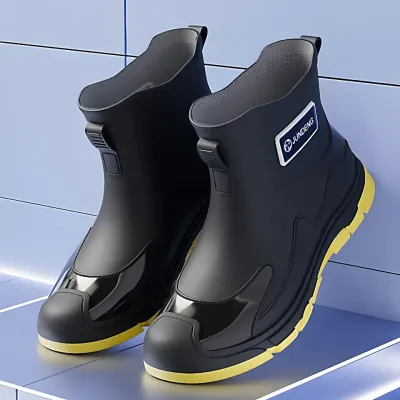
The fundamental difference between commuter and touring motorcycle boots lies in how they balance physical protection with ankle mobility. Commuter boots, often styled as high-top sneakers or casual work boots, are designed for low-speed urban environments. They typically feature flexible low-cut or mid-cut profiles that allow your ankle to flex naturally. This flexibility is highly beneficial when navigating heavy city traffic, filtering through lanes, and constantly putting your feet down at intersections. However, this mobility comes at the cost of absolute torsional rigidity. While they contain reinforced heel cups, toe boxes, and ankle discs, they offer limited protection against severe twisting forces.
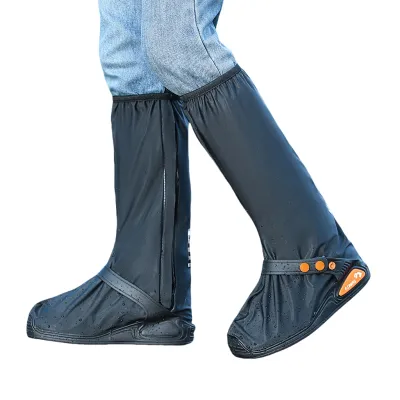
In contrast, touring boots are engineered for high-speed highway environments where the risk of high-energy impacts and slides is much greater. These boots feature a rigid, high-cut construction that extends well up the shin. This tall design provides robust ankle support, utilizing external bracing or stiff internal counters to prevent hyperextension and lateral twisting during a crash. The shin area is heavily armored with thermoplastic polyurethane (TPU) or thick leather panels to shield your lower leg from flying road debris, engine heat, and direct impacts with the ground or the motorcycle itself.
Products mentioned in this guide
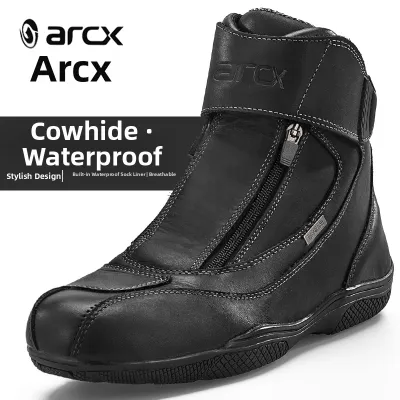
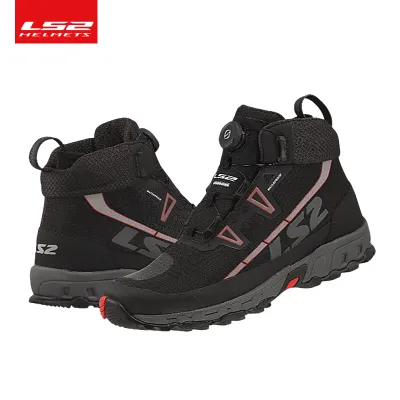
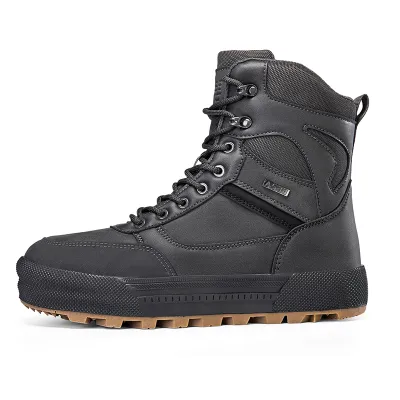
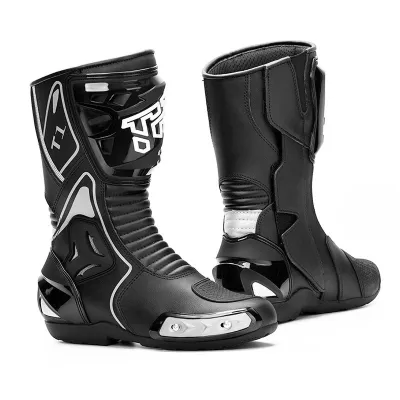
Prices are valid at publication and may change. Please refer to the product page for the latest price.
Beyond ankle support, the construction of the sole and shift pad differs significantly between the two styles. Commuter boots feature semi-flexible soles that allow for natural walking, paired with subtle, integrated shift pads that maintain a casual aesthetic. Touring boots utilize highly rigid soles, often reinforced with a steel or composite shank, to distribute your weight evenly across the footpegs. This rigidity prevents foot fatigue during hours of continuous riding but makes walking feel stiff and unnatural. The shift pads on touring boots are thick, heavy-duty overlays designed to withstand thousands of gear changes without wearing down.
When evaluating either style, never rely solely on visual appearance or marketing claims of safety. Always check the manufacturer’s official safety certifications, such as the CE EN 13634 standard label, which is typically stitched inside the boot. This label rates the footwear on height, abrasion resistance, impact cut resistance, and transverse rigidity, allowing you to verify the exact level of protection before making a purchase.
Managing Water and Heat: Waterproofing Realities
Riding in a tropical climate means facing sudden, heavy downpours alongside intense heat and humidity. Keeping your feet dry requires a clear understanding of how different waterproofing methods handle moisture from both the outside and the inside. Waterproof motorcycle boots generally rely on one of two construction methods: internal waterproof membranes or treated outer materials.

Internal membranes, such as Gore-Tex or proprietary brand equivalents, are integrated between the outer shell and the inner lining. These membranes feature microscopic pores that are small enough to block liquid water droplets from entering but large enough to allow sweat vapor to escape. This construction is highly effective for prolonged riding in heavy rain. Treated outer materials, such as hydrophobic leathers or durable water repellent (DWR) textile coatings, shed water off the surface of the boot. While effective for light showers, treated outers can eventually saturate during extended exposure to tropical monsoons, leading to water ingress.
The primary challenge with waterproof boots in hot climates is breathability. Because a waterproof barrier naturally restricts airflow, riding in slow-moving urban traffic can quickly lead to excessive heat buildup. When sweat cannot escape, your feet become damp from the inside, which can cause discomfort, odors, and skin irritation. Commuter boots often mitigate this by using lightweight textile panels alongside the waterproof membrane to encourage some air exchange. Touring boots, which prioritize maximum weather protection, tend to have thicker, solid leather constructions that trap more heat but offer superior water resistance over long distances.
To manage foot temperature effectively, look for boots that combine waterproof membranes with moisture-wicking inner liners. It is also crucial to verify waterproof claims by checking the manufacturer’s official product specifications rather than relying on generic retail descriptions. Look for specific details regarding the height of the waterproof gusset—the folding material behind the zipper or tongue—as water can easily bypass the membrane if it rises above this line.
Walking vs. Riding: Evaluating Daily Comfort
Balancing riding ergonomics with walking practicality is a daily challenge for motorcycle commuters. If your routine involves parking your bike and immediately walking into an office, classroom, or store, sole flexibility and tread design are critical. Commuter boots are designed with this transition in mind. They feature rubber soles with moderate flex and deep tread patterns that provide excellent grip on slippery asphalt, wet metal utility covers, and polished indoor floors. This allows you to walk naturally without the awkward, stiff gait associated with specialized riding gear.
Touring boots are designed almost exclusively for the riding position. The stiff soles and tall, rigid shafts restrict ankle movement, making extended walking uncomfortable and tiring. The calf area of a touring boot is often bulky to accommodate shin armor and thick riding pants, which can rub or chafe against your skin if you walk long distances. Furthermore, touring boots require a substantial break-in period before the heavy leather or synthetic materials soften enough to flex comfortably. However, on the bike, this rigid structure supports your legs, reduces vibration from the footpegs, and protects your calves from hot exhaust pipes.
The closure system is another practical factor that dictates daily comfort and convenience. Commuter boots frequently utilize traditional laces, side zippers, or quick-lace dials. While laces offer a highly customizable fit, you must ensure they are securely tucked away to prevent them from catching on your motorcycle’s footpegs or levers. Side zippers allow for rapid transitions on and off the bike. Touring boots generally avoid traditional laces entirely, relying instead on heavy-duty side zippers protected by large hook-and-loop storm flaps, or adjustable mechanical buckles. These systems ensure a secure, debris-resistant closure that remains locked in place even during high-speed highway travel.
Quick Comparison: Commuter vs. Touring Boot Features
To help you quickly evaluate your options, the table below summarizes the typical design characteristics of commuter and touring waterproof motorcycle boots.
| Feature | Commuter Boots | Touring Boots |
|---|---|---|
| Ankle Height | Low-cut to mid-cut (just above the ankle bone) | High-cut (extending up the shin or mid-calf) |
| Sole Rigidity | Moderate (flexible enough for comfortable walking) | High (reinforced shank for maximum peg support) |
| Closure Type | Laces, quick-lace systems, or side zippers | Heavy-duty zippers, buckles, and large storm flaps |
| Primary Use Case | Daily city travel, short trips, and office wear | Long-distance touring, highway riding, and adventure |
Please note that these are general design patterns. Exact specifications, safety ratings, and waterproof depth limits vary significantly between individual models. Always verify these details on the specific product’s physical label or official user manual before finalizing your purchase.
Final Decision: Matching the Boot to Your Riding Routine
Choosing the right waterproof motorcycle boot comes down to an honest assessment of your weekly riding habits, your environment, and your motorcycle’s specific ergonomics.
You should choose commuter boots if your typical rides are short, involve frequent stops in heavy urban traffic, and require you to walk regularly throughout the day. These boots provide the necessary impact protection for city speeds while blending seamlessly into casual or professional environments. They keep your feet dry during sudden tropical downpours without causing excessive discomfort when you step off the motorcycle.
You should choose touring boots if your riding consists of long-distance highway travel, weekend provincial loops, or multi-day tours where you spend hours on the saddle at sustained speeds. The superior shin protection, ankle bracing, and robust weatherproofing of a touring boot are essential for high-speed safety, making the trade-off in walking comfort entirely worthwhile.
Before making your final purchase, always verify how the boot interacts with your specific motorcycle. Sit on your bike and observe the clearance between the footpegs and the gear shifter. Some motorcycles, particularly sportbikes or underbones, have tight clearances that may not easily accommodate the thick, rigid toe box of a heavy touring boot. Conversely, adventure or dual-sport motorcycles with aggressive, serrated metal footpegs require the stiff, reinforced sole of a touring boot to prevent the pegs from wearing through the softer rubber of a commuter shoe. Ensuring your footwear matches your bike’s physical controls is just as important as matching it to your riding style.
Frequently Asked Questions (FAQ)
Do waterproof motorcycle boots make your feet hot in tropical weather?
Yes, waterproof motorcycle boots can run warm in tropical climates because the membrane that blocks external water also restricts direct airflow. To manage this heat, choose boots that feature moisture-wicking interior liners and pair them with technical, moisture-wicking riding socks made from synthetic blends rather than thick cotton, which traps sweat. Additionally, check the product specifications for breathable waterproof membranes designed specifically for warm-weather performance.
How should motorcycle boots fit compared to regular shoes?
Motorcycle boots should fit snugly but comfortably, with minimal heel slip to ensure your feet do not slide around while operating the gear shifter or rear brake. Unlike regular casual shoes, you should not size up excessively, as loose boots can compromise safety and reduce tactile feedback from the bike’s controls. When trying them on, wear the specific socks you plan to ride in, and check the manufacturer’s official sizing chart, as motorcycle boot sizing often differs from standard athletic shoe sizes.
Community discussion
Share your experience or ask a question. Comments are reviewed before publication.