
Choosing the right footwear is one of the most critical decisions for any female rider. The choice between commuter and touring women motorcycle shoes comes down to a fundamental trade-off: walkability and lightweight comfort versus maximum impact protection and weather resistance. Your ideal option depends entirely on your weekly mileage, typical riding environments, and what you do once you step off the bike. While urban commuters prioritize flexibility and quick transitions, long-distance touring riders require rigid support and heavy-duty armor to withstand highway speeds and unpredictable weather. Balancing these elements ensures you stay safe on the road without compromising your comfort during daily activities or long journeys.
Commuter Shoes: Designed for the Daily Urban Ride
Riding through dense metropolitan traffic under the intense afternoon sun requires gear that breathes. Commuter-style women motorcycle shoes are engineered specifically for these high-temperature, high-traffic environments. They often resemble everyday high-top sneakers or casual leather boots, allowing you to transition seamlessly from your motorcycle to an office, university lecture, or cafe without needing a change of footwear.
These shoes prioritize ventilation. Manufacturers frequently utilize lightweight mesh panels, perforated leather, or advanced synthetic textiles that maximize airflow, preventing your feet from sweating excessively in humid tropical weather. The soles are designed with a moderate degree of flexibility, mimicking the natural roll of your foot so that walking several blocks feels comfortable and unrestrictive. Quick-lace systems, zippered side entries, or simple slip-on designs make putting them on and taking them off exceptionally convenient for busy daily schedules.
Products mentioned in this guide
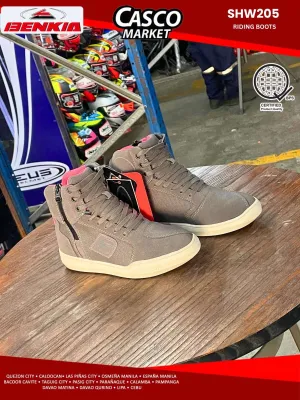
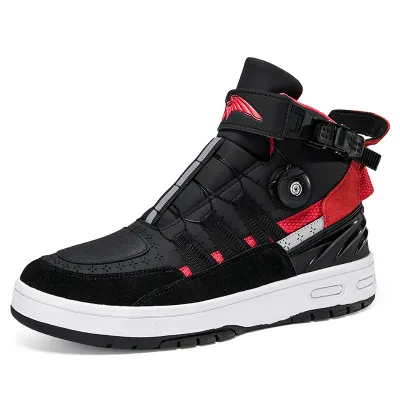
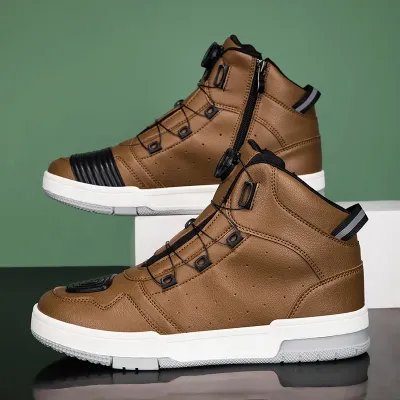
Prices are valid at publication and may change. Please refer to the product page for the latest price.
Despite their casual appearance, proper commuter riding shoes offer essential safety features that standard sneakers lack. They incorporate reinforced shift pads over the toe box to prevent premature wear from constant gear changes. Molded ankle cups, often made of thermoplastic polyurethane (TPU) or dual-density foam, provide targeted impact protection for the delicate lateral and medial ankle bones. Furthermore, the outsoles are constructed from specialized oil-resistant rubber compounds, ensuring a firm grip when you plant your foot down on wet, oil-slicked urban asphalt at intersections.
However, these urban-focused designs have inherent limitations. To maintain their high level of walkability and lightweight feel, commuter shoes offer significantly lower lateral crush resistance than their touring counterparts. They also feature a lower cut, typically ending just above the ankle, which leaves the shin, calf, and upper Achilles tendon exposed to potential impacts and abrasions. If your daily route involves high-speed expressways or rugged terrain, the lightweight construction of a commuter shoe may not provide sufficient defense during a high-velocity incident.
Touring Shoes: Built for Long-Distance Comfort and Protection
When your riding plans involve spending hours on open highways or embarking on multi-day road trips across provinces, your footwear requirements shift dramatically. Touring women motorcycle shoes are engineered to withstand the sustained physical demands of long-distance travel and the harsh, unpredictable elements of the open road. At highway speeds, wind pressure, engine heat, and flying road debris present continuous hazards that require a much more robust barrier.

A defining feature of touring footwear is sole rigidity. While a stiff sole might seem counterintuitive for comfort, it is essential for preventing foot fatigue during long hours spent standing or resting on narrow metal footpegs. By distributing your body weight evenly across the entire footbed, a rigid sole prevents the foot arch from cramping. Additionally, touring boots are typically equipped with integrated waterproof and breathable membranes, which block torrential tropical downpours while allowing internal moisture and sweat to escape. Secure closure systems, such as heavy-duty dual zippers shielded by wide hook-and-loop flaps, prevent water intrusion and ensure the boots cannot snag on the motorcycle’s controls.
Safety is the paramount design driver for touring footwear. These boots offer comprehensive armor systems, including rigid shin guards, reinforced heel cups, and heavy-duty ankle protectors. The outer construction utilizes thick, abrasion-resistant full-grain leather or high-density microfiber synthetics designed to slide along abrasive asphalt without wearing through. The structural design provides exceptional lateral crush resistance, protecting the bones of your feet if the motorcycle falls on your leg during a slide.
The trade-off for this high level of security is a noticeable reduction in off-bike utility. Touring boots are inherently heavier, bulkier, and stiffer than commuter shoes. Walking long distances in them can feel cumbersome, and their high-top, armored profiles make them difficult to tuck under standard office trousers or wear comfortably in casual indoor settings. They are specialized tools optimized for the saddle, meaning you will likely need to pack a spare pair of casual shoes if you plan to explore your destination on foot.
Key Feature Comparison: Matching Shoes to Your Riding Patterns
To choose the right footwear, you must analyze how these design philosophies perform across key operational dimensions. Evaluating these factors side-by-side helps clarify which shoe type aligns with your weekly riding patterns.
The following table outlines how commuter, touring, and hybrid/crossover styles compare across key performance categories:
| Feature Dimension | Commuter Shoes | Touring Boots | Hybrid / Crossover Shoes |
|---|---|---|---|
| Protection Level | Basic (Ankle cups, toe/heel reinforcement) | Maximum (Shin guards, high crush resistance, thick leather) | Moderate (Reinforced ankle and toe, mid-height cut) |
| Walkability | High (Flexible sole, lightweight, casual ergonomics) | Low (Stiff sole, heavy, restricted ankle movement) | Moderate (Balanced sole stiffness, comfortable for short walks) |
| Weather Resistance | Low to Moderate (Highly breathable, rarely fully waterproof) | High (Waterproof membranes, storm flaps, sealed seams) | Moderate (Water-resistant coatings or basic waterproof liners) |
| Weight & Bulk | Low (Fits like a standard sneaker or light boot) | High (Heavyweight, tall profile, thick armor panels) | Medium (Slightly bulkier than sneakers, but compact) |
When shopping for women motorcycle shoes, it is vital to look beyond marketing claims and aesthetic designs. Always verify the safety credentials of any footwear by checking the manufacturer’s specifications and the physical product labels for recognized international standards. Specifically, look for the CE EN 13634 certification label, which is the European safety standard for protective footwear for motorcycle riders. This label features a pictogram of a motorcycle and a series of numbers indicating performance levels for abrasion resistance, impact cut resistance, and transverse rigidity.
Sole rigidity plays a dual role that directly impacts your riding experience. A flexible sole makes walking easy but allows the foot to flex excessively over the footpegs, leading to arch strain on long journeys. Conversely, a highly rigid sole provides a stable, fatigue-free platform on the pegs but restricts the natural heel-to-toe rolling motion required for comfortable walking. Understanding this balance helps you decide which compromise you are willing to make based on your typical route lengths.
Cross-Scenario Compatibility: Can One Pair Do It All?
For many riders, daily life involves a mix of weekday city commuting and weekend long-distance touring. If you fall into this category, you might wonder if a single pair of shoes can handle both tasks. This demand has led to the rise of “sport-touring” or “crossover” motorcycle shoes. These hybrid models attempt to strike a middle ground, offering a more casual, low-profile aesthetic than full touring boots while providing better structural rigidity and weather protection than standard commuter sneakers.
However, hybrid shoes have clear practical limits. While they may feature water-resistant coatings, they often lack the premium, multi-layered waterproof membranes required to keep your feet dry during a prolonged monsoon downpour on the highway. Similarly, their mid-height construction cannot offer the complete shin and calf protection of a dedicated touring boot, leaving you more vulnerable during high-speed highway travel.
To determine whether to invest in one hybrid pair or two dedicated pairs, apply a simple decision rule based on your riding split. If your long-distance highway trips occur only occasionally—perhaps once every few months—and your speeds remain moderate, a high-quality crossover shoe is a highly practical and cost-effective solution. However, if you commute daily in heavy traffic and regularly spend every weekend logging hundreds of kilometers on provincial highways, investing in two dedicated pairs is the safest and most comfortable approach. Using the right tool for each environment extends the lifespan of both pairs and ensures you never compromise on safety when risks are highest.
Before making any purchase, always check the footwear manufacturer’s care and safety instructions to ensure the shoes are compatible with your specific riding style and bike setup.
Frequently Asked Questions (FAQ)
Do women's motorcycle shoes fit differently than men's?
Yes, women’s specific motorcycle shoes are not merely smaller versions of men’s boots. They are built on female-specific foot molds (lasts) that account for distinct anatomical differences. Women generally have a narrower heel in proportion to the forefoot, a higher arch, and a lower calf muscle insertion point. A properly designed women’s shoe features a narrower heel cup to prevent slippage, a wider forefoot relative to the heel, and adjustable calf closures on taller boots to accommodate different calf profiles. This precise fit is crucial for safety, as it prevents your foot from sliding or shifting inside the shoe during an impact, ensuring the armor remains correctly positioned over your joints.
Are regular sneakers safe enough for daily city commuting?
No, regular athletic sneakers or canvas shoes do not provide adequate protection, even for low-speed city commuting. Standard sneakers are designed to flex and cushion, meaning they lack the lateral crush resistance needed to protect your foot if a motorcycle falls on top of it. They also lack reinforced shift pads, which leads to rapid wear, and they do not feature impact-resistant ankle cups to protect against road debris or ground contact. Furthermore, standard shoelaces can easily untie and become tangled in your bike’s chain, sprockets, or foot controls, presenting a severe safety hazard. For city riding, always opt for purpose-built commuter motorcycle shoes that offer certified protection alongside urban walkability.

Community discussion
Share your experience or ask a question. Comments are reviewed before publication.