
Choosing the right riding shoes for motorcycle use depends on your daily distance, typical weather exposure, and how much walking you do off the bike. Commuter shoes prioritize walking comfort and casual style for short city trips, while touring shoes focus on structural support and weather protection for long highway journeys. Finding the correct balance ensures you stay comfortable during your daily routine while maintaining appropriate protection on the road.
Quick Diagnosis: Identify Your Primary Riding Profile
To determine which footwear category fits your lifestyle, start by analyzing your typical weekly mileage and destinations. Your daily routine dictates the physical demands placed on your footwear, both while operating the motorcycle and during your off-bike activities.
The city commuter profile typically involves short distances, frequent stop-and-go traffic, and regular walking throughout the day. If you ride to an office, school, or local shops, you likely spend significant time walking or standing in your riding gear. For this profile, footwear must blend into casual environments while offering basic protection against common road hazards.
Products mentioned in this guide
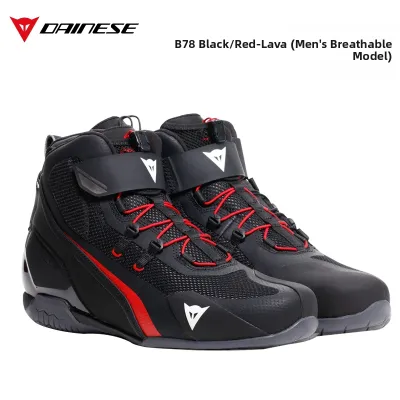
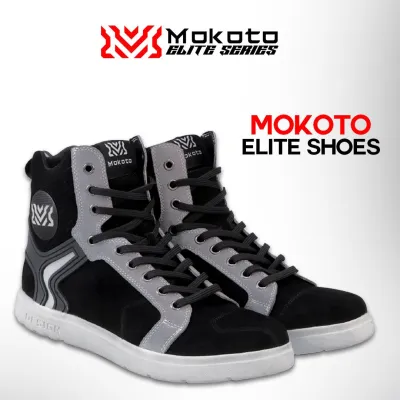
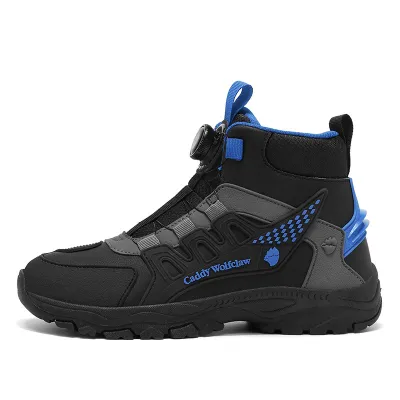
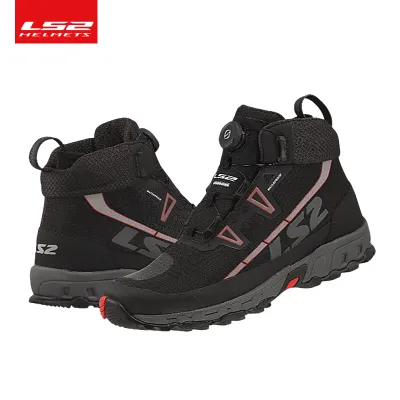
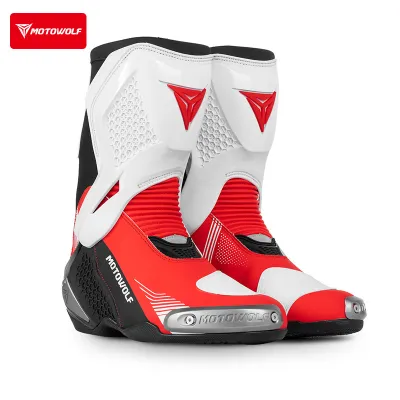
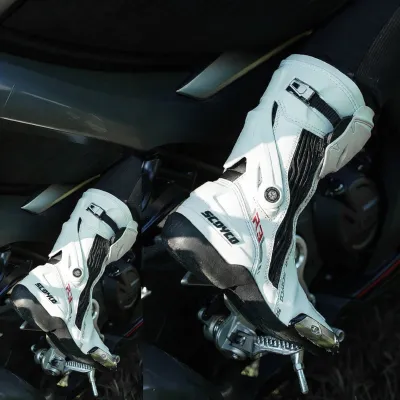
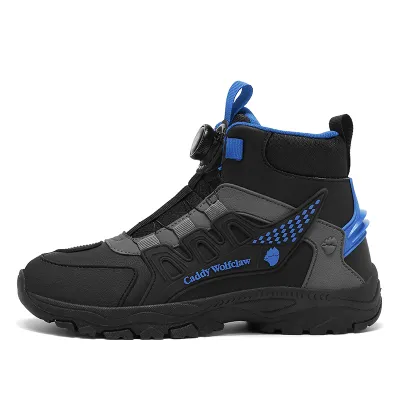
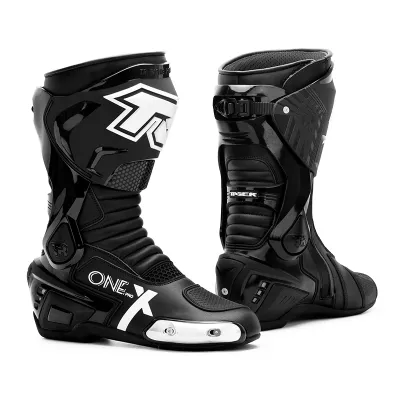
Prices are valid at publication and may change. Please refer to the product page for the latest price.
The highway tourer profile centers on long distances, sustained speeds, and minimal walking. If your typical ride involves hours on expressways or provincial highways, your feet remain on the footpegs for extended periods. This profile requires structural support to combat wind pressure and engine vibration, along with robust weather protection.
If your daily routine matches the commuter description, focusing on flexible, casual-style riding shoes is often the most practical choice. If your journeys lean toward long-distance highway travel, prioritizing rigid, weather-resistant touring boots is the more suitable option.
Commuter vs Touring Shoes: Understanding the Design Differences
Manufacturers design commuter and touring footwear to address entirely different riding environments. Understanding these structural differences helps you evaluate which features align with your daily operational needs.

Commuter riding shoes for motorcycle use often feature casual aesthetics that mimic standard sneakers, high-tops, or work boots. They utilize flexible soles that allow your foot to bend naturally while walking, making them practical for all-day wear. Despite their casual appearance, they incorporate basic protection structures, such as reinforced toe boxes, heel cups, and discrete ankle inserts.
Touring shoes prioritize structural rigidity and environmental defense over walking flexibility. They typically feature taller shafts that extend well above the ankle, providing substantial lateral support to resist twisting forces. These boots often include integrated shin guards, heavy-duty shift pads, and specialized weather-resistant membranes designed to block heavy rain.
To verify the intended use and protection level of any shoe, always read the manufacturer’s product labels and specifications. Look for official safety standard markings, such as the European CE certification (EN 13634), which rates footwear based on height, abrasion resistance, impact cut resistance, and transverse rigidity. Checking these standardized ratings allows you to verify the protective capabilities of the footwear independently of marketing claims.
Self-Assessment: Match Your Riding Habits to the Right Category
Selecting the right footwear requires an honest evaluation of your daily habits, local climate, and comfort requirements. Balancing these factors prevents you from purchasing gear that is either too restrictive for your daily routine or insufficient for your travel distances.
Begin by evaluating your typical ride duration and distance patterns. A daily thirty-minute commute through dense city traffic exposes you to low-speed risks and high ambient heat, where lightweight, breathable commuter shoes are highly suitable. Conversely, a weekend run spanning several hours on open highways exposes you to higher impact forces and sustained wind, making the rigid support of touring boots highly beneficial.
Next, assess your off-bike activities and the necessity of walking comfort. If your job requires you to walk across a campus or stand for hours, wearing stiff touring boots can lead to foot fatigue and discomfort. Commuter shoes allow you to transition from the motorcycle to the workplace without needing to carry a spare pair of casual shoes.
Consider your typical weather exposure, particularly in tropical climates characterized by high humidity and sudden downpours. Commuter shoes often feature perforated panels or mesh materials that maximize airflow, keeping your feet cool in heavy traffic. However, these breathable designs offer little protection against water.
If you frequently ride through unpredictable weather or heavy rain, check the manufacturer’s specifications for waterproof or water-resistant features. Touring boots often utilize specialized inner linings that block external moisture while allowing sweat vapor to escape. Keep in mind that these waterproof barriers can reduce overall airflow, which may increase heat buildup during slow-moving city commutes.
Pre-Purchase Checks: Verifying Fit, Safety Labels, and Comfort
Before finalizing your purchase, performing physical and label-based verifications is essential to ensure the footwear performs as intended. Properly fitting gear is critical for both control operation and personal comfort.
When testing the fit of new riding shoes, always wear the specific socks you plan to use while riding. Check that there is adequate room in the toe box to prevent pinching when operating the gear shifter or rear brake pedal. Walk around to check for heel slip, which can cause blisters, and ensure the ankle protectors align correctly with your ankle bones.
Simulate your riding posture by sitting on a chair or a stationary motorcycle to verify ankle mobility. The footwear should not pinch your instep or restrict your ability to flex your ankle upward and downward. If the material presses painfully against your shin or Achilles tendon while bent, the fit is incorrect.
Verify the safety labels attached to the inside of the shoe or printed on the packaging. Standardized markings provide objective data regarding the shoe’s performance in key areas like sole rigidity and upper durability. Avoid relying solely on visual styling; a shoe that looks protective may lack the internal reinforcement required for motorcycle use.
If you are purchasing from an online marketplace, consult the manufacturer’s specific sizing guide, as sizing can vary significantly between brands. Review the seller’s return and exchange policies regarding riding gear. Ensure you can return the shoes if they do not fit correctly during your initial home trial, and keep all tags attached during testing.
Routine Care and Maintenance for Your Riding Shoes
Proper maintenance preserves the structural integrity and extends the service life of your riding shoes. Implementing a simple, regular care routine prevents premature material breakdown and maintains the footwear’s protective qualities.
Clean your shoes using methods specified by the manufacturer for the specific outer material. For leather footwear, use a damp cloth and a mild leather cleaner, followed by a dedicated conditioner to prevent cracking. For textile or mesh commuter shoes, a soft brush and mild soapy water are generally sufficient to remove road grime.
Proper drying is critical, especially after riding through heavy tropical rain. Never expose your riding shoes to direct heat sources like hair dryers or radiators, as extreme heat can warp protective plastics and degrade sole adhesives. Instead, remove the insoles, stuff the shoes with crumpled newspaper to absorb moisture, and let them dry naturally in a well-ventilated indoor area.
Perform regular visual inspections of your footwear to identify wear and tear that could compromise safety. Check the soles for thinning tread or separation from the upper material, and inspect all stitching for fraying. If you notice cracked ankle protectors, worn-out shift pads, or compromised closures, it is time to replace the shoes to ensure continued protection.
Frequently Asked Questions (FAQ)
Can I use regular sneakers instead of dedicated commuter motorcycle shoes?
Regular sneakers lack the structural reinforcements necessary to withstand the forces involved in a motorcycle incident. Standard casual shoes typically feature soft soles that flex easily under pressure, offering minimal resistance to crushing forces, and their materials can tear quickly upon contact with asphalt. Dedicated commuter riding shoes incorporate stiff shanks in the sole, reinforced heel and toe counters, and ankle protectors while maintaining a casual appearance. Always check the manufacturer’s labels to ensure the footwear is specifically rated for motorcycle use.
Do touring motorcycle shoes require a break-in period?
Yes, touring motorcycle shoes often require a break-in period due to their heavy-duty construction and protective elements. The thick leather, rigid ankle supports, and reinforced soles are designed to limit excessive movement, which can make them feel stiff and restrictive when brand new. To break them in comfortably, follow the manufacturer’s guidelines, wear them around your home for short periods, and use them on brief local rides before embarking on an extended highway journey.
Community discussion
Share your experience or ask a question. Comments are reviewed before publication.