
Choosing the right pair of rider boots depends heavily on your daily ride duration, average speeds, and how much walking you need to do once you reach your destination. For daily urban travel, commuter boots prioritize flexibility, breathability, and casual styling, making them easy to wear in offices or cafes. Conversely, touring boots are engineered for long-distance highway travel, offering robust impact armor, maximum weather protection, and rigid support to withstand high-speed debris and prolonged foot peg pressure. Matching your footwear to your primary riding environment is the most effective way to balance safety and comfort on the road.
While any motorcycle-specific boot is vastly superior to standard sneakers or canvas shoes, the structural differences between commuter and touring designs are profound. Commuter footwear mimics the look and feel of everyday shoes while embedding discrete protective elements. Touring footwear, on the other hand, makes few compromises for off-bike aesthetics, focusing entirely on shielding your feet, ankles, and lower legs from severe impacts, extreme weather, and continuous engine heat. Understanding these differences allows you to invest in gear that keeps you safe without causing unnecessary daily frustration.
Core Design and Protection Differences in Rider Boots
To appreciate why these two categories exist, one must look at the engineering priorities behind their construction. Every piece of riding gear represents a balance between protection, comfort, and utility. When manufacturers design rider boots, they adjust the stiffness of the sole, the thickness of the armor, and the permeability of the outer shell to suit specific riding conditions.
Products mentioned in this guide
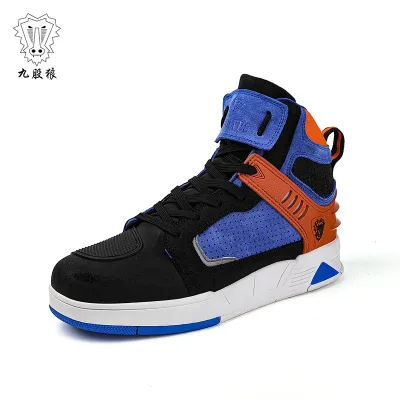
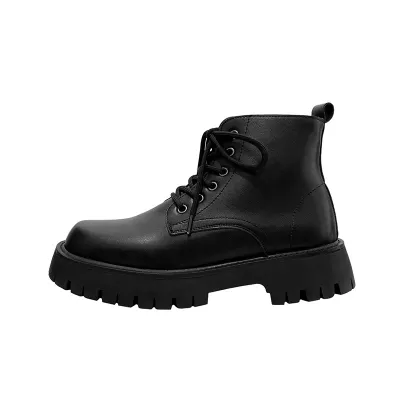
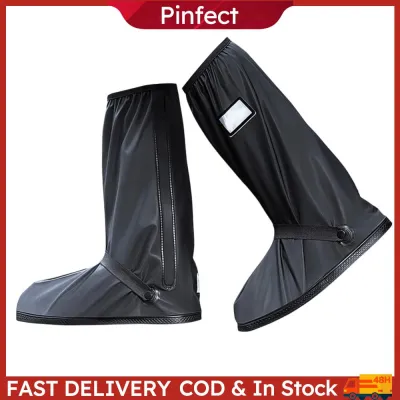
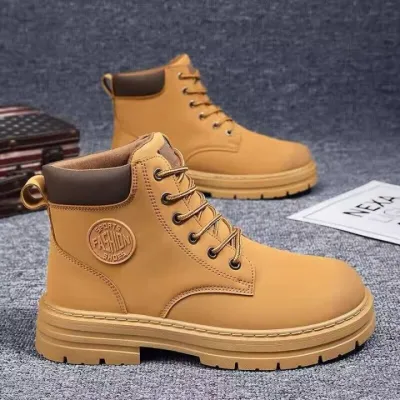
Prices are valid at publication and may change. Please refer to the product page for the latest price.
Armor, Stiffness, and Impact Protection
Touring boots are built to withstand high-velocity impacts and the intense forces associated with highway-speed incidents. They typically feature extensive armor suites, including rigid thermoplastic polyurethane (TPU) or carbon fiber protectors over the shins, ankles, heels, and toes. The soles of touring boots are exceptionally stiff, often reinforced with an internal steel or composite shank. This structural rigidity is crucial; it prevents the foot from twisting naturally (torsion) or bending backward (hyperextension) during a crash, and protects the foot from being crushed if the motorcycle slides on top of it.
In contrast, commuter boots utilize a more flexible, low-profile approach to protection. While they still feature reinforced toe boxes, heel cups, and ankle inserts, these components are often made of softer, impact-reactive materials like D3O or thinner TPU layers. This design allows the boot to bend naturally at the ball of the foot, facilitating a normal walking gait. However, this flexibility means commuter boots offer significantly less resistance to crushing forces and torsional twisting. Riders should always consult the manufacturer’s specification sheet to verify the exact placement of protective inserts rather than assuming all leather boots offer equivalent protection.
Weatherproofing, Breathability, and Walkability
The trade-offs between climate control and mobility are highly apparent in tropical climates, such as in the Philippines, where riders must contend with stifling heat, high humidity, and sudden monsoon downpours. Touring boots frequently incorporate integrated waterproof membranes, such as Gore-Tex or proprietary breathable waterproof liners. While these membranes are excellent at keeping heavy rain out during long highway stretches, they can restrict airflow, making the boots feel uncomfortably warm and sweaty in slow-moving, stop-and-go city traffic.
Commuter boots, on the other hand, often prioritize ventilation. Many urban riding shoes feature perforated leather, heavy-duty canvas, or mesh panels that allow maximum airflow to keep your feet cool in urban gridlock. The compromise is immediate: these highly breathable materials offer virtually no resistance to rain, meaning a sudden afternoon shower will leave your feet soaked. Additionally, the walking-friendly soles of commuter boots make them comfortable for walking around an office or mall, whereas the stiff, thick soles of touring boots can feel heavy, clunky, and tiring during extended walks off the bike.
Commuter Rider Boots: Pros, Cons, and Ideal Use Cases
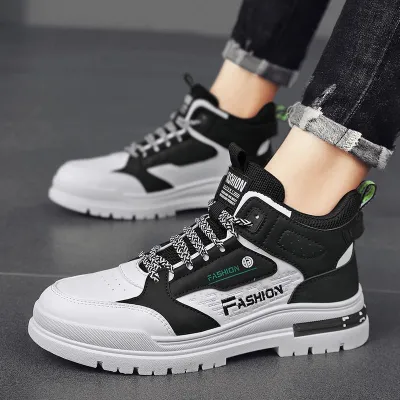
Commuter riding boots—often styled as high-top sneakers, casual leather boots, or low-cut hiking shoes—are designed to blend seamlessly into daily life. For riders who use their motorcycles as primary transportation to work, school, or social gatherings, these boots solve the problem of having to carry a spare pair of shoes.

The primary advantage of commuter footwear is its outstanding walkability and casual styling. You can ride to an office, spend eight hours on your feet, and ride home without experiencing the foot fatigue associated with stiff motorcycle gear. They are generally lightweight, highly breathable, and quick to put on and take off, often utilizing side zippers, speed laces, or hook-and-loop closures. In hot, humid city traffic, the superior ventilation of a mesh or perforated commuter boot prevents sweat buildup, which is vital for maintaining focus and comfort.
However, these conveniences come with clear safety and durability limitations. Commuter boots rarely offer protection for the upper ankle and shin, leaving a significant portion of the lower leg exposed to impacts from road debris or contact with hot engine parts. The softer soles, while comfortable for walking, wear down more quickly when constantly dragged or placed on aggressive metal foot pegs. Furthermore, their lack of robust weatherproofing means they are poorly suited for riding through deep puddles or sustained rainstorms. While they provide essential protection against abrasion and minor impacts in low-speed city environments, they are not engineered to handle the severe forces of high-speed highway crashes.
Touring Rider Boots: Pros, Cons, and Ideal Use Cases
Touring boots are built for the open road, where riders spend hours in the saddle facing unpredictable weather, high speeds, and varying terrain. These boots are typically tall, extending mid-calf or higher, and are constructed from thick, abrasion-resistant full-grain leather or high-tech synthetic microfibers.
The most significant benefit of touring boots is their comprehensive, uncompromising protection. By covering the lower leg up to the mid-calf, they shield the rider from flying stones, road debris, and direct impacts with the motorcycle’s frame or exhaust pipes. The integrated armor protects the vulnerable shin bone and stabilizes the ankle joint against severe twisting forces. For long-distance journeys, the stiff sole provides excellent arch support, reducing foot fatigue when standing on the pegs or maintaining a consistent riding position for hours. High-quality waterproof models ensure that even during a torrential downpour, your feet remain completely dry and warm.
The drawbacks of touring boots are centered on weight, heat, and off-bike mobility. Because of their heavy-duty construction and thick armor, they are heavy and stiff, resulting in an awkward, restricted walking motion. Walking even short distances can quickly become tiring. In slow-moving urban traffic, the lack of direct ventilation can cause heat to build up rapidly, making them highly uncomfortable for short, casual trips. They also require a substantial break-in period before the leather and ankle joints flex comfortably, and they can be difficult to pack due to their bulk. Using these boots for a quick run to a local neighborhood store is generally impractical and inconvenient.
Side-by-Side Feature Comparison
To help visualize the practical differences between these two types of footwear, the table below compares their key design elements and performance characteristics.
| Feature | Commuter Riding Boots | Touring Riding Boots |
|---|---|---|
| Primary Use Case | Daily city commuting, short urban trips | Long-distance travel, highway cruising |
| Ankle/Shin Protection | Moderate (ankle cups only) | High (reinforced shin, heel, and ankle) |
| Sole Stiffness | Flexible (similar to casual sneakers) | Stiff (internal steel or composite shank) |
| Weather Resistance | Low to Moderate (focus on ventilation) | High (waterproof membranes common) |
| Walkability | High (comfortable for all-day wear) | Low to Moderate (stiff, heavy construction) |
| Typical Break-In Time | Minimal to none | Moderate to long (requires regular use) |
| Height Profile | Low-cut to ankle-height | Mid-calf to high-calf |
Note: Specific features, materials, and protection levels vary significantly by brand and model. Always review the manufacturer’s product documentation to confirm the exact specifications of a particular boot.
How to Verify Safety Labels and Fit Before Purchase
When shopping for rider boots, it is critical to look past marketing claims and verify the actual safety credentials of the footwear. Genuine motorcycle boots undergo rigorous testing to meet international safety standards. The most widely recognized standard is the European CE certification, specifically labeled as EN 13634.
When inspecting a boot, locate the CE label, which is typically stitched inside the tongue or on the inner lining. This label features a motorcycle icon and a grid of four numbers, which represent performance levels (either Level 1 for basic protection or Level 2 for high protection) across four critical tests:
- First Number: Height of the boot's upper.
- Second Number: Impact abrasion resistance (how well the material resists wearing away during a slide).
- Third Number: Impact cut resistance (resistance to sharp objects penetrating the boot).
- Fourth Number: Transverse rigidity (the boot's resistance to being crushed horizontally).
Beyond safety labels, verifying the physical fit is essential for both safety and control operation. When trying on boots, always wear the exact socks you plan to use while riding. Put the boots on, fasten them completely, and perform the following checks:
- Heel Slip: Lift your heel inside the boot. There should be minimal to no heel lift, as a loose heel can cause blisters and compromise ankle stability during a fall.
- Toe Clearance: Ensure your toes do not press hard against the front of the toe box. When you simulate a hard downshift, your toes should have enough room to move without pinching.
- Ankle Alignment: Confirm that the internal ankle cups align perfectly with your ankle bones. If they sit too high or too low, they can cause painful pressure points and fail to protect you during an impact.
- Control Clearance: Sit on your motorcycle (or a mock-up in the store) and verify that the boot's toe profile easily clears the space between the foot peg and the gear shifter. A boot that is too bulky can get stuck under the shifter, while a sole with excessive grip might catch on the foot pegs, delaying your ability to reach the rear brake pedal in an emergency. If necessary, consult your motorcycle's manual to adjust the height of your gear shift lever to accommodate thicker boots safely.
Final Decision Framework
To make your final decision, evaluate your typical riding patterns, the local climate, and your tolerance for changing footwear at your destination. Use this decision matrix to guide your purchase:
- Choose Commuter Boots if:
- Your daily rides are mostly under an hour in stop-and-go urban traffic.
- You need to walk extensively, stand, or work in the same shoes throughout the day.
- You primarily ride in dry conditions and prioritize maximum airflow to keep your feet cool.
- You want a casual aesthetic that blends in with everyday clothing.
- Choose Touring Boots if:
- You regularly ride for multiple hours on highways, expressways, or rural provincial roads.
- You frequently ride through unpredictable weather, including heavy tropical rainstorms.
- You prioritize maximum structural safety, ankle stabilization, and impact protection over walking convenience.
- You need robust foot arch support to prevent fatigue during long stretches of standing or riding.
- Verify first if:
- You split your time equally between daily city commuting and weekend long-distance touring. In this scenario, look for mid-range sport-touring boots that offer a compromise of moderate ankle support, water resistance, and slightly improved walkability. Alternatively, consider investing in two separate pairs: a highly ventilated commuter shoe for your daily work routine and a heavy-duty touring boot for your weekend road trips. This approach ensures you never have to compromise on safety or comfort regardless of the journey.
Community discussion
Share your experience or ask a question. Comments are reviewed before publication.