
Choosing the right boots for a motorcycle rider depends entirely on how, where, and how long you ride. While both commuting and touring boots offer essential protection, they prioritize different features to match specific riding environments. Commuting boots focus on flexibility, breathability, and ease of walking, making them ideal for short city trips and office wear. Touring boots prioritize maximum impact protection, weatherproofing, and long-term support for hours in the saddle. Deciding between them requires evaluating your daily routes, local weather conditions, and how much time you spend on your feet once you park.
Assess Your Daily Riding Habits and Distance
Your daily routine dictates the physical demands placed on your footwear. If your typical ride consists of navigating dense city traffic, your feet will constantly interact with the ground. Stop-and-go conditions require you to put your feet down frequently at intersections, manage low-speed balance, and shift gears constantly. In these environments, heavy and rigid footwear can quickly lead to foot and ankle fatigue.
Conversely, long-distance highway travel involves sustained riding positions where your feet remain on the pegs for hours. On open provincial roads, the primary challenges are wind pressure, engine heat, and the physical strain of maintaining a static posture. Footwear designed for these journeys must support the arch of your foot against the constant vibration of the motorcycle pegs while shielding your lower legs from debris.
Products mentioned in this guide
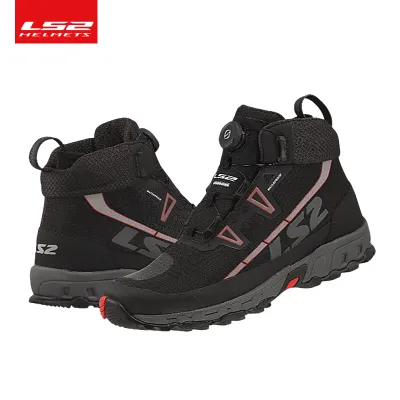
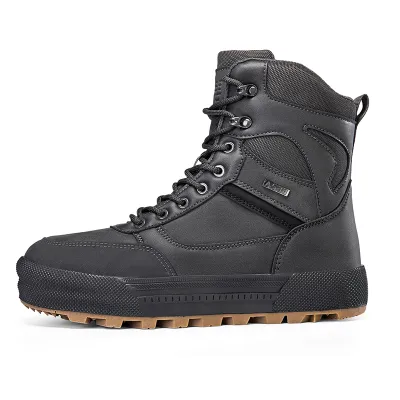
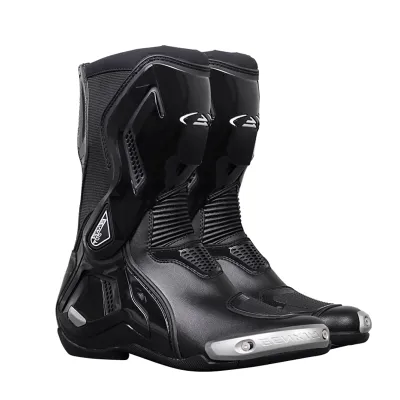
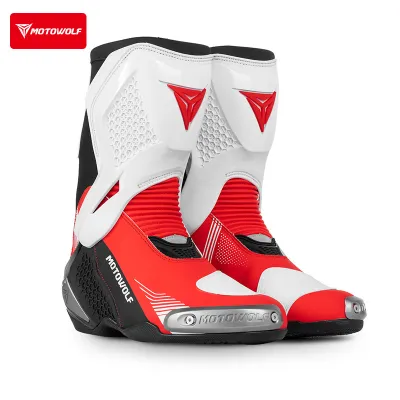
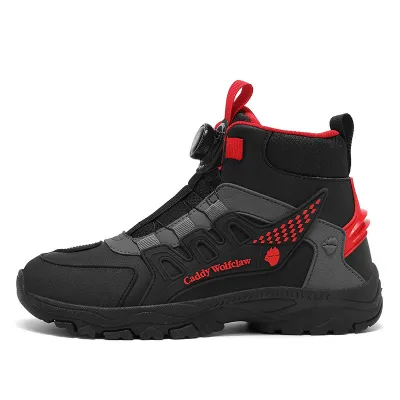
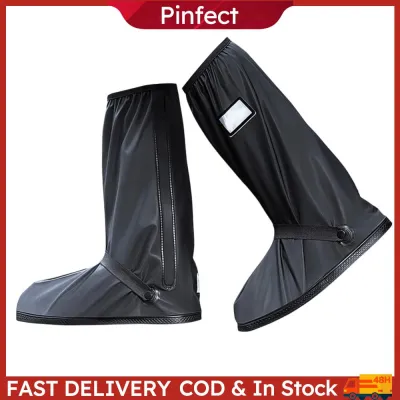
Prices are valid at publication and may change. Please refer to the product page for the latest price.
Walking requirements at your destination also play a critical role in your decision. If you ride to an office, a university, or a shopping center, you likely need to walk significant distances without changing your shoes. Commuting boots are engineered to blend into these environments, offering enough sole flexibility for natural walking. If your destination involves camping, hiking, or exploring remote tourist spots after a long highway ride, you must weigh the effort of carrying a spare pair of shoes against the stiffness of your riding boots.
Key Feature Differences Between Commuting and Touring Boots
The structural differences between these two boot types stem from their primary design goals. Commuting boots, often styled like high-top sneakers or casual leather boots, utilize flexible soles and lightweight materials. They feature reinforced toe boxes, heel cups, and ankle inserts to provide basic impact and abrasion protection. This construction allows the boot to bend naturally, making it comfortable for both riding and walking.

Touring boots, on the other hand, prioritize maximum structural rigidity and coverage. They typically extend much higher up the shin and feature robust armor plates made of thermoplastic polyurethane (TPU) or metal sliders. The soles of touring boots are highly stiffened, often reinforced with a steel or composite shank to prevent the foot from twisting or crushing in a high-speed slide. While this rigidity offers superior protection on the highway, it severely limits ankle flexion, making extended walking uncomfortable.
Climate control is another area where these designs diverge significantly, especially in tropical environments. Commuting boots frequently incorporate highly breathable mesh panels, perforated leather, or lightweight canvas to maximize airflow during hot, humid city rides. Touring boots are more likely to feature heavy-duty leather or synthetic microfibers paired with integrated waterproof membranes. While these membranes keep your feet dry during sudden tropical downpours, they can trap heat and sweat during slow-speed city riding, making ventilation a key trade-off.
Self-Diagnosis Checklist: Which Boot Type Fits Your Profile?
To determine the best fit for your riding style, evaluate which profile matches your typical weekly mileage and riding conditions.
You fit the Urban Commuter profile if you meet the following criteria:
- Your daily round-trip ride is under 30 kilometers.
- You spend more time walking or standing at your destination than you do in the saddle.
- You ride primarily in dry weather or have alternative transportation for heavy rain.
- You prefer gear that blends in with casual or semi-formal clothing.
- You require quick on-and-off access, utilizing zippers or speed laces rather than complex buckle systems.
You fit the Touring Rider profile if you meet the following criteria:
- Your average ride exceeds 100 kilometers per trip, often spanning multiple hours.
- You frequently ride at high highway speeds where wind, debris, and impact risks are elevated.
- You ride through unpredictable weather conditions, including sudden monsoonal rains.
- You prioritize maximum ankle stabilization and shin protection over walking comfort.
- You do not mind carrying a change of casual shoes in your motorcycle luggage for use at your destination.
For the Mixed-Use rider whose habits span both categories, prioritizing features is essential. If you commute daily but embark on long highway tours twice a month, look for a mid-cut touring boot or a highly reinforced adventure-commuting hybrid. These compromise options often feature a waterproof membrane and moderate ankle bracing while retaining enough sole flexibility to allow short walks. Always prioritize the protection level required for your highest-risk ride rather than choosing footwear based solely on your shortest commute.
When to Upgrade or Replace Your Current Motorcycle Boots
Motorcycle boots are safety equipment, and their protective capabilities degrade over time. Inspect your footwear regularly for physical signs of wear that compromise their structural integrity. Look closely at the soles; if the tread is worn smooth or the sole is beginning to separate from the upper boot, your grip on wet pavement and footpegs will be severely compromised. Check the stitching around high-stress areas like the ankles and gear shifter pads, as torn threads can cause the boot to split open during an impact.
Changes in your riding habits also signal that it is time for a gear upgrade. If you have recently transitioned from a short city commute to weekend long-distance touring, your lightweight commuter shoes may no longer provide adequate protection or weather resistance. Conversely, if you find yourself using a heavy touring boot for short trips to the local store, the inconvenience might tempt you to ride in unsafe casual footwear, indicating a need for a lighter commuter option.
Before purchasing a replacement, examine the manufacturer labels and care instructions on your existing gear. Look for recognized safety certification markings, such as the European CE standard, which indicate the boot has undergone standardized testing for abrasion resistance, impact cut, and transverse rigidity. If your current boots lack these safety markings, or if the internal armor inserts have softened and lost their shape, upgrading to a certified pair is a necessary step to ensure your safety on the road.
Frequently Asked Questions (FAQ)
Can I use touring boots for daily city commuting?
While you can wear touring boots for city commutes, they present several practical challenges in urban environments. Their rigid soles and stiff ankle support make constant gear shifting and rear brake modulation tiring in stop-and-go traffic. Additionally, the lack of ventilation in heavy touring boots can cause your feet to overheat quickly in slow-moving city traffic, and their bulk makes walking around an office or store uncomfortable.
Are sneakers or regular work boots safe for riding a motorcycle?
Regular sneakers and standard work boots do not provide adequate protection for motorcycle riding. Sneakers tear apart almost instantly when sliding on asphalt, offering zero abrasion resistance or ankle support. While leather work boots are tougher, they lack the specialized ankle armor, crush-resistant soles, and reinforced toe boxes found in dedicated motorcycle boots. They can also easily slip off your feet during an accident if they do not feature secure fastening systems.
Community discussion
Share your experience or ask a question. Comments are reviewed before publication.