
Selecting the right motorcycle footwear is a balance between on-bike safety and off-bike practicality. While both commuting and touring boots protect your feet, they serve vastly different riding environments. Commuting boots are optimized for short, stop-and-go city trips where walking comfort and casual styling are essential. In contrast, touring boots are engineered for long-distance endurance, offering robust lower-leg armor and weatherproofing to withstand hours on the highway. Understanding these differences helps you choose a pair that matches your daily routine, local climate, and safety requirements.
Core Design Philosophy: City Agility vs. Long-Distance Endurance
The fundamental difference between commuting and touring motoboots lies in their core engineering goals. Commuting boots are designed for riders who navigate urban environments, where stop-and-go traffic, frequent stops, and transitions between riding and walking are the norm. These boots prioritize quick on-and-off closure systems, lightweight materials, and casual aesthetics that blend seamlessly into an office, school, or social setting. They offer moderate protection focused on the most vulnerable areas of the foot while maintaining enough flexibility for comfortable walking throughout the day.
On the other hand, touring boots are built for long-distance endurance and high-speed highway travel. When riding for hours across provinces or navigating unpredictable highway conditions, your feet and lower legs require continuous support and maximum protection. Touring boots feature tall shafts, rigid structural reinforcement, and comprehensive weather sealing to shield you from wind, rain, and road debris. They are designed to minimize foot fatigue from resting on footpegs for extended periods, sacrificing some off-bike walking flexibility in exchange for superior structural integrity.
Products mentioned in this guide
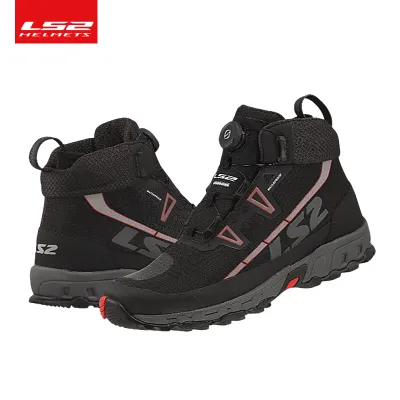
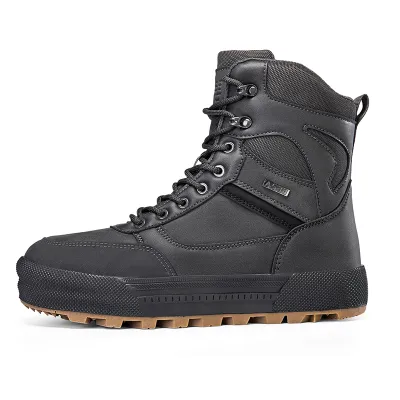
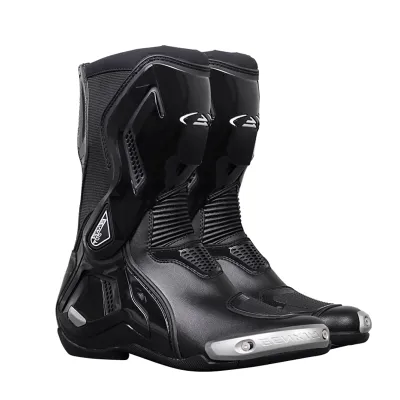
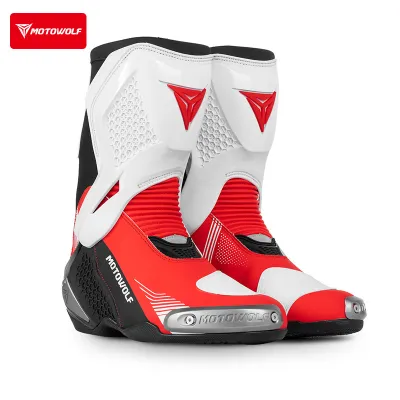
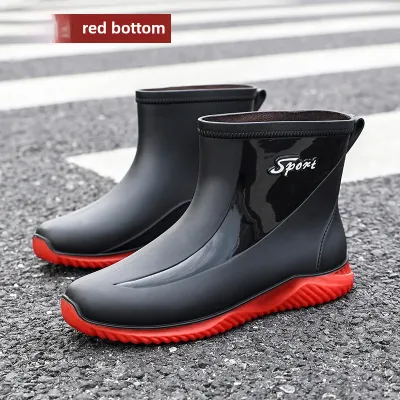
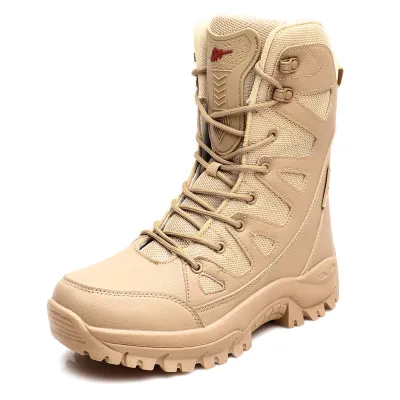
Prices are valid at publication and may change. Please refer to the product page for the latest price.
To confirm the design focus of any boot you are considering, always check the manufacturer labels and product descriptions. Look for specific classifications such as “urban,” “city,” “adventure,” or “touring.” These designations indicate the testing standards and design priorities the manufacturer used during development, ensuring you do not accidentally buy a highly rigid touring boot for a short, walking-heavy daily commute.
Protection and Safety Features: Comparing Armor and Support
When evaluating safety, the level of armor and structural support differs significantly between these two categories. Ankle and shin protection is one of the most critical areas of contrast. Touring boots typically feature extensive, rigid armor inserts made of thermoplastic polyurethane (TPU) or carbon fiber that cover the shins, heels, and both sides of the ankle. To verify the level of protection, look for the CE certification label (such as EN 13634) sewn inside the boot or printed on the packaging. This standard rates boots on height, abrasion resistance, impact cut resistance, and transverse rigidity, with Level 2 indicating higher protection than Level 1. Touring boots frequently achieve higher ratings across all categories due to their taller, more heavily armored construction.

Sole stiffness and torsional rigidity are also key safety differentiators. Touring boots utilize highly rigid shanks—often made of steel, nylon, or composite materials—embedded within the sole. This stiffness prevents the foot from twisting or bending unnaturally during an impact and supports the arch when standing on footpegs for long stretches. Commuting boots, while still offering reinforced soles to prevent crushing, allow significantly more longitudinal flex. This flex makes walking natural but offers less resistance against severe torsional forces.
Additionally, shift pads and heel counters are tailored to different wear patterns. Commuting boots often feature discreet, integrated shift pads that blend into the leather or textile upper, maintaining a casual look while protecting the boot from wear during frequent gear changes in city traffic. Touring boots employ thick, heavy-duty rubber or TPU shift pads and reinforced heel counters designed to withstand thousands of shifts and resist heavy impacts over years of long-distance travel.
Comfort, Weight, and Walkability: Off-Bike Practicality
Balancing riding ergonomics with everyday walkability is a major consideration for daily riders. Weight and bulk play a significant role in this balance. Touring boots are generally heavier and bulkier due to their tall shafts, thick armor plates, and multi-layered waterproof membranes. While this bulk is reassuring on the highway, it can feel cumbersome when walking through a shopping mall or office. Commuting boots, conversely, aim for a lighter, low-profile silhouette. Many commuting options resemble high-top sneakers, work boots, or casual leather shoes, making them much easier to wear for extended periods off the bike.
The closure systems also reflect these differing priorities. Commuting boots often utilize traditional laces, quick-lace systems, or simple side zippers for rapid entry and exit. If you choose a laced commuting boot, ensure it features a lace cover, strap, or “garage” to tuck the laces away safely, preventing them from snagging on your gear shifter or footpegs. Touring boots rely on more secure, heavy-duty closure systems, such as wide hook-and-loop calf flaps, micro-adjustable buckles, and robust waterproof zippers. These systems ensure the boot remains securely fastened to your leg even during a high-speed slide, though they take longer to put on and adjust.
A thorough walkability check is essential before making a purchase. Examine the sole’s tread pattern and heel drop. Commuting boots often feature flat, slip-resistant rubber soles with fine siping to grip wet pavement, painted road lines, and smooth indoor floors. Touring boots, especially adventure-touring variants, feature deep, lugged tread patterns designed to bite into mud, gravel, and wet grass when off-road, which can feel stiff and awkward on flat, hard indoor surfaces.
Weather Resistance and Ventilation: Managing the Elements
Managing the elements is a daily challenge for motorcyclists, particularly in tropical climates where sudden downpours and intense heat are common. Weather resistance is a primary selling point for touring boots. Most high-quality touring boots feature integrated waterproof and breathable membranes, such as Gore-Tex or proprietary brand equivalents. These membranes keep heavy rain out while allowing sweat vapor to escape, making them highly effective for long rides through changing weather zones. However, in stop-and-go city traffic under intense tropical sun, these waterproof barriers can restrict airflow, leading to hot, sweaty feet.
Commuting boots offer more diverse options for climate control. Many urban boots are designed specifically for hot weather, featuring extensive mesh panels, perforated leather, or lightweight canvas uppers that maximize airflow. This ventilation keeps your feet cool during slow-speed city riding, though it offers virtually no protection against heavy rain. For wet-season commuting, some manufacturers offer dedicated waterproof urban boots, but these generally lack the high-level breathability of premium touring membranes, making them run warmer on dry days.
When shopping, always verify the product specifications for climate-specific features rather than assuming all touring boots are fully waterproof or all commuting boots are highly breathable. Look for terms like “water-resistant” (which may only handle light drizzle) versus “waterproof” (designed for sustained rain), and check for dedicated ventilation ports or mesh linings if you primarily ride in hot, humid conditions.
Decision Framework: How to Choose the Right Motoboots
Choosing between commuting and touring motoboots ultimately depends on your riding habits, typical routes, and how much time you spend off the bike. To simplify your decision, evaluate your riding profile against these clear scenarios.
You should choose commuting boots if your typical rides are short, urban trips, such as daily office commutes or running errands around town. If you need to walk frequently at your destination and prefer a casual, low-profile look that does not scream “motorcycle gear,” a high-quality commuting boot or riding shoe is the practical choice. These options provide a sensible balance of basic ankle protection, crush-resistant soles, and all-day walking comfort.
You should choose touring boots if you regularly ride for multiple hours at a stretch, travel on high-speed expressways, or embark on long-distance weekend tours. If you frequently face unpredictable weather, heavy rain, or varying terrain, the comprehensive shin-to-toe protection, stiff sole support, and reliable waterproofing of a touring boot are indispensable for your safety and comfort.
If your riding style falls somewhere in the middle—such as a daily highway commute combined with weekend leisure rides—consider mid-height sport-touring boots as a versatile compromise. These boots offer a shorter shaft than full touring boots, making them lighter and easier to walk in, while still providing stiffer soles, robust ankle armor, and better weather protection than casual commuting shoes. Before purchasing, verify their specific armor ratings and weatherproofing features to ensure they meet your safety standards. Expect to invest anywhere from approximately ₱5,000 for entry-level riding shoes to over ₱15,000 for advanced touring boots with premium waterproof membranes.
Frequently Asked Questions (FAQ)
Can I use touring boots for daily city commuting?
Yes, you can wear touring boots for daily city commuting, but you will face trade-offs in comfort and temperature. In hot, humid stop-and-go traffic, the heavy armor and thick waterproof membranes of touring boots can cause your feet to overheat and sweat excessively. Additionally, their stiff soles and bulky design can lead to foot fatigue if your commute involves walking around an office or campus. However, if your daily commute involves high-speed highway riding or if you must ride through severe monsoon seasons with heavy flooding, the superior impact protection and reliable waterproofing of touring boots may outweigh the discomfort of walking in them.
How should motorcycle boots fit around the calf and ankle?
Motorcycle boots must fit snugly around both the ankle and calf to provide effective protection. The ankle area should be tight enough to prevent the boot from sliding off your foot during a slide, yet flexible enough to allow you to operate the gear shifter and rear brake pedal comfortably. When trying on boots, wear the specific riding pants and socks you plan to use. Ensure the calf closure system—whether zippers, buckles, or hook-and-loop flaps—can close securely over or under your pants without pinching or restricting blood flow. Keep in mind that feet and calves can swell slightly during long rides in tropical heat, so look for closure systems that offer a degree of adjustability.
Community discussion
Share your experience or ask a question. Comments are reviewed before publication.