
Selecting the ideal boots for motorcycle rider safety and comfort is not about finding a single, universally superior boot. Instead, the correct choice depends on your daily riding-to-walking ratio, your typical trip distance, and the local weather patterns you encounter. For riders who navigate dense city traffic, make frequent stops, and need to walk comfortably at their destination, commuting boots offer the ideal balance of flexibility and casual style. Conversely, for riders who spend hours on open highways, cover long distances, and require maximum protection against unpredictable weather, touring boots are the logical choice.
There is no single winner in this comparison because both designs serve distinct purposes. A rigid touring boot can feel like an unnecessary burden during a short trip to a local office, while a flexible commuting shoe may leave you feeling vulnerable on high-speed provincial expressways. By understanding how each style matches your specific riding lifestyle, you can make an informed investment that keeps you safe on the road and comfortable at your destination.
Commuting vs Touring Boots: Feature Comparison
To help you visualize the structural and functional differences between these two categories, the table below outlines their primary design characteristics. These distinctions influence how each boot performs both on the motorcycle and when walking on various surfaces.
Products mentioned in this guide
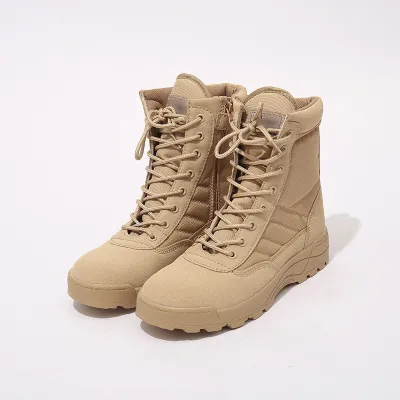
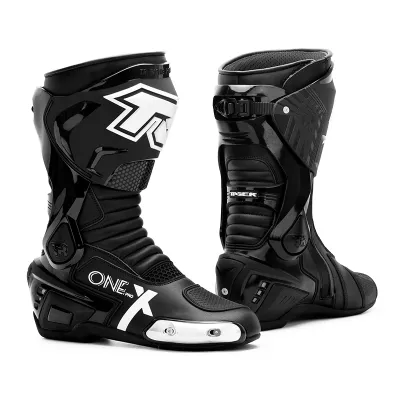
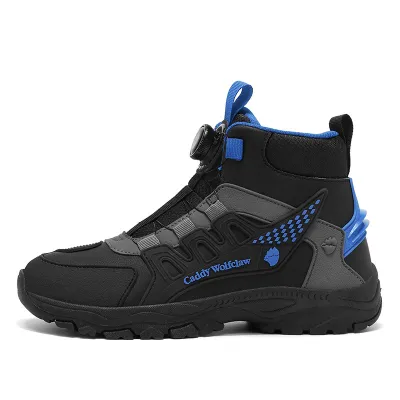
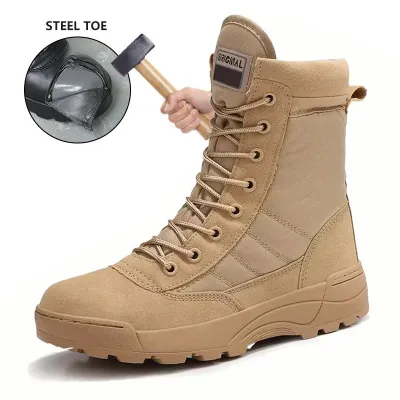

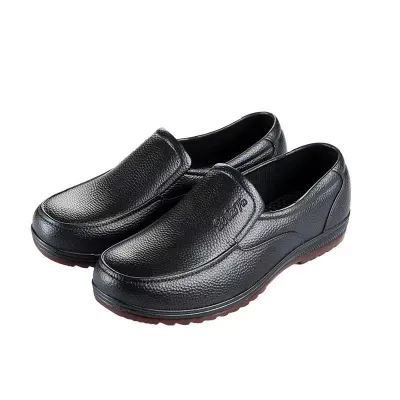
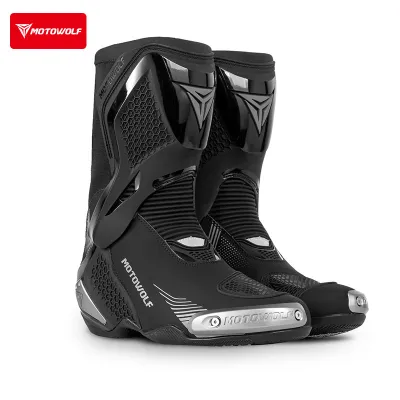
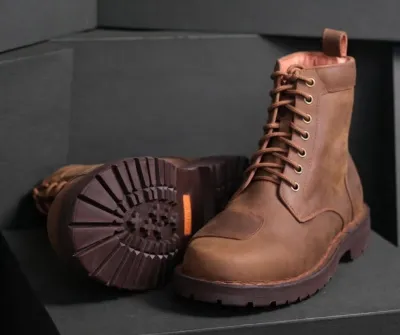
Prices are valid at publication and may change. Please refer to the product page for the latest price.
| Feature | Commuting Boots | Touring Boots |
|---|---|---|
| Ankle Coverage | Low to mid-height (typically resting just above the ankle bone) | High-top design (extending up to the mid-calf or shin) |
| Sole Stiffness | Moderately flexible (designed to mimic standard walking shoes) | Highly rigid (featuring an internal steel or composite shank) |
| Protection Focus | Reinforced toe boxes, heel cups, and basic lateral ankle discs | Heavy-duty shin guards, reinforced heel counters, and torsional bracing |
| Walkability | High (comfortable for extended walking, office wear, or errands) | Low (stiff construction can make walking feel awkward and tiring) |
| Weather Sealing | Highly breathable (often featuring mesh panels or perforated leather) | Advanced weatherproofing (typically utilizing integrated waterproof membranes) |
| Primary Materials | Lightweight leather, textile blends, or reinforced canvas | Thick full-grain leather, heavy-duty microfibers, and TPU armor |
When using this table, remember that these classifications represent general design tendencies rather than absolute rules. You must always check specific manufacturer specifications and product tags before purchasing, as materials, closure systems, and protective features vary significantly across different brands and models. A sport-touring boot, for example, might bridge the gap by offering high protection with slightly more ankle flexibility than a traditional long-distance touring boot.
Protection and Safety: How Each Design Shields Your Feet
Motorcycle boots are engineered to protect your feet, ankles, and lower legs from multiple forces, including impact, abrasion, compression, and torsional twisting. Touring boots are designed with a primary focus on high-speed safety, where the risk of sliding along asphalt or colliding with roadside obstacles is elevated. To mitigate these risks, touring boots feature tall shafts that cover the shin bone with energy-absorbing thermoplastic polyurethane (TPU) protectors. They also utilize highly rigid soles that resist lateral crushing if the motorcycle falls onto your foot, along with mechanical ankle braces that limit dangerous lateral twisting.

Commuting boots take a different approach to safety, optimizing for lower-speed urban environments where flexibility is highly valued. These boots typically feature reinforced toe boxes and heel cups to protect against minor impacts, alongside small, integrated ankle discs (malleolus protectors) hidden beneath the outer material. While they offer significantly more protection than standard sneakers or work boots, they generally lack the extensive shin coverage and extreme torsional rigidity found in touring gear. This compromise allows the boot to bend naturally with your foot, making it easier to operate controls in stop-and-go city traffic.
To ensure you are getting genuine protection rather than cosmetic styling, always look for standardized motorcycle footwear certification labels on the product’s interior tags. In many markets, including the Philippines, reputable riding gear is certified under the EN 13634 standard. This standard subjects the footwear to rigorous laboratory tests measuring height, abrasion resistance, impact cut resistance, and transverse rigidity. The certification label will display a series of numbers (typically 1 or 2) indicating the protection level achieved in each test. Relying on these certified ratings is far safer than trusting generic marketing terms like “heavy-duty” or “impact-resistant.”
Before riding, you must also verify that your boots do not interfere with your motorcycle’s controls. A highly rigid touring boot may require you to adjust the height of your gear shift lever or rear brake pedal to accommodate the thicker toe box. Conversely, a softer commuting boot must still offer enough structural support to prevent your foot from flexing painfully when applying firm pressure to the rear brake. Always test the interface between your boots and your motorcycle’s pegs and levers in a stationary position before heading out onto the road.
Off-Bike Comfort: Walking, Working, and Daily Errands
The walkability of a motorcycle boot is often the deciding factor for daily riders who do not want to carry a spare pair of shoes. Commuting boots excel in this category because they are designed to transition seamlessly from the bike to the sidewalk. Manufacturers achieve this by using flexible midsoles, cushioned insoles, and lighter weight materials like reinforced canvas or split-grain leather. The aesthetic design of commuting boots often mimics high-top sneakers, casual boots, or skate shoes, allowing you to wear them in offices, university campuses, or retail stores without drawing unwanted attention.
Touring boots, on the other hand, prioritize long-distance riding ergonomics over walking comfort. The stiff internal shanks that keep your feet flat and supported on the footpegs during an eight-hour ride make walking feel stiff and unnatural. The added weight of heavy TPU armor, thick leather, and high-top shin guards can quickly fatigue your leg muscles if you attempt to walk long distances. Additionally, the squeaking sounds often produced by the mechanical ankle joints of touring boots can make them impractical for quiet office environments or professional settings.
This functional division highlights the classic trade-off between on-bike support and off-bike convenience. A rigid sole is highly beneficial while riding because it distributes the weight of your body evenly across the narrow footpegs, preventing arch fatigue and foot cramping during long journeys. However, that same rigidity prevents your foot from rolling naturally from heel to toe when walking. If your daily routine involves riding to a single destination where you will spend hours walking or standing, commuting boots or a dedicated shoe-change strategy will be far more practical than wearing heavy touring boots all day.
Weather Protection: Handling Rain and Tropical Heat
In tropical environments like the Philippines, weather protection requires a careful balance between water resistance and heat management. Touring boots are traditionally designed to handle unpredictable, wet conditions over long distances. They frequently incorporate high-quality waterproof and breathable membranes, such as Gore-Tex or proprietary brand equivalents, which block external water droplets while allowing sweat vapor to escape. The high-top design and gusseted entry systems of touring boots also prevent water from running down your shins and into the footbed, making them highly effective during intense monsoon downpours.
However, fully waterproof touring boots can present a major drawback in hot, humid climates. In stop-and-go urban traffic, where airflow is minimal, the insulating layers of a waterproof membrane can trap engine heat and sweat, leading to extremely hot and damp feet. This lack of ventilation can cause discomfort and skin irritation over long commuting hours. For this reason, commuting boots often prioritize ventilation, utilizing highly breathable mesh panels, perforated leather, or lightweight canvas to maximize airflow and keep your feet cool in slow-moving city traffic.
The obvious compromise of highly ventilated commuting boots is their lack of water resistance. During a sudden tropical afternoon shower, a mesh commuting boot will soak through almost instantly, leaving you with wet feet for the remainder of your ride and workday. To manage this practical compromise, many urban riders choose highly ventilated commuting boots for daily use and carry a pair of compact, packable waterproof boot covers in their under-seat storage or backpack. This approach allows you to enjoy maximum airflow during hot, dry days while remaining prepared for sudden rainstorms.
When evaluating weather-related features, always check the product labels and manufacturer documentation for specific waterproof and breathability ratings. Do not assume a boot is waterproof simply because it is made of leather; untreated leather will eventually absorb water and become heavy and waterlogged. If you choose to apply aftermarket waterproofing sprays or conditioners to your boots, make sure to follow the manufacturer’s care instructions, as improper treatments can clog breathable membranes or damage synthetic materials.
How to Choose: Match the Boot to Your Riding Lifestyle
To finalize your decision, you should analyze your typical riding patterns, the routes you travel, and your physical comfort requirements. Use the structured framework below to determine which category aligns best with your daily riding habits.
Choose Commuting Boots If:
- Your daily trips are short and urban: Your typical ride consists of navigating city traffic, short commutes to work or school, and frequent stops at intersections.
- You require high walkability: You need to wear your riding footwear throughout the day at your destination, whether you are walking around an office, attending classes, or running errands.
- You ride primarily in high heat: You prioritize maximum ventilation and airflow to keep your feet cool in slow-moving traffic and humid conditions.
- You prefer a casual aesthetic: You want protective footwear that blends in with everyday clothing and does not look out of place in social or professional settings.
Choose Touring Boots If:
- You ride long distances at high speeds: Your typical journeys involve highway travel, weekend touring, or multi-hour trips where speeds are higher and impact protection is critical.
- You ride through unpredictable weather: You need reliable, built-in waterproofing to keep your feet dry during long exposures to heavy rain without stopping to put on covers.
- You prioritize maximum safety: You want the highest level of shin, ankle, and crush protection available, and you are willing to sacrifice off-bike walking comfort to get it.
- You ride a heavy motorcycle: You require a stiff, supportive sole to manage the weight of a larger touring or adventure motorcycle when stopping on uneven or slippery surfaces.
Verify These Factors Before Buying:
- Consider a hybrid option: If you find yourself split between both riding styles, look into mid-height sport-touring boots. These designs often offer a reasonable compromise, providing better protection than a commuting shoe but with more flexibility and lower weight than a full-calf touring boot.
- Check footpeg and shifter clearance: Ensure the boot's sole matches your motorcycle's footpegs (e.g., rubber-mounted pegs vs. serrated off-road pegs) and that the toe box fits easily under your gear shifter.
- Verify calf and pant fitment: If you choose touring boots, measure your calf circumference while wearing your riding pants to ensure the boot's shafts can close comfortably over or under your gear.
- Prioritize certified protection: Regardless of the style you choose, always verify that the footwear carries a legitimate motorcycle safety certification (such as EN 13634) on the inner tag rather than relying on cosmetic styling.
Frequently Asked Questions (FAQ)
Can I use touring boots for daily city commuting?
While you can physically wear touring boots for a daily city commute, doing so introduces several practical drawbacks. In heavy urban traffic, the heavy weight, rigid ankle construction, and lack of ventilation can make your ride hot and fatiguing. Walking through offices or shops in stiff, heavy touring boots can also cause discomfort and muscle fatigue. However, using touring boots for commuting is highly practical if your daily route consists almost entirely of high-speed highway riding, or if you are commuting during the peak of the rainy season when maximum water protection is your highest priority and you have a change of shoes waiting at your destination.
Are commuting boots safe enough for highway riding?
Commuting boots provide a substantial safety upgrade over standard sneakers, casual shoes, or slippers, but they generally fall short of the protection levels required for high-speed highway riding. At highway speeds, the forces involved in a fall or slide are significantly higher, requiring greater abrasion resistance, crush resistance, and ankle stabilization. Commuting boots typically lack the tall shin guards, rigid internal shanks, and mechanical ankle braces that protect against severe impact and twisting injuries on the open road. Before using commuting boots on the highway, check their specific EN 13634 certification levels on the product tag and carefully assess your personal risk tolerance.
Community discussion
Share your experience or ask a question. Comments are reviewed before publication.