
Choosing between commuting and touring motorcycle shoes depends on balancing walking flexibility with high-speed structural protection. Commuters generally need lightweight, flexible, and discreet shoes for frequent stops and off-bike walking. Tourers require rigid, weather-resistant, and highly supportive boots to endure long hours on the highway.
Evaluating your primary riding environment is the first step toward making an informed purchase. By understanding the structural differences and safety standards of each shoe type, you can select footwear that keeps you comfortable and protected on every journey.
Understanding the Core Differences: Commuting vs. Touring
Daily urban riding involves low-speed navigation, frequent stops at intersections, and walking around at your destination. Footwear designed for this scenario prioritizes comfort, flexibility, and casual styling that blends into office or social settings. These shoes allow your feet to move naturally when you are off the bike.
Products mentioned in this guide
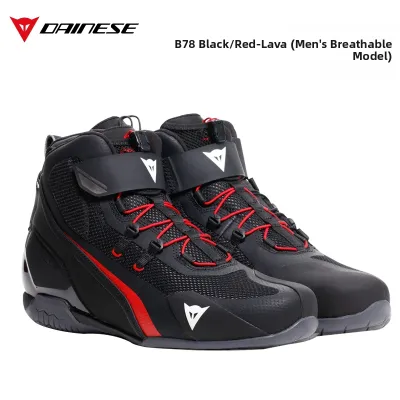
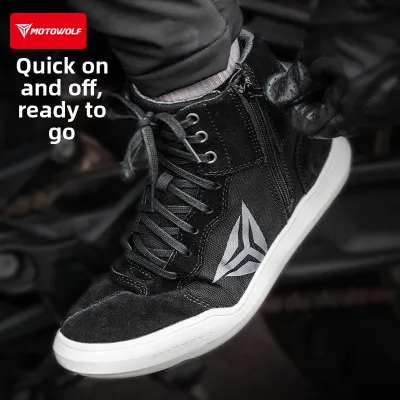
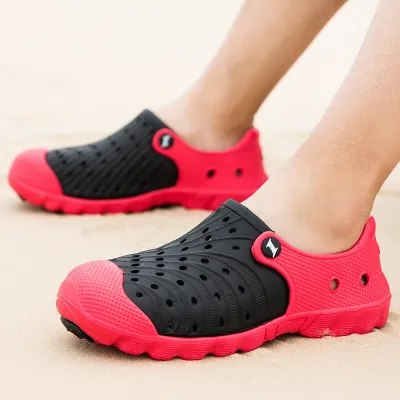
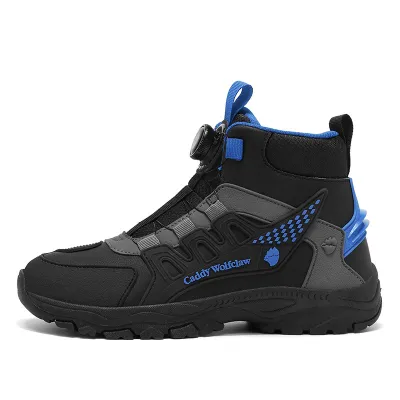
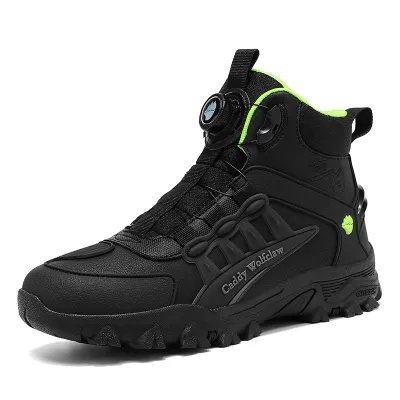
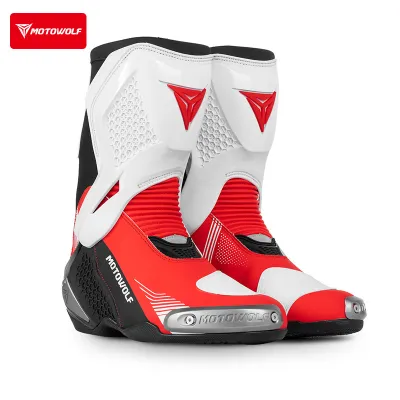
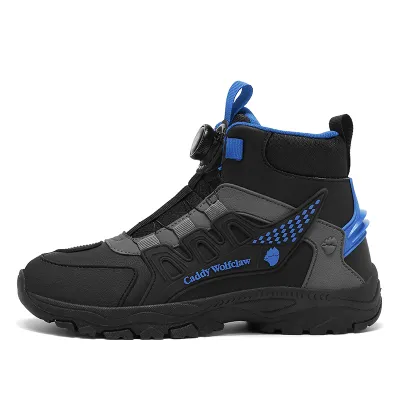
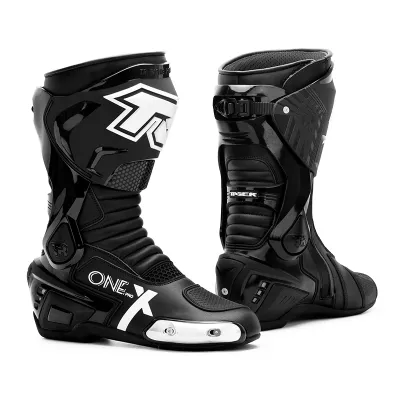
Prices are valid at publication and may change. Please refer to the product page for the latest price.
Long-distance touring demands hours of sustained highway speeds where wind, rain, and road debris constantly impact your feet. Touring boots prioritize structural rigidity, ankle stabilization, and weatherproofing over walking comfort. They are built to shield your lower limbs from severe impact and prolonged exposure to the elements.
The structural stiffness of a shoe directly correlates with its intended use. Stiff soles prevent foot fatigue on footpegs but make walking long distances uncomfortable, while flexible soles feel great on pavement but offer less protection against crushing forces. Balancing these trade-offs is key to finding the right pair.
What to Look for in Daily Commuting Motorcycle Shoes
Commuting footwear must transition smoothly from the bike to the workplace or school. Look for lightweight materials like reinforced canvas, microfiber, or split leather. These materials offer basic abrasion resistance without looking overly technical or bulky in casual environments.

A flexible sole is essential for natural walking movement throughout the day. However, the sole must still feature an internal shank, usually made of nylon or steel, to prevent the foot from bending backward during an impact. This internal support distinguishes riding shoes from standard sneakers.
Reinforced toe boxes and heel cups are critical for daily urban riding. The toe area needs extra reinforcement, often in the form of an integrated rubberized shift pad, to prevent wear from constant gear changes in stop-and-go traffic. This reinforcement also protects your toes from frontal impacts.
Ankle protection should consist of integrated, low-profile armor discs on both the medial and lateral sides. These discs, often made of thermoplastic polyurethane or impact-absorbing foam, provide crucial malleolus protection without adding the bulk of a full-height boot.
Keep in mind the inherent trade-offs of commuting footwear. These casual-style riding shoes generally offer lower shin protection and less weather sealing than dedicated touring boots. They are optimized for convenience and low-speed urban safety rather than high-speed highway spills.
Essential Features for Long-Distance Touring Shoes
Touring boots are engineered to protect your feet and lower legs during high-speed travel and unpredictable weather. Rigid ankle protection is non-negotiable, often utilizing external bracing systems or thick, molded thermoplastic polyurethane (TPU) protectors to prevent twisting injuries.
Stiff soles are a key ergonomic feature for long rides. A rigid sole distributes your weight evenly across the footpegs, preventing the arch of your foot from cramping after hours of riding. This rigidity also protects the foot from being crushed laterally if the motorcycle falls on it.
Weather protection requires careful evaluation based on your riding route. High-quality touring boots often feature integrated waterproof membranes that block rain while allowing sweat vapor to escape. For consistently hot climates, highly breathable mesh panels or perforated leather may be preferred to prevent overheating.
Secure closure systems keep the boot firmly attached to your foot during an accident. Look for combinations of heavy-duty zippers, wide hook-and-loop flaps, or micro-adjustable buckles. These systems prevent the boot from sliding off and ensure a tight, aerodynamic fit at high speeds.
Shin guards and reinforced heel cups add crucial layers of defense against flying road debris and crushing impacts. This extended protection covers the lower leg, shielding vulnerable bones and tendons that commuting shoes leave exposed.
Can One Pair Handle Both Commuting and Touring?
Many riders wonder if a single hybrid shoe can successfully bridge the gap between daily commutes and weekend tours. Mid-height adventure shoes or heavily reinforced casual boots are often marketed as do-it-all solutions for versatile riders.
Using a hybrid shoe always involves compromises. A stiffer hybrid boot will protect you on the highway but may cause discomfort or blisters if you walk several kilometers during your workday. It can also feel overly warm and bulky in an office setting.
Conversely, wearing a flexible commuting shoe on a long-distance tour leaves you vulnerable to weather extremes and reduces your protection against high-speed impacts. The lack of shin protection and lower structural rigidity can increase the risk of injury during highway mishaps.
To decide, evaluate your weekly mileage, typical walking distances, and budget. If your budget allows, allocating ₱5,000 to ₱12,000 per pair to invest in two dedicated pairs is often the safest and most comfortable approach. This ensures you have the right tool for each specific riding activity.
If you must choose just one pair due to budget constraints, prioritize the safety requirements of your highest-risk riding scenario. For most riders, this means choosing the stiffer, more protective touring boot to ensure maximum safety during high-speed highway travel.
How to Verify Safety Standards and Proper Fit
Do not rely on vague marketing terms like “reinforced” or “protective” when selecting motorcycle shoes. Look for official CE certification labels, specifically the EN 13634 standard, which are typically sewn inside the shoe tongue or printed on the packaging.
This safety standard tests footwear for height, abrasion resistance, impact cut resistance, and transverse rigidity. The label displays a series of four numbers, where “1” represents a basic pass and “2” indicates a higher level of performance. Checking these numbers allows you to verify the actual protection level.
When trying on motorcycle shoes, wear the exact socks you plan to use while riding. Ensure there is adequate toe box clearance so your toes do not press against the front of the shoe when you lean forward or operate the foot controls.
Check for a secure heel lock by walking around and lifting your heel. Your foot should not slip inside the boot, as any slipping can lead to painful blisters and reduced control over your bike’s gear shifter and rear brake pedal.
If purchasing from an online marketplace, consult the manufacturer’s specific sizing chart rather than relying on your standard shoe size. Verify the seller’s return and exchange policies so you can easily swap the shoes if the fit is not perfect upon arrival.
Frequently Asked Questions (FAQ)
Are regular sneakers safe enough for short commutes?
Regular canvas, leather, or running sneakers do not provide adequate protection for motorcycle riding, even on short commutes. They lack the structural rigidity to prevent crushing injuries and will tear apart instantly upon contact with asphalt during a slide.
Standard sneakers also lack dedicated ankle armor and can easily fly off your feet during an accident. This leaves your skin, bones, and joints completely unprotected against severe impact and abrasion.
How do I break in new touring motorcycle shoes?
Break in stiff touring boots gradually by wearing them around your home for short periods before taking them on a long ride. This allows the leather and synthetic materials to flex and mold to your foot shape without causing painful blisters on the road.
Always check the manufacturer’s care instructions before applying any leather conditioners or waterproofing treatments. Using unapproved products can damage breathable membranes, alter the material’s protective qualities, or void the product warranty.
Should I buy waterproof shoes for riding in the Philippines?
Riding in the Philippines presents a unique challenge due to intense tropical downpours and extreme heat. Waterproof shoes keep your feet dry during sudden monsoon rains but can trap sweat and heat during hot, humid traffic jams.
For daily dry-season commuting, highly ventilated mesh riding shoes are often more comfortable to prevent heat buildup. For long-distance touring or wet-season riding, a waterproof pair or carrying packable waterproof overboots is highly recommended to handle unpredictable weather.
Community discussion
Share your experience or ask a question. Comments are reviewed before publication.