
Choosing between commuting and touring waterproof riding boots comes down to a balance of daily distance, off-bike walkability, and exposure to high-speed road hazards. While both styles aim to keep your feet dry during sudden downpours, they are engineered with vastly different priorities. Commuting boots focus on flexibility, casual aesthetics, and quick on-off convenience for urban environments. In contrast, touring boots prioritize long-distance comfort, extended shin and calf coverage, maximum impact protection, and sustained weatherproofing for hours on the open road. Selecting the wrong type can lead to either sore feet at the office or inadequate protection on a high-speed highway.
Defining Your Riding Style and Daily Needs
To find the right footwear, you must first analyze your typical riding patterns and daily environment. If your daily route consists of navigating dense, stop-and-go city traffic, your feet will spend a significant amount of time on the ground at stoplights. In these urban settings, heavy, rigid boots can quickly become fatiguing. Conversely, if your rides involve long stretches of highway cruising where speeds are higher and road debris is a constant hazard, the structural support of a dedicated touring boot becomes essential.
Off-bike walking requirements are another critical factor. If you commute to an office, a school, or run frequent errands, you need a boot that allows you to walk comfortably without looking out of place or experiencing painful hot spots. However, if your riding style is centered around weekend getaways, long-distance touring, or adventure riding where you remain on the motorcycle for hours at a time, off-bike walkability becomes secondary to sustained comfort on the footpegs.
Products mentioned in this guide
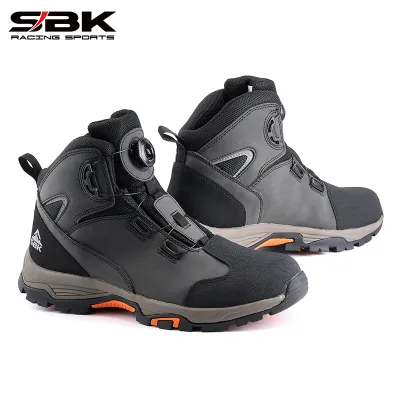
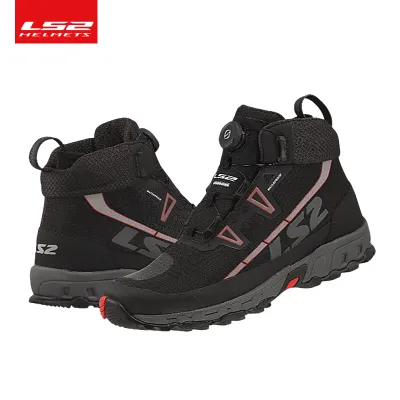
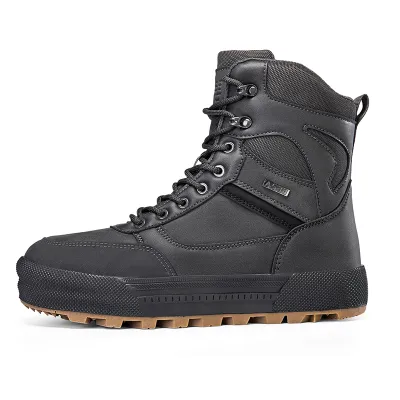
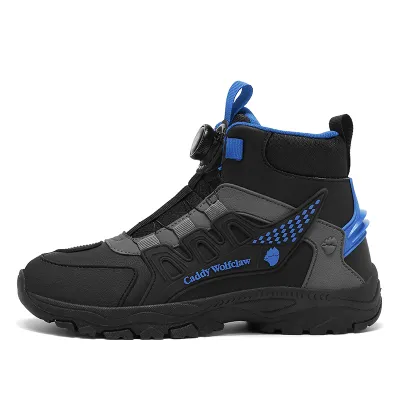
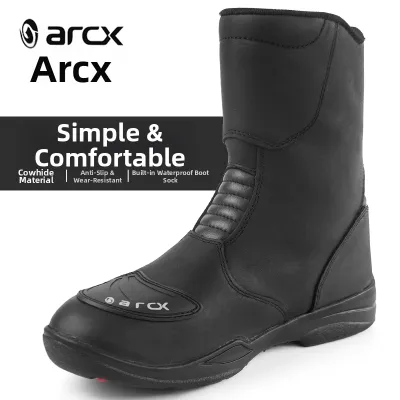
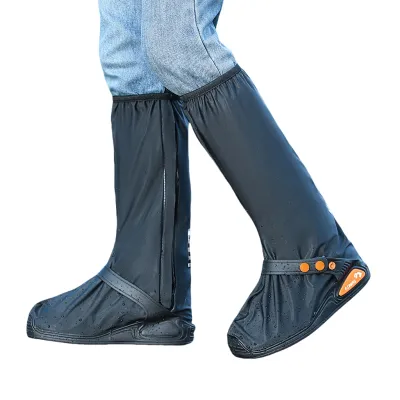
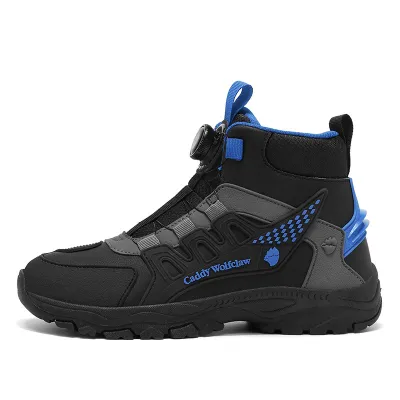
Prices are valid at publication and may change. Please refer to the product page for the latest price.
Weather and environmental conditions also dictate your choice. In tropical climates like the Philippines, riders frequently encounter sudden afternoon monsoons, localized street flooding, and intense humidity. A boot must not only keep external water out during a heavy downpour but also allow internal moisture and sweat to escape. Evaluating how often you ride in torrential rain versus light showers will help you determine the level of waterproofing and breathability your boots require.
Key Differences Between Commuting and Touring Boots
Understanding the design philosophies behind these two categories is essential for making an informed purchase. Manufacturers construct commuting and touring boots to solve entirely different sets of problems, resulting in distinct structural profiles, materials, and closure systems.

Commuting Waterproof Riding Boots
Commuting waterproof riding boots, often styled as high-top sneakers or casual work boots, are designed to blend seamlessly into everyday life. They typically feature highly flexible soles, lightweight materials, and a lower shaft height that ends just above the ankle. This design allows for natural ankle movement, making them comfortable enough to wear during a walk through a shopping mall or while sitting at a desk.
To facilitate quick transitions, commuting boots often utilize convenient closure systems. These can include traditional laces paired with a secure side zipper, hook-and-loop straps, or quick-lace dial systems. These mechanisms allow you to slip the boots on and off in seconds when arriving at your destination.
However, this focus on convenience and casual styling comes with distinct trade-offs. Commuting boots offer significantly less protection than their touring counterparts. The lower shaft height leaves the shins and calves completely exposed to impacts and road debris. Additionally, the flexible soles and softer ankle areas provide minimal resistance against lateral crushing or severe twisting forces during a fall.
Touring Waterproof Riding Boots
Touring waterproof riding boots are engineered for maximum protection and endurance over long distances. They feature a tall construction that extends mid-calf or higher, providing comprehensive coverage for the shin, calf, and ankle. The chassis of a touring boot is highly rigid, utilizing thick leather, heavy-duty synthetic microfibers, and integrated plastic or TPU (thermoplastic polyurethane) armor plates.
These boots are designed to keep you comfortable during hours of continuous riding. They feature reinforced shift pads to prevent wear from repeated gear changes, stiff soles that distribute pressure evenly across the footpegs to reduce arch fatigue, and advanced multi-layer waterproof membranes. These membranes are designed to withstand sustained wind-driven rain at highway speeds without leaking.
The primary trade-off of touring boots is their rigidity and bulk. The stiff sole and reinforced ankle support make extended walking difficult and awkward, often resulting in a stiff, robotic gait. They also take longer to put on and secure, typically relying on heavy-duty buckles, large hook-and-loop panels, and internal speed-lacing systems designed to keep the boot firmly anchored to your foot in a high-speed slide.
Comparing Core Features and Specifications
When comparing specific models on online marketplaces or in physical gear shops, a structured checklist can help you cut through marketing claims and evaluate the actual protective and functional value of each boot.
| Feature | Commuting Riding Boots | Touring Riding Boots |
|---|---|---|
| Shaft Height | Low-cut (just above ankle) | Tall (mid-calf to shin) |
| Sole Rigidity | Flexible (high walkability) | Stiff (high footpeg support) |
| Ankle Protection | Soft inserts / minimal reinforcement | Rigid cups / lateral bracing |
| Shin Protection | None to minimal | Heavy-duty TPU plates |
| Closure System | Laces, side zippers, quick-dials | Buckles, large hook-and-loop flaps |
| Primary Use | Short urban trips, daily wear | Long-distance highway travel |
To evaluate the waterproofing capabilities of a boot, look closely at the product packaging and technical specifications. High-quality waterproof riding boots utilize specialized breathable membranes. These membranes feature microscopic pores that are small enough to block liquid water droplets from entering but large enough to allow water vapor (sweat) to escape. In hot and humid tropical conditions, a non-breathable waterproof boot will quickly turn into a portable sauna, leading to soaked socks from sweat rather than rain.
You can visually verify the build quality and protective elements of a boot without relying on brand advertisements. Inspect the stitching in high-stress areas; look for double or triple stitching and recessed seams that are protected from direct abrasion. Feel the ankle area to confirm the presence of hard, contoured impact protectors rather than simple foam padding. Squeeze the sole of the boot from side to side; a safe riding boot should resist lateral compression to protect your foot from being crushed under the weight of a fallen motorcycle.
How to Verify Fit, Waterproofing, and Safety Labels
Before finalizing your purchase, it is crucial to perform several practical checks to ensure the boots meet international safety standards, fit your feet correctly, and offer genuine protection against water ingress.
First, locate and interpret the official safety certification label. Genuine protective motorcycle footwear should carry a CE certification label, typically found on the inside of the tongue or on the inner lining. This label features a motorcycle rider icon and references the EN 13634 standard. Below the icon, you will find a row of four numbers (for example, 2 2 2 2). These numbers represent the performance levels (Level 1 or Level 2, with 2 being the highest) for four critical tests: boot height, abrasion resistance, impact cut resistance, and transverse rigidity. Verifying these numbers ensures you are buying tested safety gear rather than fashion boots.
Next, test the fit of the boots using the exact socks you plan to wear while riding. Put on both boots, fasten them completely, and sit on a chair or a stationary motorcycle to mimic your riding position. Ensure your toes have enough room to wiggle and do not press against the front of the boot when you flex your ankles. Walk around the shop to check for any pinching, rubbing, or heel slippage. Verify that the boot’s profile allows you to easily slip your toe under your motorcycle’s gear shifter and comfortably reach the rear brake pedal.
Finally, perform a visual inspection of the boot’s water-barrier construction. Unzip or unlace the boot and check for a full-height waterproof gusset—this is the web of material connecting the tongue or opening to the main body of the boot. If this gusset only extends halfway up the boot, water will leak in as soon as you step into a puddle deeper than the gusset’s height. Additionally, look for sealed or taped seams along the outer shell and check if the zippers feature “zipper garages” or protective storm flaps to prevent wind-driven water from forcing its way through the zipper teeth.
Making the Final Decision: Which Boot Suits You?
To make your final decision, synthesize your riding habits, environmental conditions, and comfort preferences into a clear decision framework.
Choose Commuting Boots if:
- Your daily ride consists of short urban trips, stop-and-go city traffic, and low-speed commuting.
- You need to walk extensively or stand for long periods throughout the day without changing your footwear.
- You prefer a casual, low-profile look that blends in with normal office or casual attire.
- You prioritize quick on-off convenience for multiple short stops.
Choose Touring Boots if:
- You regularly embark on long-distance trips, highway cruising, or multi-day tours.
- You ride at higher speeds where the risk of high-impact slides and road debris is significantly elevated.
- You frequently ride through prolonged, heavy rainstorms and need maximum, sustained water protection.
- You prioritize maximum ankle stability, shin protection, and sole support over off-bike walkability.
Verify First if:
- You have a mixed-use riding style. If you commute daily but also take long weekend highway trips, look for hybrid adventure-touring boots or mid-cut touring boots. These models offer a compromise, featuring moderate shin protection and stiffer soles than commuting shoes, while remaining slightly more flexible and walkable than full-height touring boots. Always verify the specific flexibility and protection ratings of these hybrid models before purchasing to ensure they meet your safety baseline.
Frequently Asked Questions (FAQ)
How do I maintain the waterproofing of my riding boots over time?
To maintain the performance of your waterproof riding boots, you must clean them regularly according to the manufacturer’s instructions. Dirt, mud, and road salt can clog the breathable pores of the waterproof membrane or abrade the outer material. Clean the exterior using a soft brush, mild soap, and clean water; never use harsh household detergents, solvents, or high-pressure washers, as these can permanently damage the internal membrane and strip protective coatings. After cleaning, allow the boots to air dry naturally in a well-ventilated area away from direct heat sources like radiators or direct tropical sunlight, which can crack leather and degrade adhesives. Finally, check the manufacturer’s label or documentation to identify compatible aftermarket waterproofing sprays or waxes, and apply them only as authorized to restore the outer material’s water-repellent properties.
Can I use touring boots for daily city commuting?
While you can technically wear touring boots for daily city commuting, doing so involves several practical compromises. In stop-and-go urban traffic, the rigid soles and stiff ankle support of touring boots can make frequent stops and gear changes feel clumsy and fatiguing. Additionally, the tall, heavily insulated construction of touring boots traps significant body heat, which can lead to uncomfortable, sweaty feet in hot and humid tropical climates. The extra time and effort required to fasten multiple buckles or heavy-duty straps can also become a daily annoyance compared to the quick convenience of commuting shoes. If you choose to commute in touring boots, consider keeping a spare pair of casual shoes at your destination to change into immediately upon arrival.
Community discussion
Share your experience or ask a question. Comments are reviewed before publication.