
Choosing a reliable disc brake plate (commonly referred to as a brake rotor) in the Philippines requires balancing local driving conditions—such as intense tropical heat, sudden monsoon downpours, and punishing stop-and-go traffic—with strict adherence to your vehicle’s original specifications. While many brands compete for your attention in the local automotive aftermarket, selecting the right option is not merely about finding the most popular name. It involves verifying exact physical compatibility, understanding material quality, and matching the component’s design to your specific driving habits and vehicle load.
Braking systems operate on the principle of friction, converting kinetic energy into thermal energy. This process subjects the disc brake plate to extreme temperatures and mechanical stress. In a climate characterized by high humidity and frequent water crossings during the rainy season, choosing a high-quality component is essential to prevent issues like thermal warping, premature wear, and rust-induced degradation. By focusing on objective engineering standards rather than marketing claims, you can ensure your vehicle remains safe and controllable under all driving conditions.
Safety First: Verifying Compatibility Before Comparing Brands
Before evaluating any brand’s catalog, you must establish the exact physical specifications required for your vehicle. Brakes are a critical safety system, and even minor discrepancies in replacement parts can lead to catastrophic failure or severely compromised stopping power. Never assume compatibility based solely on a broad vehicle model name or year, as manufacturers often change brake specifications across different trim levels, engine options, or regional packages.
Products mentioned in this guide
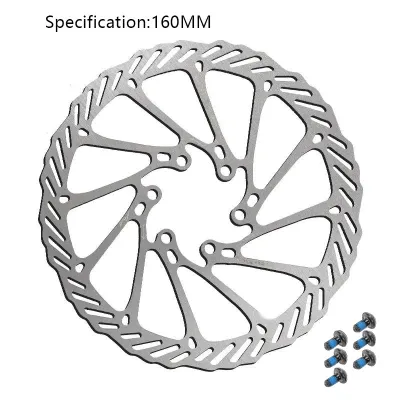
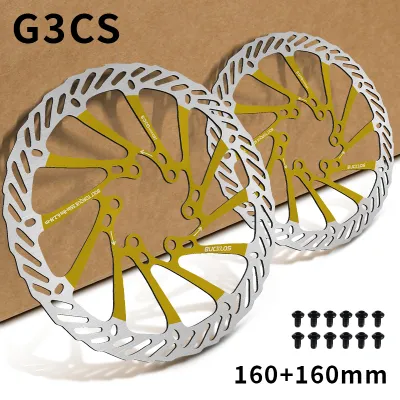
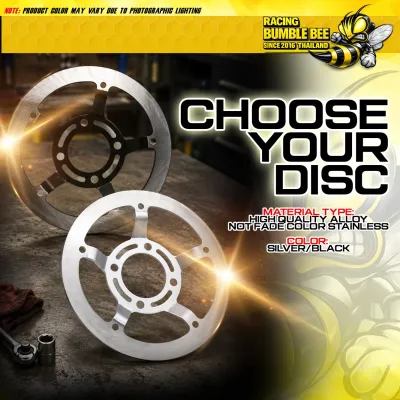
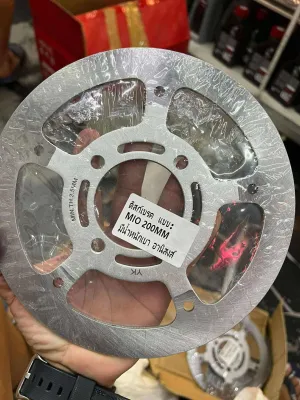
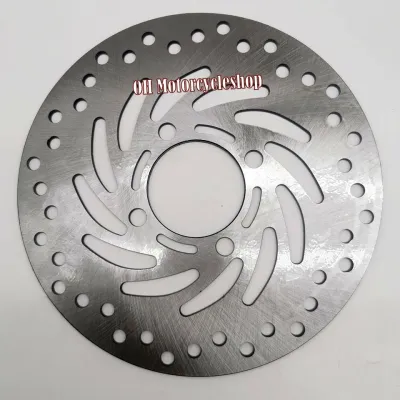
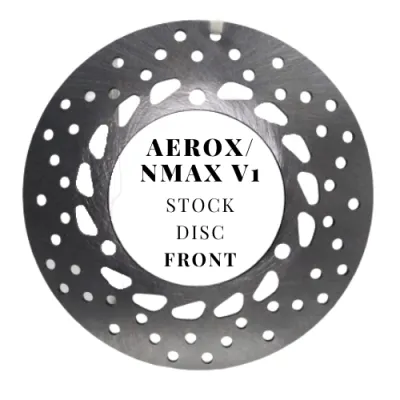
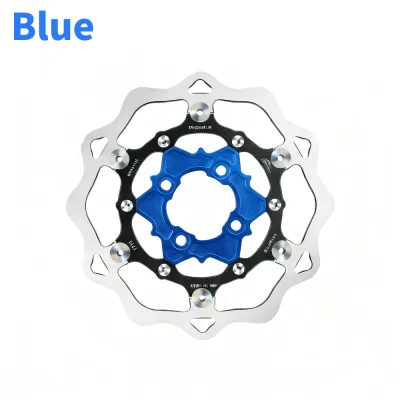
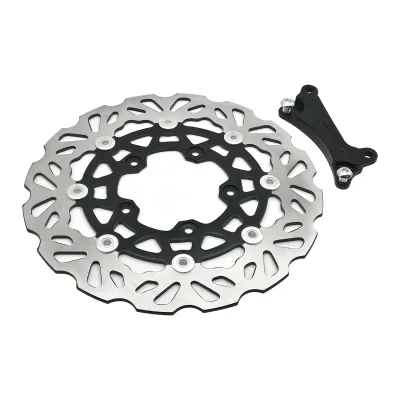
Prices are valid at publication and may change. Please refer to the product page for the latest price.
To ensure an exact fit, consult your vehicle’s owner’s manual or inspect the part numbers stamped on your existing disc brake plates. You must verify several critical dimensions, including the outer diameter, nominal thickness, minimum discard thickness, bolt circle diameter (BCD), and the number of bolt holes. Installing a rotor with an incorrect diameter can prevent the brake caliper from mounting properly, while an incorrect bolt pattern will make installation impossible.
Because any modification to your braking system directly affects vehicle control, always refer to your original-vehicle instructions before purchasing or installing new parts. If your vehicle has aftermarket wheels, modified suspension, or upgraded calipers, standard replacement catalogs may no longer apply. In such cases, or if you are uncertain about any specification, consult a qualified mechanic to verify compatibility and ensure the replacement parts meet all road-legality and safety standards.
Core Dimensions for Evaluating Disc Brake Plate Quality
When comparing different brands, you should look past promotional slogans and focus on the objective engineering characteristics of the products. The first key dimension is metallurgy and material composition. Most standard disc brake plates are manufactured from grey cast iron, which offers an excellent balance of wear resistance and thermal dampening. Premium options often incorporate high-carbon alloys, which improve thermal conductivity and help prevent cracking or warping under extreme heat.

The second dimension is the internal ventilation and vane design. In the tropical climate of the Philippines, where ambient temperatures regularly exceed 30 degrees Celsius, heat dissipation is a major challenge. Vented rotors feature internal vanes that act as a centrifugal pump, drawing cool air through the center of the disc to lower operating temperatures. Look for brands that offer advanced vane designs, such as curved or pillar-vented structures, which provide more surface area for cooling compared to traditional straight-vane designs.
Finally, perform a thorough visible quality check on the physical product. High-quality disc brake plates feature precise, uniform machining with a cross-grind pattern on the friction surfaces, which helps the new brake pads bed in quickly and quietly. Additionally, look for protective coatings; premium brands often apply specialized zinc plating or rust-preventive coatings to the non-friction surfaces, such as the hat and outer edges. This coating is highly beneficial in coastal areas or regions prone to flooding, as it prevents rust from compromising the structural integrity of the rotor.
Navigating Brand Categories in the Local Market
The local automotive market offers a wide array of choices, which can generally be categorized into three distinct tiers. Understanding these tiers helps you set realistic expectations regarding performance, longevity, and cost.
The first tier consists of Original Equipment Manufacturer (OEM) and Original Equipment Supplier (OES) brands. These are the exact parts installed on your vehicle at the factory, or components produced by the same manufacturers to identical specifications. OEM parts offer verified reliability and guaranteed compatibility, making them the safest choice for drivers who want to maintain their vehicle’s original braking characteristics without any guesswork.
The second tier comprises premium aftermarket brands. These manufacturers design replacement parts that often aim to exceed original specifications by introducing specialized features. You will find options with advanced metallurgy, proprietary anti-rust coatings, or performance-oriented surface designs like slotting or drilling. These brands are highly suitable for drivers who demand more from their brakes, such as those who frequently carry heavy loads, tow trailers, or drive in mountainous terrain.
The third tier includes value-tier aftermarket options. These budget-friendly brands focus on providing basic compliance with safety standards at a lower price point. They typically use standard grey cast iron and basic rust-prevention methods. While they are entirely suitable for standard daily commuting and light city driving, they may not offer the same level of thermal resistance or longevity as premium or OEM options under demanding conditions.
Price vs. Value: Assessing the True Cost of Braking
When shopping for disc brake plates, it is crucial to balance the upfront purchase price with the long-term value and safety of the component. In the local market, prices vary significantly based on the vehicle type and the brand tier. A standard value-tier rotor for a compact sedan might cost between ₱1,500 and ₱3,000 per piece, whereas premium aftermarket or OEM options for larger SUVs or utility vehicles can range from ₱4,000 to well over ₱10,000 per piece.
However, the purchase price of the disc brake plate is only one part of the overall cost. To ensure safety and proper performance, you must always install new brake pads whenever you replace your rotors. Reusing old, unevenly worn brake pads on a brand-new disc brake plate will prevent proper contact, accelerate wear, and potentially warp the new rotor. You must also factor in the cost of professional installation, replacement hardware such as caliper clips and pins, and high-quality brake fluid.
Be highly cautious of unusually low-priced components found on online marketplaces or from unauthorized physical retailers. Substandard metallurgy, poor casting quality, or counterfeit parts can fail catastrophically under the thermal stress of emergency braking. Investing in a reputable, verified brand ensures that the metal has been properly heat-treated and machined, protecting you from the severe safety risks associated with cheap, unverified components.
Decision Framework: Matching Brand Tiers to Your Driving Profile
To select the most appropriate disc brake plate brand, analyze your typical driving environment, vehicle load, and budget. This conditional framework will help you match the right brand tier to your specific driving profile.
If your daily routine consists primarily of city commuting within urban centers like Metro Manila, Metro Cebu, or Davao, where speeds are relatively low and stop-and-go traffic is constant, OEM or high-quality value-tier options are highly suitable. These components provide quiet, reliable, and predictable stopping power without the added cost of specialized performance features. They are designed to handle standard operating temperatures and offer a comfortable pedal feel for daily driving.
If you frequently drive in demanding conditions—such as traversing steep mountain passes like the Kennon Road, carrying heavy cargo in a utility vehicle, or operating in areas prone to deep flooding—prioritize premium aftermarket brands. The advanced cooling designs and high-carbon metallurgy of premium rotors help prevent brake fade, which occurs when extreme heat reduces the friction between the pads and the rotor. These robust components ensure consistent braking performance when descending long slopes or carrying maximum payloads.
Always verify if your vehicle is used for commercial purposes, such as a delivery van or a ride-sharing vehicle. Commercial vehicles experience much higher wear rates and thermal stress due to continuous operation. For these applications, choosing OEM or heavy-duty premium aftermarket options is highly recommended to minimize vehicle downtime and ensure passenger safety.
Installation and Post-Purchase Care
Even the highest-quality disc brake plate from a reputable brand will fail to perform safely if it is installed incorrectly or poorly maintained. Always require professional installation by a qualified technician who has the proper tools and training. During installation, the technician must thoroughly clean the wheel hub surface using a wire brush and brake cleaner to remove any rust or debris. Any contamination on the hub can cause lateral runout, leading to steering wheel vibration and uneven rotor wear over time.
Ensure the installer uses a calibrated torque wrench to tighten the wheel lug nuts and caliper mounting bolts to the manufacturer’s exact torque specifications. Over-tightening or uneven tightening of the lug nuts is a primary cause of rotor warping, as it distorts the disc brake plate under thermal expansion.
After installation, you must follow the manufacturer’s recommended bedding-in (or burnishing) procedure. This process typically involves making a series of controlled, gradual stops from moderate speeds without coming to a complete halt, allowing the rotors and pads to heat up gradually. This transfers a thin, uniform layer of friction material from the brake pads onto the rotor surface, ensuring smooth operation, reducing noise, and maximizing the lifespan of both components. Avoid sudden, aggressive braking during the first few hundred kilometers of driving.
Finally, establish a routine inspection schedule. Visually check your disc brake plates through the wheel spokes for signs of deep scoring, cracks, uneven wear, or excessive rust accumulation. If you experience any steering wheel vibration, unusual squealing, or a spongy brake pedal, have your braking system inspected immediately by a professional.
Frequently Asked Questions (FAQ)
Can I mix different brands of brake pads and disc brake plates?
Yes, you can physically pair brake pads from one brand with disc brake plates from another, provided both components are designed for your exact vehicle model and year. However, many manufacturers design their pads and rotors to work as a matched system to optimize friction levels, noise dampening, and wear rates. Mixing brands may occasionally result in increased brake squeal, slightly faster pad wear, or minor changes in pedal feel, though it does not inherently compromise safety if both parts are high-quality and correctly installed.
How do I identify counterfeit or substandard disc brake plates?
To avoid dangerous counterfeit parts, always purchase your brake components from authorized dealers or reputable physical auto supply shops. Inspect the packaging carefully; genuine products feature high-quality printing, clear security holograms, and unique serial numbers or QR codes that you can verify on the manufacturer’s official website. On the physical rotor, check for clean, precise machining, and verify that the brand name, part number, and minimum thickness are clearly stamped or engraved on the edge of the disc. Substandard or fake rotors often have rough, uneven surfaces, missing markings, and may feel suspiciously light due to low-density metal casting.
Community discussion
Share your experience or ask a question. Comments are reviewed before publication.