
A reliable hybrid wiper blade combines the robust, multi-point pressure distribution of a traditional bracketed frame with the sleek, aerodynamic, weather-shielding shell of a beam blade. Unlike standard options, this hybrid design is engineered to maintain consistent contact across the varying curvatures of modern windshields while protecting the internal tension springs from external elements. Choosing the most reliable brand does not come down to a single, universal winner; rather, it depends on how well a specific blade’s design aligns with your vehicle’s windshield curvature, your local driving environment, and your wiper arm’s mounting interface.
In tropical regions like the Philippines, where vehicles face a demanding cycle of intense ultraviolet (UV) exposure, high humidity, and torrential monsoon rains, wiper performance is a critical safety factor. To find a reliable option, you must prioritize aerodynamic frame stability—which prevents the blades from lifting at highway speeds—and high-grade, UV-resistant rubber compounds that resist drying and cracking. Furthermore, a successful installation requires verifying exact compatibility with your vehicle’s specific wiper arm adapter and windshield profile, ensuring streak-free visibility when you need it most.
Evaluating Wiping Performance Across Hybrid Designs
The core mechanical advantage of a hybrid wiper blade lies in its articulated internal structure. Traditional beam blades rely on a single curved steel beam to distribute pressure, which can sometimes result in weak contact points at the extreme outer edges of highly curved windshields. In contrast, a hybrid blade utilizes a series of internal metallic links and pivots beneath its protective shell. This multi-point articulation allows the blade to flex and contour precisely to the unique shape of your glass, ensuring that downforce remains uniform from the driver’s side to the passenger’s side.
Products mentioned in this guide
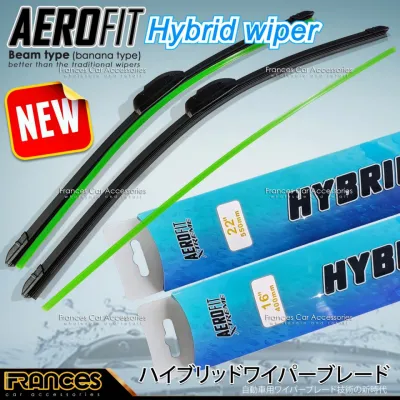
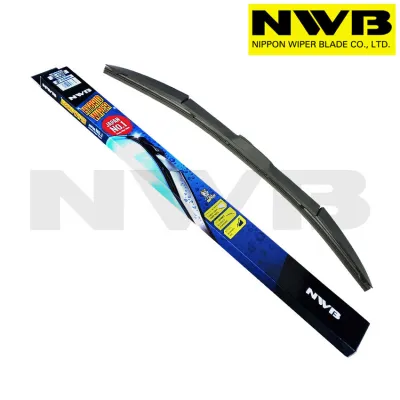
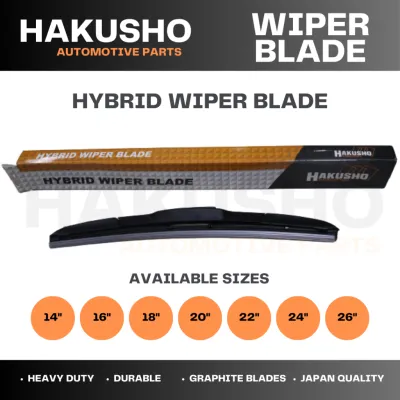
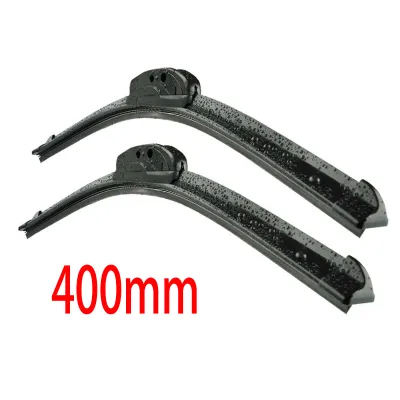
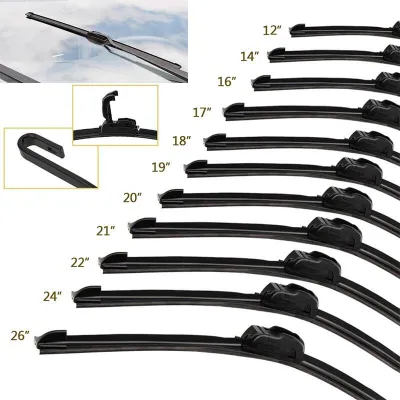
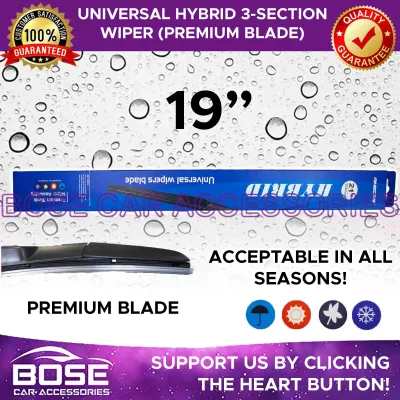
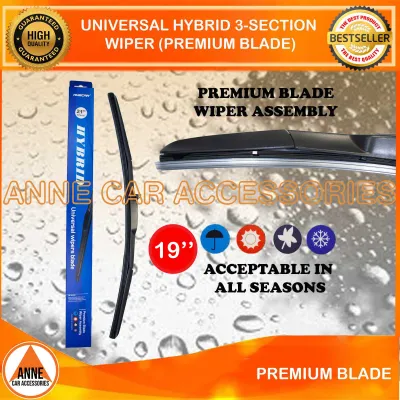
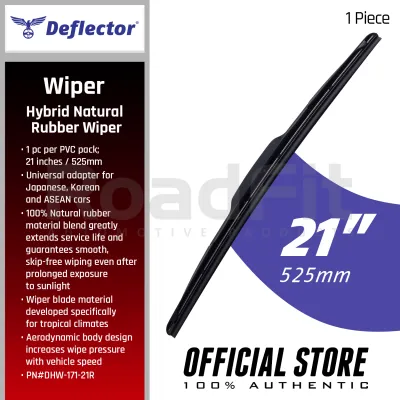
Prices are valid at publication and may change. Please refer to the product page for the latest price.
When comparing different hybrid designs, you should evaluate key performance indicators: streaking, skipping, chatter, and water bead removal. Streaking occurs when microscopic debris or surface damage on the rubber edge prevents clean contact, leaving thin lines of water behind. Skipping and chatter are characterized by the blade jumping or vibrating audibly across the glass, which is often caused by a hardened rubber element, incorrect wiper arm tension, or a high coefficient of friction. Effective water bead removal requires a perfectly sharp, square wiping edge that shears water away cleanly in a single pass, leaving a dry, clear path.
To observe and evaluate these performance factors in real-world conditions, pay close attention to how the blades behave during varying rainfall intensities. During heavy downpours, a high-quality hybrid blade should clear the glass instantly without leaving a hazy film that distorts oncoming headlights. At highway speeds, look for signs of aerodynamic lift, such as a sudden loss of wiping efficiency or a fluttering sound from the wiper arms. If the blade lifts even slightly, the wind pressure overrides the wiper arm’s spring tension, leaving large patches of uncleared water on the windshield.
It is important to recognize that even a premium, highly-rated hybrid wiper blade can deliver poor performance if it is not perfectly matched to your vehicle’s windshield curvature. Windshield designs vary significantly between vehicle makes, models, and production years; some feature steep, aggressive curves near the A-pillars, while others are relatively flat. Before purchasing any replacement, you must verify the manufacturer’s specified compatibility list for your exact vehicle model and year. Standard sizing charts are helpful, but they do not guarantee that the internal spring tension of the blade will match the contour of your specific glass.
Frame Durability: Aerodynamics and Build Quality
The structural longevity of a hybrid wiper blade is largely determined by the materials used in its internal frame and external casing. Premium hybrid blades typically feature sub-frames constructed from high-tensile, powder-coated steel or reinforced composite polymers. Coated steel provides excellent rigidity and structural memory, but if the protective coating is chipped by road debris, the underlying metal becomes vulnerable to rust and corrosion. Reinforced polymers, on the other hand, are completely immune to rust, though they must be engineered to resist the structural fatigue caused by constant flexing and high-velocity wind resistance.

The external plastic shell, or aerodynamic spoiler, plays a dual role in both performance and durability. Beyond channeling airflow to generate downward force, this casing acts as a protective shield for the internal hinges and pivot points. By enclosing these critical mechanical joints, the shell prevents road dust, mud, salt spray, and moisture from clogging the articulation points. In open-frame conventional blades, debris accumulation can cause the hinges to bind or seize, leading to uneven pressure distribution and missed spots on the glass. A well-designed hybrid shell keeps these joints clean and free-moving over years of exposure.
Hinge flexibility is the foundation of consistent wiping quality over time. If the internal hinges become stiff due to corrosion or packed dirt, the blade can no longer adapt to the changing curvature of the windshield as it sweeps across the glass. Conversely, if the hinges wear out and develop excessive play, the blade may twist or tilt during its cycle, causing the rubber element to drag at an incorrect angle. This twisting not only causes severe chatter and noise but also accelerates the wear on the rubber wiping edge, leading to premature failure.
Before purchasing a hybrid blade, or during your regular vehicle maintenance, you can perform a quick physical inspection to assess the frame’s build quality.
- Check joint play: Gently wiggle the blade at its pivot points; there should be minimal lateral movement or looseness.
- Inspect the shell: Look closely at the outer plastic casing for any signs of stress whitening, hairline cracks, or warping caused by heat exposure.
- Verify spoiler security: Ensure that the aerodynamic shell sections are securely clipped together and do not slide or rattle along the metal spine.
- Test articulation: Gently flex the blade by hand to confirm that all internal joints move smoothly and return to their original curved shape without binding.
Rubber Element Quality and Longevity in Tropical Climates
While the frame provides the necessary structure and pressure, the rubber element is the component that actually interfaces with your windshield. Manufacturers use various rubber formulations and surface treatments to optimize performance. Natural rubber is highly valued for its exceptional flexibility and low-temperature resilience, providing a very quiet and smooth wipe initially. However, natural rubber is highly susceptible to environmental degradation. To combat this, many premium hybrid blades utilize synthetic rubber compounds, such as Ethylene Propylene Diene Monomer (EPDM), or synthetic-natural blends that offer superior resistance to heat and chemical weathering.
In tropical climates like the Philippines, the combination of intense UV radiation, high ambient temperatures, and persistent humidity creates a punishing environment for wiper rubber. When a vehicle is parked outdoors under direct sunlight, the windshield can act as a heat sink, reaching temperatures well over 60°C. This extreme heat, coupled with UV exposure, accelerates the chemical aging of the rubber, leading to hardening, loss of flexibility, and micro-tearing along the delicate wiping edge. Once the rubber hardens, it can no longer flex to reverse its angle at the end of each sweep, resulting in loud chatter and incomplete water clearing.
To maintain safe driving visibility, you should regularly inspect the condition of the rubber wiping element. Run your finger gently along the length of the rubber lip to feel for any hardening, roughness, or loss of elasticity. Visually inspect the edge for micro-tears, rounding of the sharp wiping lip, or permanent deformation where the rubber remains bent to one side. Any of these physical changes will prevent the blade from cleanly shearing water off the glass, causing immediate streaking.
When comparing products, keep in mind that initial performance can be deceptive. Many budget-friendly hybrid blades feature a thin surface coating of graphite or Teflon (PTFE) applied over low-grade natural rubber. While these coatings provide a quiet, smooth wipe when the blades are brand new, they quickly wear off after a few weeks of heavy rain or repeated windshield washing. Once the coating is gone, the inferior base rubber is exposed to the elements and degrades rapidly. For long-term durability, always prioritize blades that specify high-grade base materials like EPDM and carry verified claims of UV and ozone resistance on their packaging.
How to Choose the Most Reliable Hybrid Wiper Blade for Your Vehicle
Selecting the right hybrid wiper blade requires balancing your driving habits, local environmental conditions, and vehicle specifications. To simplify your decision, you can use a condition-based framework tailored to your specific driving scenarios:
- Choose blades with heavy-duty, integrated spoilers if you frequently drive on highways or expressways. The aerodynamic design uses high-speed airflow to press the blade firmly against the glass, eliminating wind lift and ensuring consistent clearing at speeds above 80 km/h.
- Choose blades with advanced UV-resistant synthetic rubber (such as EPDM) if your vehicle is regularly parked in open, unsheltered areas under intense tropical sunlight. These compounds resist drying, cracking, and hardening far longer than standard natural rubber.
- Choose blades with fully enclosed hinge designs if your daily commute involves dusty gravel roads, rural paths, or construction zones. The sealed casing prevents fine dust, mud, and grit from entering the pivot points, preserving the blade's flexibility.
When you are ready to purchase, do not rely solely on generic vehicle compatibility databases, as these can occasionally contain errors. Instead, manually measure the exact length of both your driver-side and passenger-side wiper blades. On most modern vehicles, these two blades are of different lengths to maximize the cleared area on the windshield; installing incorrect sizes can cause the blades to collide during operation or leave large uncleared blind spots. Additionally, inspect your vehicle’s wiper arms to identify the specific adapter interface required. While many older and Asian-manufactured vehicles use a standard J-hook connector, newer models often feature specialized designs such as side pins, push buttons, pinch tabs, or bayonet mounts.
Before finalizing your selection, consult your vehicle’s owner’s manual or the wiper manufacturer’s official, model-specific fitment guide to verify compatibility. This step is crucial for maintaining safe operation and avoiding damage to your wiper motor or windshield. When installing the new blades, follow the manufacturer’s instructions carefully. If you encounter resistance or if the adapter does not click securely into place, do not force the connection. Forcing an incompatible adapter can damage the wiper arm or cause the blade to detach at high speeds, which poses a severe safety hazard to you and other motorists. If you are unsure about the installation process, seek assistance from a qualified automotive technician.
In terms of budgeting, hybrid wiper blades generally fall into broad price tiers in the local market. Standard entry-level hybrid options typically range from ₱300 to ₱600 per pair, offering decent initial performance but often relying on lower-grade rubber that may require replacement within a single rainy season. Premium hybrid blades, which feature advanced synthetic rubber compounds, robust aerodynamic shells, and multi-fit adapter kits, generally range from ₱1,000 to over ₱2,500 per pair. While the initial investment is higher, these premium options deliver significantly longer service life and more consistent performance under harsh tropical conditions.
Frequently Asked Questions (FAQ)
How often should hybrid wiper blades be replaced?
The lifespan of a hybrid wiper blade depends heavily on your driving frequency, environmental exposure, and how well you maintain the windshield glass. Rather than following a strict calendar schedule, you should replace your blades based on observable performance changes and physical wear. Common indicators that it is time for a replacement include persistent streaking, skipping, loud chattering, or visible splitting along the rubber edge. In harsh tropical climates with intense UV exposure and heavy seasonal monsoons, even high-quality hybrid blades may need to be replaced every 6 to 12 months to maintain optimal driving safety and visibility.
Can I replace just the rubber refill instead of the entire hybrid blade?
While some hybrid wiper blades are designed to accept rubber refills, doing so requires finding a replacement strip that matches the exact width, length, and locking profile of the original blade’s channel. Utilizing an incompatible or poorly fitted refill can cause the rubber to slide out of the frame during operation, which can severely scratch your windshield or cause the blade to fail entirely at high speeds. Furthermore, if the blade’s outer plastic shell is cracked or if the internal metal hinges have become loose, stiff, or corroded, installing a new rubber refill will not restore proper wiping performance. In these cases, a complete blade replacement is highly recommended to ensure structural integrity and safety.
Community discussion
Share your experience or ask a question. Comments are reviewed before publication.