
Quick Answer: Which Brake Shoe Brands Offer the Best Performance?
Selecting the right motorcycle brake shoe in the Philippines requires balancing stopping power, durability, and the specific demands of your daily commute. For standard daily commuting on stock motorcycles, Original Equipment Manufacturer (OEM) brake shoes from major brands like Honda, Yamaha, Suzuki, or Kawasaki provide the most reliable, predictable stopping power and a guaranteed factory fit.
For riders who face more demanding conditions—such as navigating the steep, winding roads of the Cordillera region, carrying heavy cargo on utility tricycles, or dealing with the constant stop-and-go traffic of Metro Manila—premium aftermarket brands like Bendix or Elig offer upgraded friction compounds. These premium options provide superior heat dissipation, reduced brake fade, and longer service life under heavy loads.
Budget-friendly or regional aftermarket brands are highly cost-effective and suitable for light-duty, low-speed commuting on flat terrain. However, they generally require more frequent inspections and may wear down faster under harsh weather conditions. Before choosing any brand, the absolute first step is to verify compatibility with your specific motorcycle model, production year, and drum dimensions, as drum brake specifications can vary even within the same model family.
Products mentioned in this guide
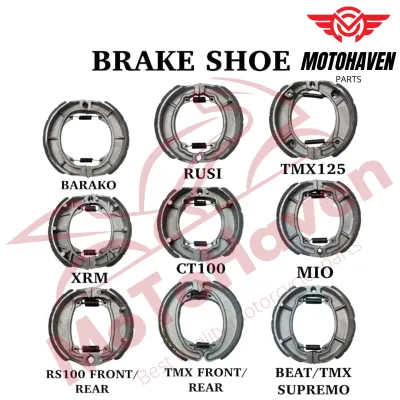
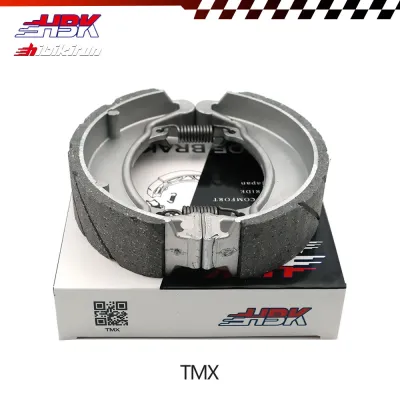
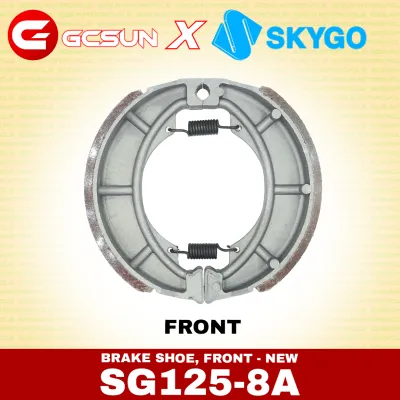
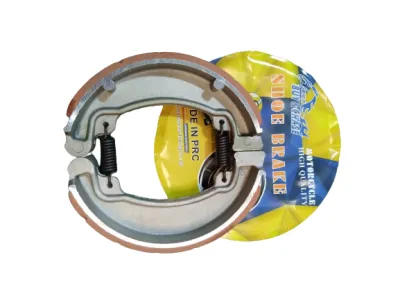
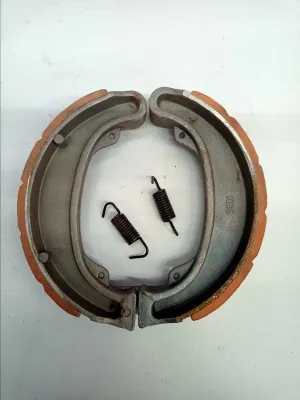
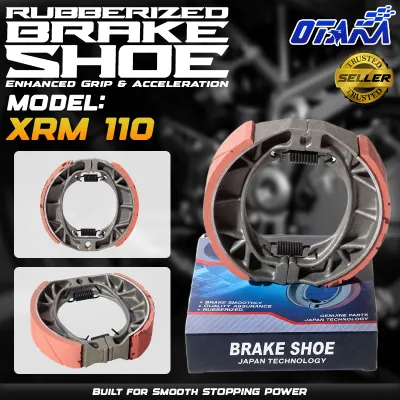
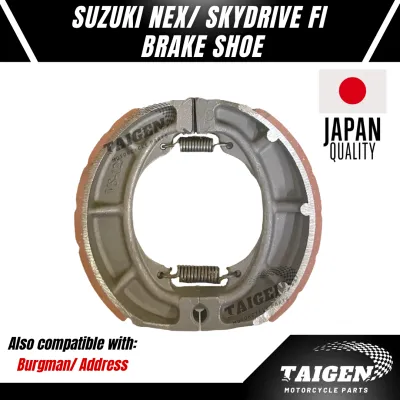
Prices are valid at publication and may change. Please refer to the product page for the latest price.
Key Factors That Define Stopping Power and Longevity
Friction Compounds and Material Characteristics
The friction material bonded to the brake shoe is the primary determinant of how quickly your motorcycle stops and how long the shoes will last. In the tropical and highly humid climate of the Philippines, choosing the right compound is crucial.

Organic friction compounds are made from a mixture of fibers, rubbers, and high-temperature resins. These shoes are generally softer, which translates to a quiet operation and a smooth, progressive braking feel at the lever or pedal. They are highly responsive at lower speeds and do not require warm-up time. However, organic materials tend to wear down more rapidly, particularly when exposed to the abrasive road grit, mud, and water common during the monsoon season.
Semi-metallic compounds incorporate metallic fibers, such as steel wool, iron, or copper, into the friction mix. This addition significantly improves heat transfer and structural strength, giving the brakes a much stronger initial bite and better resistance to wear. Semi-metallic brake shoes perform exceptionally well under heavy loads and high-stress situations. The trade-off is that they can be noisier, generate more brake dust, and cause slightly accelerated wear on the inner surface of the brake drum over time.
Ceramic or sintered compounds represent the high-performance tier of friction materials. Sintered shoes are created by fusing metallic particles together under intense heat and pressure, while ceramic options utilize advanced ceramic fibers and non-ferrous materials. These compounds offer extreme durability and outstanding resistance to thermal degradation. They are typically reserved for high-end applications, heavy-duty utility vehicles, or riders who demand consistent performance under extreme operating temperatures, though they require a compatible, high-quality drum to prevent premature drum wear.
Thermal Management and Brake Fade
Brake fade is a dangerous phenomenon where stopping power rapidly decreases during prolonged or heavy braking. This occurs when the heat generated by the friction between the brake shoe and the drum exceeds the thermal capacity of the friction material. In the Philippines, where ambient temperatures regularly exceed 35°C during the dry season, thermal management is a critical safety consideration.
When riding down long, steep descents—such as the scenic routes of Antipolo, the Marilaque Highway, or the mountainous passes of Benguet—continuous braking causes heat to build up rapidly inside the enclosed drum assembly. If the friction material cannot dissipate this heat, the binding resins can begin to outgas, creating a microscopic cushion of hot gas between the shoe and the drum. Premium brands design their compounds with advanced thermal stabilizers to prevent this outgassing, ensuring that the brakes maintain a strong, reliable bite even under continuous thermal stress.
Shoe Plate Construction and Structural Integrity
The backing plate of the brake shoe, typically made of high-pressure die-cast aluminum or steel, forms the structural foundation of the braking component. It must withstand immense mechanical force without flexing or warping when you apply the brakes in an emergency.
In high-humidity environments or coastal areas of the Philippines, corrosion resistance is a major factor in backing plate durability. If moisture penetrates the interface between the metal plate and the friction lining, it can cause rust to form underneath. This phenomenon, known as rust jacking, can weaken the bond and eventually lead to the friction material delaminating or peeling away from the metal backing plate. Reliable manufacturers use high-grade alloys and advanced bonding adhesives or rivets to guarantee that the friction material remains permanently secured to the plate throughout its entire service life.
Return Springs and Hardware Quality
A drum brake system relies on heavy-duty return springs to pull the brake shoes away from the drum surface once you release the brake lever or pedal. If these springs are weak, worn, or corroded, the shoes will fail to retract fully, leading to a condition known as brake drag.
Brake drag causes continuous, light contact between the friction material and the spinning drum, which generates excessive heat, accelerates wear, reduces fuel efficiency, and can glaze the shoe surface, ruining its stopping power. Reputable brake shoe brands often include premium-grade, high-tensile return springs and replacement hardware in the box, or strongly advise replacing these components during installation to ensure the entire system functions smoothly and retracts cleanly.
Comparing Brake Shoe Brand Categories: OEM, Premium, and Budget
Original Equipment Manufacturer (OEM) Options
Original Equipment Manufacturer (OEM) brake shoes, such as genuine parts from Honda, Yamaha, Suzuki, or Kawasaki, represent the gold standard for daily maintenance. These parts are engineered by the motorcycle manufacturers specifically for the exact weight, power, and drum specifications of your vehicle.
The primary benefit of choosing OEM parts is absolute predictability. You are guaranteed a perfect, drop-in fit without the need for modifications or filing down the backing plates. The friction coefficient of OEM shoes is carefully calibrated to match the stock drum material, providing a smooth, balanced braking feel that mirrors how the motorcycle performed when it first rolled off the showroom floor. For daily commuters navigating typical urban routes, OEM parts offer the safest, most reliable baseline for standard maintenance, with a highly predictable lifespan that makes scheduling routine servicing straightforward.
Premium Global Aftermarket Brands
Premium global aftermarket brands, such as Bendix and Elig, cater to riders who require enhanced performance, specialized characteristics, or greater durability than standard factory parts provide. These brands invest heavily in research and development to formulate proprietary friction materials.
For example, Bendix is highly regarded in the Philippine market for its advanced ceramic formulations, which are designed to deliver quiet operation, low dust, and exceptional resistance to brake fade in stop-and-go traffic. Elig is another popular choice, particularly among enthusiasts and commercial riders, offering high-durability ceramic and sintered options that excel under heavy loads and high operating temperatures. These premium brands are ideal for demanding applications, such as delivery riders who cover hundreds of kilometers daily, or utility tricycles carrying heavy passenger loads, where the initial higher cost is offset by the extended service life and superior safety margin.
Regional and Value-Oriented Brands
Regional and value-oriented brands, including widely distributed names like Takasago, Federal, and various local aftermarket options, occupy an important segment of the market. These brands focus on providing functional, highly affordable replacement parts for budget-conscious riders.
While these value-oriented options are entirely suitable for low-speed, light-duty commuting in flat urban areas, they may exhibit some trade-offs in extreme conditions. The friction material on budget shoes can wear down more quickly when subjected to heavy rain, mud, or steep descents, and the quality control on the bonding process may not be as stringent as that of premium or OEM brands. For older, low-value motorcycles or secondary household bikes used primarily for short trips to the local market, these brands offer an incredibly cost-effective solution, provided the rider performs regular inspections to monitor wear.
Category Comparison Matrix
To help visualize the differences between these brand tiers, the following table outlines the key performance, durability, and cost characteristics of each category:
| Brand Category | Typical Material Options | Expected Durability | Best Use Case | Relative Price Tier |
|---|---|---|---|---|
| OEM (Genuine) | Organic, Semi-Metallic | High / Predictable | Daily commuting, standard factory maintenance | Medium (₱₱) |
| Premium Aftermarket | Ceramic, Advanced Semi-Metallic, Sintered | Very High | Heavy loads, hilly terrains, commercial delivery | High (₱₱₱) |
| Budget / Regional | Standard Organic, Basic Semi-Metallic | Moderate | Low-speed city riding, older utility motorcycles | Low (₱) |
Decision Framework: Matching the Brand to Your Riding Needs
Selecting the ideal brake shoe brand is not about finding the most expensive option, but rather matching the material and design characteristics to your specific riding profile, motorcycle model, and typical routes.
- Choose OEM if: You ride a standard commuter motorcycle (such as a Honda TMX, Yamaha Mio, or Suzuki Smash) for daily travel, prefer a guaranteed factory fit without any installation hassle, and want to maintain the exact braking feel and predictable wear characteristics specified by the vehicle manufacturer.
- Choose Premium Aftermarket if: Your daily riding involves carrying heavy passenger loads or cargo, navigating steep and mountainous terrains (such as the highlands of Benguet or Rizal), or operating a commercial delivery motorcycle. The superior heat resistance and durability of premium ceramic or sintered compounds from brands like Bendix or Elig will prevent brake fade and provide a much larger safety margin.
- Choose Budget/Regional Brands if: You are restoring an older, low-value motorcycle, use the vehicle exclusively for low-speed, short-distance trips within flat residential areas, or require an immediate, highly cost-effective replacement to get back on the road while keeping maintenance expenses to an absolute minimum.
- Verify First if: Your motorcycle features any aftermarket modifications, such as non-standard wheel hubs, modified brake drums, or custom brake pedal linkages. In these scenarios, standard catalog listings may not apply. Always cross-reference your motorcycle's original parts manual, measure the inner diameter of your brake drum, and consult with a professional mechanic to ensure the replacement shoe matches the physical dimensions and mounting interface of your hub.
Safety First: Installation, Bedding-In, and Maintenance Checks
Pre-Installation Inspections
Replacing your brake shoes is a critical maintenance task that directly impacts your safety on the road. Before installing new shoes, it is vital to thoroughly inspect the inner surface of the brake drum. Over time, road grit, dust, and worn friction material can score the drum, creating deep grooves, hot spots, or an out-of-round wear pattern.
If you install brand-new brake shoes inside a damaged, glazed, or heavily worn drum, the new friction material will only make contact with the high spots of the drum surface. This drastically reduces the effective contact area, severely compromising your stopping power and causing the new shoes to wear out prematurely or unevenly, regardless of how premium the brand is. Clean the inside of the drum thoroughly using a dedicated brake cleaner, and inspect the surface for any visible damage or excessive wear.
Professional vs. DIY Installation Boundaries
While replacing motorcycle brake shoes is a common maintenance task that many riders choose to perform themselves, it requires a high level of precision and attention to detail. The braking system is your primary safety mechanism, and any errors during assembly can lead to catastrophic failure.
If you are unsure about how to properly tension the return springs, clean and lubricate the brake cam shaft, or adjust the mechanical linkage, you should have the installation performed by a qualified mechanic. When lubricating the brake cam, apply only a very small amount of high-temperature brake grease to the pivot points; any excess grease can easily migrate onto the friction material or the inner drum surface, completely ruining the brakes’ ability to stop the vehicle. Always refer to your motorcycle’s original service manual for specific torque specifications and assembly steps.
The Bedding-In Process
New brake shoes do not deliver their full stopping power immediately out of the box. They require a critical transition period known as bedding-in or burnishing, during which the microscopic high spots on the new friction material are gradually worn down to perfectly match the unique wear pattern and curvature of your brake drum.
For the first 100 to 200 kilometers after installing new brake shoes, avoid sudden, aggressive, or hard braking maneuvers whenever possible. Instead, practice gentle, progressive braking, applying moderate pressure early to slow the motorcycle down gradually. This controlled friction allows the heat to build up slowly and evenly, preventing the friction material from glazing—a condition where the surface of the shoe becomes hard, glassy, and smooth, permanently reducing its braking efficiency.
Post-Installation Adjustment and Maintenance
Once the new brake shoes are installed and the wheel is mounted back on the motorcycle, you must adjust the free play of the brake lever or foot pedal. Correct adjustment ensures that the brakes engage promptly when needed, while preventing the shoes from dragging against the drum when the lever is released.
Refer to your vehicle’s manual to find the recommended free play measurement (typically around 10 to 20 millimeters at the tip of the lever or pedal). If the adjustment is too tight, the brake shoes will constantly rub against the drum, generating extreme heat that can warp the drum, glaze the shoes, and significantly reduce your fuel economy. Regularly check this adjustment as the shoes wear down over time, and inspect the wear indicator pointer on the brake panel during routine maintenance to track the remaining lifespan of the friction material.
Frequently Asked Questions (FAQ)
How often should motorcycle brake shoes be replaced?
There is no fixed mileage or time limit for replacing motorcycle brake shoes, as their lifespan depends heavily on your riding style, the weight carried, and the environmental conditions. For instance, a delivery rider navigating flooded streets and stop-and-go city traffic will wear out their brakes much faster than a casual commuter riding on flat, dry provincial roads. Instead of relying on a set schedule, you should inspect the wear indicator pointer located on the external brake panel whenever you apply the brakes. If the pointer aligns with the wear limit mark on the panel, or if visual inspection reveals that the friction material has worn down to less than 2.0 millimeters (or the manufacturer’s specified limit), the shoes must be replaced immediately to prevent metal-on-metal contact and drum damage.
Can I mix different brake shoe brands on the front and rear wheels?
While it is mechanically possible to use different brake shoe brands or friction compounds on the front and rear wheels of your motorcycle, it is generally recommended to use consistent, high-quality brands on both ends. Different brands and material compounds have distinct friction coefficients, meaning they grab the drum with varying levels of force and respond differently to heat. Mixing mismatched brands can lead to unbalanced braking performance, where one wheel locks up much more easily than the other, potentially causing unpredictable handling or skidding during sudden stops. If you do choose to use different brands, ensure that both meet or exceed the original safety specifications of your motorcycle and that you thoroughly test the braking feel at low speeds in a safe environment.
Do I need to resurface the brake drum when installing new shoes?
Resurfacing or machining the brake drum is not mandatory for every brake shoe replacement, but it is highly recommended if the drum shows signs of uneven wear, deep scoring, or glazing. If the inner surface of the drum is smooth, clean, and within the manufacturer’s maximum allowable diameter, you can simply clean it with a dedicated brake cleaner and scuff the surface lightly with medium-grit sandpaper to remove minor glazing before installing the new shoes. However, if the drum has deep grooves, hot spots, or is slightly out of round, it must be machined by a professional or replaced entirely. Always measure the inner diameter of the drum using a caliper to ensure it has not exceeded the maximum wear limit stamped on the hub, as an oversized drum cannot safely dissipate heat or provide adequate stopping power.
Community discussion
Share your experience or ask a question. Comments are reviewed before publication.