
Nexx wiper blades position themselves as an accessible, budget-friendly option in the Philippine automotive aftermarket, offering various frame styles like conventional, hybrid, and frameless designs. When compared to established premium brands, the decision comes down to balancing immediate cost savings against long-term material durability under intense tropical heat and heavy monsoon downpours. To make an informed choice, vehicle owners must evaluate specific product specifications, adapter compatibility, and material compositions rather than relying on generic brand appeal.
Key Evaluation Criteria for Philippine Driving Conditions
The Philippine climate presents a unique set of challenges for automotive components, particularly those exposed directly to the elements. High ambient temperatures, intense ultraviolet (UV) radiation, and torrential rainfall during the monsoon season demand high resilience from wiper blades. When evaluating any wiper blade brand in this market, the primary consideration must be how well the blade material resists thermal degradation and UV cracking.
Wiper elements are generally manufactured from natural rubber, synthetic rubber compounds, or silicone. Natural rubber offers excellent flexibility and a quiet wipe when new, but it tends to degrade rapidly under the intense tropical sun, leading to hardening, cracking, and tearing. Silicone elements, while often requiring a higher initial investment, offer thermal stability and UV resistance, allowing them to maintain their pliability over a longer period. When shopping, vehicle owners should carefully inspect product packaging to identify the specific elastomer compound used.
Products mentioned in this guide
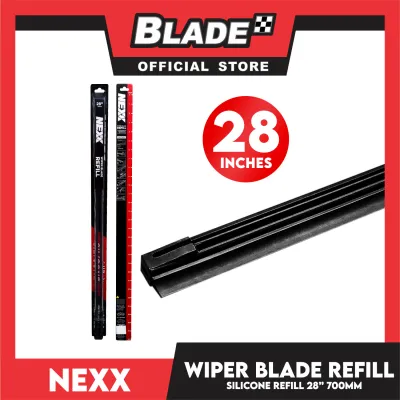
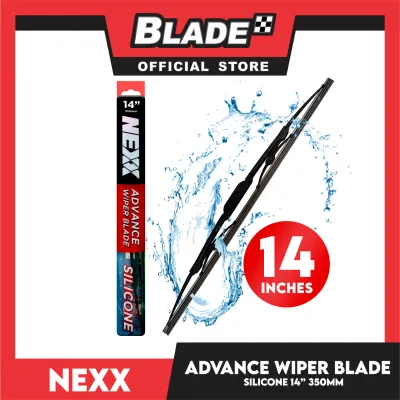
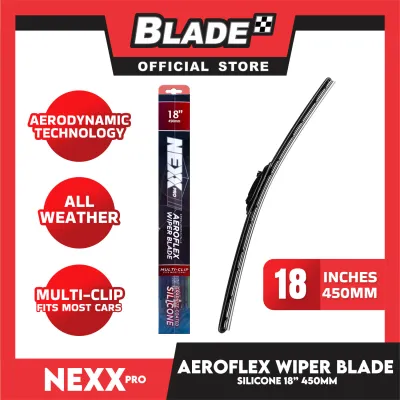
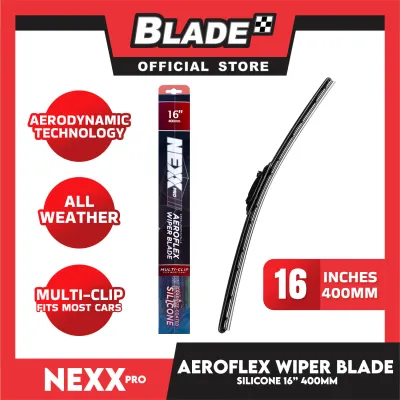
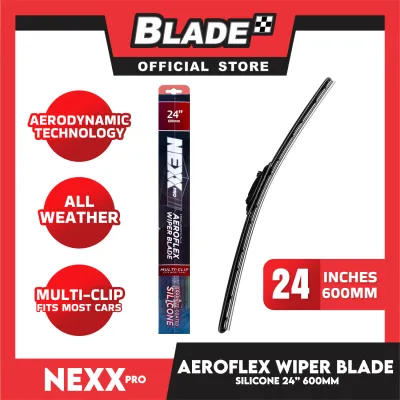
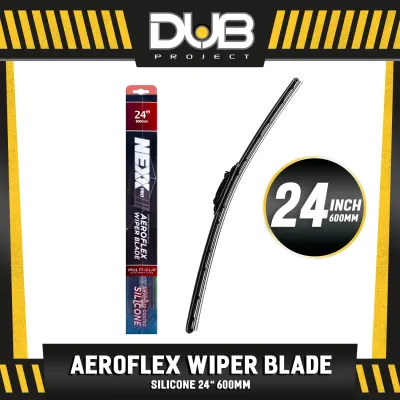
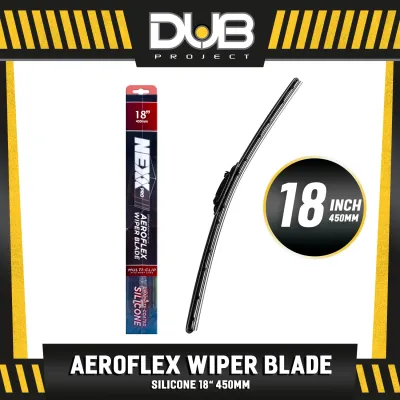
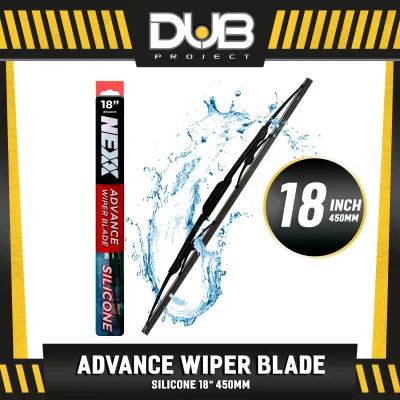
Prices are valid at publication and may change. Please refer to the product page for the latest price.
Another critical factor is the blade’s ability to maintain consistent contact with the windshield during heavy downpours. Monsoon rains can deposit large volumes of water on the glass within seconds, requiring efficient clearing to maintain driver visibility. The wiper’s frame design plays a vital role here; it must distribute downward pressure evenly across the entire length of the blade.
Furthermore, aerodynamic lift is a common issue when driving at highway speeds on expressways. As wind flows over the vehicle, it can lift the wiper blades away from the glass, causing streaking or incomplete clearing. High-quality wiper blades often feature integrated aerodynamic spoilers or low-profile beam designs that utilize wind pressure to hold the rubber element firmly against the windshield. Checking the packaging for these aerodynamic features is essential for drivers who frequently travel on high-speed routes.
Nexx Wiper Blades: Product Line and Positioning
Nexx wiper blades are positioned as an accessible, budget-friendly aftermarket solution for vehicle owners in the Philippines. They cater to a wide range of vehicles by offering multiple frame styles, allowing consumers to choose a design that matches their aesthetic preferences and functional requirements.

The product lineup typically includes conventional frame blades, hybrid designs, and frameless (beam) options. Conventional Nexx blades utilize a traditional metal articulated bracket system to press the rubber element against the glass. While highly affordable, these metal frames have multiple pivot points that can accumulate road grime, dust, or salt residue in coastal areas, potentially leading to uneven pressure distribution over time.
Hybrid Nexx blades combine the aerodynamic advantages of a frameless blade with the sturdy pressure distribution of a conventional frame. They feature a plastic outer shell that protects the internal metal brackets from UV exposure and debris while providing a sleek, modern appearance. Frameless or beam-style Nexx blades use a curved internal steel beam to distribute pressure evenly without any external joints, making them highly resistant to wind lift and clogging.
In terms of market positioning, Nexx products focus on delivering essential wiping functionality at a highly competitive price point. The standard retail package generally includes a single wiper blade equipped with a pre-installed adapter, which is typically designed to fit standard J-hook wiper arms. Some packages may also include additional plastic adapters to accommodate alternative arm styles, though compatibility should always be verified before purchase.
Comparing Nexx Against Established Market Alternatives
When comparing Nexx to established premium brands available in the local market, several key trade-offs must be considered. Premium brands often invest heavily in proprietary rubber formulations, such as dual-rubber compounds or advanced synthetic coatings, which are engineered to resist ozone and UV degradation. In contrast, budget-oriented brands like Nexx typically utilize standard graphite-coated natural or synthetic rubber, which provides effective wiping performance initially but may require more frequent replacement in tropical climates.
Warranty coverage is another distinguishing factor. Established global manufacturers frequently offer clear performance guarantees or limited warranties backed by an extensive network of authorized distributors. Budget brands, on the other hand, are generally sold with minimal or no formal warranty beyond the initial return policy of the retail outlet. Vehicle owners must weigh the peace of mind offered by a premium warranty against the immediate upfront savings of a budget-friendly option.
Packaging claims regarding noise reduction and longevity should also be evaluated critically. While many brands claim silent operation and extended service life, actual performance depends heavily on windshield condition and environmental exposure. Premium brands often provide detailed technical specifications or certification compliance on their packaging, whereas budget brands rely on general performance descriptions.
To help guide your decision, consider the following structured framework:
- Choose Nexx wiper blades if: You are looking for an immediate, cost-effective replacement; your daily commute consists primarily of low-speed urban driving; or you prefer to replace your wiper blades annually as part of routine seasonal maintenance regardless of wear.
- Consider established premium brands if: Your vehicle requires specialized proprietary connector interfaces; you frequently drive at high speeds on expressways during heavy rain; or you want to maximize the interval between replacements by investing in advanced silicone or specialized synthetic compounds.
How to Choose the Right Wiper Blade for Your Vehicle
Selecting the correct wiper blade is critical to ensuring road safety and preventing damage to your vehicle’s windshield. Never rely solely on generic vehicle compatibility lists, as wiper specifications can vary based on production year, trim level, or aftermarket modifications.
Begin by locating the exact blade lengths required for your vehicle. This information can typically be found in the vehicle owner’s manual under the maintenance section. Alternatively, you can physically measure the existing blades using a standard tape measure. Be sure to measure both the driver-side and passenger-side blades independently, as they are often different lengths to optimize windshield coverage.
Next, identify the specific connector type on your vehicle’s wiper arms. The most common style is the J-hook or U-hook, which is widely supported by almost all aftermarket wiper brands, including Nexx. However, many modern vehicles utilize specialized interfaces such as push-button, pinch-tab, side-pin, or bayonet mounts. Inspect the connector mechanism closely and compare it to the adapter diagrams provided on the wiper blade packaging or the manufacturer’s official website.
Before purchasing new blades, conduct a thorough inspection of your current wipers to confirm they actually need replacement. Look for physical signs of wear, such as visible cracks, splits, or tears in the rubber squeegee. Check the metal or plastic frame for signs of bending, corrosion, or loose joints that could prevent the blade from making uniform contact with the glass. If the frame is compromised, replacing the entire blade assembly is necessary.
Safe Installation and Maintenance Practices
Installing new wiper blades is a simple task that most vehicle owners can perform themselves, but it requires careful execution to avoid costly damage. The metal wiper arm is spring-loaded to hold the blade firmly against the glass. If you remove the blade and accidentally let go of the bare metal arm, it can snap back against the windshield with enough force to crack or shatter the glass instantly.
To prevent this, always place a thick, folded towel or a protective rubber pad on the windshield directly beneath the wiper arm before starting the replacement process. Keep the metal arm resting gently on the towel whenever the wiper blade is detached. This simple precaution eliminates the risk of windshield damage during the installation.
Once the new blades are securely installed, take a moment to clean both the windshield and the new rubber elements. Use a clean microfiber cloth and isopropyl alcohol to thoroughly clean the glass surface, removing accumulated road film, tree sap, and oily residues that can cause brand-new wipers to streak or chatter. Gently wipe the rubber edge of the new blade with the alcohol-dampened cloth to remove any manufacturing residues or dust.
To maximize the lifespan of your new wiper blades, establish a routine maintenance habit. During regular car washes, gently wipe the squeegee edge with a damp cloth to remove accumulated dirt and environmental fallout. Avoid parking your vehicle under direct sunlight for extended periods when possible, as extreme heat can cause the rubber to warp or stick to the glass. Additionally, avoid using the wipers on a dry windshield, as abrasive dust particles can scratch the glass and dull the rubber edge prematurely.
Frequently Asked Questions (FAQ)
How often should wiper blades be replaced in tropical climates?
In tropical climates like the Philippines, high ambient temperatures and intense UV exposure accelerate the degradation of wiper materials. It is generally recommended to inspect your wiper blades every six months and replace them at least once a year, or immediately when you notice performance issues. Common indicators that replacement is needed include persistent streaking, chattering noises, skipping across the glass, or visible tearing and splitting along the rubber edge.
Can I mix different wiper blade brands on the driver and passenger sides?
Yes, it is mechanically possible to mix different wiper blade brands on the driver and passenger sides, provided that each blade matches the correct length and connector type specified for your vehicle. However, doing so may result in uneven wiping performance. Different brands use varying rubber compounds, frame designs, and aerodynamic profiles, which can lead to differences in wiping pressure, wear rates, and noise levels across your windshield. For consistent visibility, replacing both blades as a matching set is highly recommended.
Community discussion
Share your experience or ask a question. Comments are reviewed before publication.