
Finding the absolute best windshield wiper fluid brand in the Philippines is not a matter of choosing a single universal winner, as independent, standardized laboratory test data comparing all local retail options is not publicly available. Instead, determining which brand cleans better for your specific vehicle depends on matching the fluid’s active chemical formulation to your primary driving environment—whether that is the greasy exhaust film of urban traffic or the stubborn bug splatter of provincial highways. By evaluating products based on their active ingredients, dilution ratios, and cost per liter, you can select a fluid that maximizes visibility without damaging your car’s exterior components.
To make an informed decision at the auto supply store or when browsing online marketplaces, you must look past marketing claims of superior performance. A systematic approach involves understanding the chemical makeup of these fluids, calculating their actual cost-effectiveness, and matching their properties to the tropical weather and road conditions you encounter daily.
Understanding Windshield Wiper Fluid Types and Formulations
Windshield wiper fluids generally fall into two main categories: ready-to-use premixed fluids and highly concentrated formulas. Ready-to-use fluids are pre-diluted by the manufacturer, typically using purified or demineralized water. This convenience eliminates the need for mixing and ensures that no mineral contaminants are introduced into your vehicle’s washer system. However, shipping large volumes of water increases retail costs and packaging waste.
Products mentioned in this guide
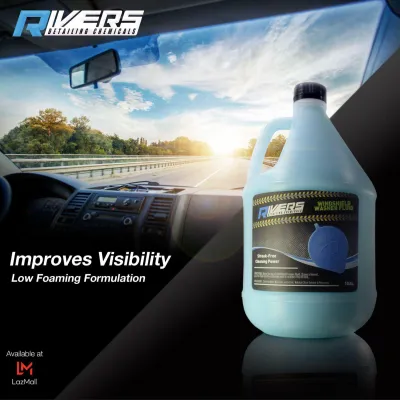
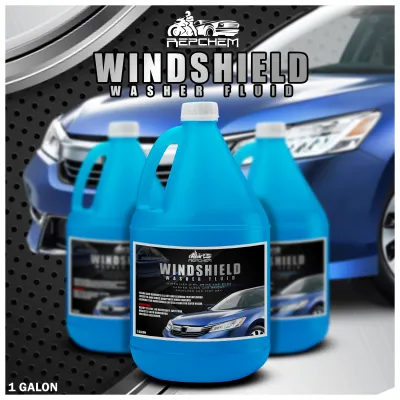
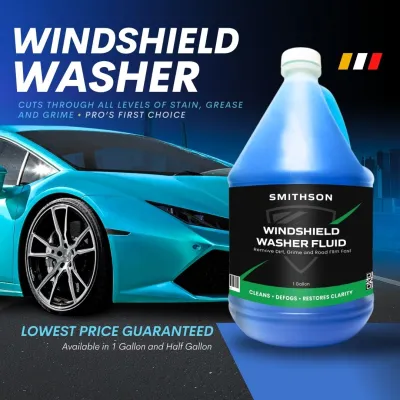
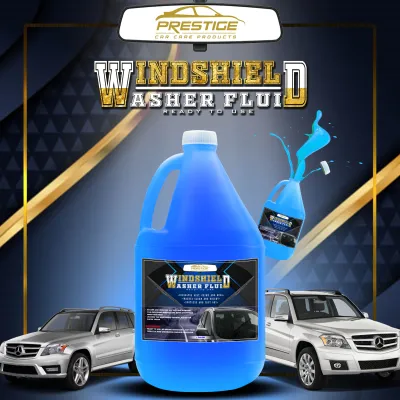
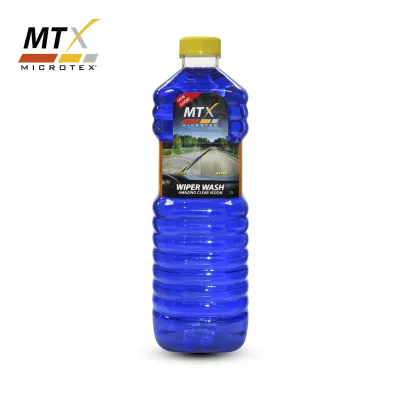
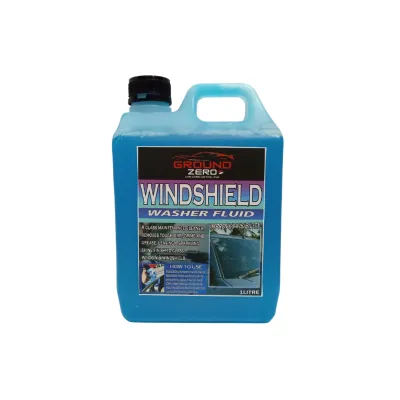
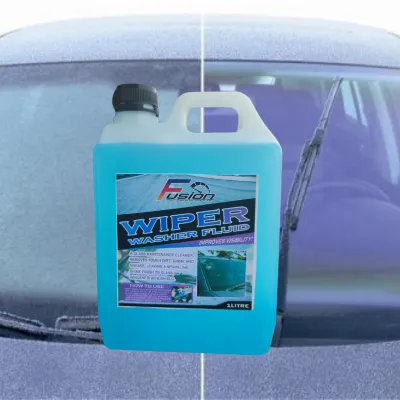
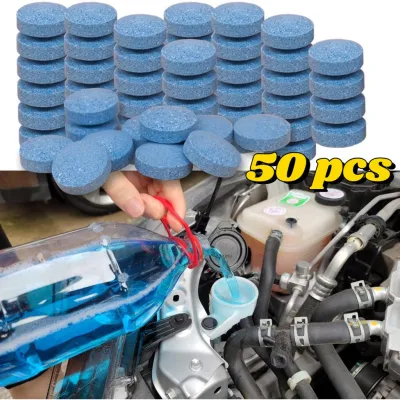
Prices are valid at publication and may change. Please refer to the product page for the latest price.
Concentrated wiper fluids require manual dilution with water before being added to the reservoir. These products are highly compact, making them easier to store in a garage or glove compartment. They allow you to adjust the strength of the cleaning solution depending on how dirty your windshield is. The primary drawback is the extra step of mixing and the necessity of sourcing clean, mineral-free water to avoid clogging your vehicle’s spray nozzles.
The cleaning power of any wiper fluid relies on its active ingredients, which typically include surfactants and mild solvents. Surfactants are surface-active agents that lower the surface tension of water, allowing it to wet the glass surface more evenly and lift dirt, dust, and light road grime. Solvents, such as specialized alcohols or glycol ethers, dissolve oily residues, tree sap, and organic matter that water alone cannot break down.
Specialized formulations are also available to target specific driving challenges. Bug-remover fluids contain enzymes or stronger organic solvents designed to break down the acidic proteins in insect splatters before they bake onto the glass. Water-repellent fluids contain silicones or hydrophobic polymers that deposit a thin layer on the glass, causing rainwater to bead up and roll off rapidly, which can significantly improve visibility during sudden tropical downpours.
Key Criteria for Evaluating Cleaning Performance
When comparing different brands on the shelf, the product label is your primary source of information. Look for explicit mentions of the types of contaminants the fluid is formulated to target. A high-quality fluid will specify its effectiveness against road oil film, insect debris, or industrial fallout. If a brand only lists vague claims of being a general cleaner, it may lack the specialized solvents needed for tough road grime.

For concentrated formulas, the recommended dilution ratio is a critical indicator of chemical strength and value. A product that recommends a 1:100 dilution ratio contains highly concentrated active ingredients compared to one that requires a 1:10 ratio. However, highly concentrated chemicals must be used strictly according to the manufacturer’s instructions; over-concentrating the mixture will not result in cleaner glass and may instead leave a sticky residue that attracts more dust.
It is equally important to identify ingredients that could harm your vehicle over time. Avoid wiper fluids that contain ammonia or harsh industrial solvents. Ammonia is highly effective at cutting grease on household mirrors, but on a vehicle, it can rapidly degrade rubber wiper blades, dry out the rubber weatherstripping around the windshield, and damage aftermarket window tints. Furthermore, aggressive solvents can strip away protective wax or paint sealant from your car’s hood and roof, leaving the clear coat vulnerable to UV damage.
To evaluate a fluid’s performance safely, observe its behavior during use. A high-performing fluid should sweep cleanly across the glass without leaving a cloudy haze or white streaks that temporarily blind you when driving against oncoming headlights. The fluid should dry quickly and leave no powdery residue around the edges of the windshield or on the paintwork.
Comparing Value: Concentrates vs. Ready-to-Use Fluids
To determine the true cost of a windshield wiper fluid, you must calculate the cost per liter of the final, usable mixture rather than comparing the initial purchase prices of the bottles. This calculation is especially important when comparing a cheap ready-to-use bottle with a seemingly expensive bottle of concentrate.
To calculate the cost per liter of a concentrate, use this simple formula:
$$\text{Cost per Liter} = \frac{\text{Retail Price of Concentrate (₱)}}{\text{Total Liters of Mixed Fluid Produced}}$$
For example, if a 250ml bottle of concentrate costs ₱300 and recommends a 1:100 dilution ratio, it can produce approximately 25 liters of usable wiper fluid. This brings the actual cost to ₱12 per liter. Conversely, a 2-liter bottle of ready-to-use fluid priced at ₱150 costs ₱75 per liter. In this scenario, the concentrate offers significantly better long-term value, provided you have access to clean water for mixing.
Packaging size and shelf life also play a role in overall value. Ready-to-use fluids in large plastic jugs take up valuable storage space and contribute more plastic waste. Concentrates are highly efficient to store, but you must ensure the unused portion is sealed tightly to prevent the active solvents from evaporating over time. Most commercial wiper fluids have a shelf life of several years if stored in a cool, dry place out of direct sunlight.
The hidden cost of using concentrates lies in the water quality used for dilution. If you use tap water in the Philippines, which often contains high levels of dissolved minerals like calcium and magnesium, you risk creating hard water scale inside your washer reservoir, pump, and delivery lines. Over time, these minerals precipitate out of the water, clogging the tiny spray nozzles and potentially burning out the washer pump motor. To prevent this, you must factor in the minor cost of purchasing distilled or demineralized water for mixing concentrates.
Matching the Fluid to Local Driving Conditions
Your daily driving route should dictate the type of wiper fluid you choose. Urban commuters in highly congested areas like Metro Manila face a constant barrage of fine soot, diesel exhaust, and oily road film. This greasy layer acts like a magnet for dust, creating a smeary film on the windshield that scatters light and causes severe glare at night. For these conditions, look for a fluid formulated with strong degreasing surfactants and oil-cutting solvents that can break down petroleum-based road grime.
If your driving consists of long provincial trips or highway travel, your primary obstacles are likely insect splatters, tree sap, and mud. When insects strike a windshield at high speeds, their bodily fluids dry quickly under the intense tropical sun, forming a tough, acidic bond with the glass. Standard wiper fluids will often smear this residue, making visibility worse. In this environment, a specialized bug-remover fluid is highly beneficial, as it contains active enzymes designed to dissolve organic proteins.
Seasonal weather changes also demand adjustments in how you manage your wiper fluid. During the dry summer months, dust and volcanic ash can accumulate rapidly on the glass, requiring frequent, light sprays of a surfactant-rich fluid to lift the abrasive particles without scratching the windshield. During the heavy rains of the monsoon season, the sheer volume of water on the glass can dilute your wiper fluid instantly as it is sprayed. Using a fluid with water-repellent properties during the rainy season helps maintain a clear line of sight by encouraging water to bead and shed rapidly, reducing your reliance on high-speed wiper sweeps.
Safe Usage and Reservoir Maintenance Checks
Before adding any new fluid to your vehicle, perform a basic inspection of the windshield washer system. Open the hood and locate the washer fluid reservoir, which is usually marked with a symbol depicting a windshield and spraying water. Inspect the plastic reservoir tank for any signs of cracking or brittleness caused by engine bay heat. Check the rubber hoses leading from the reservoir to the spray nozzles for cracks, kinks, or loose connections that could cause fluid leaks.
Always consult your vehicle owner’s manual before introducing a new type of wiper fluid. Some modern vehicles are equipped with advanced rain sensors mounted behind the rearview mirror, or specialized windshield coatings that can be sensitive to certain chemical additives. Additionally, some European vehicles use washer fluid level sensors that rely on the electrical conductivity of the fluid; using highly purified distilled water or certain silicone-based water repellents can sometimes trigger false “low fluid” warnings on the dashboard.
Under no circumstances should you use household cleaning products as a substitute for dedicated automotive wiper fluid. Dishwashing liquids, laundry detergents, and household glass cleaners are formulated for entirely different surfaces and operating conditions. Dish soap foams excessively, which can trap air in the washer pump, causing it to lose prime or overheat. These household soaps also leave behind a thick, gummy residue that can clog the system’s internal filters and nozzles.
Furthermore, household glass cleaners often contain high concentrations of ammonia or abrasive agents that will strip your car’s wax, dry out the rubber wiper blades, and potentially etch the glass surface over time. Stick strictly to products formulated specifically for automotive windshield washer systems to protect your vehicle’s components and ensure reliable operation.
Frequently Asked Questions (FAQ)
Can I use plain water or distilled water instead of commercial wiper fluid?
While plain tap water is cheap and readily available, using it long-term in your washer reservoir is highly discouraged. Tap water lacks the surfactants and solvents necessary to dissolve oily road film, insect debris, and tree sap, meaning it will often smear these contaminants across your field of view instead of cleaning them. Furthermore, tap water contains dissolved minerals that will eventually form hard scale deposits inside your washer pump, hoses, and spray nozzles, leading to clogs and system failure. Distilled water is excellent for diluting concentrated wiper fluids because it contains no minerals, but when used entirely on its own, it still lacks the chemical cleaning power needed to handle tough road grime. Distilled water should only be used as a temporary emergency measure until you can add a proper cleaning concentrate.
How do I clear clogged wiper fluid nozzles?
If you notice a weak spray pattern or if one of your windshield washer nozzles stops spraying entirely, the cause is usually a physical blockage from wax, polish, dust, or mineral scale. First, perform a visual inspection of the nozzle openings on your hood or cowl panel. If you see debris, take a very fine sewing needle, pin, or a thin piece of wire, and gently insert it into the nozzle opening to break up and clear out the obstruction. Be extremely careful not to force the pin too deep or pry aggressively, as this can damage or misalign the delicate plastic nozzle jet. If the clog persists, check the inline fluid filter or the reservoir screen if your vehicle’s manual indicates one is accessible, and clean it according to the manufacturer’s instructions.
Community discussion
Share your experience or ask a question. Comments are reviewed before publication.