
Finding a compatible shift knob for a manual Toyota Fortuner requires matching the exact thread diameter and pitch of the gear stick lever. While many Toyota manual transmissions historically utilize standard metric threads, variations across model years and generations mean you must verify your specific vehicle’s specifications before purchasing. A proper fit ensures the knob remains securely anchored during gear changes, preventing dangerous slippage or damage to the shifter assembly. Whether you opt for an original equipment manufacturer (OEM) replacement or an aftermarket upgrade, verifying the thread dimensions, weight, and material is essential for a safe and comfortable driving experience in the Philippines’ tropical climate.
Selecting the wrong shift knob can lead to cross-threading, which permanently damages the shifter shaft, or a loose fit that compromises your control over the vehicle. Because the Fortuner is a robust SUV designed for both daily city driving and demanding off-road conditions, the gear shifter experiences significant physical force. A secure, perfectly matched shift knob is not merely an aesthetic choice; it is a critical safety component that directly affects how reliably you can engage gears under pressure.
Identifying the Correct Thread Size and Pitch for Your Fortuner
To avoid damaging your transmission linkage or stripping the threads on your shifter shaft, you must determine the exact thread specifications of your Fortuner’s manual shift lever. Toyota manual transmissions commonly use metric threads, with M12 x 1.25 being a highly frequent specification for passenger vehicles and SUVs. In this notation, “M12” represents a 12mm outer diameter of the threaded shaft, while “1.25” indicates the thread pitch, meaning there is a distance of 1.25mm between each thread crest. However, specifications can vary depending on the production year, generation, and regional assembly of your vehicle.
Products mentioned in this guide
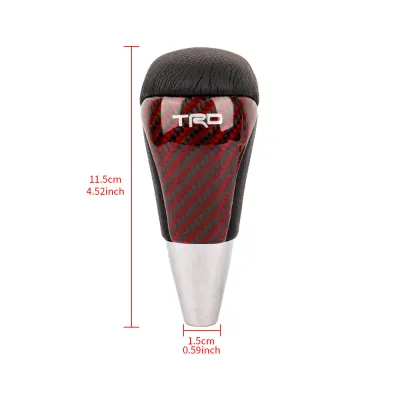
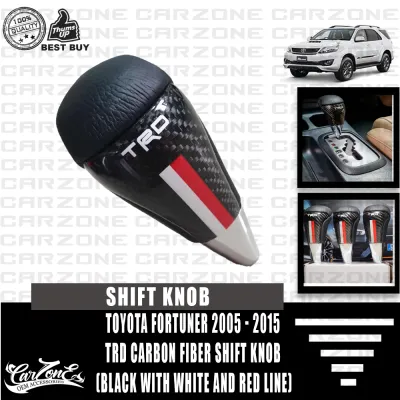
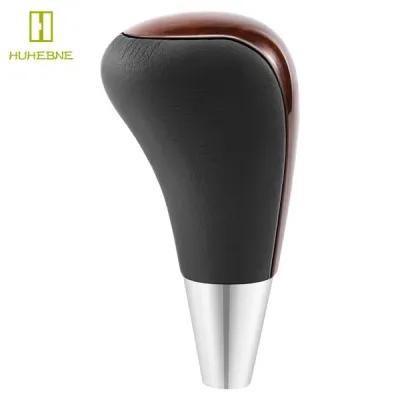
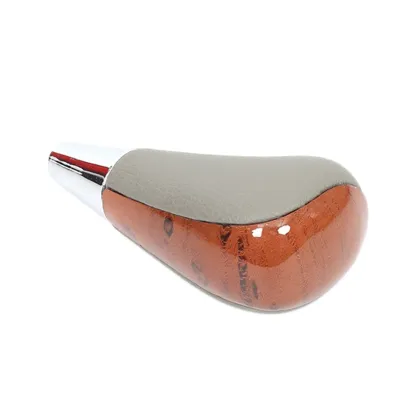
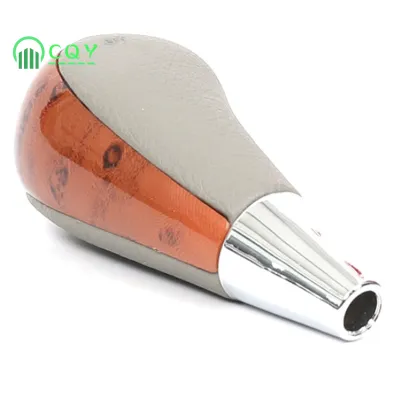
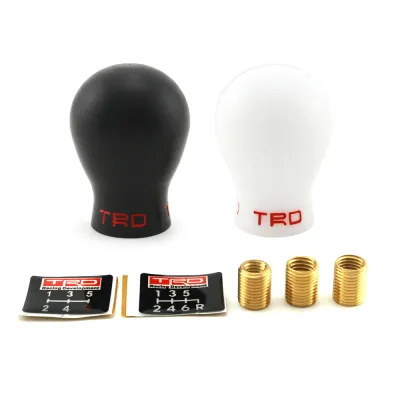
Prices are valid at publication and may change. Please refer to the product page for the latest price.
Before purchasing any replacement, your first step should be to consult the vehicle’s official documentation. Check the owner’s manual under the interior specifications or maintenance sections. If the manual does not explicitly list the thread dimensions, you can contact the parts department of an authorized Toyota dealership. By providing your vehicle’s Chassis Number or Vehicle Identification Number (VIN), the dealership can look up the exact OEM part number, which can then be cross-referenced to confirm the thread size.
If you prefer a hands-on approach, you can physically measure the shifter shaft yourself. Begin by safely unscrewing your current shift knob counterclockwise. Once removed, clean any debris or old adhesive from the exposed threads using a soft wire brush or a microfiber cloth. Use a digital caliper to measure the outer diameter of the threaded section. A reading close to 12mm suggests an M12 thread, while a reading near 10mm points to an M10 thread. To find the pitch, press a dedicated thread pitch gauge against the threads until the teeth of the gauge mesh perfectly with the threads on the shaft. If you do not own a pitch gauge, you can carefully test-thread a known metric nut (such as an M12 x 1.25 nut) onto the shaft by hand; if it spins on smoothly without resistance or wobble, you have confirmed the size.
OEM vs. Aftermarket Shift Knobs: Weighing Your Options
When replacing your Fortuner’s shift knob, you must choose between a genuine OEM part and an aftermarket alternative. Genuine OEM shift knobs offer guaranteed plug-and-play compatibility. Because they are designed specifically for your vehicle’s model year, they thread on perfectly without the need for adapters, align correctly with the shift boot, and preserve your vehicle’s original interior aesthetic. Furthermore, using genuine parts ensures that you do not inadvertently void any active vehicle warranties related to the interior trim or shifter assembly.

Aftermarket shift knobs, conversely, open up a wide range of customization options. They allow you to alter the weight, shape, and material of the knob to better suit your personal driving style. Many drivers prefer aftermarket options to achieve a sportier look or a more comfortable hand position. However, aftermarket knobs require careful scrutiny regarding fitment. While some aftermarket brands manufacture direct-fit knobs specifically threaded for Toyota vehicles, many products sold on online marketplaces are labeled as “universal.”
Universal shift knobs typically rely on plastic or soft metal adapters and small set screws to clamp onto the shifter shaft. While these can fit a wide variety of vehicles, they are generally less secure than direct-fit threaded knobs. Over time, the constant physical stress of shifting, combined with cabin heat and vibration, can cause plastic adapters to deform, strip, or loosen. This can result in a shift knob that spins or detaches entirely while you are driving. If you choose an aftermarket route, prioritizing direct-fit threaded options over universal set-screw designs is highly recommended for long-term durability and safety.
Recommended Shift Knob Profiles and Materials for Fortuner Drivers
The shape and material of your shift knob play a significant role in your daily driving comfort, especially when managing a large vehicle like the Fortuner. Shift knobs come in several distinct profiles, including classic spherical (ball) shapes, elongated cylindrical (piston) shapes, and contoured ergonomic designs. Spherical knobs are highly versatile, allowing you to grip the shifter from the top or the side with equal comfort. Cylindrical or piston-style knobs provide more leverage, which some drivers prefer for positive gear engagement. Contoured ergonomic shapes are designed to fit the natural curve of your palm, reducing hand fatigue during long highway drives across provinces or during demanding off-road excursions.
Weight is another crucial factor to consider. Weighted shift knobs, which typically weigh between 300 to 500 grams, act as a counterweight during gear changes. The added mass carries more kinetic energy through the shift throw, making the gear engagement feel smoother, more deliberate, and less notch-y. This can significantly improve the shifting feel of the Fortuner’s heavy-duty manual gearbox. However, avoid excessively heavy knobs that exceed the manufacturer’s structural recommendations, as resting your hand on an overly heavy shifter can put continuous pressure on the internal shift forks, potentially leading to premature transmission wear.
In the Philippines, material selection is paramount due to the intense tropical heat and high humidity. Bare metal shift knobs, such as polished aluminum or stainless steel, absorb ambient heat rapidly when the vehicle is parked under direct sunlight. These surfaces can easily reach temperatures high enough to cause discomfort or minor burns upon contact. Additionally, high humidity can make smooth metal or cheap plastic surfaces slippery when your hands are damp. For tropical climates, look for shift knobs wrapped in high-quality treated leather, textured rubber, or insulated wood. These materials do not retain heat as intensely as bare metal, remain comfortable to touch even after hours in the sun, and provide a reliable, non-slip grip regardless of humidity levels.
Pre-Purchase Compatibility and Safety Checklist
Before finalizing your purchase on any ecommerce platform or at a local auto parts shop, run through this comprehensive compatibility and safety checklist to ensure a seamless installation:
- Verify the Thread Pitch: Confirm with the seller or product documentation that the knob features a direct-fit thread matching your Fortuner (typically M12 x 1.25). Avoid generic listings that do not explicitly state the thread dimensions.
- Check for Reverse Lockout Compatibility: If your Fortuner is equipped with a 6-speed manual transmission that utilizes a lift-up collar to engage reverse gear, your replacement shift knob must feature a recessed cavity at its base. Without this recess, the reverse lockout collar cannot slide upward into the knob, preventing you from shifting into reverse.
- Assess Shift Boot Integration: Many modern manual shifters feature a plastic collar on the shift boot that clips directly to the underside of the shift knob. Ensure the replacement knob is compatible with your OEM shift boot collar, or purchase a dedicated shift boot adapter to prevent the boot from sagging and exposing the bare metal shaft.
- Evaluate Clearance and Dimensions: Ensure the overall height and width of the new knob do not interfere with the center console, cup holders, or handbrake lever when shifting into extreme gear positions (such as first, fifth, sixth, or reverse).
- Inspect Adapter Materials: If you must use an aftermarket adapter, choose solid brass or aluminum threaded adapters over soft plastic sleeves. Metal adapters provide a much more rigid and durable connection to the shifter shaft.
Safe Installation and Operational Boundaries
Installing a new shift knob is a straightforward process, but it must be done with care to prevent mechanical damage. Always perform the installation while the vehicle is parked safely on level ground with the handbrake firmly engaged and the engine turned off. Begin by unscrewing the old knob counterclockwise. Clean the threads on the shifter shaft thoroughly to remove any dirt, rust, or old thread-locking residue.
When installing the new knob, thread it onto the shaft clockwise by hand. Hand-tighten only. Never use heavy tools such as pipe wrenches, vice grips, or pliers to tighten the knob. Applying excessive torque with tools can easily strip the delicate threads on the shifter shaft or crack the internal threads of the new knob, rendering it useless. If the knob features an engraved shift pattern, you may need to use a jam nut (lock nut) at the base of the threads. Thread the jam nut onto the shaft first, screw the shift knob down until it is almost tight, align the shift pattern so it faces forward, and then tighten the jam nut upward against the base of the knob using a small wrench to lock it in place.
If you encounter resistance within the first turn of screwing the knob on, stop immediately. Forcing a misaligned knob will cause cross-threading, which ruins the threads on the shifter shaft and can require an expensive replacement of the entire shifter assembly. If the knob feels loose, wobbles, or fails to bottom out securely even when fully tightened, do not drive the vehicle. A loose shift knob can detach unexpectedly during an emergency maneuver, leading to a dangerous loss of vehicle control. If you are unsure about the fitment or if the threads do not align smoothly, stop the installation and consult a qualified automotive technician or visit an authorized service center for professional assistance.
Frequently Asked Questions (FAQ)
Can I use a universal shift knob on my Fortuner manual transmission?
Yes, you can use a universal shift knob, but it is generally not recommended for long-term reliability. Universal knobs rely on plastic or rubber adapters secured by small set screws that press against the shifter shaft. Under the physical stress of daily driving and the high cabin temperatures experienced in the Philippines, these adapters can warp, strip, or loosen over time. This can cause the knob to spin or slide off during gear changes. For a heavy-duty SUV like the Fortuner, a direct-fit threaded knob (typically matching the M12 x 1.25 specification) is a much safer and more durable choice.
Will changing the shift knob affect my Fortuner's warranty?
Replacing your shift knob is considered a cosmetic interior modification and will not void your vehicle’s overall powertrain warranty. However, any damage directly caused by the modification—such as stripped threads on the shifter shaft due to improper installation, or damage to the shift linkage caused by an excessively heavy aftermarket knob—will not be covered under the manufacturer’s warranty. If you have concerns about maintaining your warranty coverage, opt for a genuine Toyota OEM replacement knob and have it installed by an authorized dealership technician.
Community discussion
Share your experience or ask a question. Comments are reviewed before publication.