
When sudden tropical downpours hit, clear visibility is your first line of defense on the road. Deciding between concentrated and ready-to-use windshield washer fluids comes down to your preference for convenience versus cost-efficiency. Ready-to-use fluids offer factory-calibrated consistency and immediate performance for sudden storms, while concentrates provide a lower cost per liter if you are willing to measure and mix them accurately. Neither is universally superior; the right choice depends on your storage space, willingness to prep, and the specific cleaning demands of your daily commute in the Philippines.
How Concentrated and Ready-to-Use Fluids Differ
Windshield washer fluids generally fall into two main categories: ready-to-use formulas and concentrated solutions. Ready-to-use fluids are pre-mixed solutions containing balanced surfactants, solvents, and water. They are formulated to be poured directly into your vehicle’s washer fluid reservoir without any additional preparation. This plug-and-play nature ensures that the chemical composition remains exactly as the manufacturer intended, providing consistent performance from the first spray to the last.
In contrast, concentrated washer fluids are highly concentrated cleaning agents that require dilution with water before they can be safely used. This formulation places the responsibility for achieving the correct ratio entirely on the user. Concentrates are typically sold in smaller bottles, which makes them easier to transport and store, but they cannot be used directly from the bottle without risking damage to your vehicle’s paint, rubber seals, or wiper blades.
Products mentioned in this guide
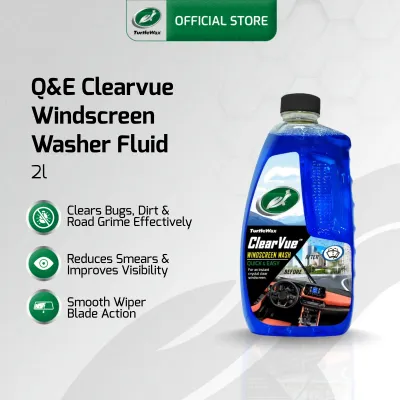
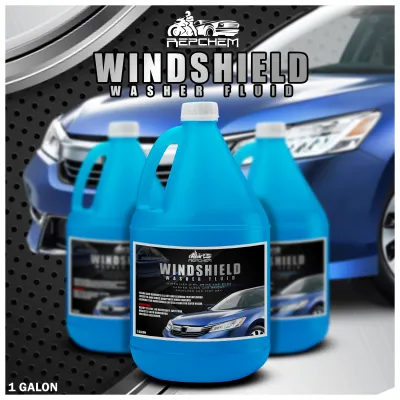
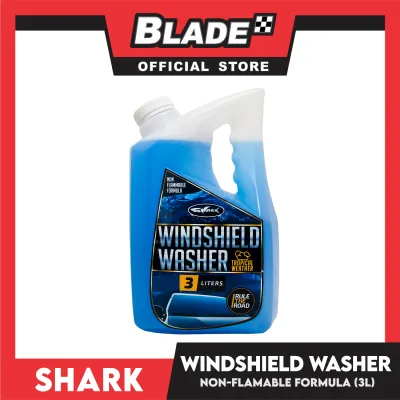
Prices are valid at publication and may change. Please refer to the product page for the latest price.
Before choosing either option, it is essential to check your vehicle owner’s manual and the fluid reservoir cap. Some manufacturers warn against using specific chemical additives or highly concentrated formulas that could degrade the plastic reservoir, damage the internal pump, or interfere with specialized windshield coatings. Verifying these guidelines beforehand ensures you select a fluid that is fully compatible with your vehicle’s specific components.
Cleaning Power and Visibility During Heavy Downpours
During intense tropical rainstorms, road grime, oil kicked up from asphalt, and organic debris can quickly form a greasy film on your windshield. The effectiveness of a washer fluid in clearing this film depends heavily on its surfactant concentration. Surfactants are the active cleaning agents that break down oily road residue and allow water to sheet off the glass smoothly. When formulated correctly, these agents prevent water from pooling or scattering light, which significantly reduces dangerous night-time glare.

Using a concentrated fluid introduces the risk of human error during the mixing process. Under-mixing the concentrate—adding too much water—dilutes the active surfactants, leaving you with a weak solution that struggles to cut through stubborn road grime. This often results in severe streaking and poor cleaning performance when you need it most. Conversely, over-mixing the concentrate by adding too little water creates an overly harsh solution. This excess chemical concentration can leave a sticky, smeared residue on the glass, accelerate the degradation of your wiper blades, and leave unsightly white streaks along the edges of your windshield.
Ready-to-use fluids eliminate this guesswork by providing a consistent, reliable mixture right out of the bottle. Because the solution is mixed in a controlled factory environment, you can trust that the surfactant-to-water ratio is optimized for immediate visibility. This reliability is critical when a sudden afternoon downpour catches you off guard on the highway, leaving no time to pull over and adjust a poorly mixed solution.
When shopping for either type of fluid, always check the product labels for specific performance claims such as “heavy rain,” “water-repellent,” or “anti-glare.” Do not assume all windshield washer fluids perform equally in severe weather. Some formulations are specifically engineered to leave a hydrophobic barrier that helps water bead up and roll off the glass quickly, while others focus primarily on breaking down tough organic matter. Matching the product’s stated capabilities to your typical driving conditions is key to maintaining a clear view.
Cost per Liter and Long-Term Value
Evaluating the financial trade-offs between these two options requires looking beyond the initial purchase price and focusing on the cost per liter. To calculate the true value of a concentrated fluid, you must factor in the total yield after dilution according to the manufacturer’s recommended ratio. For example, if a small bottle of concentrate requires a dilution ratio of one part fluid to ten parts water, the total volume of usable washer fluid is significantly higher than the volume of the bottle itself. You can determine the actual cost per liter using a simple formula: divide the retail price of the concentrate by the total volume of the diluted mixture.
Ready-to-use fluids typically carry a higher upfront cost per liter because you are paying for the convenience of pre-mixed water and the larger packaging required to transport it. A large jug of ready-to-use fluid takes up more shelf space and incurs higher shipping and packaging costs, which are ultimately passed down to the consumer. However, for drivers who rarely use their washer fluid, the higher upfront cost of a single ready-to-use jug may be negligible compared to the convenience it offers over several months.
For high-mileage drivers who frequently face dusty roads and heavy rains, buying ready-to-use fluids in bulk or opting for concentrates can dramatically reduce long-term expenses. Concentrates are highly efficient at reducing plastic waste, as a single small bottle can replace multiple large plastic jugs over time. This makes concentrates an appealing choice for environmentally conscious vehicle owners who want to minimize their plastic footprint.
To find the most cost-effective option for your budget, compare current prices on local e-commerce platforms or at your nearest automotive supply shops. Use the local currency, ₱, to calculate and compare the true value per liter of your preferred brands. Keep in mind that while concentrates generally offer better long-term savings, the added cost of purchasing distilled water for dilution should be factored into your overall budget.
Mixing Ratios, Storage, and Daily Convenience
The practical reality of using concentrated washer fluids involves a commitment to preparation and proper storage. To mix a concentrate correctly, you will need basic measuring tools, such as a clean measuring cup, and a dedicated container for mixing. It is highly recommended to use clean, distilled or filtered water rather than tap water. Tap water contains dissolved minerals like calcium and magnesium, which can precipitate out of the solution over time, leading to mineral buildup that clogs the delicate spray nozzles and damages the washer pump.
Storage space is another key consideration, especially for drivers with limited garage or trunk space. Large ready-to-use jugs require a significant amount of physical space, making them cumbersome to store in smaller vehicles or compact apartments. Concentrated bottles, on the other hand, have a very small footprint and can easily be tucked away in a glove compartment, door pocket, or trunk organizer until they are needed.
Despite the space-saving benefits of concentrates, the temptation to bypass proper mixing steps can lead to vehicle damage. You should never guess the dilution ratios or attempt to mix the fluid directly inside your vehicle’s washer reservoir. Pouring concentrate directly into the reservoir and topping it off with water makes it impossible to ensure a homogeneous mixture. This can result in pockets of highly concentrated chemicals settling at the bottom of the tank, potentially damaging the washer pump seals or clogging the system. Always mix the solution in an external container first, verifying the safe dilution limits on the product label before pouring it into your car.
Which Windshield Washer Fluid Should You Choose?
Selecting the right windshield washer fluid depends on your driving habits, storage availability, and how much effort you want to put into vehicle maintenance.
Choose Ready-to-Use if:
- You prefer a hassle-free, zero-preparation solution that is ready to pour immediately.
- You want guaranteed chemical consistency and optimal cleaning performance without the risk of mixing errors.
- You have adequate storage space in your garage or trunk to keep a large jug on hand.
- You do not drive frequently enough to justify the extra steps of measuring and mixing concentrates.
Choose Concentrate if:
- You want to minimize your cost per liter and maximize long-term savings, especially during the high-use rainy season.
- You have limited storage space and prefer a compact bottle that is easy to store in your vehicle.
- You want to reduce your environmental impact by minimizing plastic packaging waste.
- You do not mind taking the time to measure, mix, and dilute the fluid with distilled water before refilling your reservoir.
Verify first if:
- Your vehicle is equipped with advanced driver-assistance systems (ADAS) that rely on cameras or sensors mounted behind the windshield. Some of these systems require specialized, non-smearing fluid chemistry to ensure the sensors can "see" clearly through the glass.
- Your car features electronic washer fluid level sensors. Certain aftermarket fluids, particularly those with heavy silicone-based water repellents, can coat the sensor probes and trigger false low-fluid warnings on your dashboard. Always consult your vehicle's manual to confirm compatibility before making a purchase.
Frequently Asked Questions (FAQ)
Can I mix concentrated and ready-to-use washer fluids in the same reservoir?
It is highly recommended to avoid mixing different brands, types, or formulations of washer fluids in your reservoir unless the manufacturer’s label explicitly states it is safe to do so. Different products use distinct chemical surfactants, solvents, and additives. When mixed together, these conflicting chemicals can react negatively, causing clumping, precipitation, or the formation of a gel-like residue. This residue can quickly clog your delicate washer nozzles, block the pump filters, and significantly reduce the overall cleaning effectiveness of the fluid, leaving you with a smeared windshield during a heavy downpour.
Is it safe to use plain water instead of washer fluid during the rainy season?
Using plain water in your windshield washer reservoir is a common but risky practice that should be avoided, especially during the rainy season. Plain water lacks the necessary surfactants and solvents required to break down stubborn road film, grease, oils, and organic debris. Instead of cleaning the glass, plain water will simply smear these contaminants across your windshield, creating a dangerous glare that severely compromises your visibility at night or during heavy rain. Furthermore, standing plain water in a warm engine bay provides an ideal environment for algae growth and bacterial colonization. Over time, this organic growth, along with mineral deposits from tap water, can clog your spray nozzles, damage the washer pump, and require costly repairs to the entire washer system.
Community discussion
Share your experience or ask a question. Comments are reviewed before publication.