
Choosing the correct coolant for your Yamaha Sniper 150 is one of the most critical maintenance decisions you can make to protect your motorcycle’s engine. This high-performance, liquid-cooled underbone motorcycle relies on a highly efficient cooling system to manage operating temperatures, especially when navigating congested city streets or enduring intense tropical heat. Using an incompatible fluid can lead to rapid corrosion, clogged radiator passages, and catastrophic engine failure.
To keep your engine running smoothly, you must understand the specific chemical and physical requirements of your motorcycle’s cooling system. This guide will walk you through decoding coolant labels, comparing pre-mixed and concentrated formulas, and performing safe inspection and top-up procedures to prevent costly mechanical damage.
Identifying the Manufacturer's Cooling System Requirements
The Yamaha Sniper 150 utilizes a compact liquid cooling system designed to maintain a stable operating temperature for its 150cc single-cylinder engine. Before purchasing any aftermarket or original equipment manufacturer (OEM) coolant, your first step should always be to consult the official Yamaha Sniper 150 owner’s manual. This document outlines the exact coolant specifications, chemical requirements, and capacity limits designated for your specific model year.
Products mentioned in this guide
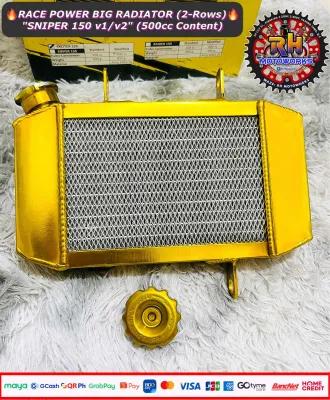
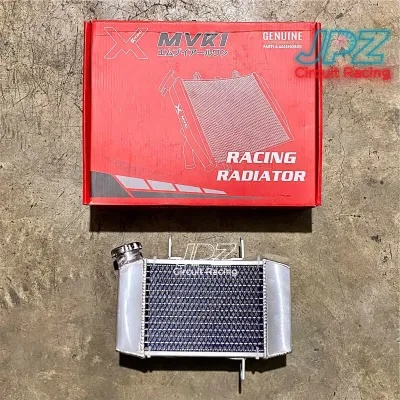
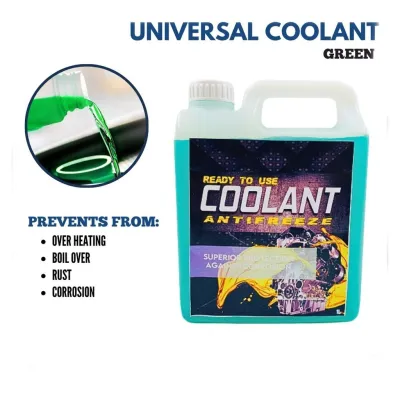
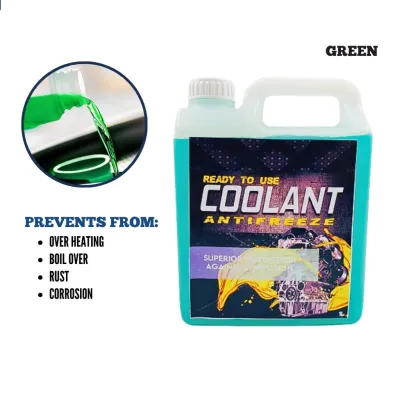
Prices are valid at publication and may change. Please refer to the product page for the latest price.
The engine block and cylinder head of the Sniper 150 are constructed primarily from aluminum alloys. While aluminum is highly effective at dissipating heat and keeping the motorcycle lightweight, it is also chemically sensitive. The cooling system also features a mechanical water pump equipped with delicate rubber and ceramic seals that prevent coolant from entering the engine oil chambers.
Using an incorrect or low-grade fluid in this system introduces severe mechanical risks. Incompatible chemicals can strip away the protective oxide layer on the internal aluminum surfaces, leading to rapid corrosion. Over time, this corrosion produces metallic debris that can clog the narrow tubes of the radiator core, severely restricting coolant flow and causing the engine to overheat.
Furthermore, improper fluids can cause scaling, which is the accumulation of mineral deposits on the hot internal walls of the engine’s water jackets. This scaling acts as an insulator, trapping heat inside the combustion chamber rather than allowing it to transfer to the coolant. The mechanical water pump seals are also highly vulnerable; abrasive additives in the wrong coolant can degrade these seals, leading to internal leaks and eventual engine failure.
Decoding Coolant Labels: Key Specifications for Aluminum Engines
When browsing the shelves of an auto supply store or motorcycle shop, you will encounter a wide variety of coolant products. To select a formula that is safe for your Sniper 150, you must learn to identify key specifications and chemical listings on the product labels.

First, check for industry-standard certifications that verify the coolant’s performance and material compatibility. Standards such as ASTM D3306 (for light-duty engines) are common indicators of high-quality formulations. However, motorcycle-specific formulations are the most reliable choice, as they are tailored to the unique operating conditions of high-revving, small-capacity engines.
The most critical chemical check is verifying the absence of silicates, amines, and phosphates. Many standard automotive coolants use silicates as fast-acting corrosion inhibitors. While effective in large car radiators, silicates are highly abrasive. In a small motorcycle engine, these abrasive particles can quickly wear down the ceramic and rubber faces of the water pump seal, causing premature seal failure and coolant leaks.
Phosphates are another additive to avoid, particularly in regions with hard water. When phosphates mix with minerals in water, they can precipitate out of the solution, forming a flaky scale that blocks the radiator’s micro-tubes. Therefore, look for labels that explicitly state “Silicate-Free,” “Phosphate-Free,” and “Amine-Free.”
Confirm the base fluid type of the coolant. Most modern, high-performance motorcycle coolants use ethylene glycol as the base, combined with Organic Acid Technology (OAT) or Hybrid Organic Acid Technology (HOAT) corrosion inhibitors. These organic acids provide long-lasting protection for aluminum components without relying on abrasive inorganic minerals. Always ensure the formula is explicitly labeled for motorcycles or small aluminum engines, avoiding heavy-duty automotive formulas designed for cast-iron diesel engines.
Pre-Mixed vs. Concentrated Coolant: Choosing the Right Format
Coolants are generally sold in two formats: pre-mixed (often labeled as 50/50 ready-to-use) and concentrated. Understanding the practical differences between these formats will help you choose the best option for your maintenance skills, tools, and precision requirements.
Pre-mixed coolants offer the ultimate convenience and guaranteed consistency. These formulas are blended at the factory with exactly 50% coolant concentrate and 50% purified, demineralized water. This precise ratio ensures optimal heat transfer and boil protection right out of the bottle, eliminating the risk of human error during mixing. While a pre-mixed bottle might cost slightly more ₱ than a bottle of concentrate, the convenience and peace of mind are often worth the minor price difference.
Concentrated coolants offer cost flexibility, especially if you maintain multiple motorcycles. However, they require you to manually dilute the fluid before pouring it into your cooling system. This process demands strict adherence to dilution ratios and requires a clean measuring container to avoid introducing contaminants.
If you choose a concentrated formula, you must use only distilled or deionized water for dilution. Distilled water has been stripped of all minerals, salts, and impurities, making it chemically inert and safe for your engine’s internal passages.
Never use tap water, well water, or bottled drinking water to dilute coolant. Tap water contains dissolved minerals such as calcium, magnesium, and silica. When subjected to the intense heat inside the Sniper 150’s engine, these minerals precipitate out, forming a hard scale on the cooling jackets and radiator tubes. This scale acts as a thermal barrier, drastically reducing the system’s ability to transfer heat away from the engine and leading to localized overheating, warped cylinder heads, or blown head gaskets.
Safe Inspection and Topping Up Procedures
Maintaining the cooling system of your Sniper 150 involves regular visual inspections and occasional topping up. Because the cooling system operates under high pressure and temperature, you must follow strict safety protocols to prevent personal injury and engine damage.
The absolute most critical safety rule is to never open the radiator cap when the engine is hot or even warm to the touch. When the engine runs, the coolant expands and builds up significant pressure within the system. Opening the cap while hot will cause the pressurized, boiling fluid and steam to spray out violently, leading to severe burns. Always allow the motorcycle to cool completely—ideally for several hours—before attempting to open the radiator cap.
To perform a visual inspection, start by checking the coolant level in the translucent reserve tank, which is typically located near the rear suspension or under the body panels depending on your model year. The fluid level should sit comfortably between the “Full” (or Upper) and “Low” (or Lower) lines when the motorcycle is standing upright on a level surface, such as on its center stand.
Next, inspect the physical condition of the coolant. Remove the radiator cap (only when completely cold) to check the fluid level inside the radiator itself; it should be filled to the base of the filler neck. Observe the color and clarity of the fluid. Fresh coolant should have a bright, translucent color (typically green, blue, pink, or yellow, depending on the brand) and be completely free of debris.
You must define clear stop conditions during your inspection. If the coolant appears milky, cloudy, or resembles a chocolate milkshake, this is a classic sign of engine oil mixing with the coolant, usually caused by a failed cylinder head gasket or a compromised water pump seal.
If you observe suspended debris, dark flakes, or a rusty brown discoloration, the internal corrosion inhibitors have failed, and the system is actively degrading. Additionally, if you notice any external wetness around the radiator hoses, water pump housing, or the weep hole, stop operating the motorcycle immediately. In any of these scenarios, do not attempt to ride; instead, consult a qualified professional mechanic to diagnose and repair the system.
Frequently Asked Questions (FAQ)
Can I mix different coolant brands or colors in my Sniper 150?
No, you should avoid mixing different coolant brands or colors in your Sniper 150. Coolant color is simply a dye added by manufacturers and is not a reliable indicator of chemical compatibility or formulation type. Mixing different chemical technologies, such as Organic Acid Technology (OAT) and Inorganic Additive Technology (IAT), can cause a chemical reaction that forms a thick gel or sludge. This sludge can clog the radiator passages and water pump, leading to immediate overheating. If you are switching to a new coolant brand or formulation, always perform a complete system flush with distilled water first to ensure all traces of the old fluid are removed.
How often should the coolant be replaced?
You should always follow the specific mileage or time-based replacement intervals explicitly outlined in your official Yamaha Sniper 150 owner’s manual. Typically, motorcycle manufacturers recommend replacing the coolant every two years or every 10,000 to 20,000 kilometers, whichever comes first. However, if you frequently ride in severe conditions—such as navigating heavy stop-and-go traffic in intense tropical heat, carrying heavy loads, or riding in highly humid environments—the coolant will degrade faster. In these situations, perform more frequent visual inspections and consider replacing the fluid early if it shows signs of discoloration or loss of clarity.
Is it safe to use standard car coolant in a Yamaha Sniper 150?
Generally, it is not safe to use standard automotive coolant in your Yamaha Sniper 150 unless the product explicitly states it is silicate-free and safe for aluminum motorcycle engines. Many standard car coolants contain silicates, phosphates, and other heavy-duty corrosion inhibitors designed for larger automotive engines with cast-iron components. These abrasive additives can rapidly wear down the small, delicate mechanical water pump seals of a motorcycle, leading to leaks and engine damage. Always choose a premium coolant specifically formulated for aluminum motorcycle engines to ensure complete material compatibility and long-term protection.
Community discussion
Share your experience or ask a question. Comments are reviewed before publication.