
Selecting the right coolant for your Honda Click in the Philippines is one of the most critical maintenance decisions you can make to preserve your scooter’s engine life. In a tropical climate characterized by intense ambient heat, high humidity, and dense stop-and-go traffic, your engine operates under severe thermal stress. The ideal coolant for a Honda Click is a high-quality, ethylene glycol-based, pre-mixed formulation that is explicitly labeled as silicate-free and designed for aluminum engines. Using the correct fluid prevents localized boiling, guards against internal corrosion, and ensures that the water pump seals remain intact. Rather than relying on arbitrary product colors or generic marketing claims, you must verify that any fluid you pour into your cooling system matches the precise chemical standards outlined in your vehicle’s owner’s manual.
Understanding Your Honda Click's Cooling Needs in Hot Weather
The Honda Click, whether in its 125i, 150i, or 160i configurations, utilizes a liquid-cooled engine designed to maintain an optimal operating temperature. In the Philippines, this system faces unique environmental challenges. High ambient temperatures exceeding 35°C, combined with the radiant heat from asphalt and concrete, significantly reduce the temperature differential between the radiator and the surrounding air. This reduction makes it much harder for the radiator to shed heat efficiently.
Furthermore, urban commuting in major metropolitan areas like Manila or Cebu involves prolonged idling and slow-moving traffic. Unlike air-cooled scooters that rely on constant forward motion to cool down, liquid-cooled engines depend entirely on the circulation of coolant through the engine block and radiator. When your scooter is idling at a red light under the midday sun, the cooling fan and the thermal capacity of the coolant are the only barriers preventing the engine from overheating.
Products mentioned in this guide
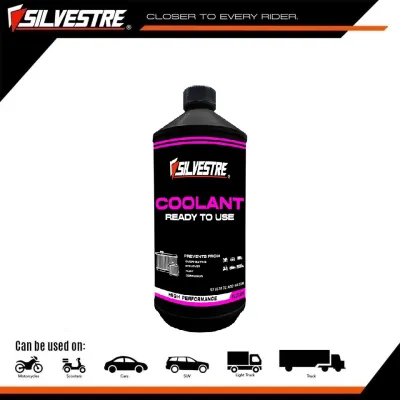
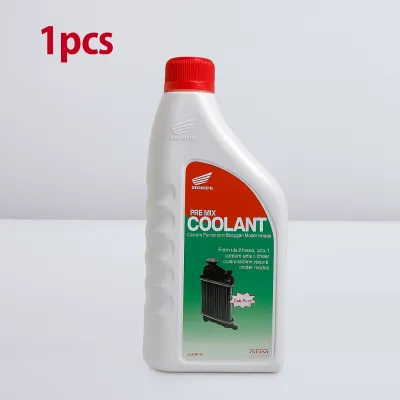
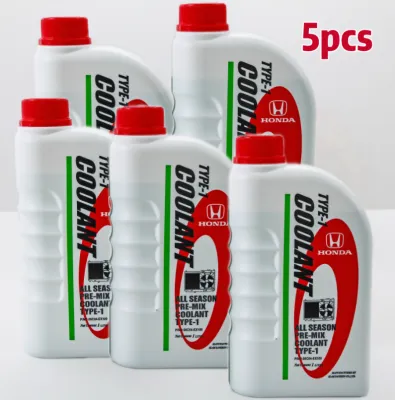
Prices are valid at publication and may change. Please refer to the product page for the latest price.
To find the baseline requirements for your specific model, always consult the Honda Click owner’s manual. The manufacturer specifies the exact type of coolant required, which is typically a high-quality ethylene glycol solution containing non-silicate organic acid inhibitors. This manual is your primary authority; it outlines the capacity of both the radiator and the reserve tank, ensuring you purchase the correct volume for a complete drain and refill.
A common misconception among scooter owners is that coolant color indicates its chemical composition. You might see green, blue, pink, or yellow fluids on the shelves of local auto supply shops. However, these colors are simply dyes added by manufacturers for leak detection and brand identification. Relying solely on color to choose a coolant can lead to catastrophic engine damage, as two coolants of the exact same color can have completely incompatible chemical bases.
Key Specifications to Check on the Coolant Label
When shopping for coolant, you must look past the front label’s marketing promises and carefully read the technical specifications on the back. The most critical factor for the Honda Click’s engine is the chemical technology used for corrosion inhibition. Modern Honda motorcycle engines feature aluminum cylinder heads and blocks, which are highly sensitive to certain chemicals. You must select a coolant that is explicitly labeled as silicate-free, amine-free, and borate-free. Silicates, while effective at preventing corrosion in older cast-iron engines, act as abrasives in modern aluminum systems. They can quickly degrade the mechanical seals of your water pump, leading to premature pump failure and coolant leaks.

Organic Acid Technology (OAT) or Hybrid Organic Acid Technology (HOAT) formulations are typically recommended because they provide long-lasting corrosion protection without the use of abrasive silicates. These formulations create a microscopic protective layer over the aluminum surfaces inside the engine, preventing cavitation and rust while maintaining optimal heat transfer.
Another vital specification to verify is the boiling point of the fluid. In tropical climates, a higher boiling point provides a crucial safety margin against boil-over. Look for a coolant that offers a high boiling point under standard radiator cap pressure. This ensures that even during extreme operating conditions, such as climbing steep mountain roads or idling in heavy traffic, the coolant remains in a liquid state to absorb and transport heat away from the combustion chamber.
We highly recommend purchasing pre-mixed coolant, often labeled as “50/50 Pre-Diluted.” Pre-mixed fluids are blended at the factory using highly purified demineralized or deionized water. This eliminates the risk of introducing minerals into your cooling system. If you choose to buy concentrated coolant, you must also purchase distilled or deionized water to dilute it yourself. Never use tap water, well water, or standard bottled drinking water. Tap water contains minerals like calcium and magnesium that precipitate out under high heat, forming scale deposits inside the radiator tubes and engine water jackets. Over time, this scale acts as an insulator, blocking heat transfer and eventually clogging the narrow passages of your radiator.
OEM vs. Aftermarket Coolants: Making the Right Choice
Deciding between Original Equipment Manufacturer (OEM) fluids and aftermarket alternatives is a common dilemma for Honda Click owners. Honda Genuine Coolant is the safest and most straightforward choice. It is formulated specifically to meet the exact metallurgical requirements of Honda engines, ensuring total compatibility with all internal seals, gaskets, and aluminum alloys. Using OEM fluid guarantees that you remain compliant with your vehicle’s warranty terms, which is particularly important for newer scooters. It removes all guesswork from the selection process, as the fluid is pre-mixed to the correct ratio and contains the exact additive package your engine was designed to use.
However, aftermarket coolants from reputable global manufacturers are also excellent options, provided they meet the necessary specifications. When evaluating aftermarket brands, look for products from established chemical manufacturers that clearly list compliance with Japanese Industrial Standards (JIS) or ASTM standards on their packaging. Reputable aftermarket fluids will explicitly state on the label that they are safe for aluminum motorcycle engines and are silicate-free.
You must exercise extreme caution and avoid unbranded, excessively cheap, or poorly labeled fluids often found on online marketplaces or informal roadside shops. Bottles priced suspiciously low compared to established brands frequently lack the necessary corrosion inhibitors and thermal stabilizers. In some cases, these cheap products are merely colored water or low-grade industrial glycols that can corrode your engine from the inside out, clog your radiator with rust, or fail to prevent boiling under tropical heat. Always purchase your coolant from authorized dealerships, established auto parts stores, or official brand outlets to ensure you are getting a genuine, sealed product.
Safe Handling and Replacement Guidelines
Maintaining your Honda Click’s cooling system requires strict adherence to safety protocols and correct handling procedures. The most important rule of coolant maintenance is to never mix different coolant chemistries, brands, or even different colors of coolant. Mixing incompatible fluids can trigger a chemical reaction that causes the additives to drop out of suspension, forming a thick, gelatinous sludge. This sludge can clog the radiator core, block the thermostat, and cause rapid engine overheating. If you are switching from one brand of coolant to another, or if you do not know what fluid is currently in your system, perform a complete system flush with distilled water before adding the new coolant.
Working on a cooling system carries a high risk of severe burn injuries if safety precautions are ignored. Never, under any circumstances, attempt to open the radiator cap or the coolant reserve tank while the engine is hot or even warm. The cooling system operates under high pressure when hot. Opening the cap releases this pressure instantly, causing boiling coolant and steam to spray out violently. Always allow the scooter to sit idle for at least two to three hours until the engine block and radiator are completely cold to the touch before performing any inspection or service.
When inspecting your system, check both the coolant level in the translucent reserve tank (located under the floorboard or near the rear suspension, depending on the model year) and the condition of the fluid. The level should always sit between the “Upper” and “Lower” marks. If you notice that the coolant looks cloudy, rusty, or has dark particles floating in it, it is time for a complete flush and replacement.
While basic top-ups of the reserve tank are simple DIY tasks, more complex procedures like a full system flush, thermostat replacement, or water pump inspection require specialized tools and mechanical knowledge. If your Honda Click is experiencing persistent overheating, if you suspect an internal leak (indicated by a dropping coolant level without visible external puddles), or if you are uncomfortable performing the drain and bleed procedure, stop immediately. Consult a qualified mechanic at an authorized service center. Improperly bleeding the cooling system can leave trapped air pockets inside the engine block, leading to localized hot spots and severe engine damage even if the radiator is full.
Frequently Asked Questions (FAQ)
Can I use regular tap water to top up my coolant in an emergency?
You should avoid using regular tap water to top up your coolant reservoir except in absolute emergencies where you are stranded and facing engine damage from overheating. Tap water contains dissolved minerals, chlorine, and fluorides that react with the aluminum components of your Honda Click’s engine. These minerals quickly form scale deposits that insulate the cooling passages and reduce heat transfer efficiency. If you must use tap water to reach a safe location, you should have the entire cooling system drained, flushed with distilled water, and refilled with the correct pre-mixed coolant as soon as possible to prevent long-term corrosion and clogging.
How often should the coolant be replaced on a Honda Click?
The replacement interval for your coolant depends on the specific model year and guidelines detailed in your Honda Click owner’s manual. Generally, manufacturers recommend inspecting the coolant level and condition at every regular service interval (typically every 4,000 to 6,000 kilometers). A complete coolant replacement is often scheduled every two years or after a specific mileage threshold, such as 12,000 to 18,000 kilometers, whichever comes first. However, operating in the harsh, dusty, and hot tropical conditions of the Philippines may accelerate the degradation of the coolant’s additive package. Regularly checking the fluid’s clarity and maintaining the correct level in the reserve tank is the best way to ensure your engine remains protected between scheduled replacements.

Community discussion
Share your experience or ask a question. Comments are reviewed before publication.