
Selecting the correct coolant for a 4-liter diesel engine requires matching the vehicle manufacturer’s exact technical specification rather than relying on engine displacement or fluid color. Diesel engines operate under high thermal loads and compression ratios, demanding specialized chemical formulations to protect against cylinder liner cavitation, boiling, and internal corrosion. To ensure compatibility, vehicle owners must verify the specific coolant technology (such as OAT or HOAT) and the original equipment manufacturer (OEM) standard listed in their vehicle manual before purchasing a 4-liter or larger container of pre-mixed or concentrated coolant.
Why Diesel Engines Need Specialized Coolant Formulations
Diesel engines generate significantly higher combustion temperatures and compression ratios compared to gasoline engines. This intense thermal environment places extreme stress on the cooling system, especially in tropical climates where ambient temperatures and high humidity challenge heat dissipation. The physical design of a diesel engine also introduces unique mechanical vibrations that can compromise the cooling passages if the fluid is not properly formulated.
A primary concern in diesel engines is cylinder liner cavitation. As the pistons move rapidly within the cylinders, the liners vibrate, creating microscopic low-pressure vapor bubbles in the surrounding coolant. When these bubbles collapse under high pressure, they implode violently against the metal surface. Over time, these tiny implosions can pit and erode the cylinder liners, eventually creating holes that allow coolant to leak directly into the combustion chamber or engine oil.
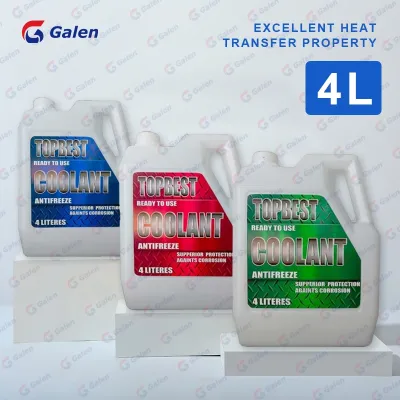
Products mentioned in this guide
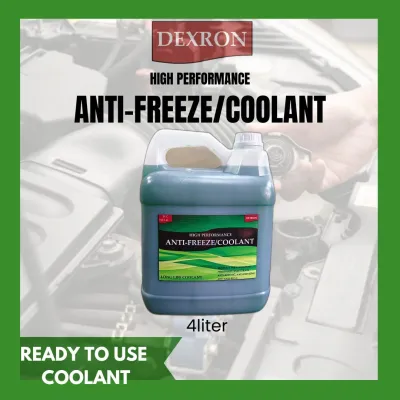
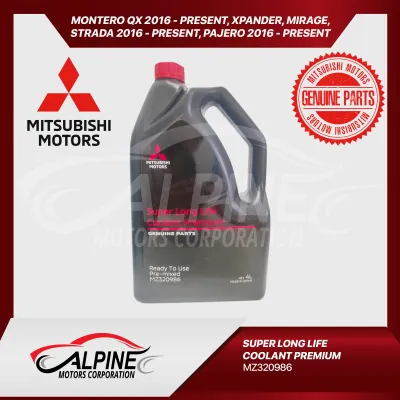
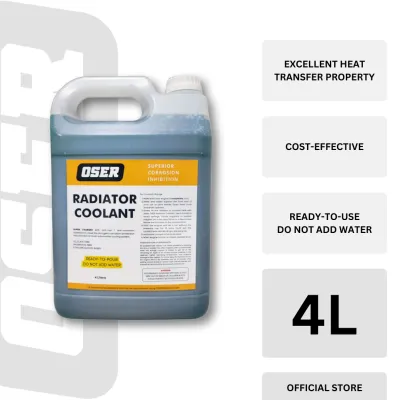
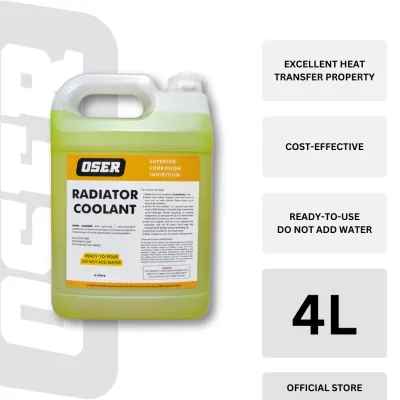
![[L-AX] 4 LITERS COOLANT TOPBEST BRAND](https://img.lazcdn.com/g/p/265a1ad5b28c2f5a6810dbf26c40a550.png_400x400q80.png_.webp)
![[YAMAS] 4 LITERS COOLANT TOP BEST BRAND](https://img.lazcdn.com/g/p/ab94097c9549efc206847bd80590eb26.png_400x400q80.png_.webp)
![[GHANA] TOP BEST COOLANT 4L](https://img.lazcdn.com/g/p/678eed816647a5056fa40d2469fb5c04.jpg_400x400q80.jpg_.webp)
Prices are valid at publication and may change. Please refer to the product page for the latest price.
Using standard gasoline engine coolant in a diesel block often leads to premature water pump failure, rapid additive depletion, or severe internal corrosion. Gasoline coolants typically lack the robust protective additives required to form a resilient barrier on heavy-duty diesel metal surfaces. Without these specialized inhibitors, the cooling system components degrade quickly, risking catastrophic engine failure under heavy loads.
Core Specifications to Decode for Your 4.0L Diesel
When selecting a coolant, the base fluid serves as the foundation of the formulation. Most automotive coolants utilize ethylene glycol as the primary heat-transfer agent due to its effective boiling point elevation and heat dissipation properties. While propylene glycol is sometimes used as a lower-toxicity alternative, it has different heat transfer characteristics, making it essential to verify which base fluid your vehicle manufacturer specifies for optimal thermal performance.

The additive package blended into the base fluid determines the coolant’s overall lifespan, corrosion protection, and compatibility with the various metals inside your engine. Modern cooling systems contain a mix of aluminum, copper, brass, cast iron, and steel, alongside rubber hoses and plastic seals. The chemical additives must protect all of these materials simultaneously without causing chemical reactions that degrade the seals or form insulating deposits.
Coolant Technology Types (IAT, OAT, and HOAT)
Inorganic Additive Technology (IAT) represents the traditional coolant formulation, typically containing silicates or phosphates to provide rapid corrosion protection. However, these additives deplete quickly, resulting in shorter service intervals that require frequent draining and refilling to maintain protection. IAT coolants are generally found in older diesel engines and are less common in modern passenger or light commercial vehicles.
Organic Acid Technology (OAT) coolants utilize organic acids to provide long-lasting corrosion protection, often lasting for several years or hundreds of thousands of kilometers. These formulations do not contain silicates or phosphates, making them highly stable but slower to form a protective layer on metal surfaces. OAT coolants are widely specified for modern diesel engines, but they must never be used in systems designed for traditional formulations unless explicitly approved by the manufacturer.
Hybrid Organic Acid Technology (HOAT) combines organic acids with a small amount of inorganic inhibitors, such as silicates, to deliver both rapid surface protection and extended service life. This hybrid approach is highly effective at protecting aluminum components and is commonly specified by many European and Asian vehicle manufacturers. Identifying whether your 4.0L diesel requires IAT, OAT, or HOAT is a critical step that depends entirely on the engine’s engineering design rather than its displacement.
Cavitation Protection and Additive Requirements
To combat the destructive effects of cylinder liner cavitation, diesel coolants must maintain a protective chemical barrier on the outer walls of the liners. In many heavy-duty or older diesel engines, this protection is maintained through Supplemental Coolant Additives (SCAs). These additives, which often include nitrites or molybdates, must be monitored regularly and replenished as they deplete over time to prevent liner pitting.
Many modern light-duty 4-liter diesel engines utilize extended-life coolants (ELCs) that are pre-formulated with advanced organic acids that resist cavitation without the need for manual SCA replenishment. These modern formulations simplify maintenance, but they still require periodic inspection to ensure the chemical balance remains within safe operating limits. Mixing an SCA-dependent coolant with an ELC can disrupt the chemical balance and compromise cavitation protection.
To determine the exact requirements for your vehicle, always consult the owner’s manual. The manufacturer will specify whether the cooling system requires regular SCA testing and dosing or if it relies on a maintenance-free extended-life formulation. Following these guidelines is essential to prevent localized overheating and structural damage to the engine block.
How to Verify the Exact OEM Standard for Your Vehicle
To ensure complete compatibility and preserve your vehicle’s warranty, you must locate the exact original equipment manufacturer (OEM) specification code. This code is typically listed in the maintenance section of the owner’s manual or printed directly on the coolant reservoir cap in the engine bay. Examples of these standards include specific manufacturer codes that define the precise chemical limits and performance criteria required for that engine family.
When shopping for coolant at an auto parts store or an online marketplace, cross-reference the OEM code from your manual with the technical specifications printed on the product label. The bottle must explicitly state that it meets or is approved for the specific OEM standard required by your vehicle. Avoid products that only claim general suitability for “all diesel engines” or “all makes and models,” as these universal claims may not meet the precise chemical requirements of your specific cooling system.
While it may be tempting to select a product based solely on the lowest ₱ price, using an unapproved coolant can lead to expensive repairs that far outweigh any initial savings. Investing in a certified coolant that matches your vehicle’s OEM standard ensures that the internal seals, water pump, and radiator remain protected under high-stress driving conditions. If the owner’s manual is missing or the specifications are unclear, consult an authorized dealership with your Vehicle Identification Number (VIN) to obtain the correct specification.
Safe Handling, Mixing, and Flushing Boundaries
Mixing different coolant technologies, such as adding an OAT coolant to a system filled with IAT, can trigger severe chemical reactions. These incompatible mixtures often form a thick gel or precipitate solid deposits that can clog the narrow passages of the radiator and heater core, leading to rapid engine overheating. Always stick to a single coolant technology type when topping off or refilling the system.
In an emergency, topping off a low reservoir with distilled water is acceptable to prevent overheating, but this dilutes the coolant concentration. Dilution lowers the boiling point, raises the freezing point, and reduces the concentration of corrosion inhibitors, leaving the engine vulnerable to damage. If you must add water, use only distilled water—never tap water, which contains minerals that form scale deposits—and restore the proper coolant-to-water ratio as soon as possible.
When performing maintenance, follow the manufacturer’s recommended service intervals to decide between a simple drain-and-fill or a complete system flush. A simple drain-and-fill replaces a portion of the fluid, while a full flush removes accumulated debris, scale, and degraded additives from the entire cooling circuit. Always allow the engine to cool completely before opening the cooling system, as hot, pressurized fluid can cause severe burns. If you observe oil contamination, dark sludge, or metallic particles in the old coolant, stop immediately and consult a qualified professional to diagnose potential head gasket or oil cooler failures.
Frequently Asked Questions (FAQ)
Can I use regular green coolant in my 4-liter diesel engine?
No, you should not assume that a coolant is compatible based solely on its color. While traditional IAT coolants were historically dyed green, modern coolants come in various colors—including pink, blue, yellow, and red—depending on the manufacturer’s branding rather than the chemical technology. Always verify the specific OEM specification code on the product label rather than relying on the color of the fluid to determine compatibility.
Does the 4.0L engine displacement dictate the coolant capacity?
No, the 4.0-liter engine displacement refers to the total volume of the engine’s cylinders, not the volume of the cooling system. The actual coolant capacity of a vehicle with a 4-liter engine varies significantly depending on the radiator size, heater core volume, and overall cooling system design. Always check the technical specifications section of your owner’s manual to determine the exact volume of coolant required for a complete fill.
Community discussion
Share your experience or ask a question. Comments are reviewed before publication.