
The Honda Click V3 requires a high-quality, ethylene glycol-based coolant formulated specifically for aluminum motorcycle engines. This coolant must be silicate-free and phosphate-based to protect the delicate water pump seals and internal cooling passages. Using the correct fluid is essential for maintaining optimal engine temperatures, especially when riding in tropical climates.
Riding a scooter in high-ambient-temperature environments like the Philippines puts immense thermal stress on a small-displacement engine. The cooling system relies on a precise balance of chemical properties to transfer heat away from the combustion chamber efficiently. Relying on generic fluids or incorrect mixtures can lead to rapid overheating, scale buildup, and severe engine damage.
To ensure your scooter runs reliably, always verify the exact coolant specifications in your official Honda Click V3 owner’s manual before performing any maintenance. This guide outlines how to identify the correct coolant type, manage concentration levels, check fluid levels safely, and recognize when it is time to seek professional assistance.
Products mentioned in this guide
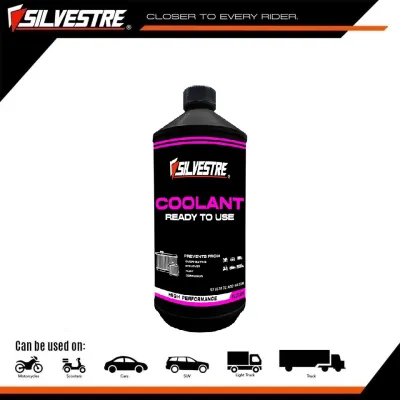
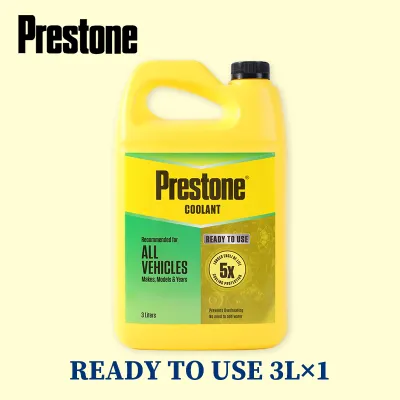
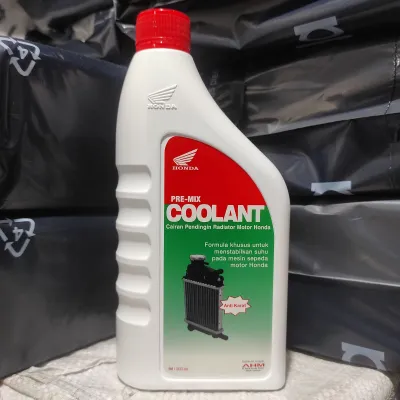
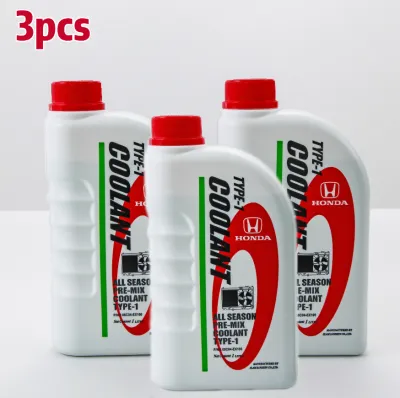
Prices are valid at publication and may change. Please refer to the product page for the latest price.
Identifying the Correct Coolant Type for Your Honda Click V3
The cooling system of the Honda Click V3 is constructed primarily of aluminum alloys, which require specialized corrosion inhibitors to prevent degradation. When selecting a coolant, check your owner’s manual for the specific OEM recommendation. Honda typically recommends using “Honda Genuine Premix Coolant” or an equivalent high-quality, ethylene glycol-based formula that is silicate-free and phosphate-based.
Motorcycle-specific cooling systems differ significantly from standard automotive systems. Scooter engines are compact, run at high operating temperatures, and utilize smaller water pumps with delicate mechanical seals. Many generic automotive coolants contain silicates or borates designed for larger car engines. These compounds act as microscopic abrasives that can quickly erode the water pump seals of a motorcycle, leading to coolant leaks.
Using an incompatible coolant formulation poses severe risks to your engine’s longevity. Beyond seal wear, incorrect chemical bases can react with aluminum components, leading to rapid corrosion and abrasive deposits. Over time, these deposits clog the narrow passages of the radiator core, drastically reducing heat dissipation and causing the engine to overheat during daily commutes.
Understanding Concentration and Tropical Climate Considerations
When purchasing coolant, you will generally choose between pre-mixed (ready-to-use) formulas and concentrated options. Pre-mixed coolant is highly recommended for the Honda Click V3 because it is blended with demineralized or distilled water in the exact ratio required by the manufacturer. This eliminates the risk of introducing harmful minerals into the cooling system.

If you choose to use concentrated coolant, verify the manufacturer’s recommended mixing ratio in your service manual rather than assuming a universal standard. A 50:50 ratio of coolant concentrate to distilled water is standard for most riding conditions, providing an optimal balance of heat transfer and corrosion protection. In tropical climates like the Philippines, where freezing temperatures are not a concern, some riders mistakenly believe they can use a lower concentration of coolant or even plain water.
This assumption is highly dangerous for your engine. While water is an excellent heat conductor, it lacks the boiling-point lifters and rust inhibitors found in formulated coolant. Operating your scooter with an improper ratio or plain water will lead to localized boiling around the cylinder head, accelerated rust, and scale buildup. Always check the coolant reservoir and radiator cap for factory fill indicators or warning labels regarding fluid specifications.
Verifying Cooling System Capacity and Fluid Levels
To maintain your cooling system properly, locate the exact system capacity and reserve tank limits in the official Honda Click V3 service manual. The total capacity is relatively small, meaning even a minor loss of fluid can have a drastic impact on operating temperatures. Never guess the volume required; always measure the fluid carefully during a refill.
Checking your coolant level is a simple visual task that should be part of your regular maintenance routine. Locate the coolant reserve tank, which is typically visible through a viewing window or accessible behind a specific body panel as detailed in your manual. Ensure the scooter is parked on level ground on its center stand. The fluid level must sit between the “UPPER” and “LOWER” marks on the reserve tank; if it falls below the “LOWER” mark, a top-up is required.
Safety must be your absolute priority when inspecting or servicing the cooling system. Never, under any circumstances, attempt to open the radiator cap while the engine is hot or even warm. The cooling system operates under high pressure, and opening the cap on a hot engine will cause boiling coolant and steam to spray out violently, risking severe burns. Always allow the engine to cool completely to the touch before carefully removing the radiator cap.
Safe Handling and Replacement Boundaries
One of the most critical rules of coolant maintenance is to avoid mixing different coolant colors, brands, or chemical bases. Coolants are color-coded to help identify their chemical makeup, but colors are not universally standardized across brands. Mixing organic acid technology (OAT) with traditional green coolants or hybrid formulas can trigger a chemical reaction, turning the fluid into a thick, gel-like sludge that completely blocks coolant flow and ruins the engine.
Knowing when to perform a simple top-up versus a complete system flush is essential for proper maintenance. If the coolant level in the reserve tank is slightly low but the fluid remains clean and clear, topping it up with the same pre-mixed formula is sufficient. However, if the coolant appears discolored, cloudy, or contains visible rust particles and debris, a complete system flush is required to restore protection.
While basic level checks and top-ups are straightforward, some cooling system tasks carry high risks. Bleeding air pockets out of the cooling system after a flush is critical; trapped air can cause localized hot spots and rapid engine overheating. If you suspect a coolant leak, notice persistent overheating symptoms, or feel unsure about the bleeding process, stop immediately and consult a qualified motorcycle mechanic to prevent permanent engine damage.
Frequently Asked Questions (FAQ)
Can I use standard car coolant in my Honda Click V3?
No, avoid using standard automotive coolant unless it is explicitly certified as silicate-free and safe for aluminum motorcycle engines. Many car coolants contain silicates and other abrasive inhibitors designed for larger systems. These compounds can rapidly degrade the compact mechanical water pump seals of your Honda Click V3, leading to internal leaks and cooling system failure.
How do I know if my coolant needs a complete flush?
Your coolant requires a complete flush if you observe discoloration, cloudiness, or floating debris in the reserve tank, or if your scooter has reached the service interval specified in your owner’s manual. Over time, the protective additives in the coolant break down, reducing its ability to prevent rust and scale. A complete flush removes these degraded fluids and contaminants.
Is it safe to top up with distilled water in an emergency?
Topping up with distilled water is acceptable only in an emergency when proper coolant is unavailable and you must reach a service center. Using plain water dilutes the protective additives and lowers the boiling point of the system. If you must use distilled water, you should have the cooling system completely flushed and refilled with the correct pre-mixed coolant as soon as possible.

Community discussion
Share your experience or ask a question. Comments are reviewed before publication.